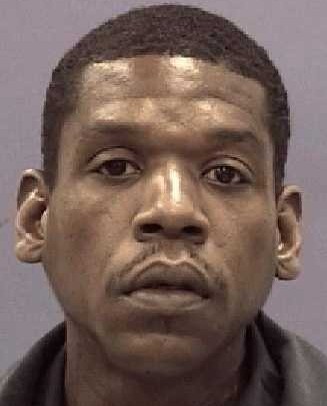
Michael Miller
Murderer Brian Kevin Rosenfeld
Murderer · USA · 1985
Brian Kevin Rosenfeld Brian Kevin Rosenfeld was sentenced to three concurrent l…
23 victims
Brian Kevin Rosenfeld
Murderer · USA · 1985
Brian Kevin Rosenfeld Brian Kevin Rosenfeld was sentenced to three concurrent l…
23 victims
 Yahweh ben Yahweh
Murderer · USA · 1980
Yahweh ben Yahweh was born and legally named Hulon Mitchell Jr. (October 27, 19…
23 victims
Yahweh ben Yahweh
Murderer · USA · 1980
Yahweh ben Yahweh was born and legally named Hulon Mitchell Jr. (October 27, 19…
23 victims
 Russell Ellwood
Murderer · USA · 1991
Russell Ellwood was a former taxi driver. Authorities suspected him of killing…
20 victims
Russell Ellwood
Murderer · USA · 1991
Russell Ellwood was a former taxi driver. Authorities suspected him of killing…
20 victims
 Giselle Esteban
Murderer · USA · 2011
Michelle Hoang Thi Le was a 26-year old nursing student who disappeared on May…
1 victim
Giselle Esteban
Murderer · USA · 2011
Michelle Hoang Thi Le was a 26-year old nursing student who disappeared on May…
1 victim
 Patrick David Mackay
Serial killer · United Kingdom · 1973
Patrick David Mackay was born on September 25, 1952, in England. He was the son…
11 victims
Patrick David Mackay
Serial killer · United Kingdom · 1973
Patrick David Mackay was born on September 25, 1952, in England. He was the son…
11 victims
 Michele Kalina
Murderer · USA · 1996
Michele Kalina pleaded guilty to murder for one of five infants she initially w…
5 victims
Michele Kalina
Murderer · USA · 1996
Michele Kalina pleaded guilty to murder for one of five infants she initially w…
5 victims
 Rufus Franklin
Murderer · USA · 1938
Rufus Franklin was an American criminal who served a life sentence in Alcatraz.…
1 victim
Rufus Franklin
Murderer · USA · 1938
Rufus Franklin was an American criminal who served a life sentence in Alcatraz.…
1 victim
 Andre Crawford
Serial killer · USA · 1993
Andre Crawford was convicted of rapes and murders of 11 women committed between…
11 victims
Andre Crawford
Serial killer · USA · 1993
Andre Crawford was convicted of rapes and murders of 11 women committed between…
11 victims
- Gender
- male
- Country
- USA
- Location
- Walton County, Georgia, USA
- Date of birth
- 1962
- Age at first offence
- 25
- Characteristics
- robbery
- Victim profile
- Larry Judson Sneed, 35
- Method of murder
- Shooting
- Date(s) of murder
- October 29, 1987
- Years active
- 1987
- Date of arrest
- —
- Status
-
Sentenced to death
Sentenced to death on November 23, 1988
Case information
Michael Miller was sentenced to death in November 1988 in Walton County for the robbery and killing of 35-year-old Larry Judson Sneed. His case was later sent back to the trial court on the issue of mental retardation in January 1995.
Timeline
- October 27, 1987 — Miller and Darrell Cook were riding around Atlanta in a van Cook had stolen, looking for money.
- October 27, 1987 — Miller and Cook kidnapped Jimmy Evans in the parking lot of a bar, tied him up, and forced him to tell them where he lived.
- October 27, 1987 — Miller and Cook entered Evans’s apartment using his key, tied up Evans’s roommate, and stole several items.
- October 27, 1987 — Evans was driven to a deserted area, where he was thrown out of the van, and Miller urinated on him.
- October 27, 1987 — Leaving Evans by the side of the road, Miller and Cook met with Teresa Okoia.
- October 27, 1987 — The three drove to Covington and spent the day buying drugs.
- October 29, 1987 (early morning) — On Miller-Bottom Road, Miller and Cook decided to stop the first car they saw and rob it; the car was driven by Larry Sneed.
- October 29, 1987 — Miller shot several times at Sneed’s car with a .22 rifle.
- October 29, 1987 — When Sneed put on his brakes, his car was struck from the rear by the van, and it left the road.
- October 29, 1987 — Sneed exited his car and ran; Miller shot him in the back and went through his pockets while Okoia searched the car.
- October 29, 1987 — They took Sneed’s wallet, a cooler, a check, and several credit cards.
- October 29, 1987 — When the porchlight of a nearby house came on, they drove away; Sneed bled to death.
- November 11, 1987 — Miller, who was in jail on an unrelated charge, told police he had information about the robbery and shooting of Sneed.
- November 24, 1987 — Miller was given a polygraph examination.
- November 15–16, 1988 — The case was tried.
- November 23, 1988 — Miller was sentenced to death.
- December 21, 1988 — A motion for new trial was filed.
- February 24, 1989 — The motion for new trial was denied.
- March 30, 1989 — The case was docketed in the Supreme Court of Georgia.
- June 6, 1989 — Oral arguments were heard.
- June 22, 1989 — The Supreme Court of Georgia issued its decision in MILLER v. THE STATE.
- January 1995 — Miller’s case was sent back to the trial court on the issue of mental retardation.
Background
The offence
On the evening of October 27, 1987, Miller and Darrell Cook were riding around Atlanta in a van Cook had stolen, looking for money. They kidnapped Jimmy Evans in the parking lot of a bar, tied him up, and forced him to tell them where he lived. They proceeded to Evans’s apartment, entered using his key, tied up his roommate, and stole several items. Evans was driven to a deserted area, thrown out of the van, and Miller urinated on him.
Leaving Evans by the side of the road, Miller and Cook met with Teresa Okoia. The three of them drove to Covington, where they spent the day buying drugs.
In the early morning of October 29, 1987, while returning on Miller-Bottom Road, they decided to stop the first car they saw and rob it. The car was driven by Larry Sneed. Miller shot several times at Sneed’s car with a .22 rifle. When Sneed put on his brakes, his car was struck from the rear by the van and left the road. Sneed exited his car and ran. Miller shot him in the back and went through his pockets while Okoia searched the car. They got Sneed’s wallet, a cooler, a check, and several credit cards. When the porchlight of a nearby house came on, they drove away. Sneed bled to death.
Investigation
On November 11, 1987, Miller was in jail on an unrelated charge. He told police he had information about the robbery and shooting of Sneed. Miller said he was not involved but had heard about it from “Monte” and Cook. Miller gave the officers so many details of the crime that they suspected he was involved. When asked if he would take a polygraph examination, Miller told the officers it was not necessary as he was going to tell them about it. He later admitted that he was with Cook and Monte but claimed he did not do anything except observe.
Arrest
Miller was already in jail on an unrelated charge when he told police about the robbery and shooting of Sneed on November 11, 1987.
Trial
Miller was convicted by a jury in Walton County of murder and armed robbery. He was sentenced to death for the murder.
During voir dire, the trial judge asked prospective jurors if any were conscientiously opposed to the death penalty. None of the jurors responded to the initial questioning by the trial judge. The district attorney introduced himself and again asked if any were conscientiously opposed to the death penalty; again, no one responded. After further questioning, one prospective juror indicated she was opposed to the death penalty; both counsel agreed to excuse her. The district attorney then requested that the question be asked to each juror individually. Over objection, the court granted the request. Miller contended that individually questioning all 71 prospective jurors about the death penalty put undue emphasis on it and created in the jurors’ minds the idea that the death penalty was mandatory and life imprisonment should not be considered. The court held that death-qualification of prospective jurors was not improper and that the trial judge committed no error when he death-qualified each juror.
Miller also contended that the results of a lie detector test should have been excluded because the district attorney did not personally sign the polygraph stipulation. The trial court allowed the test results as evidence. The court held that there was an “express stipulation by the state and the accused.”
Before the polygraph examination on November 24, 1987, Miller read and signed a waiver of his Miranda rights and also signed a form stipulating that the results would be admissible at trial. The examiner testified at trial that, in his opinion, Miller was untruthful when he denied shooting Larry Sneed.
The jury found two statutory aggravating circumstances to support the death sentence for the murder of Larry Sneed:
- “The murder was committed during the course of another capital felony, to-wit, armed robbery”
- “The murder was committed for the purpose of receiving money and other property of monetary value, to-wit, a credit card.”
Miller contended the death sentence was imposed under the impermissible influence of passion, prejudice, or other arbitrary factor, and he contended it was excessive or disproportionate. The court rejected those contentions.
Sentencing
The jury found the presence of two statutory aggravating circumstances to support the death sentence for the murder of Larry Sneed: armed robbery and receipt of money and other property of monetary value to-wit, a credit card. The death sentence was imposed.
Appeals
Miller v. The State (Supreme Court of Georgia) was issued on June 22, 1989. The docket number was 46850. Joseph S. Peeples and Michael R. Jones appeared for appellant. John M. Ott, District Attorney; Michael J. Bowers, Attorney General; and Andrew S. Ree appeared for appellee.
The Supreme Court of Georgia affirmed the conviction and sentence (“We affirm.”). The court addressed Miller’s arguments regarding jury questioning on death penalty eligibility and admissibility of the polygraph results.
In January 1995, Miller’s case was sent back to the trial court on the issue of mental retardation.
Outcome
Michael Miller’s conviction and death sentence were affirmed by the Supreme Court of Georgia in MILLER v. THE STATE, and his case was later remanded to the trial court on the issue of mental retardation in January 1995.
Aftermath
In January 1995, his case was sent back to the trial court on the issue of mental retardation.
Other details
- Miller shot Larry Sneed with a .22 rifle.
- Sneed was left by the side of the road and bled to death.
- Items taken from Sneed included his wallet, a cooler, a check, and several credit cards.
- Miller was in jail on an unrelated charge when he told police about the robbery and shooting of Sneed on November 11, 1987.
- The crime was committed on October 29, 1987.
- Indictments were returned on November 16, 1987.
- The case was tried on November 15 and 16, 1988.
- A motion for new trial was filed on December 21, 1988 and denied on February 24, 1989.
- The case was docketed in the Supreme Court of Georgia on March 30, 1989.
- Oral arguments were heard on June 6, 1989.
- The similar cases listed in the Appendix were: Lee v. State; Frazier v. State; Ford v. State; Romine v. State; Cargill v. State; Ingram v. State; Finney v. State; Spivey v. State; Roberts v. State; Putman v. State; Wilson v. State; Rivers v. State; Jones v. State; Berryhill v. State; Solomon v. State; Dick v. State; Jones v. State; Amadeo v. State; Corn v. State; Peek v. State; Birt v. State; Pulliam v. State; Dobbs v. State; Goodwin v. State; Mitchell v. State; Moore v. State; Gregg v. State.

Spotted an error, or have more information about this case?