George William Gee
Homicide David Michael Krueger
Homicide · Canada · 1956
David Michael Krueger was best known by his birth name, Peter Woodcock. In 1982…
4 victims
David Michael Krueger
Homicide · Canada · 1956
David Michael Krueger was best known by his birth name, Peter Woodcock. In 1982…
4 victims
 David Michael Krueger
Homicide · Canada · 1956
Peter Woodcock (birth name) was a Canadian serial killer and child rapist. · Da…
4 victims
David Michael Krueger
Homicide · Canada · 1956
Peter Woodcock (birth name) was a Canadian serial killer and child rapist. · Da…
4 victims
 Gregory Despres
Homicide · Canada · 2005
July 1982 — Gregory Allan Despres was born in Minto, New Brunswick, Canada. · A…
2 victims
Gregory Despres
Homicide · Canada · 2005
July 1982 — Gregory Allan Despres was born in Minto, New Brunswick, Canada. · A…
2 victims
 Mathew Charles Lamb
Homicide · Canada · 1966
Mathew Charles “Matt” Lamb was found not guilty by reason of insanity and was c…
2 victims
Mathew Charles Lamb
Homicide · Canada · 1966
Mathew Charles “Matt” Lamb was found not guilty by reason of insanity and was c…
2 victims
 Michael Slobodian
Homicide · Canada · 1975
Michael Slobodian committed suicide by shooting himself on the same day as the…
2 victims
Michael Slobodian
Homicide · Canada · 1975
Michael Slobodian committed suicide by shooting himself on the same day as the…
2 victims
 David Dobson
Homicide · Canada · 1982
David James Dobson was born in 1965 and was from Mississauga, Ontario. He was 1…
1 victim
David Dobson
Homicide · Canada · 1982
David James Dobson was born in 1965 and was from Mississauga, Ontario. He was 1…
1 victim
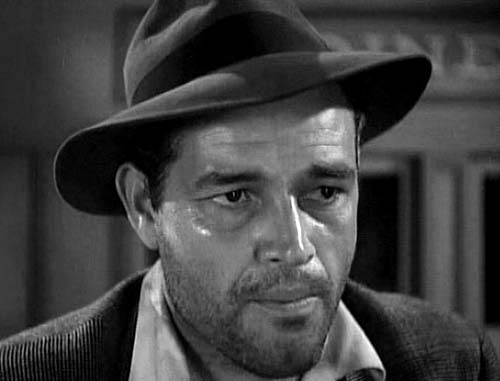 Thomas Neal
Murderer · USA · 1965
Thomas Neal (January 28, 1914 – August 7, 1972) was an American actor and convi…
1 victim
Thomas Neal
Murderer · USA · 1965
Thomas Neal (January 28, 1914 – August 7, 1972) was an American actor and convi…
1 victim
 Clarence James Jones
Murderer · USA · 1988
Clarence James Jones Clarence Jones was a known escapee from a Maryland prison…
1 victim
Clarence James Jones
Murderer · USA · 1988
Clarence James Jones Clarence Jones was a known escapee from a Maryland prison…
1 victim
 Martin Allen Johnson
Murderer · USA · 1998
Martin Allen Johnson (defendant) · Heather Fay Fraser, 15 (victim) · 1997 — Pol…
1 victim
Martin Allen Johnson
Murderer · USA · 1998
Martin Allen Johnson (defendant) · Heather Fay Fraser, 15 (victim) · 1997 — Pol…
1 victim
 Mark Barton
Spree killer · USA · 1999
Mark Orrin Barton (1955 – July 29, 1999) committed a spree killing in Stockbrid…
12 victims
Mark Barton
Spree killer · USA · 1999
Mark Orrin Barton (1955 – July 29, 1999) committed a spree killing in Stockbrid…
12 victims
 Janeen Snyder
Murderer · USA · 1996
Michael Forrest Thornton and Janeen Marie Snyder were convicted of kidnapping,…
2 victims
Janeen Snyder
Murderer · USA · 1996
Michael Forrest Thornton and Janeen Marie Snyder were convicted of kidnapping,…
2 victims
- Gender
- male
- Country
- Canada
- Location
- Woodstock, New Brunswick, Canada
- Date of birth
- 1881
- Age at first offence
- 23
- Characteristics
- alcohol
- Victim profile
- Miss Millie Gee ( his cousin and ex-lover )
- Method of murder
- Shooting
- Date(s) of murder
- March 12, 1904
- Years active
- 1904
- Date of arrest
- Same day (surrenders)
- Status
-
Executed
Executed by hanging in the Woodstock Gaol on July 22, 1904
Overview
George William Gee (c. 1881 - July 22, 1904) was executed by hanging in the Woodstock Gaol on July 22, 1904. He was tried for the murder of Miss Millie Gee, his cousin and ex-lover. His trial took place in the Old Carleton County Court House, and the execution took place in the Woodstock Gaol.
Timeline
- 12 March 1904 — George William Gee arrived at Bennie Gee’s residence with a Lee Enfield Rifle that he had borrowed from a Lt. Weldon W. Melville, after drinking steadily for most of the afternoon.
- 12 March 1904 — Gee played cards with Bennie and continued to drink until three in the morning, when he announced he should leave and was helped to the door by Millie.
- 12 March 1904 — As he was going out, Gee uttered his later famous words, “I suppose you don't know that this is the night you're going to die,” turned around, picked up the rifle, and fired.
- 12 March 1904 — A bullet ricocheted off the frame of the door and entered Millie’s chest, knocking her to the floor; Bennie ran to the door; Gee fired twice in Bennie’s direction but missed; Gee then fled.
- After the shooting — Gee walked to a phone and called Sheriff Foster to turn himself in.
- Following the shooting — Three doctors were called to attend Millie: Dr. Commins, Dr. Ross, and Dr. Brown; they could not save her life.
- Following the shooting — Millie died the following Wednesday after giving her deposition to Sheriff Foster.
- 26 April 1904 — Gee’s trial took place with Judge Tucker presiding; he pleaded not guilty; 23 witnesses were called; the jury returned a verdict of guilty after deliberating for only 45 minutes.
- 26 April 1904 — Judge Tucker sentenced Gee to hang on the grounds of the (then) new jail.
- 22 July 1904 — Gee was hanged in the Woodstock Gaol; there was a delay for the rope to be shipped in from out of town; executioner Radcliffe was swift in the hanging and the rope snapped Gee’s neck; he was pronounced dead 13 minutes afterwards.
The offence
George William Gee had been seeing Miss Millie Gee for three or four years. Millie lost interest and asked him not to see her anymore. After that, Millie was hired to look after the house and children of Bennie Gee because Bennie’s wife had left him. Millie stayed in the house next door with Bennie’s sister Catherine and Bennie’s husband Daniel Crane.
On the evening of the twelfth of March 1904 (a Saturday), George arrived at Bennie’s residence with a Lee Enfield Rifle that he had borrowed from a Lt. Weldon W. Melville. He had been drinking steadily for most of the afternoon but was friendly when he arrived and left the rifle at the door. Gee stayed late playing cards with Bennie and continuing to drink until three in the morning, when Gee announced that he should leave and was helped to the door by Millie.
As he was going out he uttered his later famous words, “I suppose you don't know that this is the night you're going to die.” He then turned around, picked up the rifle and fired. The bullet ricocheted off the frame of the door and entered Millie’s chest, knocking her to the floor. Bennie ran to the door hearing the shot. Gee fired twice in their direction but missed, and then fled.
Investigation and medical response
After a time, Gee walked the long distance to a phone and called Sheriff Foster to turn himself in. Three doctors were called to attend Millie: Dr. Commins, Dr. Ross, and Dr. Brown, but they could not save her life. Millie died the following Wednesday a short time after giving her deposition to Sheriff Foster.
Trial
Following a preliminary hearing, the trial was set for April 26, 1904 with Judge Tucker presiding. Attorney General Pugsley was for the Crown. J. Chipman Hartley and T C L Ketchum were for the defense. Gee pleaded not guilty and the calling of witnesses began.
In all, 23 witnesses were called, most of them close friends and relatives. In closing arguments, T C L Ketchum pleaded with the jury that Gee was insane, drunk, and too poor to mount a proper defense. Ketchum argued that a charge of manslaughter would be more appropriate. Ketchum’s full argument lasted a full hour and left Gee in tears.
The Crown argued that the crime was premeditated and that Gee couldn’t have been insane, as he had obviously realized his crime when he turned himself in. The jury deliberated for only 45 minutes before returning a verdict of guilty.
Sentencing
Judge Tucker sentenced Gee to hang on the grounds of the (then) new jail.
Execution
The hanging went forward as planned, although there was a delay for the rope to be shipped in from out of town, since no one from the town would sell it. The executioner, Radcliffe, was swift in the hanging and the rope snapped Gee’s neck. He was pronounced dead 13 minutes afterwards.
People
- George William Gee — defendant.
- Miss Millie Gee — murdered victim; George’s cousin and ex-lover.
- Bennie Gee — Millie’s employer; Millie looked after Bennie’s house and children.
- Catherine — Bennie’s sister; she lived next door with Millie.
- Daniel Crane — Bennie’s husband; he lived next door with Millie.
- Lt. Weldon W. Melville — the source from whom Gee borrowed the Lee Enfield Rifle.
- Sheriff Foster — the sheriff whom Gee called to turn himself in; Millie gave a deposition to Sheriff Foster.
- Judge Tucker — presiding judge at trial; sentenced Gee to hang.
- Attorney General Pugsley — for the Crown.
- J. Chipman Hartley — for the defense.
- T C L Ketchum — for the defense; made closing arguments.
- Dr. Commins — one of the doctors called to attend Millie.
- Dr. Ross — one of the doctors called to attend Millie.
- Dr. Brown — one of the doctors called to attend Millie.
- Radcliffe — executioner.
Other details
Gee was executed on July 22, 1904 in the Woodstock Gaol. The rope delay occurred because no one from the town would sell it, requiring the rope to be shipped in from out of town.
Spotted an error, or have more information about this case?