Andrew Kalajzich
Murderer Christopher Flannery
Murderer · Australia · 1979
Christopher Dale Flannery (1949 - missing and believed murdered ca. May 9, 1985…
12 victims
Christopher Flannery
Murderer · Australia · 1979
Christopher Dale Flannery (1949 - missing and believed murdered ca. May 9, 1985…
12 victims
 Bevan Von Einem
Murderer · Australia · 1979
Bevan Spencer von Einem (born c.1945), also known as Bevan von Einem (with the…
5 victims
Bevan Von Einem
Murderer · Australia · 1979
Bevan Spencer von Einem (born c.1945), also known as Bevan von Einem (with the…
5 victims
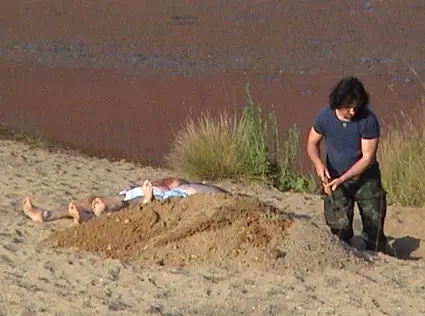 Joseph Schwab
Murderer · Australia · 1987
Joseph Schwab was a German man who murdered five tourists in the Northern Terri…
5 victims
Joseph Schwab
Murderer · Australia · 1987
Joseph Schwab was a German man who murdered five tourists in the Northern Terri…
5 victims
 Lindsay Robert Rose
Murderer · Australia · 1984
Lindsay Robert Rose was sentenced to five consecutive sentences of life impriso…
5 victims
Lindsay Robert Rose
Murderer · Australia · 1984
Lindsay Robert Rose was sentenced to five consecutive sentences of life impriso…
5 victims
 Keith Faure
Murderer · Australia · 1976
Keith George Faure was born in June 1951. He was an Australian career criminal…
4 victims
Keith Faure
Murderer · Australia · 1976
Keith George Faure was born in June 1951. He was an Australian career criminal…
4 victims
 Samuel Leonard Boyd
Murderer · Australia · 1982
Samuel Leonard Boyd was sentenced to 5 consecutives sentences of life imprisonm…
4 victims
Samuel Leonard Boyd
Murderer · Australia · 1982
Samuel Leonard Boyd was sentenced to 5 consecutives sentences of life imprisonm…
4 victims
 Lawrence Smith
Murderer · USA · 1999
Lawrence Smith was convicted of first-degree murder and attempted first-degree…
1 victim
Lawrence Smith
Murderer · USA · 1999
Lawrence Smith was convicted of first-degree murder and attempted first-degree…
1 victim
 Virginia Sims
Murderer · USA · 2011
Virginia Sims was a 47-year-old South Georgia woman who pleaded guilty in conne…
1 victim
Virginia Sims
Murderer · USA · 2011
Virginia Sims was a 47-year-old South Georgia woman who pleaded guilty in conne…
1 victim
 Udo Proksch
Mass murderer · Indian Ocean · 1977
Udo Proksch was an Austrian businessman and industrialist. He was convicted of…
6 victims
Udo Proksch
Mass murderer · Indian Ocean · 1977
Udo Proksch was an Austrian businessman and industrialist. He was convicted of…
6 victims
 Bobby Glen Cook
Murderer · USA · 1993
Bobby Glen Cook was convicted of capital murder involving Edwin Earl Holder. ·…
1 victim
Bobby Glen Cook
Murderer · USA · 1993
Bobby Glen Cook was convicted of capital murder involving Edwin Earl Holder. ·…
1 victim
 Jesus Aguilera
Serial killer · USA · 1981
Jesus Aguilera was a convict serving time for two murders that occurred in New…
3 victims
Jesus Aguilera
Serial killer · USA · 1981
Jesus Aguilera was a convict serving time for two murders that occurred in New…
3 victims
- Gender
- male
- Country
- Australia
- Location
- Fairlight, New South Wales, Australia
- Date of birth
- 1941
- Age at first offence
- 45
- Characteristics
- parricide, murder-for-hire
- Victim profile
- Megan Kalajzich (his wife)
- Method of murder
- Shooting ( cut-down .22 caliber rifle)
- Date(s) of murder
- January 27, 1986
- Years active
- 1986
- Date of arrest
- February 14, 1986
- Status
-
Released
Sentenced to life in prison on May 27, 1988; Released on February 8, 2012
Case record
Andrew Kalajzich was convicted in relation to the murder of his wife, Megan Kalajzich, and was later released on parole after serving a non-parole period.
Status and release
Kalajzich was sentenced to penal servitude for 14 years, 12 years and life imprisonment on the respective charges on May 27, 1988. He was released on February 8, 2012.
The offence
Megan Kalajzich was shot twice through the head as she slept beside her husband in Fairlight, Sydney, Australia, at about 1am on 27 January 1986.
The shooting occurred at the Kalajzich home in Fairlight. Police evidence later described additional details of the shooting, including that two more bullets were fired into his pillow.
Franciscus Wilhelmus Vandenberg entered the master bedroom, aimed a rifle at Megan Kalajzich's head and fired two shots into her head. After Andrew Kalajzich rolled off the bed, Vandenberg shot twice into the space where his head had been and then escaped.
Kalajzich claimed that a gunman had broken into the family’s home and murdered Megan while Kalajzich was sleeping beside her.
Background
Andrew Kalajzich was born in 1941 to Yugoslav migrants. He entered his family's prosperous fish and chip shop business and built and owned the Manly Pacific International hotel in the 1970s. The Manly Pacific International Hotel was opened by then premier Neville Wran in December 1982.
Kalajzich was president of Manly’s chamber of commerce and a member of the NSW Tourism Commission.
Megan Kalajzich was Andrew Kalajzich’s wife. Their children included Andrew junior and Michelle.
Investigation
The assault on Megan Kalajzich at a separate time preceded the murder. On January 11, 1986, Megan Kalajzich returned home to 31 Fairlight Crescent and was approached by a man hooded with a balaclava who put a rifle to her head. The rifle failed to discharge. The gunman struck her on the back of the head with the rifle and she fell down a flight of steps.
Sergeant Bob Inkster handled the murder investigation.
The investigation included issues about attempts to communicate with Kalajzich while he was in custody and the surrender of a typewriter connected to a letter of endearment by Marlene Watson.
Arrest
Kalajzich was arrested on February 14. He was arrested along with Bill Vandenberg and other co-accused, including Warren Elkins and Kerry Orrock, as part of the investigation into Megan Kalajzich’s murder and related allegations.
Charges and indictments
Kalajzich was charged with the murder of Megan Kalajzich and conspiracy to murder.
He was later charged with conspiracy to murder and additional allegations relating to attempting to discharge a loaded gun with intent to murder, and with conspiracy to pervert the course of justice.
The prosecution against Kalajzich included allegations that he arranged the murder and that he paid hitman Bill Vandenberg $20,000 to shoot Megan.
Trial
Trials took place in March to May 1988 for Andrew Kalajzich and Kerry Orrock.
At trial, the Supreme Court jury convicted Kalajzich of murdering Megan, conspiring to murder her, and attempting to discharge a loaded firearm with intent to murder.
A narrative given during the trial included Vandenberg’s account of entering the bedroom, standing beside the bed, aiming a rifle at Megan’s head and pulling the trigger, and that he fired two shots into Megan’s head and two into her husband’s pillow after the latter rolled off the bed.
The jury found Kalajzich guilty of her murder. Kalajzich protested his innocence, including the claim that somebody broke into his family’s home and murdered his wife.
Sentencing
On May 27, 1988, Justice Maxwell sentenced Andrew Kalajzich to penal servitude for 14 years, 12 years and life imprisonment on the respective charges.
Kerry Orrock received penal servitude for 12 years, 10 years and life imprisonment respectively on the same charges.
Bill Vandenberg was sentenced to life in prison. Vandenberg committed suicide in prison in May 1988.
In late 1993, Kalajzich was stabbed in Lithgow Prison.
In November 1996, Kalajzich and Kerry Orrock’s sentences were reviewed under truth-in-sentencing legislation. Kalajzich was sentenced to 28 years with a non-parole period of 25 years, and Orrock was released on the condition he gave evidence against Kalajzich in further charge of conspiracy to pervert justice. The charge eventually dismissed.
Appeals
Kalajzich lodged an appeal against his conviction in early 1989. His appeal was dismissed on April 13, 1989.
Later in 1989, the High Court refused his application for special leave to appeal on November 8, 1989.
In 1991, Kalajzich applied to the Supreme Court for a judge to direct an inquiry. In 1992, the application was dismissed as “fantasy,” with Justice Grove declining to direct an inquiry into Kalajzich’s convictions.
Inquiry into conviction
A judicial inquiry into Kalajzich’s conviction occurred, headed by Justice John Slattery, with the conclusion that there were no doubts about his guilt.
On May 20, 1995, the Slattery Report concluded that from the evidence and the material presented to the inquiry, there was “no doubt” about the guilt of Andrew Kalajzich.
The inquiry-related narrative included an attempt by George Canellis and Warren Elkins to stay the inquiry because of lack of legal aid (Procedural Fairness) which failed. The inquiry was referred to as proceeding in November 1993 and continuing through November 1994.
Parole proceedings and conditions
The State Parole Authority announced in January 2012 that Kalajzich would be released on parole.
He was granted release by the State Parole Authority, with a further two-week period prior to formal release on parole.
The Serious Offenders Review Council described him as a model prisoner, including demonstrating excellent progress in education programs and a strong employment history while in jail. The council, along with the Probation and Parole Service, supported his release.
No submissions from the public or other interested parties were received by the parole authority challenging the expressed intention to release him.
Kalajzich was to be subject to strict parole conditions for three years and was not allowed to own guns or travel overseas without permission. If directed, he had to undertake psychological counselling.
Outcome
Kalajzich was released on parole on February 8, 2012, after serving 25 years in prison, and he continued to maintain that he was innocent of the charges.
Aftermath
Kalajzich and his children maintained that he was innocent.
Media Lindsay Simpson wrote My Husband My Killer: the murder of Megan Kalajzich, co-authored with Sandra Harvey, about the case. It was made into a telemovie starring Colin Friels in 2001.
The Megan Kalajzich murder was the focus of the Crime Investigation Australia season 1 episode “Contract to Kill”.
Timeline
- 27 January 1986 — Megan Kalajzich was murdered at her Fairlight home; she was shot twice through the head as she slept beside her husband.
- 1 February 1986 — Megan Kalajzich’s funeral.
- 14 February 1986 — Andrew Kalajzich, Bill Vandenberg, Warren Elkins and Kerry Orrock were arrested; Andrew Kalajzich was charged with murder and conspiracy to murder.
- 11 July 1986 — Andrew Kalajzich's lover Marcellina Iurman gave details of their relationship and aborted wedding.
- 25 July 1986 — Andrew Kalajzich was discharged on all charges against him; Elkins, Orrock and Vandenberg were committed for trial.
- 17 December 1986 — Warren Elkins was charged with conspiracy to murder Mr Vandenberg and conspiracy to pervert the course of justice.
- 18 December 1986 — By order of the Attorney General, an ex-officio indictment was preferred against Andrew Kalajzich for the murder of Megan Kalajzich.
- 19 December 1986 — Andrew Kalajzich was granted bail by the Supreme Court.
- 21 February 1987 — The Attorney General granted Mr Elkins immunity from prosecution in relation to charge of conspiracy to murder Mr Vandenberg and conspiracy to pervert the course of justice on the basis that he would actively co-operate and give truthful evidence for the prosecution against Andrew Kalajzich and others.
- 2 March 1987 — Andrew Kalajzich was charged with conspiracy to murder Mr Vandenberg and conspiracy to pervert the course of justice; bail was refused.
- 22 March 1987 — The Attorney General ordered a further ex-officio indictment to be presented against Andrew Kalajzich for conspiracy to murder and the attempted murder of Megan Kalajzich.
- 15 May 1987 — Mr Elkins pleaded guilty to conspiracy to murder; Mr Vandenberg pleaded guilty to murder and conspiracy to murder and with an attempt to discharge a loaded gun at Megan Kalajzich with intent to murder.
- 22 May 1987 — Mr Elkins was sentenced to penal servitude for ten years with a non-parole period of 5 years to date from 21 November 1986.
- 28 May 1987 — Vandenberg was sentenced to life imprisonment for the murder and to concurrent term sentences in respect of the two other charges.
- 12 August 1987 — Andrew Kalajzich was discharged in relation to the charge of conspiracy to murder Bill Vandenberg, but was committed for trial on the charge of conspiracy to pervert the course of justice.
- 22 October 1987 — Andrew Kalajzich and Kerry Orrock were committed for trial.
- 9 March 1988 — Andrew Kalajzich and Kerry Orrock were jointly indicted on charges including conspiracy to murder Megan Kalajzich, attempted discharge of a loaded gun at Megan Kalajzich with intent to murder, and murder of Megan Kalajzich.
- 25 May 1988 — The jury found both men guilty of the respective charges.
- 27 May 1988 — Justice Maxwell sentenced Andrew Kalajzich to penal servitude for 14 years, 12 years and life imprisonment on the respective charges.
- 6 February 1989 — Andrew Kalajzich's appeal began in front of Justice Yeldham.
- 13 April 1989 — Andrew Kalajzich's and Kerry Orrock's appeals were dismissed.
- 8 November 1989 — The High Court of Australia refused Andrew Kalajzich's application for special leave to appeal.
- 18 September 1992 — Justice Grove dismissed the Application for Inquiry as “fantasy” and “far reaching”.
- 20 May 1995 — The Slattery Report concluded that from the evidence and the material presented to the inquiry, there was “no doubt” about the guilt of Andrew Kalajzich.
- 27 May 1988 — Sentenced to penal servitude for 14 years, 12 years and life imprisonment; (reiterated within sentencing chronology).
- October 1998 — The appeal against the sentence for Kalajzich failed.
- November 1996 — Andrew Kalajzich and Kerry Orrock’s sentences were reviewed under truth-in-sentencing legislation; Kalajzich was sentenced to 28 years with a non-parole period of 25 years.
- 25 January 2012 — It was announced that Kalajzich would be released on parole.
- 8 February 2012 — Kalajzich was released on parole.
Other details
Kalajzich was incarcerated and pleaded not guilty during a trial described as having taken place over an 11-week period.
At the 1987 trial, Kalajzich’s solicitor was identified as Mr John Webb, and Justice Maxwell was identified as the sentencing judge.
During the inquiry and parole-related discussion, the broadcaster Alan Jones and researcher Tim Barton were involved in lobbying and research activity.
In 2005, Kalajzich offered to donate one of his kidneys “to give an opportunity to a person suffering from a life-threatening condition a chance of a new life” but the offer was rejected by then attorney-general Bob Debus; a spokesman for the minister said:
“Mr Kalajzich regularly writes to the minister’s office with interesting proposals,” a spokesman for the minister said. “As in the past, we are unable to give this proposal further consideration.”
Long-time Kalajzich supporter radio broadcaster Alan Jones commented during his show. Alan Jones said:
"The convicted murderer Andrew Kalajzich will be released from jail on parole today. “He has served 25 years and one month for the murder of his wife Megan 26 years ago. “She was shot as he slept in her bed beside him. “Bullets were also fired into his pillow. “Various people later testified that Kalajzich had arranged the murder, supposedly because he was having an affair. “Only one of those people ever claimed to have spoken directly to Kalajzich, and that person received a reduced sentence for giving evidence against him. “No one in Kalajzich's family, including his wife's mother, who lived with the family in the house where Megan was shot dead, ever believed Kalajzich was guilty of the crime. “He is now 71. The Serious Offenders Review Council has described him as a model inmate. He'll be released on parole from jail today.”
A family spokeswoman Pippa Kay said:
''They have always absolutely believed in him, and his innocence … if there was any doubt you would think [his children] would have it, but they never have,'' said family spokeswoman Pippa Kay.
A separate quoted statement attributed to Alan Jones said:
"my programme ran a long and detailed documentation on why the Kalajzich affair should be reopened last year. I ran that for two weeks and why I arranged there was serious doubt, very serious doubt about Mr Kalajzich's guilt about why things that should have been presented at the Kalajzich trial weren't. Well for now I simply ask this. Why would Kalajzich be stabbed? … Is Kalajzich a risk? If the appeal process is reopened and the case is reopened are certain people at risk? And is the system being used to prevent that risk from materialising? "
Spotted an error, or have more information about this case?