Peter Shoobridge
Mass murderer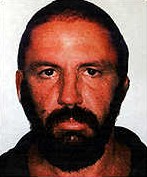 Robert Paul Long
Mass murderer · Australia · 2000
Robert Paul Long was an itinerant fruit-picker who lived in Australia and was d…
15 victims
Robert Paul Long
Mass murderer · Australia · 2000
Robert Paul Long was an itinerant fruit-picker who lived in Australia and was d…
15 victims
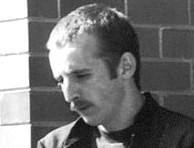 Julian Knight
Mass murderer · Australia · 1987
Julian Knight was a 19-year-old former Australian Army officer cadet who was ar…
7 victims
Julian Knight
Mass murderer · Australia · 1987
Julian Knight was a 19-year-old former Australian Army officer cadet who was ar…
7 victims
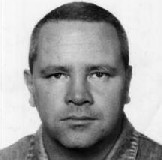 Wade Frankum
Mass murderer · Australia · 1991
Wade Frankum Committed suicide by shooting himself the same day; in 1991 Wade F…
7 victims
Wade Frankum
Mass murderer · Australia · 1991
Wade Frankum Committed suicide by shooting himself the same day; in 1991 Wade F…
7 victims
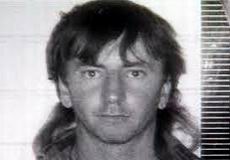 William Patrick Mitchell
Mass murderer · Australia · 1993
William Patrick Mitchell, also known as “Bill Mitchell,” committed the Greenoug…
4 victims
William Patrick Mitchell
Mass murderer · Australia · 1993
William Patrick Mitchell, also known as “Bill Mitchell,” committed the Greenoug…
4 victims
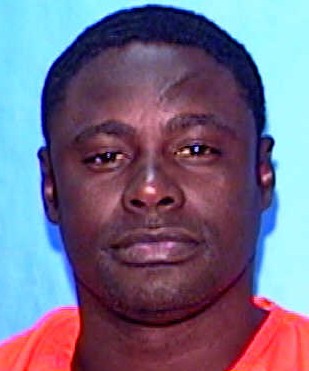 Michael Coleman
Murderer · 1998
Name: Michael Coleman Date of birth: 07/24/61 Jurisdiction: First Judicial Circ…
4 victims
Michael Coleman
Murderer · 1998
Name: Michael Coleman Date of birth: 07/24/61 Jurisdiction: First Judicial Circ…
4 victims
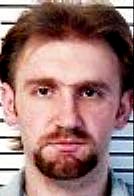 Jackie Lee Willingham
Murderer · USA · 1994
Jackie Lee Willingham was executed by lethal injection in Oklahoma on July 24,…
1 victim
Jackie Lee Willingham
Murderer · USA · 1994
Jackie Lee Willingham was executed by lethal injection in Oklahoma on July 24,…
1 victim
 Faryion Wardrip
Serial killer · USA · 1984
Name: Faryion Wardrip · TDCJ Number: 999331 · Full name: Wardrip, Faryion Edwar…
5 victims
Faryion Wardrip
Serial killer · USA · 1984
Name: Faryion Wardrip · TDCJ Number: 999331 · Full name: Wardrip, Faryion Edwar…
5 victims
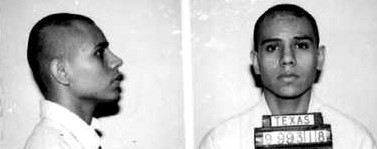 Michael Anthony Lopez
Homicide · USA · 1998
Name: Michael Anthony Lopez · TDCJ Number: 999318 · Date of Birth: 4/28/1981 ·…
1 victim
Michael Anthony Lopez
Homicide · USA · 1998
Name: Michael Anthony Lopez · TDCJ Number: 999318 · Date of Birth: 4/28/1981 ·…
1 victim
 Michael Alig
Murderer · USA · 1996
Michael Alig was the offender. · “Angel” Melendez was the victim. Michael Alig…
1 victim
Michael Alig
Murderer · USA · 1996
Michael Alig was the offender. · “Angel” Melendez was the victim. Michael Alig…
1 victim
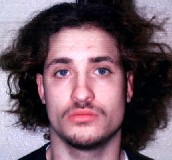 Eduardo Santiago
Murderer · USA · 2000
Eduardo Santiago was sentenced to death on January 31, 2005 after a jury convic…
1 victim
Eduardo Santiago
Murderer · USA · 2000
Eduardo Santiago was sentenced to death on January 31, 2005 after a jury convic…
1 victim
- Gender
- male
- Country
- Australia
- Location
- Hobart, Tasmania, Australia
- Date of birth
- 1944
- Age at first offence
- 53
- Characteristics
- parricide
- Victim profile
- H is four daughters, Rebecca, 18; Anna, 14; Sara, 12, and Georgiana, 9
- Method of murder
- Cutting their throats
- Date(s) of murder
- June 26, 1997
- Years active
- 1997
- Date of arrest
- —
- Status
-
Died in custody
Committed suicide by shooting himself the same day Peter Shoobridge was a quiet, wealthy man
Case record
Background
Peter Shoobridge was described as “a quiet, wealthy man.” He was a published poet and restored antiques. He lived on an idyllic country estate and lived by himself. A neighbor, Kevin Nykiel, said: “He was a hard working bloke, who didn't smoke or drink, and he lived by himself. This is just unreal.”
The case narrative stated that Shoobridge had no history of mental illness and gave no clues that he was planning the quadruple murder and his own mutilation and suicide. It also described him as the son of a wealthy farming family and an accomplished poet.
Shoobridge dedicated his 1992 book of poetry, “A Bush Wedding,” to “my ever caring and supportive wife and four beautiful daughters, who provide all the beauty a human being could ever wish to have.”
The narrative included additional background about Shoobridge’s father, described as a “well know nutcase on a little island off the coast of Tasmania,” called Bruny Island. It stated his nickname was the “Bruny Island Bomber” because of his love for the Essendon Bombers Football Team.
The offence
On a Sunday, during the “quiet pre dawn hours,” Peter Shoobridge slit the throats of his four daughters and left them to die gurgling in a pool of their own blood. The daughters’ ages were 9, 12, 14 and 18. They were sleeping in their beds.
The narrative stated that only the eldest daughter awoke in time to offer resistance, but Shoobridge paid no heed. When found, she had slash marks across both hands described as “defense wounds.”
After killing his daughters, Shoobridge chopped off his own right hand with an axe and then blew his brains out. The narrative stated that he then summoned the police to clean up the mess.
Investigation
The narrative stated that police were “still baffled” as to why Shoobridge went berserk. Police suspected that a recent separation from his wife, Wendy, who “retained the custody of his daughters,” had something to do with the massacre.
Arrest
Shoobridge called police emergency services and reported a murder suicide at his own address.
Trial
No trial information was provided.
Sentencing
No sentencing information was provided.
Appeals
No appeal information was provided.
Outcome
Peter Shoobridge committed suicide on the same day as the events described, shooting himself. The narrative stated: he picked up his .22 caliber rifle and “blew his brains around the backyard.” It also stated he “mailed explanations for his shocking deed to relatives before offing himself.”
Shoobridge mailed letters to relatives relating that he did not want his girls to continue living in this “troubled world.” He drove to nearby Cambridge, described as the closest town, before mailing the letters. He then returned home.
Aftermath
The narrative stated that police cleaned up the mess after Shoobridge summoned them.
A reference was included that “the bodies” were left to die, and the narrative described a “pool of their own blood.”
The narrative also included mention of a picture of Shoobridge’s body on the front page of the local paper “on the morning following Shoobridge's little family slaughter.” It stated that it was from a distance but “quite clearly his corpse.”
Other details
Shoobridge reported a murder suicide at his own address.
Shoobridge went out to his furniture restoration workshop and chopped his right hand off.
Shoobridge’s separation from his wife Wendy was described as recent, with Wendy retaining custody of the daughters.
The narrative included quoted dedication text from Shoobridge’s 1992 book “A Bush Wedding” and included the neighbor’s quote: “He was a hard working bloke, who didn't smoke or drink, and he lived by himself. This is just unreal.”
The narrative stated that Shoobridge’s father had made his own coffin, showed it to visitors, and requested that when he died “he must have his head facing toward Windy Hill, the home of the Essendon Football Club.”
Friends of unknown identity who ran a local bookshop were described as remembering Shoobridge trying to sell copies of his poems, taking five copies and never selling one, and then having to take them back.
The narrative included informal commentary and additional expository text not presented as official findings.
Spotted an error, or have more information about this case?