Walter Di Giusti
Murderer Carlos Monzón
Murderer · Argentina · 1988
Carlos Monzón (August 7, 1942 – January 8, 1995) was an Argentine professional…
1 victim
Carlos Monzón
Murderer · Argentina · 1988
Carlos Monzón (August 7, 1942 – January 8, 1995) was an Argentine professional…
1 victim
 Juan Moreira
Murderer · Argentina · 1856
Juan Moreira (? - April, 1874) was a well-known figure in the history of Argent…
16 victims
Juan Moreira
Murderer · Argentina · 1856
Juan Moreira (? - April, 1874) was a well-known figure in the history of Argent…
16 victims
 Yiya Murano
Murderer · Argentina · 1979
Yiya Murano (born May 20, 1930) was an Argentine murderer and swindler, known a…
3 victims
Yiya Murano
Murderer · Argentina · 1979
Yiya Murano (born May 20, 1930) was an Argentine murderer and swindler, known a…
3 victims
 Mario Cesar Frieiro
Murderer · Argentina · 1998
Mario Cesar Frieiro was an Argentine murderer. Frieiro had a discussion with hi…
1 victim
Mario Cesar Frieiro
Murderer · Argentina · 1998
Mario Cesar Frieiro was an Argentine murderer. Frieiro had a discussion with hi…
1 victim
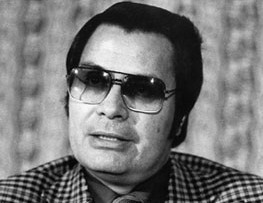 Jim Jones
Murderer · Guyana · 1978
James Warren "Jim" Jones (May 13, 1931 – November 18, 1978) was the American fo…
900 victims
Jim Jones
Murderer · Guyana · 1978
James Warren "Jim" Jones (May 13, 1931 – November 18, 1978) was the American fo…
900 victims
 Dr. Wouter Basson
Murderer · 1992
Wouter Basson (born July 6, 1950) was a South African cardiologist and the form…
230 victims
Dr. Wouter Basson
Murderer · 1992
Wouter Basson (born July 6, 1950) was a South African cardiologist and the form…
230 victims
 Robert Kosilek
Murderer · USA · 1990
Robert Kosilek was convicted of first-degree murder for the death of his wife,…
1 victim
Robert Kosilek
Murderer · USA · 1990
Robert Kosilek was convicted of first-degree murder for the death of his wife,…
1 victim
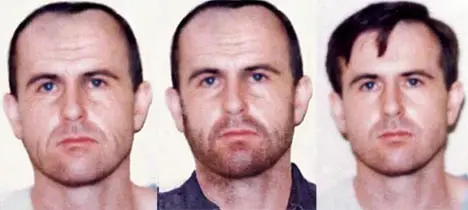 James Francis Hurley
Murderer · United Kingdom · 1988
James Francis Hurley (born circa 1966) was an English convicted murderer and lo…
1 victim
James Francis Hurley
Murderer · United Kingdom · 1988
James Francis Hurley (born circa 1966) was an English convicted murderer and lo…
1 victim
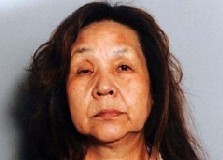 Miyoko Sumida
Serial killer · Japan · 2003
Miyoko Sumida was a Japanese serial killer who killed six people in a case invo…
6 victims
Miyoko Sumida
Serial killer · Japan · 2003
Miyoko Sumida was a Japanese serial killer who killed six people in a case invo…
6 victims
- Gender
- male
- Country
- Argentina
- Location
- Rosario, Santa Fe, Argentina
- Date of birth
- 1962
- Age at first offence
- 24
- Characteristics
- robbery
- Victim profile
- Ángela Cristofanetti de Barroso, 86, and her adopted daughter, Noemí, 31 / Belia Delia Zulema Ramírez, 76; Josefa Páez, 80, and Fermina Godoy, 33
- Method of murder
- Shooting - Stabbing with knife
- Date(s) of murder
- October 31/November 7, 1986
- Years active
- 1986
- Date of arrest
- August 26, 1987
- Status
-
Acquitted / overturned
Sentenced to life imprisonment on August 24, 1987; sentenced later reduced to 25 years on May 1996 and to 24 years and seven months in August 1997; later placed under house arrest; police exoneration decree issued on May 19, 1998; sent back to prison on June 3, 1998; died on June 12, 1998
Name
Walter Di Giusti (also written DeGiusti)
Background
Walter Di Giusti was known for killing Fito Páez's grandmothers and three other women. He studied in Dante Alighieri High School, where he met Páez. Di Giusti played the bass in a metal band, while Páez played the piano and lived with his father and grandmothers. They were like his adoptive moms, since Páez's mother, Margarita Zulema Ávalos, a piano soloist, died when he was eight months old.
The offence
The series of murders started on October 31, 1986, when Di Giusti, 23 years old, accompanied by his 18 year old brother, Carlos Manuel Di Giusti, entered a house with the excuse of doing some plumbing work at 1081 Garay street, where he hit and stabbed two women to death:
- Ángela Cristofanetti de Barroso (86 years old)
- Noemí (31), her adopted daughter
One week later, on November 7, 1986, at 681 Balcarce street, the Di Giusti brothers shot and stabbed four people:
- Belia Delia Zulema Ramírez, 76 years old (Páez paternal grandmother)
- Josefa Páez, 80 years old (paternal great-aunt)
- Fermina Godoy, a 33 year old domestic worker of the house who was pregnant
It was believed that Di Giusti knew their victims and frequented their houses.
Investigation
On December 4, 1986, a month later, Di Giusti, as he was a police agent, went to the substation in Pueblo Esther, 15 km to the South of Rosario. It took police almost a year to solve the crimes.
Di Giusti was given away by a transvestite of the area, who wore a necklace that belonged to Páez grandmothers and declared to an undercover agent that it had been given to her by her boyfriend Walter.
Arrest
Next day, police broke into the house of Di Giusti family. They lived at 2130 Güemes, some blocks away from Páez family. The first thing they found was the engraver Fito Páez gave some time ago to his grandmother Belia.
Trial
Court found Walter Di Giusti guilty of five assassinations. During the trial it was evident that Di Giusti was a frustrated bass player that showed an envious attitude towards Fito Páez. In front of judge Benjamín Ávalos, Di Giusti confessed his authorship in the five crimes.
On August 24, 1987, judge Ávalos sentenced him to life imprisonment in Coronda city (provincia de Santa Fe). His brother, Carlos Manuel Di Giusti, was under probation due to his participation in the event. He was being followed by Rosario police, they considered him dangerous.
Sentencing and later legal status
Once Di Giusti was confined in jail, he got a compulsory retirement off police: he kept receiving a 70 percent of his salary during six years, until November, 1993.
Nine years after he was convicted, on May, 1996, Di Giusti's defense appealed and the sentence was reduced to 25 years. In August, 1997, defense, again, required a commutation and obtained a benefit that lowered the sentenced to 24 years and seven months.
Finally, taking into consideration that he had been infected with AIDS in jail, his defense requested the home confinement. After the check-ups, forensics informed judge Lurá that ex policeman was virtually blind. This was decisive so that the magistrate stipulated house arrest.
Aftermath
A year later, a neighbor of ex judge Benjamín Ávalos, who sentenced Di Giusti in 1987, and was now retired, told him that Walter Di Giusti wandered around the streets of Rosario and usually went to a bar in a northeast corner of San Luis and Balcarce streets. Ávalos talked to the bar's owner. He asked if it was true that Di Giusti had been there, and the owner told him that he went everyday. He also mentioned that the convicted man even boasted about having served the sentence.
Some other people saw him driving a yellow Fiat 600 car, in spite of his house arrest due to alleged blindness. After verifying these irregularities, judge Ávalos got in touch with judge Lurá and told him everything.
On May 19, 1998, provincial government made a decree exonerating Di Giusti from police and asked district attorney to force Di Giusti to give back all the money he had earned.
On May 27, 1998, at 5:45 pm, Lurá could prove that Di Giusti was not at home, which meant he had violated the rules of home confinement.
On June 3, 1998, at 12:30 pm, given the order by judge Efraín Lurá, Di Giusti was sent to prison to serve the sentence the way it was supposed to be. The magistrate based the decision on a medical report which ruled that ex policeman was compensated and did not showed foreseeable treatable complications.
But on June 8, Di Giusti had a fainting and he was admitted in a hospital in Granadero Baigorria. On June 10, he was taken to Sanatorio Americano (in Rosario), where he passed away on June 12, 1998.
Timeline
- October 31, 1986 — Di Giusti, aged 23, and his brother Carlos Manuel Di Giusti entered a house at 1081 Garay street and hit and stabbed Ángela Cristofanetti de Barroso (86) and her adopted daughter Noemí (31) to death
- November 7, 1986 — At 681 Balcarce street, Di Giusti and his brother shot and stabbed Belia Delia Zulema Ramírez (76), Josefa Páez (80), and Fermina Godoy (33, pregnant)
- December 4, 1986 — Di Giusti went to the substation in Pueblo Esther, 15 km to the South of Rosario
- August 24, 1987 — Judge Benjamín Ávalos sentenced Walter Di Giusti to life imprisonment in Coronda city (provincia de Santa Fe)
- November 1993 — Di Giusti kept receiving a 70 percent salary until this time following compulsory retirement from police
- May 1996 — Di Giusti's defense appealed and the sentence was reduced to 25 years
- August 1997 — A commutation reduced the sentenced to 24 years and seven months
- May 19, 1998 — Provincial government issued a decree exonerating Di Giusti from police and asked district attorney to force him to give back all the money he had earned
- May 27, 1998 — At 5:45 pm, judge Lurá proved Di Giusti was not at home, indicating a violation of home confinement
- June 3, 1998 — At 12:30 pm, Di Giusti was sent to prison to serve the sentence
- June 8, 1998 — Di Giusti had a fainting and was admitted in a hospital in Granadero Baigorria
- June 10, 1998 — Di Giusti was taken to Sanatorio Americano in Rosario
- June 12, 1998 — Walter Di Giusti passed away
Other details
- Di Giusti confessed in front of judge Benjamín Ávalos.
- Police broke into the Di Giusti family home at 2130 Güemes and found an engraver that Fito Páez had given to his grandmother Belia.
- Di Giusti's brother, Carlos Manuel Di Giusti, was under probation due to participation and was being followed by Rosario police because they considered him dangerous.
- Fito Páez met Di Giusti at Dante Alighieri High School; Páez lived with his father and grandmothers; his mother Margarita Zulema Ávalos died when Páez was eight months old.
- A transvestite of the area provided information after wearing a necklace belonging to Páez grandmothers that she said had been given to her by her boyfriend Walter.
- During home confinement, Di Giusti was said to be virtually blind after forensics informed judge Lurá.
- Judge Ávalos and judge Lurá coordinated after alleged irregularities connected to Di Giusti visiting a bar and being seen driving a yellow Fiat 600 car.
- A medical report was used to decide that ex policeman was compensated and did not show foreseeable treatable complications.

Spotted an error, or have more information about this case?