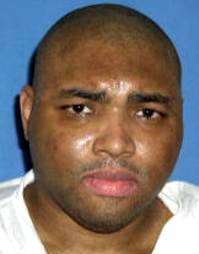
Jermaine Herron
Murderer Russell Ellwood
Murderer · USA · 1991
Russell Ellwood was a former taxi driver. Authorities suspected him of killing…
20 victims
Russell Ellwood
Murderer · USA · 1991
Russell Ellwood was a former taxi driver. Authorities suspected him of killing…
20 victims
 Robert Martines Perez
Murderer · USA · 1994
Name: Robert Martines Perez · Other name used in proceedings: Robert Martinez P…
15 victims
Robert Martines Perez
Murderer · USA · 1994
Name: Robert Martines Perez · Other name used in proceedings: Robert Martinez P…
15 victims
 Billy Frank Vickers
Murderer · USA · 1993
Billy Frank Vickers Vickers was executed by lethal injection in Texas on Januar…
14 victims
Billy Frank Vickers
Murderer · USA · 1993
Billy Frank Vickers Vickers was executed by lethal injection in Texas on Januar…
14 victims
 Alexander Letkemann
Murderer · USA · 2007
Alexander Letkemann was 18 years old. He of Westland. Jean Pierre Orlewicz was…
1 victim
Alexander Letkemann
Murderer · USA · 2007
Alexander Letkemann was 18 years old. He of Westland. Jean Pierre Orlewicz was…
1 victim
 Paul Merhige
Mass murderer · USA · 2009
Paul Merhige was held without bail and remained in prison awaiting trial. · 200…
4 victims
Paul Merhige
Mass murderer · USA · 2009
Paul Merhige was held without bail and remained in prison awaiting trial. · 200…
4 victims
 Daren Lee Bolton
Murderer · USA · 1982
Name: Daren Lee Bolton · June 27, 1986 — Bolton kidnapped the 2 1/2-year-old vi…
2 victims
Daren Lee Bolton
Murderer · USA · 1982
Name: Daren Lee Bolton · June 27, 1986 — Bolton kidnapped the 2 1/2-year-old vi…
2 victims
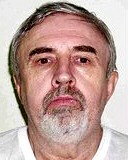 James Bryant Hudson
Murderer · USA · 2002
James Bryant Hudson was 57 at the time of execution and was pronounced dead at…
3 victims
James Bryant Hudson
Murderer · USA · 2002
James Bryant Hudson was 57 at the time of execution and was pronounced dead at…
3 victims
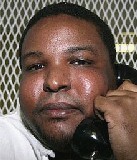 Robert Lee Thompson
Murderer · USA
December 5, 1996 — Robert Lee Thompson and Sammy Butler entered a 7-Evenings fo…
3 victims
Robert Lee Thompson
Murderer · USA
December 5, 1996 — Robert Lee Thompson and Sammy Butler entered a 7-Evenings fo…
3 victims
 Lyndsey Fiddler
Homicide · USA · 2010
Lyndsey Fiddler (also named Lyndsey Dawn Fiddler), 27, was the mother of Maggie…
1 victim
Lyndsey Fiddler
Homicide · USA · 2010
Lyndsey Fiddler (also named Lyndsey Dawn Fiddler), 27, was the mother of Maggie…
1 victim
- Gender
- male
- Country
- USA
- Location
- Refugio County, Texas, USA
- Date of birth
- January 13, 1979
- Age at first offence
- 18
- Characteristics
- robbery, arson
- Victim profile
- Betsy Nutt, 41, and her son Cody , 15
- Method of murder
- Shooting (9 mm pistol)
- Date(s) of murder
- June 26, 1997
- Years active
- 1997
- Date of arrest
- 3 days after
- Status
-
Executed
Executed by lethal injection in Texas on May 17, 2006
Case information
- Defendant: Jermaine Herron
- Gender: Male
- Race: Black
- Age: 27 (executed); 18 when he committed the capital crime
- Education: 10 years
- Occupation: ranch helper, painter, laborer
- Physical description: Hair color Black; eye color Brown; height 5 ft 11 in; weight 220
- County of conviction: Refugio County
- County: Refugio County
- Date of offense: 06/26/1997
- Texas Attorney General media advisory: Jermaine Herron was scheduled for execution after 6 p.m. Wednesday, May 17, 2006.
Timeline
- Aug. 8, 1997 — A Refugio County grand jury indicted Heron.
- June 25, 1997 — Appellant and Derrick Frazier paid a visit to the Lucich residence to see whether Mr. Lucich had any work for them; they later discussed plans to burglarize the Lucich residence, steal guns, and steal Ms. Nutt's truck.
- June 25, 1997 (around 4 p.m.) — Appellant, Frazier, and Michael Brown drove to a roadside park from which the ranch could be viewed to discuss the details of the plan.
- June 25, 1997 (around 9:00 p.m.) — Crystal Mascorro drove appellant, Frazier, and Brown to Trey Johnson's house, where appellant picked up a .22-caliber rifle; Mascorro then drove them to the entrance of the Lucich ranch and dropped them off.
- June 26, 1997 (early morning hours) — Appellant and Frazier convinced Brown to drive them back to the Lucich ranch to complete the burglary.
- June 26, 1997 (around 7:30 a.m.) — The Luciches left; appellant and Frazier entered the trailer.
- June 26, 1997 (around 2 p.m.) — Betsy Nutt pulled up to her trailer in her truck; appellant and Frazier asked to use the phone; they forced Betsy and her son to get on their knees and shot each of them in the head twice.
- June 29, 1997 — After a warrant was issued for appellant’s arrest, he contacted Captain Willie Brown of the Refugio County Sheriff's Office and surrendered himself to Brown at Brown's home.
- April 28, 1999 — Appellant was found guilty of capital murder; after a separate punishment hearing, he was sentenced to death.
- October 9, 2002 — Herron’s conviction and sentence were affirmed on direct appeal by the Texas Court of Criminal Appeals.
- Nov. 13, 2002 — The Court of Criminal Appeals denied Herron’s application for state habeas relief.
- Jan. 5, 2002 — Herron filed a petition for writ of habeas corpus in a U.S. district court.
- Mar. 24, 2005 — The federal district court denied habeas relief.
- Dec. 14, 2005 — The 5th U.S. Circuit Court of Appeals denied Herron a certificate of appealability.
- Jan. 18, 2006 — The trial court entered an order setting the execution date for May 17, 2006.
- Mar. 8, 2006 — Herron petitioned the U.S. Supreme Court for certiorari review; petition was still pending.
- Mar. 8, 2006 — Herron asked the Supreme Court for a stay of execution.
- May 17, 2006 — Herron was executed by lethal injection in Texas; he was pronounced dead at 7:25 p.m.
Background
Jermaine Herron was a 27-year-old Black male with hair color Black and eye color Brown. He was 5 ft 11 in tall and weighed 220. His education was 10 years and his occupation was described as ranch helper, painter, laborer.
He was tried in April 1999 for capital murder and received a death sentence. The U.S. Supreme Court rejected a last-minute bid for a stay of execution, and the Texas Court of Criminal Appeals had denied Herron’s appeal earlier Wednesday afternoon. He was executed on May 17, 2006.
The offence
Victims
- Betsy Nutt: 41-year-old white female
- Cody Nutt: 15-year-old white male
Place and circumstances
Ron Lucich and his family lived in a trailer home on their ranch in Refugio County. Betsy Nutt and her son Cody lived in a second trailer on the property. The ranch was on Dos Amigos Ranch, about ten miles north of Refugio. Appellant was familiar with the Luciches and their ranch because he and his father had lived on the property many years earlier when his father had been Mr. Lucich’s ranch foreman.
Events leading to the killings (June 25 and June 26, 1997)
On June 25, 1997, at approximately 11 a.m., appellant and Derrick Frazier paid a visit to the Lucich residence. The stated purpose of their visit was to see whether Mr. Lucich had any work for them. Mr. Lucich was at work and only his three children were home. Appellant and Frazier decided to “hang out” for awhile.
Sometime during the visit, Mrs. Lucich came home. She became concerned about the presence of appellant and Frazier in her home and called her husband. Mr. Lucich told her to “get them out of there.” Mrs. Lucich took everyone out for lunch and then dropped appellant and Frazier off at the house of one of appellant's friends.
During their visit, appellant and Frazier observed a number of guns kept in plain view around the house and learned the Luciches were planning an out-of-town day trip the next day. That afternoon, appellant, Frazier, and Michael Brown made plans to burglarize the Lucich residence, steal their guns, and take the Nutt's truck. At around 4 p.m., they drove to a roadside park from which the ranch could be viewed to discuss details.
At one point, appellant pointed to Ms. Nutt's truck and said, “That's my truck.” Around 9:00 p.m. that evening, Crystal Mascorro drove appellant, Frazier, and Brown to Trey Johnson's house, where appellant picked up a .22-caliber rifle. Mascorro then drove appellant, Frazier, and Brown to the entrance of the Lucich’s ranch and dropped them off so they could carry out their plans. All three men were wearing bandanas on their face, and appellant was carrying the rifle.
Mascorro briefly tried to talk them into abandoning their plans but ultimately left believing that the threesome would make their way back to town by stealing Ms. Nutt's truck. Both Mascorro and Brown were under the impression that the rifle appellant had picked up from Johnson's house was broken and could not be used. Brown was also under the impression that no one was to be at the Lucich home; however, once at the ranch, appellant started talking about killing someone. Brown felt it was time to turn back and, when the porch light came on at the Lucich house, he ran. Appellant and Frazier subsequently joined him and they all left the ranch.
In the early morning hours of June 26, appellant and Frazier convinced Brown to drive them back to the Lucich ranch in order to complete the burglary. Brown left after dropping appellant and Frazier off. Appellant and Frazier hid and waited for the Luciches to leave. At around 7:30 a.m., the Luciches left. Appellant and Frazier then entered the trailer. After burglarizing the home, finding the guns, and gathering up everything they wanted to steal, appellant telephoned Brown and told him that he and Frazier had found some alcohol.
They positioned chairs in front of the living room window to observe the road leading up to the residence and spent the next four to five hours sitting around, drinking, and waiting.
At around 2 p.m., Betsy Nutt pulled up to her trailer in her truck. Appellant and Frazier walked over to her trailer and asked to use the phone, telling her their car had broken down. Once inside, they forced Betsy and her son to get on their knees and appellant shot each of them in the head twice.
Confession and admission of killing
Appellant called Brown again shortly thereafter and told him that he had killed a woman and a little boy.
Both Frazier and Herron provided videotaped statements admitting to the crime, and appellant specifically admitted to murdering Cody Nutt. On July 1, appellant initiated a second videotaped interview that was introduced at trial. Appellant’s trial court appeal record described that he gave statements after surrendering himself for arrest.
Investigation and evidence
After surrendering himself on June 29, 1997, appellant was transported to the county jail. He initiated contact and made a videotaped statement confessing to the crimes.
Further investigative evidence described in the appellate opinion included:
- Firearms experts determined the gun was the murder weapon.
- Investigators recovered Betsy Nutt’s cell phone and a 9-millimeter handgun also stolen from the Ranch owners’ home when police searched the apartment of Jermaine Herron’s girlfriend.
- Appellant’s clothes were found at the crime scene.
- Stolen property was found in appellant’s possession.
- The murder weapon was found in appellant’s possession.
- Appellant’s fingerprints were found on several items within the victim's truck.
- Appellant’s jury trial record included that a shoe print analysis matched the pattern of the sole of a Converse shoe worn by Derrick Frazier, but unique characteristics were not observed and the analysis could not conclude that the print was made with the shoe belonging to Derrick Frazier.
- Fingerprints found on the owner’s manual guide in Betsy Nutt’s Ford Pickup truck were later identified as the left index and left middle fingerprints of Derrick Frazier; the owner’s manual guide was in the car when it was found outside a Victoria apartment complex.
Arrest and surrender
On June 29, after a warrant was issued for appellant’s arrest, appellant contacted Captain Willie Brown of the Refugio County Sheriff's Office and surrendered himself to Brown at Brown's home. Brown read appellant his rights and informed him that if he had anything to say, he needed to say it to the investigating officer and not to Brown.
After surrender, appellant was transported to the county jail. En route, appellant told Brown that he wanted an attorney. Appellant later asked to have an attorney present during the process of giving statements, and issues regarding invocation of the right to counsel were litigated on appeal.
Trial
Charges and conviction
Appellant was charged with capital murder. In April 1999, appellant was tried for capital murder. The State presented evidence that appellant shot and killed a woman and her son in the course of committing a robbery. Pursuant to jury answers to special issues set forth in Article 37.071, sections 2(b) and 2(e), the trial judge sentenced appellant to death.
Appellant raised nine points of error on direct appeal. The Texas Court of Criminal Appeals affirmed.
Evidence and witnesses
Trial evidence described that:
- On June 25, appellant and Derrick Frazier planned a burglary of the Lucich residence and stealing guns and Ms. Nutt's truck.
- They returned on June 26 to burglarize the home.
- Appellant approached Betsy Nutt, asked to use the phone, forced her and her son to kneel, and shot each of them in the head twice.
- Appellant called Brown again telling him that he had killed a woman and a little boy.
- The State’s evidence included appellant’s statements and physical items including the murder weapon and stolen property.
Statements and suppression litigation
Appellant contended that the trial court erred in denying his motion to suppress two statements he gave to law enforcement officers after surrendering himself for arrest, arguing that police violated his Fifth Amendment right to counsel even though he had asserted his right to counsel.
The trial court made findings of fact and denied suppression. The Texas Court of Criminal Appeals addressed the issues under Edwards v. Arizona and Miranda v. Arizona:
- The court found that appellant’s first videotaped statement was not admissible at trial, but it was not introduced into evidence, so error was deemed irrelevant.
- The court held that appellant initiated the second interview on July 1, and under Edwards, appellant waived his previously asserted right to counsel for that interview.
- The court concluded the statement was admissible in the absence of evidence it was involuntary and overruled the first point of error.
Jury selection and peremptory challenge
Appellant argued challenges for cause were wrongly granted and objected under Batson v. Kentucky to the State's peremptory challenge of veniremember Garley.
The Texas Court of Criminal Appeals overruled:
- The second point of error regarding veniremember Dean.
- The third point of error regarding veniremember Balboa.
- The fourth point of error regarding veniremember Hopes.
- The fifth point of error under Batson regarding veniremember Garley.
Accomplice-witness instruction
Appellant contended the trial court erred by refusing his request for Article 38.14 accomplice-witness instructions regarding Crystal Mascorro and Michael Brown.
The appellate court held that:
- Mascorro and Brown were accomplices as a matter of law because they were indicted for burglary and aggravated robbery related to their participation in the criminal transaction giving rise to the capital murder indictment.
- Failure to instruct the jury accordingly was error.
- The error was harmless because the non-accomplice evidence included appellant’s confession, appellant’s clothes found at the crime scene, stolen property found in appellant’s possession, the murder weapon found in appellant’s possession, and appellant’s fingerprints found on several items within the victim’s truck.
Ineffective assistance of counsel
Appellant argued trial counsel was ineffective in points of error eight and nine.
The Texas Court of Criminal Appeals held:
- In point of error eight, appellant failed to show counsel’s performance was deficient regarding the admission of portions of Derrick Frazier’s confession detailing appellant’s participation.
- In point of error nine, appellant failed to show prejudice from counsel’s failure to request an Article 38.23 instruction on the legality of appellant’s confession.
The court affirmed the judgment.
Sentencing
Following a separate punishment hearing after the April 28, 1999 guilt determination, the trial judge sentenced appellant to death. The Texas Court of Criminal Appeals affirmed the conviction and sentence on October 9, 2002.
Appeals
Direct appeal
- April 28, 1999 — Herron was found guilty of capital murder and sentenced to death.
- Oct. 9, 2002 — The Texas Court of Criminal Appeals affirmed Herron’s conviction and sentence on direct appeal; opinion was delivered October 9, 2002.
State habeas
- **Nov.
Federal habeas and certificate of appealability
- **Jan. district court.
- **Mar.
- Dec. 14, 2005 — The 5th U.S.
U.S. Supreme Court
- Mar. 8, 2006 — Herron petitioned for certiorari review; petition was pending.
- **Mar.
- On May 17, 2006, the U.S. Supreme Court rejected the bid for a last-minute appeal claiming the drugs used in lethal injections cause “excessive pain.”
Federal appellate disposition on habeas COA
- Herron v. Dretke — The court denied a certificate of appealability (“COA”) and stated “PETITION DENIED.”
Outcome
Jermaine Herron was executed by lethal injection in Texas on May 17, 2006. He was pronounced dead at 7:25 p.m.
Final statement and quoted remarks
Herron addressed victims’ relatives during his execution:
“I just hope this brings some kind of peace to your family,” Jermaine Herron told Jerry Nutt, husband and father of the victims.
“I wish I could bring them back, but I can’t. I hope my death brings peace. Don’t hang on to the hate.”
Herron then looked at his mother through a nearby window:
“Mama, stay strong,” he said.
“Lord forgive me for my sins because here I come.”
Other details
Co-defendant
Derrick Frazier was convicted in the same capital murder case and sentenced to death. His execution was addressed in the timeline and reporting; he was executed on August 31, 2006, according to the media advisory. Another reporting described his execution being halted and later proceeding.
Prior criminal history (charges not pursued)
Herron was accused of participating in two aggravated robberies, including slitting the throat of a cab driver during a robbery, but these charges were not pursued in light of his capital murder conviction.
Facts about trial-related parties named in the appellate opinion
- Captain Willie Brown of the Refugio County Sheriff’s Office
- Deputy Bolcik
- Texas Ranger Oscar Rivera
- Assistant District Attorney Terry Breen
- Presiding judge (trial court described in other material): District Judge Stephen Williams
- District Attorney (trial described in other material): Michael Sheppard
Juror and procedural issues cited in direct appeal opinion
Appellant challenged:
- State’s challenges for cause of veniremembers Dean, Balboa, and Hopes.
- The State’s peremptory strike of veniremember Garley under Batson v. Kentucky.
- The refusal of Article 38.14 accomplice-witness instructions regarding Crystal Mascorro and Michael Brown.
- Alleged ineffective assistance of counsel including failure to request an Article 38.23 instruction and failure to object to portions of Derrick Frazier’s confession.
Additional details preserved from narrative sections
- A murder investigation quickly focused on Herron and another man named Derrick Frazier.
- When police searched the apartment of Jermaine Herron’s girlfriend, investigators recovered Betsy Nutt’s cell phone and a 9-millimeter handgun stolen from the Ranch owners’ home.
- Herron contacted his uncle, Captain Willie Brown, and surrendered himself three days after the slayings; Brown read him Miranda rights.
- Appellant and Frazier gave nearly identical confessions, but later each defendant blamed the other for the killings.
- Appellate review included analysis of the suppression of statements and the admissibility issues under Edwards and Miranda.
Spotted an error, or have more information about this case?