David Meirhofer
Serial killer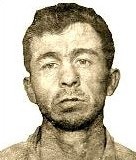 Donald Henry Gaskins
Serial killer · USA · 1969
Donald Henry Gaskins, also known as Donald “Pee Wee” Gaskins, was a serial kill…
200 victims
Donald Henry Gaskins
Serial killer · USA · 1969
Donald Henry Gaskins, also known as Donald “Pee Wee” Gaskins, was a serial kill…
200 victims
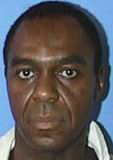 Carl Eugene Watts
Serial killer · USA · 1974
Carl Eugene Watts (born November 7, 1953; died September 21, 2007), also known…
100 victims
Carl Eugene Watts
Serial killer · USA · 1974
Carl Eugene Watts (born November 7, 1953; died September 21, 2007), also known…
100 victims
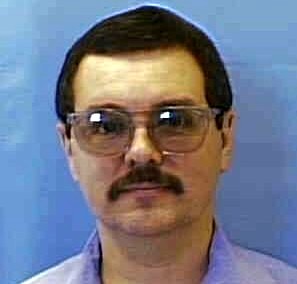 Donald Harvey
Serial killer · USA · 1970
Donald Harvey was known as an American serial killer and a self-professed “Ange…
87 victims
Donald Harvey
Serial killer · USA · 1970
Donald Harvey was known as an American serial killer and a self-professed “Ange…
87 victims
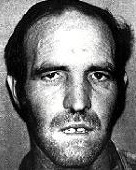 Ottis Toole
Serial killer · USA · 1961
Ottis Elwood Toole (sometimes misspelled as “Otis”) was an American serial kill…
65 victims
Ottis Toole
Serial killer · USA · 1961
Ottis Elwood Toole (sometimes misspelled as “Otis”) was an American serial kill…
65 victims
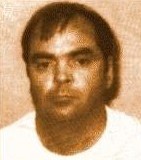 Donald Leroy Evans
Serial killer · USA · 1975
Donald Leroy Evans (born July 5, 1957) was an American serial killer who murder…
60 victims
Donald Leroy Evans
Serial killer · USA · 1975
Donald Leroy Evans (born July 5, 1957) was an American serial killer who murder…
60 victims
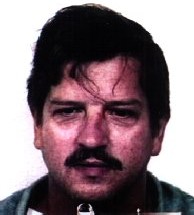 William George Bonin
Serial killer · USA · 1972
William George Bonin was executed by lethal injection in California on February…
44 victims
William George Bonin
Serial killer · USA · 1972
William George Bonin was executed by lethal injection in California on February…
44 victims
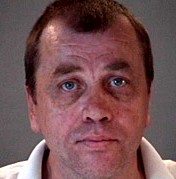 David William Tiley
Murderer · United Kingdom · 2007
David William Tiley was born in 1960. In 1995, he received a six-year jail term…
2 victims
David William Tiley
Murderer · United Kingdom · 2007
David William Tiley was born in 1960. In 1995, he received a six-year jail term…
2 victims
 Matthew Grant Webster
Murderer · Australia · 1989
Matthew Grant Webster was described as the man who raped and murdered Newcastle…
1 victim
Matthew Grant Webster
Murderer · Australia · 1989
Matthew Grant Webster was described as the man who raped and murdered Newcastle…
1 victim
 Tyrone Cade
Murderer · USA · 2011
Defendant: Tyrone Cade (Black male) · TDCJ number: 999575 · Prior prison record…
2 victims
Tyrone Cade
Murderer · USA · 2011
Defendant: Tyrone Cade (Black male) · TDCJ number: 999575 · Prior prison record…
2 victims
 Joseph Albert Guay
Mass murderer · In the Air - Canada · 1949
Joseph Albert Guay (born 1917) was a resident of Quebec City who was responsibl…
23 victims
Joseph Albert Guay
Mass murderer · In the Air - Canada · 1949
Joseph Albert Guay (born 1917) was a resident of Quebec City who was responsibl…
23 victims
 Teresa Stone
Murderer · USA · 2010
Teresa Stone conspired with her minister and lover to kill her husband, Randy S…
1 victim
Teresa Stone
Murderer · USA · 2010
Teresa Stone conspired with her minister and lover to kill her husband, Randy S…
1 victim
- Gender
- male
- Country
- USA
- Location
- Manhattan and Three Forks, Montana, USA
- Date of birth
- June 8, 1949
- Age at first offence
- 17
- Characteristics
- juvenile, kidnapping, dismemberment
- Victim profile
- Sandra Smallegan, 19 / Bernard Poelman, 13 / Michael Raney, 12 / Susan Jaeger, 7
- Method of murder
- ???
- Date(s) of murder
- 1966 - 1974
- Years active
- 1966–1974
- Date of arrest
- September 27, 1974
- Status
-
Died in custody
Committed suicide by hanging himself in jail on September 29, 1974
Case record: David Meirhofer
David G. Meirhofer (June 8, 1949 – September 29, 1974) committed four murders in rural Montana between 1966 and 1974, three of them children.
At the time, the Federal Bureau of Investigation was developing a method of tracking killers called offender profiling, and Meirhofer was described as the first serial killer to be caught using the technique. Offender profiling was described as a method used to learn clues about the characteristics of an unknown killer from evidence at the scene of the crime.
The offence
Meirhofer was said to have killed Susan Jaeger, who was described as seven-year-old Susan Jaeger, and it was stated that she was taken from her tent at night during a family camping trip. It was stated that he left no ransom request and no physical evidence.
Meirhofer was also said to have killed:
- Sandra Dykman Smallegan, 19
- Bernard Poelman, 13
- Michael Raney, 12
- Susan Jaeger, 7
The material stated that in September 1974, Meirhofer confessed to having kidnapped Sandra Dykman Smallegan in her sleep during February of that same year.
It was stated that Smallegan had once dated Meirhofer, but had ended the relationship, and that Meirhofer placed a telephone call to Marietta Jaeger, the mother of Susan Jaeger, exactly a year after the kidnapping.
Investigation
Offender profiling was described as first used in this case, and it was stated that the technique was employed about a year after the kidnapping.
The material stated that the technique led investigators to suspect that the kidnapper was a young, white male who killed for sexual gratification and may have kept body parts of victims as “souvenirs”. It was also stated that investigators believed the killer may have been arrested for other crimes.
Meirhofer placed the telephone call to Marietta Jaeger exactly a year after the kidnapping, and it was stated that she obtained enough information to help the FBI track him down.
Arrest, interrogation, and confession
The material stated that Meirhofer was 23 years old at the time and was suspected in another murder. It stated that he denied the charges.
In September 1974, Meirhofer was said to have confessed to having kidnapped Sandra Dykman Smallegan in her sleep during February of that same year.
The material stated that Meirhofer told police after his arrest that he kidnapped Smallegan while she slept in February 1974. It stated that he dated her once but that she later refused his advances. The material reported that he told police he tied her up and sealed her mouth with tape, then began putting her clothes in the car. It further stated that he told police Smallegan must have died because she couldn’t breathe through the tape.
The material stated that Meirhofer took her body to the Lockhart ranch, hid her car in a barn, and sliced her body into separate parts. It stated that he then burned her remains in a fire.
Suicide and timing
The material stated that on September 29, 1974, Meirhofer committed suicide by hanging himself in jail, hours after confessing to the murders. It also stated that four hours after confessing, Meirhofer tied a bath towel to his cell bars in Gallatin County’s jail and hanged himself.
Other details
Meirhofer was described in the material as a Manhattan native, and it stated that his case involved murders in Manhattan and Three Forks.
The material included a later report that the case was reopened following the discovery of personal items belonging to the victim. It stated that a driver’s license, wallet, and notebook belonging to Sandra Dykman Smallegan, who was murdered in 1974, were recovered Monday when construction workers renovating a garage on East Main Street in Manhattan found the items hidden in a wall. It stated that the case had been reopened to process the evidence.
The material quoted Betty Dykman, Smallegan’s mother, as saying:
- “It brings the memories and the whole thing back,” she said.
- “But it doesn't bring her closure. ‘I don't know that there's any real closure ever,’ Dykman said.”
- “She's gone. She was a wonderful, wonderful daughter and I still miss her.”
- “It was surprising to learn of her daughter's missing belongings.”
- “I've just been with this for such a long time.”
- “I'll keep them. I want them.”
The material also stated that the sheriff, Jim Cashell, said:
- “Who would have thought there was more stuff in a wall?”
- “This was totally unexpected,” Cashell said.
- “It's somewhat sad that it's got to get reopened.”
It stated that detectives would process the evidence, document and photograph all of Smallegan's belongings. It stated that they did not expect to find anything suspicious that would change the belief that Meirhofer killed her.
The material stated that the Manhattan Police Department worked with the sheriff’s office to gather the evidence from the garage. It stated that Smallegan’s items would be returned to her mother soon.

Spotted an error, or have more information about this case?