
Celeste Carrington
Murderer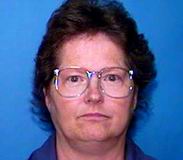 Bobbie Sue Terrell
Murderer · USA · 1984
Bobbie Sue Dudley Terrell was a Pinellas County nurse and worked as the night s…
12 victims
Bobbie Sue Terrell
Murderer · USA · 1984
Bobbie Sue Dudley Terrell was a Pinellas County nurse and worked as the night s…
12 victims
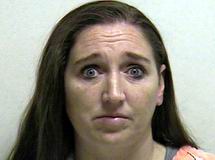 Megan Huntsman
Murderer · USA · 1996
Megan Huntsman was 40 at sentencing. She was a mother of three children who wer…
6 victims
Megan Huntsman
Murderer · USA · 1996
Megan Huntsman was 40 at sentencing. She was a mother of three children who wer…
6 victims
 Angela Johnson
Murderer · USA · 1993
Angela Jane Johnson was convicted in federal court of aiding and abetting the m…
5 victims
Angela Johnson
Murderer · USA · 1993
Angela Jane Johnson was convicted in federal court of aiding and abetting the m…
5 victims
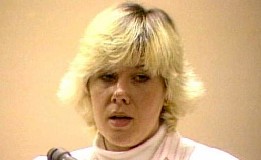 Catherine May Wood
Murderer · USA · 1987
Catherine May Wood was an American caregiver who worked at the Alpine Manor Nur…
5 victims
Catherine May Wood
Murderer · USA · 1987
Catherine May Wood was an American caregiver who worked at the Alpine Manor Nur…
5 victims
 Michele Kalina
Murderer · USA · 1996
Michele Kalina pleaded guilty to murder for one of five infants she initially w…
5 victims
Michele Kalina
Murderer · USA · 1996
Michele Kalina pleaded guilty to murder for one of five infants she initially w…
5 victims
 Amy Bishop
Murderer · USA · 1986
Amy Bishop — biology professor and perpetrator · James Anderson — Bishop’s husb…
4 victims
Amy Bishop
Murderer · USA · 1986
Amy Bishop — biology professor and perpetrator · James Anderson — Bishop’s husb…
4 victims
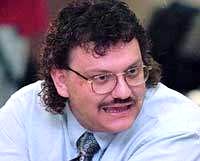 Orville Majors
Serial killer · USA · 1994
Orville Lynn Majors (born 24 April 1961) was a former licensed practical nurse…
6 victims
Orville Majors
Serial killer · USA · 1994
Orville Lynn Majors (born 24 April 1961) was a former licensed practical nurse…
6 victims
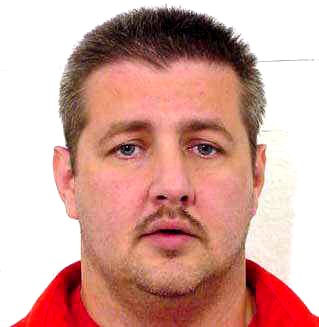 Marco Chapman
Murderer · USA · 2002
Marco Allen Chapman was executed by lethal injection in Kentucky on November 21…
2 victims
Marco Chapman
Murderer · USA · 2002
Marco Allen Chapman was executed by lethal injection in Kentucky on November 21…
2 victims
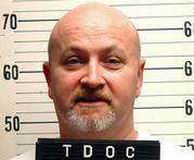 Terry Lynn King
Murderer · USA · 1983
Terry Lynn King was convicted of murder in the first degree while in the perpet…
1 victim
Terry Lynn King
Murderer · USA · 1983
Terry Lynn King was convicted of murder in the first degree while in the perpet…
1 victim
 Neah Verma
Murderer · India · 2011
Name: Neah Verma Age: 23 Occupation: beautician / salesgirl for beauty products…
3 victims
Neah Verma
Murderer · India · 2011
Name: Neah Verma Age: 23 Occupation: beautician / salesgirl for beauty products…
3 victims
 Asher Weisgan
Spree killer · Israel · 2005
Name: Asher Weisgan · Birth–death: 1966 – December 22, 2006 · Nationality/occup…
4 victims
Asher Weisgan
Spree killer · Israel · 2005
Name: Asher Weisgan · Birth–death: 1966 – December 22, 2006 · Nationality/occup…
4 victims
 Johannes Kana
Murderer · South Africa · 2013
Johannes Kana was convicted for the rape and murder of Anene Booysen. Anene Boo…
1 victim
Johannes Kana
Murderer · South Africa · 2013
Johannes Kana was convicted for the rape and murder of Anene Booysen. Anene Boo…
1 victim
- Gender
- female
- Country
- USA
- Location
- San Mateo County, California, USA
- Date of birth
- 1961
- Age at first offence
- 31
- Characteristics
- police officer, abuser, convicted rapist
- Victim profile
- Victor Esparza, 34 / Carolyn Gleason, 36
- Method of murder
- Shooting (.357 magnum revolver)
- Date(s) of murder
- January 26/March 11, 1992
- Years active
- 1992
- Date of arrest
- March 20, 1992
- Status
-
Sentenced to death
Sentenced to death on November 23, 1994
Case identifiers
Celeste Carrington
Background
Celeste Simone Carrington was Black and was 30 at the time of the crimes. She had no criminal record before the murders.
Carrington was raised in poverty in Philadelphia. She had been abused by both parents and had been impregnated by her father at age 14, according to defense testimony. She eventually attended a community college in Southern California and competed internationally in the shot put.
She had been fired from her job as a janitor in December 1991 for stealing checks. Witnesses at her trial said she had been providing financial support for her partner and the woman’s three children.
The offence
Carrington committed murders “during burglaries.” She fatally shot Victor Esparza, 34, a janitor at a shoe factory in San Carlos, in January 1992. She also fatally shot Caroline Gleason, 36, a property manager at a real estate office in Palo Alto, in another robbery two months later, which she admitted.
A third robbery victim, Allan Marks, a Redwood City pediatrician, was shot and wounded during a robbery of his office five days after Carrington killed Gleason, according to authorities. Allan Marks survived and testified against her.
Carrington told police that she had gone to all three offices with a stolen gun and keys she had kept from her work as a janitor.
Medical examiners found that Gleason was on her knees before Carrington when she was shot. They found that Esparza was either kneeling or standing, with no evidence that he was resisting.
Investigation
Carrington’s appeal included challenges to searches and interrogation practices that led to her confessions.
Her lawyers argued that Palo Alto police illegally searched her apartment and extracted her confession with false promises of leniency.
Officers from Palo Alto accompanied Los Altos police, who had a warrant to look for evidence of two burglaries. When Palo Alto police saw a key and a pager connected to Gleason’s killing in plain view, the court said they stopped the search, went back to court, and got a warrant to look for evidence of the murder.
In Monday’s ruling, Chief Justice Ronald George said that even if Palo Alto police were there on a pretext, they were entitled to be present at a legitimate burglary search and acted properly by not touching anything until they obtained another warrant.
George also said the police interrogation did not amount to promises of leniency that would make the confessions involuntary. The interrogation included statements:
“probably an accident”
“had nothing to lose by admitting to Esparza’s murder”
Trial
Carrington admitted fatally shooting Victor Esparza, 34, in January 1992 in San Carlos and Caroline Gleason, 36, in another robbery two months later in Palo Alto.
Sentencing
Carrington was sentenced on November 23, 1994. She was sentenced to death on Nov 23, 1994 for the murders of a Hispanic man aged 34 on Jan 26, 1992 in San Carlos and a Hispanic woman aged 36 on Mar 11, 1192 in Palo Alto during burglaries.
Appeals
In her appeal, her lawyers also argued that her trial defense was incompetent and said another appeal was pending.
The Supreme Court of California upheld the death sentence.
The justices unanimously rejected defense arguments that police had illegally searched her apartment and had extracted her confession with false promises of leniency.
Outcome
The California Supreme Court upheld Carrington’s death sentence.
Aftermath
Carrington was described as “one of only 15 women among 683 condemned prisoners in California.”


Spotted an error, or have more information about this case?