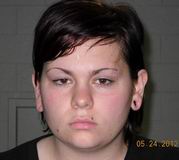
Jade Olmstead
Murderer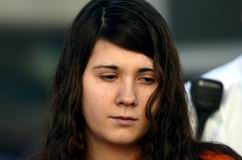 Miranda Barbour
Murderer · USA · 2013
Miranda Barbour, 19, defendant. · Elytte Barbour, 22, defendant and husband of…
100 victims
Miranda Barbour
Murderer · USA · 2013
Miranda Barbour, 19, defendant. · Elytte Barbour, 22, defendant and husband of…
100 victims
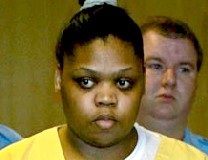 Tiffany Hall
Murderer · USA · 2006
Tiffany Hall was 24 when she was charged in September 2006. She later entered a…
5 victims
Tiffany Hall
Murderer · USA · 2006
Tiffany Hall was 24 when she was charged in September 2006. She later entered a…
5 victims
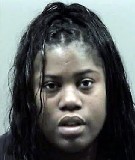 Banita Jacks
Murderer · USA · 2007
Banita Jacks was a Washington, DC resident convicted of murdering her four daug…
4 victims
Banita Jacks
Murderer · USA · 2007
Banita Jacks was a Washington, DC resident convicted of murdering her four daug…
4 victims
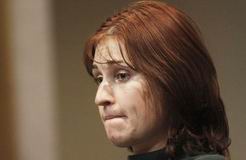 Holly Grigsby
Murderer · USA · 2011
Holly Grigsby was sentenced to life in prison without parole on July 15, 2014.…
4 victims
Holly Grigsby
Murderer · USA · 2011
Holly Grigsby was sentenced to life in prison without parole on July 15, 2014.…
4 victims
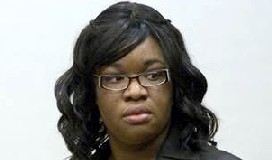 Jessica Tata
Murderer · USA · 2011
Jessica Tata was a Houston home day care owner who fled to Nigeria after a fire…
4 victims
Jessica Tata
Murderer · USA · 2011
Jessica Tata was a Houston home day care owner who fled to Nigeria after a fire…
4 victims
 Amanda Bennett
Murderer · USA · 2011
Amanda Bennett was an Indiana woman who shot her three children and set the fam…
3 victims
Amanda Bennett
Murderer · USA · 2011
Amanda Bennett was an Indiana woman who shot her three children and set the fam…
3 victims
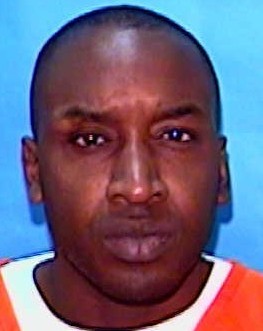 Byron Bryan
Murderer · USA · 1991
Byron Bryan was born 02/20/67 and was tried in the Fifteenth Judicial Circuit,…
1 victim
Byron Bryan
Murderer · USA · 1991
Byron Bryan was born 02/20/67 and was tried in the Fifteenth Judicial Circuit,…
1 victim
 Jose Luis Calva Zepeda
Serial killer · Mexico · 2004
Jose Luis Calva Zepeda was an aspiring horror writer in Mexico City who was acc…
3 victims
Jose Luis Calva Zepeda
Serial killer · Mexico · 2004
Jose Luis Calva Zepeda was an aspiring horror writer in Mexico City who was acc…
3 victims
 Andrew Engeldinger
Mass murderer · USA · 2012
Andrew John Engeldinger was a former employee of Accent Signage Systems. He had…
6 victims
Andrew Engeldinger
Mass murderer · USA · 2012
Andrew John Engeldinger was a former employee of Accent Signage Systems. He had…
6 victims
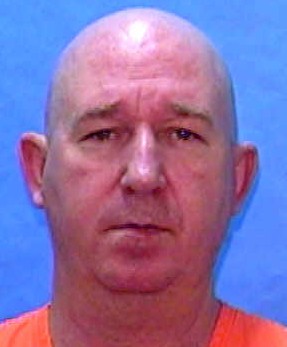 Faunce Pearce
Murderer · USA · 1999
Faunce Pearce was sentenced to death on February 14, 2002. He was indicted and…
1 victim
Faunce Pearce
Murderer · USA · 1999
Faunce Pearce was sentenced to death on February 14, 2002. He was indicted and…
1 victim
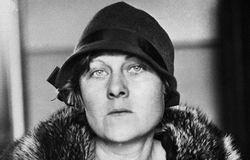 Ruth Snyder
Murderer · USA · 1927
Ruth Snyder was an American murderess who was executed by electrocution in New…
1 victim
Ruth Snyder
Murderer · USA · 1927
Ruth Snyder was an American murderess who was executed by electrocution in New…
1 victim
- Gender
- female
- Country
- USA
- Location
- Wayne Township , Crawford County, Pennsylvania , USA
- Date of birth
- 199 3
- Characteristics
- kidnapping
- Victim profile
- Brandy Stevens-Rosine, 20
- Method of murder
- Suffocation from dirt in her airway (buried alive)
- Date(s) of murder
- May 17, 2012
- Years active
- 2012
- Date of arrest
- 7 days after
- Status
-
Life imprisonment
Pleaded guilty; sentenced to life in prison without parole on October 31, 2013
Case record: Jade Olmstead
People
- Jade Olmstead (also named Nichole “Jade” Olmstead) — charged and pleaded guilty for the killing of Brandy Stevens; later sentenced to life in prison without parole.
- Brandy Stevens (also named Brandy Stevens-Rosine) — victim, a 20-year-old college student.
- Ashley M. Barber (also named Ashley Marie Barber; also referred to as Ashley Barber) — co-accused; scheduled to stand trial on criminal homicide, conspiracy to commit homicide and evidence tampering; charged and held in the case alongside Olmstead.
- Valerie Myers — reporter (quoted in article context only).
- Keith Gushard — reporter (quoted in article context only).
- David Lohr — reporter (quoted in article context only).
- Francis Schultz — Crawford County District Attorney.
- Judge Mark Stevens — judge who accepted the plea and imposed sentence.
- John Knorr — Olmstead’s attorney.
- Donald Olmstead — Olmstead’s father.
- Carrie Stevens Rosine (also named Carrie Stevens-Rosine; also named Carrie Rosine) — victim’s mother.
- Brenda Barrett — victim’s aunt.
- Kathy Stevens — victim’s grandmother.
- Krysti Horvat (also named Krysti Horvat) — victim’s friend.
- Tera Haines — Stevens’ friend.
- Vernon Township District Judge Michael Rossi — judge involved in preliminary matters.
- Crawford County Coroner Scott Schell — performed autopsy.
- Forensic pathologist Eric Vey — referenced in relation to cause of death.
- State Trooper Eric Mallory — lead investigator referenced; testified at preliminary hearing.
- Trooper Phillip Shaffer — testified that Stevens suffocated on dirt.
- Trooper John Michalak — referenced in relation to cadaver dog/search details.
- Magisterial District Judge Michael Rossi — referenced in relation to preliminary hearing.
- Beaver Township Police Chief Carl Frost — referenced in relation to the disappearance.
- James Barber and Marie Barber — parents of Ashley Barber.
- Marie Barber — Ashley Barber’s mother.
- Kathy Stevens — victim’s grandmother (also referenced repeatedly).
Timeline
- May 17, 2012 — Olmstead invited Brandy Stevens to visit the home in Wayne Township; Stevens arrived the next day; Olmstead and Barber lured Stevens into the woods and assaulted her; Olmstead said she repeatedly hit Stevens in the head with the edge of a shovel while Barber held her down; Olmstead and Barber buried Stevens in a shallow grave; they burned Stevens’ shoes and some of her personal belongings and moved Stevens’ car into a garage; in testimony referenced later, Barber put a rope around Stevens’ neck and strangled her while Olmstead hit Stevens in the head with a shovel.
- May 19, 2012 — Stevens’ grandparents reported her missing to Beaver Township police after she did not return or answer phone calls.
- May 23, 2012 — authorities found Stevens’ partially decomposed remains in a shallow grave a few hundred yards from the residence where Barber and Olmstead were staying; preliminary hearing testimony and police accounts described that Barber and Olmstead admitted to their role in killing Stevens and burying her body.
- July 25, 2012 — a preliminary hearing included testimony by State Trooper Eric Mallory describing the assault and burial; the narrative included accounts that Stevens suffocated on dirt and that her remains were found in a shallow grave near the Barber/Olmstead residence.
- October 8, 2013 — Judge Mark Stevens ruled that statements made by Barber and Olmstead could be admitted into evidence in their murder trial.
- August 28, 2013 — a state judge declared Ashley Marie Barber mentally fit to stand trial.
- August 16, 2012 — an account described the relationship between Stevens and Olmstead and details of the investigation and searches.
- July 26, 2012 — an account described that Stevens was still alive but probably beyond feeling pain when a woman she had loved helped to bury her, and described the evidence at the preliminary hearing.
- July 27, 2012 — an account described authorities’ claims about the murder as a love triangle case and described the preliminary hearing.
- July 30, 2012 — an account described State Police statements that Olmstead and Barber confessed and described the charge and arraignment timing.
- October 31, 2013 — Olmstead pleaded guilty to first-degree murder and was sentenced to life in prison without parole.
- November (scheduled timeframe referenced in text) — trial is described as scheduled to begin in November, with a term running through November 22.
Background
Olmstead and Brandy Stevens were romantically involved, and friends described Stevens as having continued love for Olmstead after Olmstead left her in the summer of 2011. The relationship was described as a love triangle involving Olmstead and Ashley Barber. Stevens met Olmstead on a social media site in 2009 and became her lover. Friends said Stevens compared others to Olmstead and continued to stay connected after breakups.
Olmstead moved in with Barber at 29558 Drake Hill Road in the spring, about three weeks before Stevens was murdered on May 17, 2012. Olmstead and Barber were described as living with Barber’s parents at the Wayne Township home.
The offence
Brandy Stevens was lured to the Wayne Township home where Olmstead and Barber were staying. Olmstead met Stevens when she arrived and invited her into the woods to see a fort that Olmstead said she had been building with Barber. Barber was described as hiding nearby and helping to kill Stevens there.
Olmstead said she hit Stevens repeatedly in the head with the edge of a shovel while Barber held her down. Other descriptions included claims that Barber strangled Stevens with a rope and that Olmstead alternately hit Stevens in the head with a shovel and helped to choke her. Additional accounts described punching and kicking Stevens, stuffing a knit cap or “Saw” cap into her mouth to stop pleading and screaming, slamming her head against a stump, and using a large rock and water when Stevens was found still breathing.
Olmstead and Barber placed Stevens in a shallow grave they had dug prior to the incident, covered Stevens with dirt and later covered with branches and leaves in accounts of the events. They burned Stevens’ shoes and belongings from Stevens’ car and moved Stevens’ car into a garage. Accounts also described that Barber later faked bruises and disposed of Stevens’ cell phone, including placing the phone down a storm drain at a drugstore where they went to fill prescriptions. Olmstead said Barber later disposed of the cell phone, and the narrative described use of Stevens’ cell phone in the investigation.
Investigation
Police described the case as involving luring Stevens from her home to the Wayne Township home shared by Olmstead and Barber with Barber’s parents. Stevens’ family reported her missing after she did not return. Police determined that Stevens’ cell phone “pinged” a tower in Meadville, shifting the search to Crawford County.
Police accounts included that Stevens’ car was found at the Barber/Olmstead home and that an unexplained stain was noted on Drake Hill Road, leading to use of a cadaver dog. Stevens’ remains were found in a shallow grave a few hundred yards from the residence where Barber and Olmstead were staying. Crawford County Coroner Scott Schell performed the autopsy.
Autopsy and forensic descriptions in the narrative included:
- multiple injuries from multiple objects over a large percentage of her body,
- lacerations to the scalp and a skull fracture,
- dirt in the nasal passages and bronchial tubes used to support that Stevens was breathing when buried,
- death caused by suffocation from dirt in her airway,
- blunt force trauma, skull fracture, and 15 lacerations to the scalp.
Arrest and detention
Barber and Olmstead were jailed without bond since their arrests, and were described as being held at the Crawford County Correctional Facility in Saegertown.
Trial and pretrial proceedings
A Pennsylvania judge ruled that statements made by two reported lovers accused of torturing and murdering an Ohio college student could be admitted into evidence in their murder trial. The defense counsel for Ashley Marie Barber and Nichole “Jade” Olmstead had challenged admissibility of statements made during initial detention and subsequent interrogation.
Judge Mark Stevens ruled that the statements were admissible in evidence, and wrote that Barber and Olmstead were not coerced and spoke with police “voluntarily and of their own free will.”
The narrative described charges against Barber and Olmstead as including criminal homicide, conspiracy to commit criminal homicide, and tampering with physical evidence.
A competency proceeding occurred for Ashley Marie Barber. Dr. Christine Martone testified regarding Barber’s mental state and that she believed Barber suffered from depression, a sleep disorder and borderline personality disorder, and said she believed Barber had a “passive death wish.” Judge Mark Stevens ultimately sided with the prosecution, finding competency.
Plea and sentencing
Olmstead pleaded guilty to first-degree murder on October 31, 2013, before Judge Mark Stevens. The plea and sentencing hearing lasted more than three hours. Olmstead was sentenced to life in prison without parole, described as a mandatory sentence for first-degree murder.
During the guilty-plea questioning, Olmstead laid out the course of events leading to Stevens’ death. She told the judge that she planned to kill the Youngstown University student, described as a former lover, and said she beat Stevens senseless and buried her in a shallow grave with the help of a new lover, Ashley M. Barber.
At sentencing, Stevens’ family and friends requested the maximum sentence possible. Olmstead expressed remorse during the hearing and apologized to the victim’s family.
The journal entry and dispute over remorse were addressed at sentencing when the Crawford County District Attorney Francis Schultz read an entry from Olmstead’s journal dated the day after Brandy Stevens died. Schultz cast doubt on sincerity of remorse by citing what Olmstead wrote.
Verbatim statements (sentencing and related court remarks)
Judge Mark Stevens’ question during sentencing:
“Was this hardness of the heart, did this occur through coercion, was mental illness involved, or was this pure evil?”
Judge Mark Stevens’ finding during sentencing:
“I don’t know. But this act, under these circumstances, with these facts, has only one option, and that option is life in prison.”
Olmstead’s apology:
“I am truly and deeply sorry for what happened,” she said.
“Brandy didn’t deserve any of that.”
Olmstead’s statement during earlier questioning:
“We were going to kill her,” Jade Olmstead said when questioned in Crawford County Court of Common Pleas why she invited Brandy Stevens to the Cochranton area about 18 months ago.
“Yes,” Olmstead responded when asked Thursday by Judge Mark Stevens if she had killed Brandy Stevens.
Olmstead’s quote about the shovel:
“The shovel was already down there from us digging out (Stevens') grave,” Olmstead said.
Olmstead’s remorse-disputed journal quotation:
“Do I feel guilty? No. not an ounce,” Olmstead wrote.
“I'm proud.”
Olmstead’s journal entry context about future killings:
“this beautiful memory” of the murder, “eventually we will want another kill,” and that she doubted that she and Barber would be caught.
Donald Olmstead’s statement to the judge:
“not a monster,” and has been emotionally troubled since she was assaulted by a neighbor as a child.
“I don’t want Jade portrayed as a monster. She was caring, too,” he said.
Olmstead’s attorney John Knorr on the plea:
“What Jade Olmstead did 18 months ago was monstrous, but she’s not a monster,” Knorr said.
“She’s guilty and freely acknowledges that,” Knorr said of why Olmstead was entering a plea.
“She does not want to make Brandy’s family sit through a trial. She knows how terrible the thing is she and Ashley have done to their daughter.”
Olmstead’s statement on her own behalf (during sentencing):
“I am truly and deeply sorry for what happened. Brandy did not deserve what happened to her.”
Charges and plea-related outcomes
- Olmstead pleaded guilty to first-degree murder.
- At the time of her guilty plea, conspiracy to commit homicide and tampering with physical evidence charges against her were withdrawn by the Crawford County District Attorney’s Office (in the context described after the guilty plea and sentence on first-degree murder).
- Ashley Marie Barber was described as scheduled to stand trial on criminal homicide, conspiracy to commit homicide and evidence tampering in Stevens’ death.
Other details (family, relationships, and courtroom conduct)
- The narrative described the judge addressed the courtroom, including family and friends of the victim, Olmstead and her parents, before adjourning the hearing.
- Judge Mark Stevens’ sympathy statement:
“My sympathy goes out to all of you,” he said.
Victim family and friend statements included:
- Carrie Stevens Rosine described Stevens as “Brandy was a loving, caring and giving young woman with a heart as big as the world,” and that Stevens looked for good in everyone she met.
- Brenda Barrett said the young sons still grieved their cousin, and that her 7-year-old did not want to leave Brandy’s casket alone during the funeral, stating:
- Brenda Barrett described Olmstead in an address and said:
“You deserve much more than life in prison. You deserve every bit of torture you gave Brandy — and then some.”
“He didn't want to leave her there by herself,” she said.
Olmstead’s father described Olmstead as emotionally troubled since she was assaulted by a neighbor as a child and stated that a neighbor assault occurred when she was 13 and was not prosecuted.
Other narrative elements included:
- The case was described as involving a love triangle and as involving the invitation of Stevens to the accused women’s residence in Wayne Township.
- The narrative described Stevens’ initial disappearance: Stevens’ grandmother and family reported her missing after she did not answer or return phone calls.
- Stevens’ friends described her interests and personality traits, including being studying sociology at Youngstown State University, playing upright bass in the school orchestra, being on staff with a student newspaper, and described as self-proclaimed “orch dork,” and as having a slideshow of photos.
- A fund drive was described for a memorial to Stevens, including the hope of a marble bench placed at Boardman Park or at Boardman High School, with donations accepted at Youngstown area branches of Huntington Bank and online.
Case status
Olmstead’s legal status was that she pleaded guilty and was sentenced to life in prison without parole on October 31, 2013.
Spotted an error, or have more information about this case?