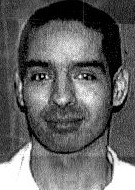
Juan Rodriguez Chavez
Murderer Brian Kevin Rosenfeld
Murderer · USA · 1985
Brian Kevin Rosenfeld Brian Kevin Rosenfeld was sentenced to three concurrent l…
23 victims
Brian Kevin Rosenfeld
Murderer · USA · 1985
Brian Kevin Rosenfeld Brian Kevin Rosenfeld was sentenced to three concurrent l…
23 victims
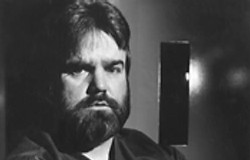 Marvin Gray
Murderer · USA · 1975
Marvin Gray was convicted killer who claimed responsibility for 23 slayings and…
23 victims
Marvin Gray
Murderer · USA · 1975
Marvin Gray was convicted killer who claimed responsibility for 23 slayings and…
23 victims
 Yahweh ben Yahweh
Murderer · USA · 1980
Yahweh ben Yahweh was born and legally named Hulon Mitchell Jr. (October 27, 19…
23 victims
Yahweh ben Yahweh
Murderer · USA · 1980
Yahweh ben Yahweh was born and legally named Hulon Mitchell Jr. (October 27, 19…
23 victims
 Russell Ellwood
Murderer · USA · 1991
Russell Ellwood was a former taxi driver. Authorities suspected him of killing…
20 victims
Russell Ellwood
Murderer · USA · 1991
Russell Ellwood was a former taxi driver. Authorities suspected him of killing…
20 victims
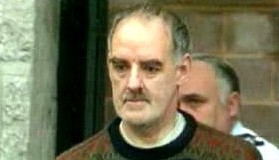 Peter Moore
Serial killer · United Kingdom · 1995
Peter Moore (born 1940) was a Welsh serial killer who murdered four men in 1995…
4 victims
Peter Moore
Serial killer · United Kingdom · 1995
Peter Moore (born 1940) was a Welsh serial killer who murdered four men in 1995…
4 victims
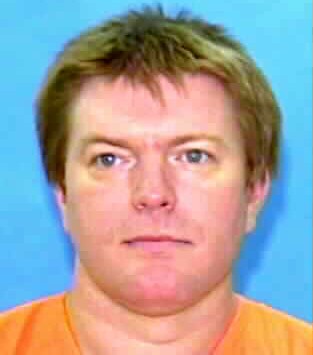 Jeffrey Lee Atwater
Murderer · USA · 1989
Jeffrey Lee Atwater was convicted and sentenced to death for the murder of Ken…
1 victim
Jeffrey Lee Atwater
Murderer · USA · 1989
Jeffrey Lee Atwater was convicted and sentenced to death for the murder of Ken…
1 victim
 Óscar López Rodríguez
Murderer · Chile · 2012
Óscar López Rodríguez beheaded two people, María José Reyes Moore and Juan René…
2 victims
Óscar López Rodríguez
Murderer · Chile · 2012
Óscar López Rodríguez beheaded two people, María José Reyes Moore and Juan René…
2 victims
 Patrick Burris
Spree killer · USA · 2009
Patrick Tracy Burris (August 8, 1967 – July 6, 2009) was an American spree kill…
5 victims
Patrick Burris
Spree killer · USA · 2009
Patrick Tracy Burris (August 8, 1967 – July 6, 2009) was an American spree kill…
5 victims
 Sajal Barui
Homicide · India · 1993
Sajal Barui was a convicted criminal who was serving a life sentence in prison…
3 victims
Sajal Barui
Homicide · India · 1993
Sajal Barui was a convicted criminal who was serving a life sentence in prison…
3 victims
- Gender
- male
- Country
- USA
- Location
- Dallas County, Texas, USA
- Date of birth
- April 27, 1968
- Age at first offence
- 17
- Characteristics
- robbery, drug dealer, drugs, rape
- Victim profile
- Men
- Method of murder
- Shooting
- Date(s) of murder
- 1985 / 1995
- Years active
- 1985–1995
- Date of arrest
- August 1995
- Status
-
Executed
Executed by lethal injection in Texas on April 22, 2003
Case identification
Juan Rodriguez Chavez was convicted in Dallas County, Texas, of capital murder of Jose Morales in the course of committing or attempting to commit robbery.
Timeline
- July 1, 1995 — Juan Rodriguez Chavez and Hector Fernandez stole a car from a Greyhound maintenance facility in Dallas, Texas.
- July 2, 1995 — Chavez and Fernandez drove the stolen car to a Dallas County apartment complex; Chavez shot Jose Morales after an exchange of words near public telephones; Chavez took Morales’ wallet and shot him again; Morales died of a gunshot wound to the back. Chavez later killed security guard Susan Ferguson, shot security guard Kevin Hancock leaving him permanently paralyzed, and robbed three men standing by the roadside; Chavez shot and killed Jesus Briseno; Fernandez used a 9 mm pistol stolen from Hancock to shoot and wound Francisco Jaimes and Alberto Guevara. Chavez later shot Alfonso Contreras and wounded Guadalupe Delgadillo-Pena inside a pickup truck, stole the truck with both victims still inside, pushed Contreras from the truck, and ran over him; Chavez and Fernandez drove the stolen vehicles to the Trinity River bottom where Fernandez shot Delgadillo-Pena in the head upon Chavez’s instruction and Chavez ran over her body. At approximately 4:00 a.m., Chavez drove the stolen pickup truck to an exit off Interstate 20 and burned it.
- March 27, 1996 — A jury found Chavez guilty of capital murder; following a separate punishment hearing and based on the jury’s answers to the special issues, the trial court assessed Chavez’s punishment at death by lethal injection.
- April 7, 1999 — The Texas Court of Criminal Appeals affirmed the conviction and death sentence in an unpublished opinion.
- Dec. 11, 1998 — Chavez filed an application for writ of habeas corpus in state court.
- Sept. 13, 2000 — The Court of Criminal Appeals denied the application in an unpublished order.
- Sept. 11, 2001 — Chavez filed a petition for writ of habeas corpus in the United States District Court for the Northern District of Texas, Dallas Division.
- Dec. 13, 2001 — The district court denied habeas relief.
- Jan. 16, 2002 — The district court denied a certificate of appealability (“COA”).
- Oct. 29, 2002 — The United States Court of Appeals for the Fifth Circuit denied Chavez a COA in a published opinion.
- March 10, 2003 — The United States Supreme Court denied certiorari.
- April 22, 2003 — Chavez was executed by lethal injection in Texas.
Background
Chavez was convicted for the 1985 murder of Vincente Mendoza in Dallas County and was sentenced to 15 years in prison. He served seven years before receiving parole in 1994. The State’s evidence during the punishment hearing indicated Chavez had previously been convicted and sentenced to 15 years in prison for murdering Vincente Mendoza in Dallas County on Dec. 28, 1985, and he served seven of the 15 years before receiving parole in 1994.
During the punishment hearing, the record also showed several unadjudicated criminal offenses in which Chavez was involved:
- An incident on March 22, 1995, in which Chavez shot and killed Jose Castillo and stole Castillo’s car keys.
- An incident on May 20, 1995, in which Chavez shot and killed Juan Pablo Hernandez and stole Hernandez’s car.
- An incident on July 4, 1995, in which Chavez shot and killed three men—Antonio Banda, Michael Duran and Antonio Rios—after two of the men obstructed the entrance to a tire shop from which Chavez, Fernandez, and a third cohort planned to steal a car. Chavez had been cited more than 40 times for violating prison regulations.
Chavez previously committed his first murder at age 17, when he was convicted of murder for killing a neighbor and wounding another man during a burglary. While serving the 15-year prison term, he accumulated more than 40 disciplinary violations, including punching a corrections officer and scaling fences topped with razor wire to attack another inmate in a recreation area.
During the trial for the Morales murder, Chavez wore an electronic stun belt that inadvertently activated during the first day of testimony; he said: “It’s shocking me,” then slumped to the defense table. His attorneys asked for a mistrial, contending his constitutional presumption of innocence was violated; the request was denied and became an issue in unsuccessful appeals.
At trial, Chavez was described as jovial, grinning at spectators including relatives of slaying victims. When State District Judge Harold Entz asked if there was any reason he shouldn't be sentenced, Chavez said: “I still say I’m not guilty.” Earlier that day, he warned court bailiffs he would antagonize relatives of his victims by smirking, and he said: “You ever seen a courtroom full of mad Mexicans?” and “You oughta see them when I walk in the courtroom smiling. “I'm not going to let them see me sweat.”
The offence
Capital murder of Jose Morales
On July 2, 1995, Juan Rodriguez Chavez and Hector Fernandez stole a car from a Greyhound maintenance facility in Dallas, Texas. In the early morning hours of July 2, they drove the car to a Dallas County apartment complex. Jose Morales and Yadira Ramirez were standing outside the apartment building near public telephones. Chavez exited the stolen car and walked toward the telephones as if he were going to make a call. Instead, Chavez drew a revolver and shot Morales. After Morales fell to the ground, Chavez took Morales’ wallet from his back pocket and shot him again. Morales died of a gunshot wound to the back. Chavez and Fernandez then drove the stolen car to a construction site where Chavez killed security guard Susan Ferguson by shooting her in the face and then running over her body with the stolen car. Forty minutes later, Chavez shot another security guard, Kevin Hancock, in a West Oak Cliff apartment complex, leaving Hancock permanently paralyzed. Ten minutes after the attack on Hancock, Chavez and Fernandez went to East Oak Cliff where they robbed three men standing by the roadside. Chavez shot and killed Jesus Briseno. Fernandez, using a 9 mm pistol stolen from Hancock, shot and wounded Francisco Jaimes and Alberto Guevara. About an hour later, Chavez and Fernandez drove back to West Oak Cliff where they found Alfonso Contreras and Guadalupe Delgadillo-Pena sitting inside a pickup truck in front of another apartment complex. Chavez approached the truck and fired his gun inside it, killing Contreras and wounding Delgadillo-Pena. Chavez then stole the truck with both victims still inside, while Fernandez followed him in the initial stolen vehicle. Shortly thereafter, Chavez pushed Contreras from the truck and ran over him. Chavez and Fernandez then drove the stolen vehicles to the Trinity River bottom where Fernandez shot Delgadillo-Pena in the head upon Chavez’s instruction. Chavez subsequently ran over her body with the stolen car. At approximately 4:00 a.m., Chavez drove the stolen pickup truck to an exit off of Interstate 20 and burned it.
Wider crime spree context
Chavez committed the current offense during a brutal three month crime spree in which he committed a total of eight armed robberies and nine murders. Chavez committed five of these murders during the 24 hours surrounding the current offense. During the punishment hearing, the State’s evidence indicated Chavez had previously been convicted and sentenced to 15 years in prison for murdering Vincente Mendoza in Dallas County on Dec. 28, 1985, and that Chavez served seven of the 15 years before receiving parole in 1994.
Investigation
At the time of Chavez’s arrest, a 15-year-old boy in the custody of juvenile authorities was reported to know Chavez and could provide information on at least one of the slayings. A spokesman told The Associated Press that a 15-year-old witness in protective custody may provide key evidence against Chavez.
Dallas police said that the other two men originally arrested were released because they were cleared by a subsequent investigation, even though one of the two had confessed. A police spokesman and other reported commentary described Chavez as a prolific suspect responsible for multiple slayings during a period in Dallas.
Arrest
Chavez was arrested a month after Jose Morales was shot at a pay phone near Dallas’ Love Field about 1 a.m. on July 2, 1995, when he reported to his parole officer.
Trial
Chavez was indicted in the 265th District Court of Dallas County, Texas, for the capital offense of murdering Jose Morales in the course of committing or attempting to commit robbery. Chavez pleaded not guilty and was tried before a jury. In March 1996, the jury found Chavez guilty of capital murder. On March 27, 1996, following a separate punishment hearing and based on the jury’s answers to the special issues presented during that hearing, the trial court assessed Chavez’s punishment at death by lethal injection.
During the trial, Chavez said: “I still say I'm not guilty.” During the stun belt incident, Chavez said: “It’s shocking me,” after which he slumped to the defense table.
Sentencing
On March 27, 1996, the trial court assessed Chavez’s punishment at death by lethal injection.
Appeals
Chavez’s conviction and sentence were automatically appealed to the Texas Court of Criminal Appeals, which affirmed the conviction and death sentence in an unpublished opinion on April 7, 1999. Chavez did not seek certiorari review in the United States Supreme Court after that affirmance.
Chavez filed an application for writ of habeas corpus in state court on Dec. 11, 1998; the state habeas court entered detailed findings of fact and conclusions of law recommending that habeas relief be denied; the Court of Criminal Appeals denied the application in an unpublished order on Sept. 13, 2000. Chavez filed a petition for writ of habeas corpus in the United States District Court for the Northern District of Texas, Dallas Division, on Sept. 11, 2001; the district court denied habeas relief on Dec. 13, 2001, and denied a certificate of appealability (“COA”) on Jan. 16, 2002. The United States Court of Appeals for the Fifth Circuit also denied Chavez a COA in a published opinion delivered on Oct. 29, 2002. Chavez later filed a petition for writ of certiorari in the United States Supreme Court, and the Court denied certiorari on March 10, 2003.
Outcome
Chavez was executed by lethal injection in Texas on April 22, 2003.
Aftermath
Final statement
Chavez made a final statement to the media and his family:
“To the media, I would like for you to tell all the victims and their loved ones that I am truly, truly sorry for taking their loved ones' lives. And I hope they will find it in their heart to forgive me for what I did to them. I am a different person now, but that does not change the fact of the bad things I have committed. God can give you the same peace He gave me and you can be in His hands. And to my beautiful family, be strong. Remember what I said, "God is the Way, the Truth, and the Life." OK, Warden.”
The lethal injection began and Chavez was pronounced dead at 6:18 p.m.
Final words during execution
Before death, Chavez asked:
“Is it working?” Chavez began praying before being pronounced dead at 6:18 p.m.
Spotted an error, or have more information about this case?