
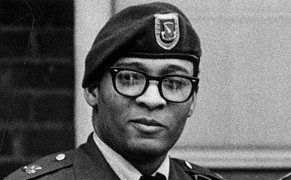
Marvin Gray
Murderer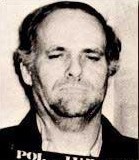 Ervil LeBaron
Murderer · USA · 1972
Ervil Morrell LeBaron (1925 to August 16, 1981) was the leader of a polygamous…
35 victims
Ervil LeBaron
Murderer · USA · 1972
Ervil Morrell LeBaron (1925 to August 16, 1981) was the leader of a polygamous…
35 victims
 Brian Kevin Rosenfeld
Murderer · USA · 1985
Brian Kevin Rosenfeld Brian Kevin Rosenfeld was sentenced to three concurrent l…
23 victims
Brian Kevin Rosenfeld
Murderer · USA · 1985
Brian Kevin Rosenfeld Brian Kevin Rosenfeld was sentenced to three concurrent l…
23 victims
 Yahweh ben Yahweh
Murderer · USA · 1980
Yahweh ben Yahweh was born and legally named Hulon Mitchell Jr. (October 27, 19…
23 victims
Yahweh ben Yahweh
Murderer · USA · 1980
Yahweh ben Yahweh was born and legally named Hulon Mitchell Jr. (October 27, 19…
23 victims
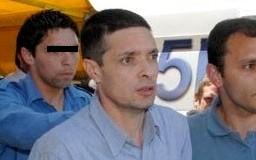 Mario Cesar Frieiro
Murderer · Argentina · 1998
Mario Cesar Frieiro was an Argentine murderer. Frieiro had a discussion with hi…
1 victim
Mario Cesar Frieiro
Murderer · Argentina · 1998
Mario Cesar Frieiro was an Argentine murderer. Frieiro had a discussion with hi…
1 victim
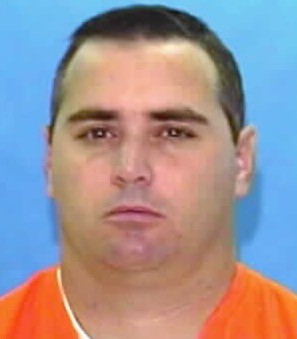 Robert Alan Knight
Murderer · USA · 1993
Robert Alan Knight (DOB: 06/26/68) was convicted in a nonjury trial in the Fift…
1 victim
Robert Alan Knight
Murderer · USA · 1993
Robert Alan Knight (DOB: 06/26/68) was convicted in a nonjury trial in the Fift…
1 victim
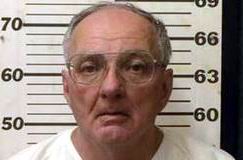 Howard Willis
Murderer · USA · 2002
Howard Willis was accused and later convicted in a capital murder case involvin…
2 victims
Howard Willis
Murderer · USA · 2002
Howard Willis was accused and later convicted in a capital murder case involvin…
2 victims
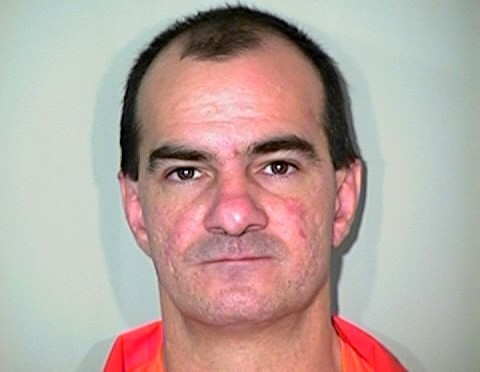 Phillip Bocharski
Murderer · USA · 1995
Phillip Bocharski was convicted in Yavapai County of burglary in the first degr…
1 victim
Phillip Bocharski
Murderer · USA · 1995
Phillip Bocharski was convicted in Yavapai County of burglary in the first degr…
1 victim
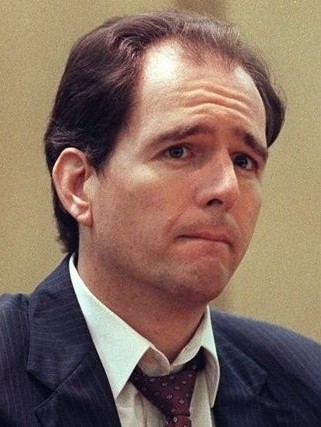 Danny Rolling
Serial killer · USA · 1989
Danny Harold Rolling was executed by lethal injection in Florida on October 25,…
8 victims
Danny Rolling
Serial killer · USA · 1989
Danny Harold Rolling was executed by lethal injection in Florida on October 25,…
8 victims
 Guadalupe Ronquillo-Ovalle
Mass murderer · USA · 2013
Guadalupe Ronquillo-Ovalle killed her husband, Israel Alvarez, and their three…
4 victims
Guadalupe Ronquillo-Ovalle
Mass murderer · USA · 2013
Guadalupe Ronquillo-Ovalle killed her husband, Israel Alvarez, and their three…
4 victims
- Gender
- male
- Country
- USA
- Location
- Denver, Colorado, USA
- Date of birth
- August 7, 1954
- Age at first offence
- 21
- Characteristics
- convicted rapist, rape, robbery, child molester, domestic violence
- Victim profile
- Men and women
- Method of murder
- Shooting / St abbing with knife
- Date(s) of murder
- 1975 - 1992
- Years active
- 1975–1992
- Date of arrest
- —
- Status
-
Life imprisonment
Sentenced to life in prison on June 6, 2001
Case record: Marvin Gray
Background
Marvin Gray was convicted killer who claimed responsibility for 23 slayings and threatened in open court to kill two more, his own public defenders. At Denver County Court, Judge Robert Patterson heard Gray make threats: “The first chance I get I'm going to do something real bad to one of them,” and “If I get a chance, I will try to kill one of them. I've killed 23 people, and I'd like to make that 24 and 25.” Gray was 46.
Investigators described Gray as having a long and violent criminal history. He had been involved in the 1975 shooting and wounding of South San Francisco’s police chief during a conference in Denver. He had also been involved in the 1982 stabbing death of Jolene Sue Gardner, the 21-year-old girlfriend of a friend of Gray.
Gray had raped two fellow prison inmates. He stood trial in connection with the beating death of another prisoner in a holding cell but was acquitted.
Gray was paroled in 1991 on a murder charge, then skipped town. In the following year he was arrested for armed robbery, and the conviction in that case led to him being declared a habitual offender, resulting in life in prison.
Gray had been sentenced to three life sentences. He was locked down for 23 hours a day. When he made remarks about his situation, police lieutenant Jon Priest described the understanding that a jury believed guards shared culpability simply for placing Gray in a cell with an informant.
Gray had been forced to represent himself during the Didier trial after repeated threats against his own lawyers. He had been forcefully removed from the courtroom for unruly behavior and threatening to hurt others in the court.
During a period of confinement and transport, Gray was classified as “ad-seg” (administrative segregation), meaning he should never be placed in a cell with anyone else. When such prisoners were moved, they were supposed to be in leg shackles, handcuffs and belly chains, and they were supposed to be transported in vans with an armed “chase team” following behind. Transport files were supposed to contain in-depth information so the receiving institution knew how to handle them.
At least once, a payment was made to a rape victim by the state without admission of liability. The payment was based on claims that DOC officials showed callous indifference when they placed the victim in a cell with Gray.
The offence
On September 15, 1975, Gray committed the Denver slaying of Joseph Didier. Didier was 26.
Gray’s videotaped confession was played in court. In the confession, Gray told the court his life was a “waste of taxpayer money.” He said he had been working at a downtown hotel when he stole a handgun from a guest room. He said he was “out running around” a few days later when he saw a man (Didier) walking across a parking lot headed for his car. Gray said he asked for a light, but the man said he didn't have one. Gray said he then demanded money from the man. After the man gave him cash, Gray said he shot him in the chest to eliminate a witness.
A separate homicide filed against Gray stemmed from the 1992 killing of Joseph Soliz. Soliz was 51 and died when two men burst into his west Denver house and opened fire.
In July 1992, Gray stole a truck and robbed a woman at gunpoint in Denver.
In 1993, Gray was convicted of aggravated robbery and sentenced to life in prison as a habitual criminal.
Gray was also charged with third-degree assault after an incident in a holding cell in Denver County Courthouse. He was said to have beaten a man named James Gilbertson by throwing him to the ground and then punching him numerous times before a suspect was ordered off the victim. Gilbertson’s injuries included a bloody nose and a cut under his right eye “which will require stitches.”
Investigation
Denver police Detective David Neil said over the past month and a half Gray confessed to 15 murders during interviews at police headquarters and that Denver authorities filed two murder charges against Gray. Neil said: “I don't have any reason to disbelieve him as yet.”
The investigation also addressed a prior acquittal related to the beating death of another prisoner in a holding cell.
At the time of the court threats, police lieutenant Jon Priest said it was his understanding that a jury believed guards shared culpability simply for placing Gray in a cell with the informant.
Arrest
Gray was in court for his preliminary hearing on the September 15, 1975 Denver slaying of Joseph Didier.
Trial
Gray was convicted of the 1975 murder of Joseph Didier in Denver on June 5, 2001.
During the Didier trial, Gray was forced to represent himself after repeated threats against his own lawyers.
At a preliminary hearing, a videotaped confession was played in court. In the confession, Gray stated his life was a “waste of taxpayer money,” said he stole a handgun from a guest room while working at a downtown hotel, and said he was “out running around” when he saw Didier walking across a parking lot.
In the holding cell assault matter, a plea of “not guilty” was entered on Gray's behalf at a November 6 hearing.
Sentencing
Gray was sentenced to life in prison on June 6, 2001.
The judge gave Gray three life sentences in his case.
Gray made statements related to punishment and desire for death. He said: “Lying on a table and being executed by lethal injection would be a 'hell of a lot better than what I did to some of my victims,'” and he also stated: “all I think about is killing people.” He also stated his desire to be put to death.
Appeals
No appeal information was provided.
Outcome
Gray was acquitted in a trial connected with the beating death of another prisoner in a holding cell.
Aftermath
Detective David Neil described Gray’s status as locked down 23 hours a day and said Gray had no control over his destiny. Neil said: “He has indicated to me that obviously he is locked down 23 hours a day. He has no control over his destiny. His life, as he sees it right now, is that concrete cell,” and “The only thing I can foresee is that if one of these jurisdictions - whether it be us or one of the others in Colorado or one of them from outside Colorado - finds him guilty and gives him the death penalty.”
An attorney, David Lane, who represented one of Gray’s rape victims, suggested lawsuits should be brought. Lane said: “Marvin Gray seems to be a raping, killing machine,” and “Everybody in the world is on notice that Marvin Gray should not be housed with anyone else.”
Lane also said, after Gray admitted to another murder, that Gray was looking for a way out. Lane said: “I think he wants to get a death penalty,” and “I do believe that's what he's looking for.”
Regarding the holding cell assault incident, sheriff’s spokesman Sergeant Darryle Brown said Gray was placed in the county jail in a solitary cell and all precautions were taken while he remained in that facility, and that the issue occurred during transfer. Brown said: “I think that's where the mixup occurred as to where he was housed,” and “He went over there, and somehow the wires got crossed.”
Timeline
- September 15, 1975 — Joseph Didier (26) was slain in Denver; the slaying occurred the same day Gray shot South San Francisco’s police chief during the conference in Denver.
- Fall 1975 — Joseph Didier was shot in his car in Denver after an apparent robbery on Larimer Street.
- 1975 — Gray shot and wounded South San Francisco’s police chief during a conference in Denver.
- 1982 — Jolene Sue Gardner, the 21-year-old girlfriend of a friend of Gray, was stabbed to death.
- 1991 — Gray was paroled on the murder charge.
- 1992 — Joseph Soliz (51) was killed in west Denver when two men burst into his house and opened fire.
- July 1992 — Gray stole a truck and robbed a woman at gunpoint in Denver.
- 1993 — Gray was convicted of aggravated robbery and sentenced to life in prison as a habitual criminal.
- October 1993 — A rape victim filed suit against five prison officials alleging that DOC officials placed him at risk by placing him in a cell with Gray.
- June 5, 2001 — Marvin Gray was convicted of the 1975 murder of Joseph Didier in Denver.
- June 6, 2001 — Gray was sentenced to life in prison.
- November 6 — A hearing on the assault matter occurred, with a plea of “not guilty” entered on Gray’s behalf, and sheriff’s deputies asked that Gray remain in a holding cell rather than being brought to the courtroom.
- October 30 — Gray was involved in a fracas inside holding cell No. 4 at the Denver County Courthouse, after which he was charged with third-degree assault.
- A few days later — Gray said he was “out running around” and then encountered Joseph Didier in the parking lot, leading to the robbery and shooting described in his confession.
- Past month and a half — Gray confessed to 15 murders during interviews at police headquarters, prompting Denver authorities to file two murder charges against Gray.
Other details
Gray was 46 when he told Judge Robert Patterson that he had killed 23 people and wanted to make that 24 and 25.
Gray said, during an outburst about punishment, that he would prefer execution.
A separate report described Gray as 6' 11" and 275 pounds, tattooed from head to foot, and described him as having a criminal history including robbery and assault. It also described that in 1985 Gray was convicted of second-degree murder in the stabbing death of a woman found along the banks of Cherry Creek.
In 1987, while doing time for murder, Gray was charged with his first prison rape.
In 1987 and later, Gray was described as having been placed with other inmates, including a known sexual offender, and as being locked down for 23 hours a day at Colorado State Penitentiary.
In July 1993, Gray was assigned another cellmate, who was beaten, knocked unconscious, and raped. Less than a week later, Gray was assigned yet another roomie, who was choked into near-unconsciousness and sexually assaulted.
In October 1993, the rape victim struck back and filed suit. The case slogged through the courts until this past spring, when the state agreed to pay the victim $70,000. The state did not admit liability.
After the settlement, Gray was classified as “ad-seg” (administrative segregation) and was to never be placed in a cell with anyone else.
When Gray went to Denver for a sentence reconsideration hearing on October 30, DOC did not bring him up from Cañon City, and for some reason the job fell to the Denver Sheriff's Department.
When Gray was moved from the jail to the courthouse, Brown said “the mixup occurred as to where he was housed,” and “somehow the wires got crossed.”
The sheriff’s officials declined to comment because the matter was “still under investigation.”
Deputies said that at the November 6 hearing they asked that Gray remain in a holding cell rather than being brought to the courtroom because “The last time he was up here, he smashed another person's head against the wall.”
The report described Gray as having claimed to be a “natural born murderer.” It also said Gray used interviews to boost his killer image and had stated an intention to kill again in prison in order to achieve his goal of being put to death.
The report named WestWord.com and a journalist, Karen Bowers, as well as dates and headings around the discussion of holding cell housing and the assault incident, including “In the Hole,” June 15, and “Guards knew better” coverage, but those details were not tied to specific legal outcomes beyond the third-degree assault charge and the “not guilty” plea.
The report referenced a video confession and police claim of polygraph tests “tentatively confimed” likely involvement in over twenty.
Gray was described as admitting to an unsolved 1975 murder of a man in Denver, with Joseph Didier shot in his car in the fall of 1975 after an apparent robbery on Larimer Street.
Marvin Gray was said to be serving three life sentences.
Spotted an error, or have more information about this case?