Tomoyuki Furusawa
Murderer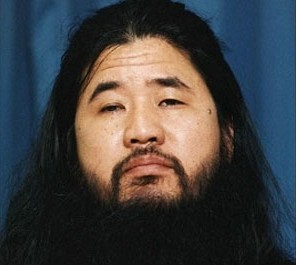 Shoko Asahara
Murderer · Japan · 1995
Shoko Asahara was the founder of Japan's controversial Buddhist religious group…
12 victims
Shoko Asahara
Murderer · Japan · 1995
Shoko Asahara was the founder of Japan's controversial Buddhist religious group…
12 victims
 Masahiro Kanagawa
Murderer · Japan · 2008
Masahiro Kanagawa (金川 真大; Kanagawa Masahiro; born 1983) was a Japanese man. · M…
2 victims
Masahiro Kanagawa
Murderer · Japan · 2008
Masahiro Kanagawa (金川 真大; Kanagawa Masahiro; born 1983) was a Japanese man. · M…
2 victims
 Jeffrey Doughtie
Murderer · USA · 1993
Jeffrey Doughtie was executed by lethal injection in Texas on August 16, 2001.…
3 victims
Jeffrey Doughtie
Murderer · USA · 1993
Jeffrey Doughtie was executed by lethal injection in Texas on August 16, 2001.…
3 victims
 Nixzaliz Santiago
Murderer · USA · 2006
Nixzmary Brown was a seven-year-old child who died after being abused and murde…
1 victim
Nixzaliz Santiago
Murderer · USA · 2006
Nixzmary Brown was a seven-year-old child who died after being abused and murde…
1 victim
 Joseph Paul Franklin
Serial killer · USA · 1977
Joseph Paul Franklin (April 13, 1950 – November 20, 2013) was an American seria…
15 victims
Joseph Paul Franklin
Serial killer · USA · 1977
Joseph Paul Franklin (April 13, 1950 – November 20, 2013) was an American seria…
15 victims
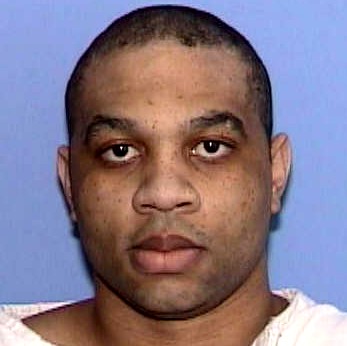 Tilon Lashon Carter
Murderer · USA · 2004
Tilon Lashon Carter was convicted in November 2006 of capital murder under Tex.…
1 victim
Tilon Lashon Carter
Murderer · USA · 2004
Tilon Lashon Carter was convicted in November 2006 of capital murder under Tex.…
1 victim
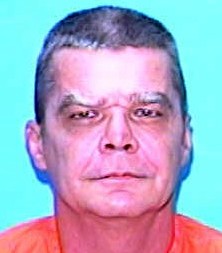 William L. Thompson
Murderer · USA · 1976
William L. Thompson was convicted and sentenced to death for the 03/30/76 kidna…
1 victim
William L. Thompson
Murderer · USA · 1976
William L. Thompson was convicted and sentenced to death for the 03/30/76 kidna…
1 victim
 Harold Loughans
Murderer · United Kingdom · 1943
Harold Loughans was associated with Mrs Rose Ada Robinson’s pub, The John Barle…
1 victim
Harold Loughans
Murderer · United Kingdom · 1943
Harold Loughans was associated with Mrs Rose Ada Robinson’s pub, The John Barle…
1 victim
- Gender
- male
- Country
- Japan
- Location
- Yokohama, Kanagawa Prefecture, Japan
- Date of birth
- 1965
- Age at first offence
- 37
- Characteristics
- domestic dispute, domestic violence, abuse, kidnapping
- Victim profile
- Masayoshi Ujigawa, 71, and Fumiko Ujigawa, 63 ( his wife's parents ) and Yuki Furusawa, 12 (his stepson)
- Method of murder
- St abbing with knife
- Date(s) of murder
- August 1, 2002
- Years active
- 2002
- Date of arrest
- Same day (surrenders)
- Status
-
Sentenced to death
Sentenced to death; Supreme Court dismissed the appeal and finalized the death penalty
Case record: Tomoyuki Furusawa
Status and outcome
Tomoyuki Furusawa was sentenced to death for murdering his estranged wife’s parents and his 12-year-old stepson in Yokohama in 2002. The Supreme Court dismissed his appeal, and the death penalty was finalized.
Timeline
- July 31, 2002 (predawn hours) — Tomoyuki Furusawa broke in at the house of Masayoshi Ujigawa and Fumiko Ujigawa in Yokohama, stabbed to death his stepson Yuki and his wife’s parents, and then forced his wife Masako into a car, drove to Toyama Prefecture, and beat her in the face.
- July 15, 2002 — Masako visited Tsuzuki Police Station and complained to officers that her husband beat her up two years earlier.
- June 2002 — Masako took her son and moved in with her parents while seeking a divorce on grounds Furusawa had abused her.
- Aug. 5, 2002 — Mainichi Shimbun reported that Furusawa had admitted the crime after unsuccessfully attempting to get his wife to leave their apartment to discuss a divorce, and that investigators were grilling him about how far he had premeditated the crime.
- May 25, 2005 — Japantimes.co.jp reported that the Tokyo High Court upheld the death penalty.
- November 16, 2007 — Kyodo News reported that the Supreme Court dismissed the appeal by a 42-year-old man sentenced to death for the three murders, finalizing his penalty.
- November 17, 2007 — Asian Political News reported the same Supreme Court dismissal and finalization of the death penalty.
Background
Tomoyuki Furusawa’s wife, Masako, sought to divorce him and had taken her son and moved in with her parents in June 2002. Masako visited Tsuzuki Police Station on July 15 and complained to officers that Furusawa beat her up two years earlier. Mainichi Shimbun reported that Furusawa had abused her.
Furusawa married Masako two years before the attacks. He lived with Masako and Yuki at an apartment about 500 meters away from Masayoshi Ujigawa’s and Fumiko Ujigawa’s apartment. After Masako and Yuki left that apartment three months before the murders, Masako began living with her parents.
Mainichi Shimbun reported that Furusawa quit a Yokohama-based real estate company in late last month, and his boss said he did not specify the reason why he quit. The same report said Furusawa was living apart from his wife and son.
The offence
The Tokyo High Court and later rulings described a killing of three people in Yokohama.
Furusawa stabbed to death:
- Masayoshi Ujigawa, 71 — his wife’s father
- Fumiko Ujigawa, 63 — his wife’s mother
- Yuki, 12 — his stepson
The killing occurred in the predawn hours of July 31, 2002 at the victims’ home in Yokohama after Furusawa broke in. Mainichi Shimbun reported that Furusawa sneaked into the Tsuzuki-ku apartment in a bid to take out Masako to discuss a divorce.
Mainichi Shimbun reported that Furusawa was carrying a knife and rope in a bid to threaten Masako. Investigators later found a knife and rope in his possession.
Mainichi Shimbun reported that after Yuki and the Ujigawas woke up and screamed, Furusawa stabbed them. It also reported that he then stuffed Masako’s mouth with cloth.
Furusawa forced Masako into a car, drove to Toyama Prefecture, and beat her in the face. Kyodo News reported that after breaking in and killing the three, he forced Masako into a car and drove to Toyama Prefecture, where he beat her in the face.
Investigation and arrest
Mainichi Shimbun reported that Furusawa was under arrest for murdering his wife’s parents and his son, and that he admitted he committed the crime after unsuccessfully attempting his wife to leave their apartment to discuss a divorce.
The same report stated that Furusawa abducted his wife and drove recklessly between Kanagawa Prefecture and Tokyo before heading for Toyama, where he was arrested. It also reported that investigators were grilling him over how far he premeditated the crime.
Mainichi Shimbun reported that Furusawa had apparently not determined his destination in advance and that he had never lived in the place he headed for.
Trial
The Tokyo High Court upheld the death penalty.
A panel of judges dismissed the defense argument that Furusawa did not have any intent to kill. The court was told that evidence showed Furusawa aimed at critical parts of the victims’ bodies with a weapon.
Presiding Judge Fumio Yasuhiro said:
"It was an extremely cruel crime in which the accused murdered three people who had done nothing wrong. We have no choice but to hand down capital punishment,"
The defense also argued that Furusawa was in a state of reduced responsibility due to a serious disorder at the time of the crime. However, the judge concluded that Furusawa was "fully competent mentally," and said he had a clear memory of what he had done when he was questioned by police.
Sentencing
Appeals
The Supreme Court dismissed Furusawa’s appeal and finalized his death penalty.
Presiding Justice Tatsuo Kainaka said:
"The defendant killed the three, who were totally blameless, simply because he thought they might hinder his plan to take away his wife Masako who was seeking to divorce him and staying at her parents' home at that time."
Kyodo News reported that the defense counsel had claimed the death sentence was too severe because Furusawa did not plan to kill the victims. The Supreme Court dismissed the appeal, finalizing the penalty.
Aftermath
Furusawa’s death penalty remained in force after the Supreme Court’s dismissal of his appeal. Masako was taken into protective custody after Furusawa was arrested.
Other details
Mainichi Shimbun reported that Furusawa was 37 at the time of the Aug. 5, 2002 report. Kyodo News and Asian Political News reported that he was 42 at the time of the Supreme Court dismissal in November 2007.
Mainichi Shimbun reported that Masako was with Furusawa when he was arrested, and that she was taken into protective custody.
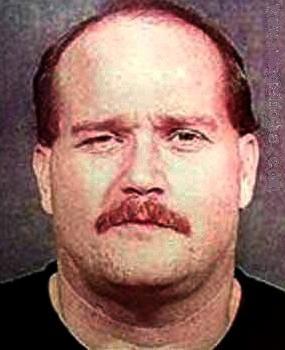
Spotted an error, or have more information about this case?