Shane Glen Harrison
Spree killer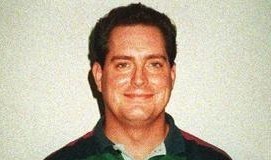 Mark Barton
Spree killer · USA · 1999
Mark Orrin Barton (1955 – July 29, 1999) committed a spree killing in Stockbrid…
12 victims
Mark Barton
Spree killer · USA · 1999
Mark Orrin Barton (1955 – July 29, 1999) committed a spree killing in Stockbrid…
12 victims
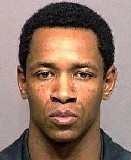 John Allen Muhammad
Spree killer · USA · 2002
John Allen Muhammad carried out the 2002 D.C. sniper attacks with his 17-year-o…
10 victims
John Allen Muhammad
Spree killer · USA · 2002
John Allen Muhammad carried out the 2002 D.C. sniper attacks with his 17-year-o…
10 victims
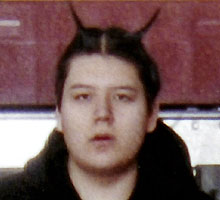 Jeffrey Weise
Spree killer · USA · 2005
Jeffrey Weise, a 16-year-old student at Red Lake High School in Red Lake, an un…
9 victims
Jeffrey Weise
Spree killer · USA · 2005
Jeffrey Weise, a 16-year-old student at Red Lake High School in Red Lake, an un…
9 victims
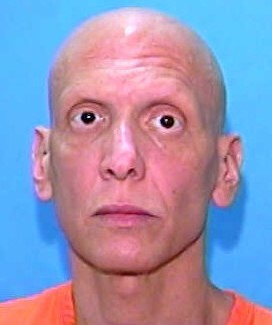 Manuel Pardo
Spree killer · USA · 1986
Manuel Pardo, Jr. was a former police officer who was convicted of nine counts…
9 victims
Manuel Pardo
Spree killer · USA · 1986
Manuel Pardo, Jr. was a former police officer who was convicted of nine counts…
9 victims
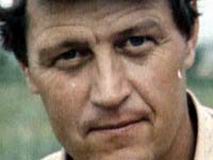 Anatoly Slivko
Serial killer · Russia · 1964
Anatoly Yelemianovich Slivko (Russian: Анатолий Емельянович Сливко; December 28…
7 victims
Anatoly Slivko
Serial killer · Russia · 1964
Anatoly Yelemianovich Slivko (Russian: Анатолий Емельянович Сливко; December 28…
7 victims
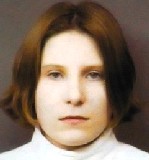 Sarah Kolb
Homicide · USA · 2005
Sarah Kolb was convicted in connection with the murder of 16-year-old Adrianne…
1 victim
Sarah Kolb
Homicide · USA · 2005
Sarah Kolb was convicted in connection with the murder of 16-year-old Adrianne…
1 victim
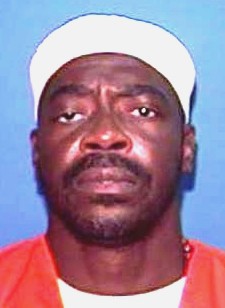 Clarence Hill
Murderer · USA · 1982
Clarence Hill was executed by lethal injection in Florida on September 20, 2006…
1 victim
Clarence Hill
Murderer · USA · 1982
Clarence Hill was executed by lethal injection in Florida on September 20, 2006…
1 victim
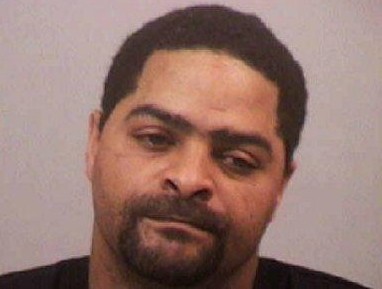 David Lance Bruce
Murderer · USA · 2005
David Lance Bruce was convicted in the death of a Fairfield County woman. He wa…
3 victims
David Lance Bruce
Murderer · USA · 2005
David Lance Bruce was convicted in the death of a Fairfield County woman. He wa…
3 victims
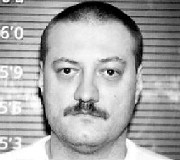 Thomas Schiro
Murderer · USA · 1981
Thomas Schiro was sentenced to death on October 2, 1981. Schiro was serving a 3…
1 victim
Thomas Schiro
Murderer · USA · 1981
Thomas Schiro was sentenced to death on October 2, 1981. Schiro was serving a 3…
1 victim
- Gender
- male
- Country
- USA
- Location
- Albuquerque, New Mexico, USA
- Date of birth
- 1970
- Age at first offence
- 26
- Characteristics
- armed robbery, kidnapping
- Victim profile
- Zachary Blacklock, Jowanda Castillo, and Mylinh Daothi ( Hollywood Video store employees) / George and Pauline McDougall (Zachary's grandparents)
- Method of murder
- Shooting
- Date(s) of murder
- March 3, 1996
- Years active
- 1996
- Date of arrest
- 9 days after
- Status
-
Life imprisonment
Sentenced to two consecutive life terms plus an additional 198 years, totaling a term of 258 years imprisonment in 1998
Case name
Shane Glen Harrison
Background
Shane Glen Harrison was charged with five first-degree murder counts and more than 20 other charges for killing five people in a March 3, 1996, botched armed robbery that turned into Albuquerque's worst mass slaying. His co-defendant and girlfriend, Esther Beckley, pleaded guilty in March, 1997, to two first-degree murder counts in the deaths of the couple and eight other charges. She received two consecutive life sentences plus thirty-five and one-half years, and she agreed to testify against Harrison as part of a plea agreement that spared her the death penalty and included the State dismissing three counts of first-degree murder against her.
The offence
Armed robbery at Hollywood Video store
A Hollywood Video store in Albuquerque was robbed in the early morning hours of March 3, 1996. Employees arrived at 9:30 a.m. on Sunday, March 3, and discovered the bodies of three employees: Zachary Blacklock, Jowanda Castillo, and Mylinh Daothi. Each of the three employees had been shot in the back of the head three times.
George and Pauline McDougall, Zachary's grandparents, were scheduled to pick him up at 2:00 a.m., after the store closed. On March 4, the McDougalls' bodies were found in the Sandia Mountains east of Albuquerque near their car, and each had died of multiple gunshot wounds.
Murder of the McDougalls after kidnapping
Beckley testified that after the robbery, she and Harrison drove into the mountains. Beckley testified that Harrison and the McDougalls exited their car, that Harrison retrieved his shotgun from his car and walked with the McDougalls into the trees, and that George McDougall was shot and then Pauline McDougall was shot several times. Beckley testified that Harrison returned to the car, threw the shotgun into the car, and told her the McDougalls were still making noise.
Beckley testified that Harrison pulled the Tec-9 from his pants, returned to the McDougalls, and shot them multiple times with the Tec-9.
Investigation
Prior robbery and identification
On February 23, 1996, a man and a woman robbed a Mac's Steak in the Rough restaurant in Albuquerque. An employee identified the woman as Beckley. Beckley testified that she and Harrison planned and carried out the robbery armed with a BB gun that looked like a .45 caliber gun. The employee did not see the male robber's face but did hear a male voice. Two witnesses, Liza Turner and John Lausell, testified that Harrison had told each of them that he had robbed the restaurant. Lausell lived with and dated Beckley.
Weapons and ammunition
Beckley testified that Harrison bought a Tec-9 nine millimeter semiautomatic pistol and ammunition, and also shotgun ammunition. These weapons were used in the five murders. Beckley testified that Harrison kept the Tec-9, the shotgun, and two BB guns in a duffel bag, and that the police recovered the duffel bag containing the murder weapons and BB guns during a search of Harrison's apartment near the time of his arrest.
Disposal of evidence and vehicle parts
Beckley testified that Harrison ran out of the store carrying a plastic trash bag and the Tec-9, threw the bag into his car, ran to Pauline McDougall's side of the grandparents' car, and instructed her to open the window and then open the door. Beckley testified that Harrison instructed her to force the door when it appeared she would not do so, and then instructed her to exit the vehicle, after which Harrison got into the back seat and told Beckley to follow them driving his car.
Beckley testified that Harrison drove into the mountains and that as he drove his car away from the McDougalls, his car bottomed out in a rut. A detective testified that a piece of Harrison's car was found at the McDougall murder scene.
Clothing and missing jacket
A neighbor testified that he was out of town for part of the weekend of the murders and returned home on Saturday night and noticed that his black leather jacket was missing from his closet. When he returned home on Sunday, the jacket had been returned. Beckley testified that Harrison wore the neighbor's jacket during the robberies. The neighbor testified that Harrison had a key to the neighbor's apartment and admitted borrowing the jacket that weekend.
The neighbor testified that Harrison previously told him that he knew of a place which could be robbed and that people could get hurt in the robbery. The neighbor was with Harrison when Harrison bought the shotgun used in the murders, and the neighbor testified that Harrison told him that he was buying the shotgun to protect himself. Harrison offered contrary testimony, stating that he bought the shotgun for John Lausell.
Statement to police after arrest and trial testimony
Harrison gave a statement to the police upon his arrest on March 12, 1996, and it was admitted as evidence in Harrison's trial. Harrison also testified at trial, admitting that he bought the shotgun and the Tec-9 which were used in the five murders and found in his apartment after his arrest. In his statement to police and his trial testimony, Harrison claimed that Beckley told him that Beckley and others committed the crimes.
At trial Harrison testified that he bought the guns for Lausell and that Beckley took the guns. He testified that he lent his car and the neighbor's jacket to Beckley on the night of the crimes and that he stayed home by himself. He claimed that Beckley came back to his apartment at approximately 5:00 a.m. on Sunday, March 3, and told him he should get rid of the jacket because it had blood on it. Harrison testified that Beckley told him to change the tires on his car because it was used in the murders; he stated that he did buy new tires. Harrison testified that he and another man drove to the mountains, dug up the guns from a black duffel bag, and took them back to his apartment.
Testimony about planning to harm witnesses
A prison acquaintance of Harrison testified that Harrison told him prior to the murders that the next time he committed an armed robbery he would not leave witnesses. Another acquaintance, a man who had been in the county jail with Harrison, testified that Harrison described a robbery Harrison committed at the Los Arcos Restaurant and told him that if Harrison had shot the witness who had eventually called the police, Harrison never would have been caught.
Arrest
Harrison gave a statement to the police upon his arrest on March 12, 1996, which was admitted as evidence at trial.
Trial
Charges
Harrison was charged with five counts of murder, as well as multiple counts of kidnapping, armed robbery, conspiracy, and tampering with evidence. The Supreme Court described the convictions as nineteen felony counts, including first-degree felony murder for the deaths of George and Pauline McDougall.
State's dismissal and plea agreement details for Beckley
In exchange for Beckley's testimony against Harrison and her guilty plea to ten charges, including two counts of first-degree felony murder for the deaths of the McDougalls, the State dismissed three counts of first-degree murder and did not pursue the death penalty against her. The Supreme Court stated that Beckley received two consecutive life sentences plus thirty-five and one-half years.
Trial evidence regarding the Hollywood Video robbery
Beckley testified that she approached the manager, Mylinh Daothi, displayed her BB gun, and forced her to go into the office at the back of the store to get the video surveillance tape. Beckley testified that she retrieved the surveillance tape, that Zachary Blacklock entered the office, and that Beckley informed him that a robbery was taking place and instructed him not to move.
Beckley testified that Harrison came to the back of the store with Jowanda Castillo. Beckley testified that Harrison pulled out his BB gun and took Mylinh to the front of the store to get into the safe while Beckley stayed in the back with the other two employees. Beckley testified that Zachary told her his grandparents were going to pick him up.
Beckley testified that she saw a car drive up and that Harrison told her to try to get into the car with the grandparents and prevent them from leaving. Beckley testified that she told the McDougalls that Zachary and the manager were still busy, that she asked if she could join them in their car because her car heater did not work, and that the McDougalls were friendly towards her, let her into the car, and spoke with her while they waited. Beckley testified that she could see into the store from the McDougalls' car and that she saw Harrison and Mylinh walking inside the store.
Beckley testified that she heard gunshots but the McDougalls did not appear to react to the sounds.
Beckley testified that Harrison ran out carrying a plastic trash bag and the Tec-9 and then forced movement involving the grandparents' car. Beckley testified that Harrison instructed her to force open the door, that Harrison instructed her to exit the vehicle, and that she followed them driving his car.
Beckley's testimony about the shootings
Beckley testified that Harrison retrieved his shotgun from his car, walked with George and Pauline McDougall into the trees, and shot them several times with the shotgun and then with the Tec-9.
Beckley testified verbatim that “They're still making noises.” and that she responded: “Leave them alone, they're dead. They're dead.'”
Jury findings on murder charges
A jury found Harrison guilty of nineteen counts but was unable to reach unanimous verdicts on three counts of murder for the deaths of Jowanda Castillo, Zachary Blacklock, and Mylinh Daothi.
Sentencing
Harrison was sentenced to two consecutive life terms plus an additional 198 years, totaling a term of 258 years imprisonment.
Appeals
Supreme Court decision
The Supreme Court of the State of New Mexico issued Opinion Number: 2000-NMSC-022, with a filing date of July 18, 2000, and Docket No. 25,157. The Supreme Court affirmed Harrison's convictions.
Harrison asserted six errors on appeal: (1) whether the trial court erred by admitting testimony of John Lausell; (2) whether the trial court abused its discretion by admitting expert testimony of a polygrapher; (3) whether the trial court erred by denying Harrison's motion for a mistrial when the State elicited testimony from the polygrapher regarding criminal defendants' polygraph examinations; (4) whether the trial court abused its discretion by refusing to allow Harrison to re-open his case to present rebuttal polygrapher testimony; (5) whether Harrison's trial counsel violated his right to effective assistance of counsel by failing to present rebuttal testimony in a timely manner; and (6) whether the trial court violated Harrison's right to due process by refusing to declare a mistrial because of juror complaints. The Supreme Court concluded that it would affirm Harrison's convictions.
Other details
Trial start and venue change
The trial began Dec., 1, and the trial was moved from Albuquerque to Las Cruces because of extensive news coverage of the case.
Prosecutorial statements in closing argument (as quoted)
Prosecutor Julie Altwies told jurors returning Monday from a 2-week holiday break that Harrison “was living his own sick Hollywood movie” and satisfied a “thirst for blood” when he gunned down 5 innocent people in the Hollywood Video slayings. Altwies stated in closing that Harrison “was thrilled by his own executions.” Altwies also said: “Shane Harrison did this--no one else.”
The Bernalillo County deputy district attorney Altwies said: “made all the choices--for himself, for (former co-defendant) Esther Beckley and for these 5 victims. It was his guns, his ammunition, his car, his plans, his murders,” and that Harrison is “self-centered, self-absorbed... basically a loser. He is not stupid, but he is not quite as smart as he think he is. He had a perverse goal, his dream, was to do an armed robbery and kill the witnesses... when his fantasies and dreams spun out of control in the early morning hours of March 3, 1996, he took a whole community with him.”
Prosecutor Michael Cox urged jurors to “do the hard work of untangling the lies, innuendo and speculation” raised by Harrison's defense and focus on “the facts” which Cox said “point to Harrison and him alone.”
Defense closing argument (as quoted)
Harrison's attorney Gary Mitchell renewed his claim that John Lausell was present at the crimes and that Harrison was not. Mitchell said in his closing argument, “This boy is innocent.”
Beckley testimony (as quoted)
Beckley testified at trial that she thought they would be armed with “nothing more than a BB guns” when they went to rob the video store. She testified that Harrison pumped off shotgun blasts “as fast as he could cock the gun” and finished off the elderly couple with a pistol.
Juror complaint notes and mistrial discussion (as quoted)
The trial court instructed jurors that they were encouraged to consult with one another and could write notes to the court if they had problems. Three jurors sent a note complaining that the foreperson was telling them to convict and being argumentative; one juror complained of feeling “railroaded,” one complained that the foreperson was not listening and did not want the jurors to take breaks, and one wrote that the foreperson was trying to keep them from having a hung jury.
A note to the court stated: “provisional votes, count 28, 27, 26 guilty. Most of the other counts show guilty eight, innocent three. One is abstaining. I know they cannot in the end. The votes are provisional. The person will vote in the end. The three innocent are firm;” and another note requested a transcript of testimony.
Defense counsel stated: “if they've reached a unanimous verdict on those three counts, obviously, to accept that and to declare a mistrial as to the remaining counts.”
Supreme Court instruction excerpt (as quoted in case)
UJI 14-6008 NMRA 2000 was quoted as: “you are not required to give up your individual judgment. . . . [D]o not surrender your honest conviction as to the weight or effect of evidence solely because of the opinion of your fellow jurors, or for the purpose of reaching a verdict.”
Spotted an error, or have more information about this case?