
John Albert Hinchey
Murderer Brian Kevin Rosenfeld
Murderer · USA · 1985
Brian Kevin Rosenfeld Brian Kevin Rosenfeld was sentenced to three concurrent l…
23 victims
Brian Kevin Rosenfeld
Murderer · USA · 1985
Brian Kevin Rosenfeld Brian Kevin Rosenfeld was sentenced to three concurrent l…
23 victims
 Marvin Gray
Murderer · USA · 1975
Marvin Gray was convicted killer who claimed responsibility for 23 slayings and…
23 victims
Marvin Gray
Murderer · USA · 1975
Marvin Gray was convicted killer who claimed responsibility for 23 slayings and…
23 victims
 Yahweh ben Yahweh
Murderer · USA · 1980
Yahweh ben Yahweh was born and legally named Hulon Mitchell Jr. (October 27, 19…
23 victims
Yahweh ben Yahweh
Murderer · USA · 1980
Yahweh ben Yahweh was born and legally named Hulon Mitchell Jr. (October 27, 19…
23 victims
 Russell Ellwood
Murderer · USA · 1991
Russell Ellwood was a former taxi driver. Authorities suspected him of killing…
20 victims
Russell Ellwood
Murderer · USA · 1991
Russell Ellwood was a former taxi driver. Authorities suspected him of killing…
20 victims
 William Morrisette
Murderer · USA · 1980
William Wilton Morrisette, III was convicted in Virginia for the 1980 death of…
1 victim
William Morrisette
Murderer · USA · 1980
William Wilton Morrisette, III was convicted in Virginia for the 1980 death of…
1 victim
 Charles Edward Smith
Murderer · USA · 1988
Charles Edward Smith was executed by lethal injection in Texas on May 16, 2007.…
1 victim
Charles Edward Smith
Murderer · USA · 1988
Charles Edward Smith was executed by lethal injection in Texas on May 16, 2007.…
1 victim
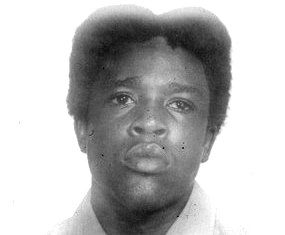 James Dupree Henry
Murderer · USA · 1974
James Dupree Henry was sentenced by Florida state courts to be executed for the…
1 victim
James Dupree Henry
Murderer · USA · 1974
James Dupree Henry was sentenced by Florida state courts to be executed for the…
1 victim
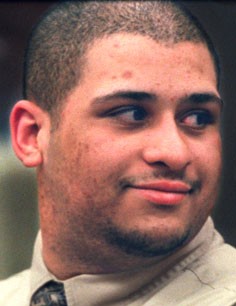 Raymond Oscar Butler
Murderer · of Los Angeles · 1994
Raymond Oscar Butler was sentenced to death on July 29, 1996. The killings invo…
3 victims
Raymond Oscar Butler
Murderer · of Los Angeles · 1994
Raymond Oscar Butler was sentenced to death on July 29, 1996. The killings invo…
3 victims
 Renee King
Murderer · USA · 2010
Renee King was sentenced in Macomb Circuit Court for the 2010 murder of her ste…
1 victim
Renee King
Murderer · USA · 2010
Renee King was sentenced in Macomb Circuit Court for the 2010 murder of her ste…
1 victim
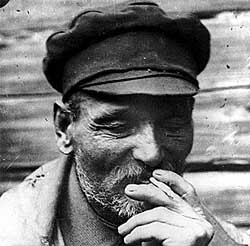 Vasili Komaroff
Serial killer · Russia · 1921
Vasili Komaroff was a horse-trader who maintained a stable at his home in Mosco…
33 victims
Vasili Komaroff
Serial killer · Russia · 1921
Vasili Komaroff was a horse-trader who maintained a stable at his home in Mosco…
33 victims
- Gender
- male
- Country
- USA
- Location
- Maricopa County, Arizona, USA
- Date of birth
- May 10, 1933
- Age at first offence
- 52
- Characteristics
- domestic dispute, argument, alcohol, abuse, torture, rape
- Victim profile
- Tammy, 17 (the daughter of his common law wife)
- Method of murder
- St abbing with knife
- Date(s) of murder
- September 29, 1985
- Years active
- 1985
- Date of arrest
- Same day (surrenders)
- Status
-
Sentenced to death
Sentenced to death on March 17, 1992
Parties
- Defendant: John Albert Hinchey
- Victim: Tammy (17-year-old daughter of Hinchey’s common-law wife)
- Victim (mother/surviving): Hinchey’s common-law wife (mother of Tammy)
- Other victim: Tammy’s infant son (unharmed)
Timeline
- September 29, 1985 — Hinchey argued with the woman he had lived with for 12 years about her two daughters; after the woman went downstairs to sleep, Hinchey followed to continue the argument, purchased a pistol, shot her four times, then kicked in the locked bedroom door of the woman's 17-year-old daughter, shot her twice in the face, pursued and beat the mother with the pistol until the trigger guard broke, beat her head against some rocks, returned to the daughter's bedroom, beat the daughter over the head with a tonic water bottle until it shattered, then went to the kitchen, got a knife, and stabbed her numerous times, leaving the knife in her abdomen; Tammy died and her infant son was unharmed; the mother survived.
- September 29, 1985 (early-morning hours) — Hinchey drove to a police station, turned himself in, and gave a taped confession.
- October 14, 1987 — Start of trial.
- October 28, 1987 — Verdict.
- March 17, 1992 — Resentencing; sentence of death imposed.
- July 31, 1990 — Arizona Supreme Court decision dated July 31, 1990.
Background
Hinchey had lived with his common-law wife of 12 years. He argued with the woman he had lived with for 12 years about her two daughters from a prior marriage. The relationship involved an argument about domestic matters. Hinchey presented an insanity defense, claiming alcohol-induced psychosis, and the proceedings included motions regarding competency and mental condition.
Hinchey originally entered into a plea agreement in exchange for a life sentence plus 21 years and was sentenced in accordance with the plea agreement. Hinchey later requested post-conviction relief alleging improper denial of his motion to withdraw his guilty plea. The superior court granted relief and reinstated the original charges.
The offence
In the early-morning hours of September 29, 1985, Hinchey argued with the woman he had lived with for 12 years about her two daughters from a prior marriage. After the woman went downstairs to sleep in a chair, Hinchey followed to continue the argument. Hinchey pulled out a pistol purchased the day before and shot her four times.
Hinchey then kicked open the locked bedroom door of the woman’s 17-year-old daughter. The daughter was asleep but awoke when Hinchey broke in her door. The daughter’s infant son was sleeping in the same room. Hinchey shot the daughter twice in the face and left the bedroom.
The mother had managed to run outside. Hinchey pursued and caught her, then beat her with the pistol until the trigger guard broke, at which point he beat her head against some rocks. Hinchey left the gun lying beside the mother on the sidewalk and returned to the daughter’s bedroom. Hearing the daughter moan, Hinchey grabbed a tonic water bottle and beat her over the head until the bottle shattered. When the daughter continued to moan, Hinchey went to the kitchen, got a knife, and returned to her room where he stabbed her numerous times, leaving the knife in her abdomen. The daughter died but her infant son was unharmed. The mother survived.
Hinchey’s confession indicated he shot the victim first. At sentencing, the judge found that the confession, testimony of the murder victim’s mother, and testimony presented by the first officer to arrive at the scene established factors relevant to the aggravating circumstances.
Investigation
Hinchey drove to a police station, turned himself in, and gave a taped confession.
Arrest
Hinchey turned himself in at a police station and provided a taped confession.
Trial
Hinchey was charged by indictment with first-degree murder for Tammy’s death and attempted first-degree murder for assaulting the mother.
Hinchey entered a plea agreement in exchange for a life sentence plus 21 years. He subsequently requested post-conviction relief alleging improper denial of his motion to withdraw his guilty plea.
Prior to trial, Hinchey filed a motion for a determination of his competency to stand trial and of his mental condition at the time of the offense (Rule 11, Ariz. R. Crim. P.). The trial court found him competent to stand trial after reviewing reports from appointed experts.
Hinchey sought to preclude admission of other bad act evidence: an assault on the daughter with a hammer about 14 months earlier. The trial court heard arguments and determined that the evidence was admissible under Rule 404(b), Ariz. R. Evid., for purposes of showing preparation, plan or intent, and that its probative value outweighed any potential prejudice.
At trial, Hinchey presented an insanity defense, claiming alcohol-induced psychosis, and did not testify on his own behalf. The jury returned a verdict of guilty on both counts. The trial court conducted an aggravation-mitigation hearing prior to sentencing pursuant to A.R.S. § 13-703.
The trial court heard testimony from the murder victim’s mother about the crimes’ impact on her and her family. Hinchey presented no witnesses in mitigation although the judge considered letters from Hinchey’s ex-wife and friends.
At sentencing, the trial court entered a special verdict finding two aggravating factors:
- Hinchey was previously convicted of a felony involving the use or threat of violence on another person as set forth in A.R.S. § 13-703(F)(2).
- Hinchey committed the offense in an especially heinous, cruel and depraved manner as set forth in A.R.S. § 13-703(F)(6).
The judge found that Hinchey’s conviction on a charge of endangerment, a class 6 felony, for an earlier assault on the murder victim constituted an A.R.S. § 13-703(F)(2) aggravating circumstance. In finding the second factor, the court considered testimony elicited at trial from the officer who took Hinchey’s confession and from the first officer to arrive on the scene. It also considered the surviving victim’s testimony at both the trial and the sentencing hearing.
The trial court found two mitigating factors pursuant to A.R.S. § 13-703(G)(1):
- Hinchey may have experienced diminished capacity due to an alcohol abuse problem.
- Hinchey was held in high regard by his ex-wife and a former friend.
The court weighed the factors and found the mitigating circumstances insufficient to call for leniency. The judge imposed the death penalty for count I and the maximum sentence of 21 years for count II.
Presiding judge and parties at resentencing
- Presiding judge: Gloria Ybarra (resentencing)
- Prosecutor: Kenneth C. Scull
- Presiding judge (later mentioned): Maurice Portley (resentencing)
Sentencing
The trial court sentenced Hinchey to an aggravated term of 21 years for attempted first-degree murder and imposed the death penalty for first-degree murder.
On resentencing, the trial court imposed the death penalty on March 17, 1992.
Appeals
Hinchey appealed from his conviction for first-degree murder and from imposition of the death penalty.
Issues raised on appeal
Hinchey raised:
- The trial court erred by admitting evidence of Hinchey’s earlier attack on the victim.
- The trial court should not have used a prior class 6 felony endangerment conviction as an aggravating circumstance for imposition of the death penalty pursuant to A.R.S. § 13-703(F)(2).
- The trial court erred by receiving and considering victim impact statements at the sentencing hearing.
- The trial court erred by finding that the evidence established that Hinchey committed the murder in an especially heinous, cruel and depraved manner.
Hinchey also raised constitutional claims concerning Arizona’s death penalty statute and sentencing scheme, including vagueness of the “especially heinous, cruel and depraved” aggravating circumstance, burden-shifting regarding mitigating circumstances, requirement of a jury trial at sentencing, prosecutorial discretion to seek death, mandatory death sentence, and whether the State was required to prove aggravating factors outweigh mitigating factors beyond a reasonable doubt. The appellate court stated it had previously considered and rejected these constitutional arguments and limited review to claims of error one through four.
Appellate determinations
The appellate court addressed the admissibility of the earlier attack evidence, concluding that prior bad acts were independently admissible because Hinchey placed his sanity at issue. It held the trial court did not commit reversible error by allowing evidence of the prior attack.
The appellate court vacated the finding that Hinchey’s prior endangerment conviction could serve as an aggravating circumstance under A.R.S. § 13-703(F)(2), concluding the earlier endangerment conviction did not qualify because use or threat of violence was not a necessary element of the crime of endangerment. It held that using extrinsic evidence of circumstances surrounding the previous conviction to establish the violence element was improper.
The appellate court vacated the trial court’s finding that the crime was committed in an especially cruel manner, concluding the evidence was insufficient to satisfy the State’s burden of proving beyond a reasonable doubt that the victim was conscious and experiencing pain after the gunshot through the brain, and insufficient to show intent or reasonable foresight of suffering.
The appellate court agreed that the evidence could establish commission of the offense in an especially heinous and depraved manner. It held the trial court’s finding could be sustained on that basis, and it found the sentencing judge’s objectivity was not overcome despite the admission of victim impact statements, stating the A.R.S. § 13-703(F)(6) circumstance finding did not depend on those statements.
Remedy on appeal
The appellate court held that one of the two aggravating circumstances—previous conviction of a felony involving violence—did not apply. Because it could not determine from the record whether the court would have found the mitigating circumstances sufficient to overcome the single remaining aggravating circumstance, it remanded for a new hearing and sentence limited to the capital offense and improper to consider statements concerning the crime’s impact on the victims and family members.
It affirmed the judgment of conviction, vacated the sentence of death on the first-degree murder conviction, and remanded for resentencing in accordance with the opinion.
Outcome
- Judgment of conviction: affirmed.
- Death sentence (first-degree murder conviction): vacated on the first-degree murder conviction; cause remanded for resentencing.
- Resentencing: death penalty imposed on March 17, 1992.
Aftermath
A resentencing hearing occurred with a presiding judge identified as Gloria Ybarra (and with Maurice Portley noted in the resentencing context) and a prosecutor identified as Kenneth C. Scull. The new sentence imposed the death penalty on March 17, 1992.
Other details
Counsel and court composition (Arizona Supreme Court materials included)
The materials listed:
- For appellee: Robert K. Corbin, Atty. Gen.; Jessica Gifford Funkhouser, Chief Counsel, Crim. Div.; and Diane M. Ramsey, Asst. Atty. Gen., Phoenix.
- For appellant: Dean W. Trebesch, Maricopa County Public Defender; Paul Klapper and Mary Lynn Bogle, Maricopa County Deputy Public Defenders, Phoenix.
- En Banc decision described with Gordon, Chief Justice; Feldman, V.c.j., and Moeller, J., and Alice Truman, Judge, Superior Court, concur; Cameron and Corcoran, JJ., recused themselves and did not participate.
Published opinions listed
- State v. Hinchey, 165 Ariz. 432, 799 P.2d 352 (1990)
- State v. Hinchey, 181 Ariz. 307, 890 P.2d 602 (1995)
Dissenting opinion (as included in the record)
A dissenting opinion stated:
“I respectfully dissent because in my view this is not a case for the invocation of the death penalty. I say that because I do not believe the crime was especially heinous and depraved.”
The dissent also discussed the judge’s alleged improper influence by testimony from the murder victim’s mother and concluded:
“I would vacate the sentence of death and resentence the defendant to life imprisonment on his conviction for first degree murder.”
The dissent further stated:
“I also disagree with the majority on the question of the victim impact statement.”
Constitutional footnotes included
Footnote material included discussion of Walton v. Arizona and Booth v. Maryland related principles and stated that, as construed, the statute was not unconstitutionally vague, and that any challenge “as applied” would be considered if necessary after resentencing.

Spotted an error, or have more information about this case?