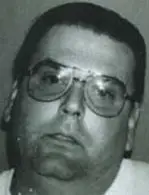
James Allen Kinney
Murderer Russell Ellwood
Murderer · USA · 1991
Russell Ellwood was a former taxi driver. Authorities suspected him of killing…
20 victims
Russell Ellwood
Murderer · USA · 1991
Russell Ellwood was a former taxi driver. Authorities suspected him of killing…
20 victims
 Robert Martines Perez
Murderer · USA · 1994
Name: Robert Martines Perez · Other name used in proceedings: Robert Martinez P…
15 victims
Robert Martines Perez
Murderer · USA · 1994
Name: Robert Martines Perez · Other name used in proceedings: Robert Martinez P…
15 victims
 Billy Frank Vickers
Murderer · USA · 1993
Billy Frank Vickers Vickers was executed by lethal injection in Texas on Januar…
14 victims
Billy Frank Vickers
Murderer · USA · 1993
Billy Frank Vickers Vickers was executed by lethal injection in Texas on Januar…
14 victims
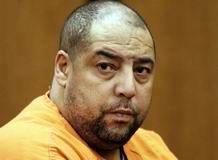 Elias Acevedo
Murderer · USA · 1994
Elias Acevedo Sr. was sentenced to 445 years to life in prison without parole o…
2 victims
Elias Acevedo
Murderer · USA · 1994
Elias Acevedo Sr. was sentenced to 445 years to life in prison without parole o…
2 victims
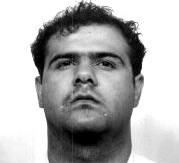 Jesse de la Rosa
Murderer · USA · 1979
Name: Jesse de la Rosa Jesse de la Rosa was executed by lethal injection in Tex…
1 victim
Jesse de la Rosa
Murderer · USA · 1979
Name: Jesse de la Rosa Jesse de la Rosa was executed by lethal injection in Tex…
1 victim
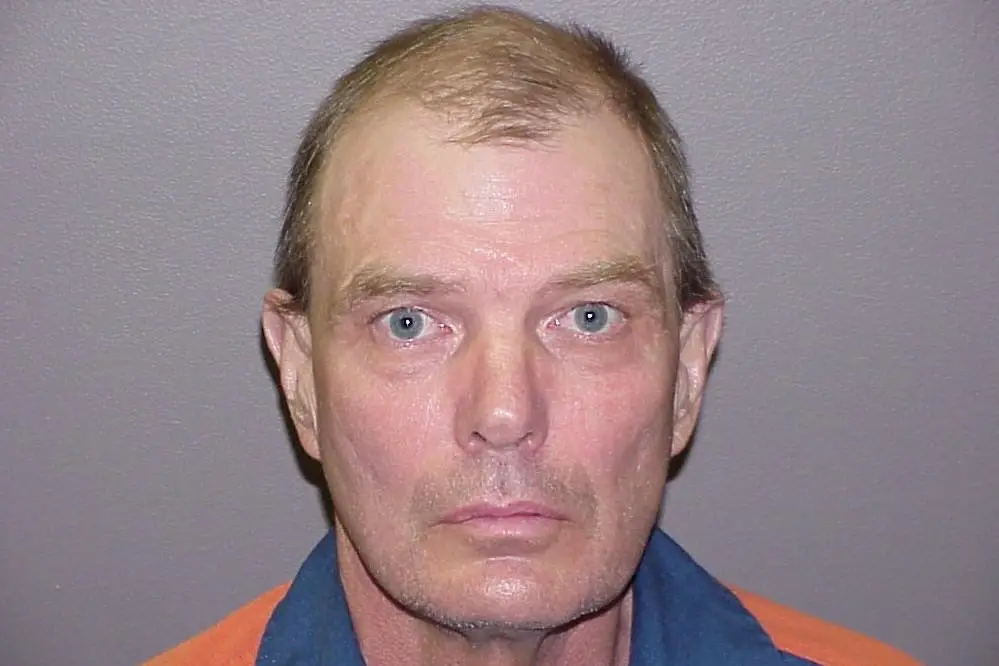 Richard Allen Jensen
Murderer · USA · 1990
Name: Richard Allen Jensen Sex: M Race: W Type: T Richard Allen Jensen was sent…
3 victims
Richard Allen Jensen
Murderer · USA · 1990
Name: Richard Allen Jensen Sex: M Race: W Type: T Richard Allen Jensen was sent…
3 victims
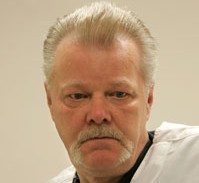 John Spirko
Murderer · USA · 1969
John Spirko John Spirko will not be executed for the 1982 murder of Betty Jane…
2 victims
John Spirko
Murderer · USA · 1969
John Spirko John Spirko will not be executed for the 1982 murder of Betty Jane…
2 victims
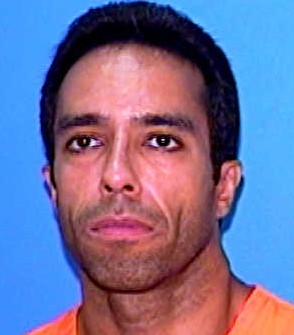 Daniel Lugo
Murderer · USA · 1995
Daniel Lugo DC# M16321 DOB: 04/06/63 Eleventh Judicial Circuit, Dade County, Ca…
2 victims
Daniel Lugo
Murderer · USA · 1995
Daniel Lugo DC# M16321 DOB: 04/06/63 Eleventh Judicial Circuit, Dade County, Ca…
2 victims
- Gender
- male
- Country
- USA
- Location
- Washington/Michigan/Iowa/Virginia, USA
- Date of birth
- September 11, 1949
- Age at first offence
- 48
- Characteristics
- rape, mutilation, history of mental illness
- Victim profile
- Young women
- Method of murder
- Beating to death
- Date(s) of murder
- 1997 - 1998
- Years active
- 1997–1998
- Date of arrest
- 2001
- Status
-
Life imprisonment
Sentenced to life in prion without parole in Washington on January 2002
Overview
James Allen Kinney was convicted for the rape and murder of Keri Lynn Sherlock. Sherlock was 20 and was from Braintree, Massachussetts. Kinney was a Vietnam War veteran and had a history of mental illness.
The offence
Keri Lynn Sherlock was raped and beaten to death. Sherlock was picked up while hitchhiking near Bellingham. Sherlock was eager to see the world and was always friendly and trusting of people. Sherlock traveled to Washington fulfilling her dream of seeing the Pacific Ocean. Sherlock came to Bellingham in 1998 to visit her uncle, to look at Western as a potential school, and to see the Pacific Ocean for the first time. As an outdoors lover, Sherlock went for a hike in the area on Oct 3, which was the last time her uncle and everyone else would see her alive. Her body was later found about an hour outside of Bellingham on the Mount Baker Highway. Another account stated that by late in the afternoon of October 3, 1998, Sherlock had not returned home and was reported to be missing by her family, and that on October 4, 1998, her body was found in Maymont Park. Investigators described the killing as ritualistic in nature, and reported that Sherlock’s body showed she was raped and her body mutilated in what authorities called a ritualistic sexual manner.
Investigation
A backpack found near Sherlock’s body led police to James Allen Kinney, a Bellingham resident and Vietnam War veteran with a history of mental illness. A warrant was released for Kinney’s arrest, but Kinney had already fled the area. Investigators also said Kinney had warrants in Michigan and Ohio for murdering two other women. Investigators working on the case were later able to verify parts of Kinney’s account of his life and actions. Authorities identified Sherlock through dental records. A trail of leads remained cold until a tip was called into “America’s Most Wanted” from a viewer in North Carolina who recognized Kinney.
Arrest and fugitive period
Kinney avoided capture for three years. After the tip on “America’s Most Wanted,” Kinney was arrested and admitted to Sherlock’s murder. Kinney spent time in California, Vermont and even Massachusetts and claimed to have thought about turning himself in, not to police, but to Sherlock’s family. Kinney said he went up to Massachusetts looking for her parents but could not find her house, explaining he looked in phone books but did not know what town the Sherlocks lived in. When reporters appeared incredulous about that claim, Kinney added: “If you were her mother and this guy comes in and says, I’m here to turn myself in,’ you might have been frightened, but you might have felt like, My prayers are answered.’” Kinney was described as a drifter and as a friendly and a pathological liar. Investigators described Kinney as living somewhere between Boynton Beach and north Broward county. Police said Kinney was believed to have been living in Delray Beach since May, and that he stayed at Veteran’s Administration Hospitals and homeless shelters throughout the U.S. Investigators said Kinney befriended an elderly Delray man confined to a wheelchair, whom he met at a local VA hospital. Investigators said Kinney typically hung out at American Legion halls or Veterans of Foreign Wars halls. A separate account stated that Kinney remained on the FBI’s fugitive task force wanted list. Kinney had scars on his right hand, his left calf and his right calf. In the past, Kinney had worked as a cook, a commercial fisherman, a truck driver, a hospital worker, and a landscaper. Kinney was described as transient and said to have stayed at Veteran’s hospitals and homeless shelters all over the country. Kinney was diagnosed as being bipolar and as having post traumatic stress disorder.
Other alleged killings mentioned in the case materials
Investigators said Kinney was a suspect in the 1997 slaying in Grand Rapids of 22-year-old Billie Jo Watson. Billie Jo Watson was last seen alive in Grand Rapids the night of Nov. 30, 1997. Four days later, her body was found. Authorities said the murder happened in 1997 and involved Kinney. Detectives in Whatcom County found papers in a vehicle abandoned near Sherlock’s body that belonged to Kinney and listed the Grand Rapids address where he had lived for nearly two years. A November 1998 set of allegations said Kinney was responsible for the disappearance and murder of the 20-year-old Keri Lynn Sherlock. Investigators also described a 1998 murder of a Des Moines, Iowa, woman and a 1997 murder of a Grand Rapids, Michigan, woman, as pointing to Kinney, and stated that all three victims were young, white women. Police in Delray Beach said Kinney was suspect killer women in Washington, Michigan e Iowa. A warrant issuance was described in connection with the Sherlock case in Richmond County Superior Court in the state of Virginia, and an Unlawful Flight to Avoid Prosecution warrant was issued in the Eastern District of Virginia. A reward was offered by the Whatcom County Sheriff’s Office in Washington for information that leads to Kinney’s arrest. The material also described a nationwide manhunt focused on the suspected Grand Rapids serial killer.
Trial
Kinney spoke with reporters for an hour in an 11-by-15-foot holding cell while awaiting transfer to a state prison. Kinney wore white rubber sandals and yellow prison fatigues, and he sat unshackled in the small room with cinder block walls and a gray concrete floor. A public defender, John Komorowski, represented Kinney. Komorowski leaned against a nearby wall during the interview. Often, Kinney appeared overwhelmed or confused, turning to look to Komorowski for assistance. Kinney frequently expressed feeling “jittery,” and again looked to his lawyer for help.
Sentencing and legal outcome
Monday’s sentencing sent Kinney to prison for life for the rape and murder of Keri Sherlock in 1998. The sentencing closed a case that devastated a Braintree family and inspired a nationwide manhunt. Kinney was sentenced to life in jail without parole. He was serving his sentence at the Washington State Penitentiary.
Statements and quotations
James Allen Kinney said:
“I walked into a police station in Pennsylvania, to get directions to Allentown, and the officer said, You look familiar,’”
“I said I’m just your average Joe,’ and walked back out.”
James Allen Kinney said:
“The monster who killed Keri Sherlock”
and the “civic-minded” citizen.
James Allen Kinney said:
“I let John Walsh pave the way,”
of the “America’s Most Wanted” host.
“Wherever they were looking, I wasn’t there.”
James Allen Kinney said:
“I can’t undo what I’ve done. I’ve had rages for years and years,”
Kinney said as the interview concluded.
“I’m asking Keri to forgive me for what I did to her. If I have to die the same way she did, so be it.”
James Allen Kinney said:
“If you were her mother and this guy comes in and says, I’m here to turn myself in,’ you might have been frightened, but you might have felt like, My prayers are answered.’”
John Komorowski said:
“Society fails the mentally ill,”
“If he had been on the proper medication, I don’t think this would ever have happened.”
Personal background and mental health
Kinney was born Earle Norman Suskey in Tulsa, Okla. on Sept. 5, 1949. He was the second child of a troubled marriage. His father was an alcoholic who physically abused Kinney and would abandon the family for days, weeks or months at a time, according to court records. By the time Kinney was 2, alcohol, infidelity and violence had taken a toll on his parents, and Kinney and his brother were put up for adoption becoming wards of the state. A young couple, Margaret and Clifford Kinney, took in the two children initially on a foster-care basis and adopted them after just a few months. The family moved to Lansing, Mich., so the boys could grow up on a farm. The Kinneys joined the local Methodist church and attended weekly Sunday services. They lived a modest life, spending much of their time on the farm or fishing. Kinney said: “I had my own cows,” Kinney says with a sudden, surprising laugh and lingering smile. “I got up at 4 a.m. to feed the cows and got an animal husbandry badge, along with a Future Farmers of America badge.” Court records stated Kinney was horse-whipped, leaving scars on his right cheek. Clifford Kinney began to notice signs of “mental problems” when Kinney returned from service in the early 1970s. Kinney had been in hospitals for extended psychiatric treatment at least 26 times since 1980. Kinney was diagnosed as a paranoid schizophrenic with bipolar disorder. Kinney was taking mood-stabilizing medications, including lithium, according to John Komorowski.
Mental illness and defence counsel views
John Komorowski stated that Kinney’s mental illness was no excuse for murder. Komorowski said Kinney deserved to die in prison. Komorowski said that Kinney did not deserve all the blame. Komorowski said his client’s account of his life and actions were not entirely true, but investigators working on the case were able to verify parts of it. Komorowski said Kinney lied about being the leader of a Boy Scout troop. Komorowski said: “Did he get a book about the FBI? Maybe,” and that he was probably not in all the places Kinney claimed to have visited.
Timeline
- Oct 3, 1998 — Keri Lynn Sherlock went for a hike in the area near Bellingham.
- Oct 4, 1998 — Sherlock’s body was found in Maymont Park.
- 1998 — Sherlock came to Bellingham to visit her uncle, look at Western as a potential school, and see the Pacific Ocean.
- Nov. 30, 1997 — Billie Jo Watson was last seen alive in Grand Rapids.
- 1997 — Authorities investigated a possible connection involving Kinney and the murder of 22-year-old Billie Jo Watson.
- January 2002 — Kinney was sentenced to life in jail without parole in Washington.
- Sept. 5, 1949 — James Allen Kinney was born Earle Norman Suskey in Tulsa, Okla.
- October 2, 1998 — A warrant was issued in Richmond County Superior Court in Virginia charging Kinney with Aggravated Homicide.
- November 18, 1998 — An Unlawful Flight to Avoid Prosecution warrant was issued in the Eastern District of Virginia.
- May — Police in Delray Beach said Kinney had been living in Delray Beach since May.
- April — Kinney was spotted at the Philadelphia International Airport after he was profiled on “America’s Most Wanted.”
- October 8, 1998 — A warrant was issued in Richmond County Superior Court in Virginia, charging Kinney with Aggravated Homicide.
- December — Allegations against Kinney were broadcast nationally on “America’s Most Wanted.”
Other details
Kinney used the alias Jerome Romano Porrovecchio. Investigators described Sherlock as a Braintree resident and as being from Braintree, Massachussetts. Sherlock let her daughter go but made Sherlock promise to call every day. Her mother later learned the validity of her concerns as Sherlock became the latest victim of another Bellingham killer. She was 20. A backpack found near her body led police to Kinney. A warrant released for Kinney’s arrest was issued after the discovery. Police offered $10,000 for information that leads to Kinney’s arrest.
Spotted an error, or have more information about this case?