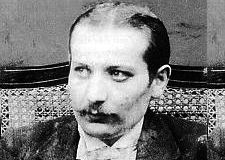
Mathias Kneibl
Murderer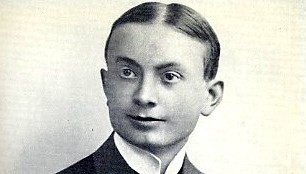 Karl Hau
Murderer · Germany · 1906
Karl Hau was accused of the murder of his mother-in-law, Frau Josephine Molitor…
1 victim
Karl Hau
Murderer · Germany · 1906
Karl Hau was accused of the murder of his mother-in-law, Frau Josephine Molitor…
1 victim
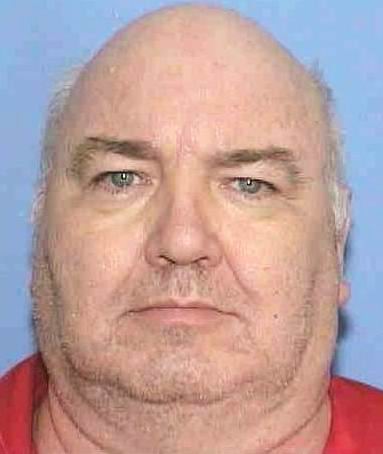 Paul Woodward
Murderer · USA · 1986
Paul E. Woodward was convicted of capital murder (with the underlying crime of…
1 victim
Paul Woodward
Murderer · USA · 1986
Paul E. Woodward was convicted of capital murder (with the underlying crime of…
1 victim
 Dana Ray Edmonds
Murderer · USA · 1983
Dana Ray Edmonds Edmonds was sentenced to death after a bench trial in 1983 for…
1 victim
Dana Ray Edmonds
Murderer · USA · 1983
Dana Ray Edmonds Edmonds was sentenced to death after a bench trial in 1983 for…
1 victim
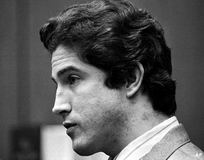 Kenneth Bianchi
Serial killer · USA · 1977
Kenneth Alessio Bianchi (born May 22, 1951) was an American serial killer. He a…
12 victims
Kenneth Bianchi
Serial killer · USA · 1977
Kenneth Alessio Bianchi (born May 22, 1951) was an American serial killer. He a…
12 victims
- Gender
- male
- Country
- Germany
- Location
- Bavaria, Germany
- Date of birth
- August 4, 1875
- Age at first offence
- 25
- Characteristics
- robbery, to avoid arrest
- Victim profile
- T wo policemen
- Method of murder
- Shooting
- Date(s) of murder
- November 30, 1900
- Years active
- 1900
- Date of arrest
- Three months later (wounded by police)
- Status
-
Executed
Executed by guillotine on February 21, 1902
Case record: Mathias Kneißl
Personal details
Mathias Kneißl was known as Robber Kneißl (in German Räuber Kneißl , in Austro-Bavarian Raiba Kneißl ). He was born 4 August 1875 in Unterweikertshofen. He died 21 February 1902.
Background
Mathias Kneißl was a German outlaw, poacher and popular social rebel in the Dachau district, in the Kingdom of Bavaria. He was chased by the police and became a legendary hero with the rural people because of his witful and artful fight against the authorities.
Mathias Kneißl was the eldest of six children of a poor innkeeper. In 1886 his father purchased the mill at Sulzemoos Schacher. At 16 he was imprisoned for the first time because members of his family were suspected of stock rustling.
His father died in 1892 while in police custody. Kneissl then began accompanying his brothers on robberies.
In 1893 he was arrested for the second time. His younger brother Alois had been shot by police while resisting arrest and died of tuberculosis after four years in prison. Mathias Kneißl was sentenced to five years and nine months in prison. After serving his sentence, he was released in February 1899.
After his release, he worked as a carpenter in Nußdorf am Inn. After six months Kneißl was dismissed by his master because his colleagues refused to work with him any longer. Due to his bad reputation, he was unable to find another job.
For two years, Kneißl was pursued by the police. After his accomplices were arrested, he continued committing armed robberies on his own.
The offence
Kneißl faced a trial at Augsburg in November 1901. During that period he was charged with two murders, attempted murder, as well as armed robbery and extortion.
At his trial, he reportedly said:
"I can suffer no wrong. I cannot bend, I would rather kill myself."
The account of his pleas was that Kneißl confessed to most of the charges, but denied an intent to kill against the two policemen who were shot by him. However, the court found him guilty of murder, premeditated bodily harm with fatal consequences, extortion and for aggravated robbery.
Investigation and policing events
An attempt to arrest him occurred on 30 November 1900 in Irchenbrunn Altomünster. In a massive gun battle, two policemen were injured so badly that they subsequently died.
Three months later, on March 1901, Kneißl was catpured in at Geisen Egenhofen by 60 policemen. During the preceding gunfight, Kneißl was seriously injured by a bullet in the abdomen.
Trial
Between 14 and 19 November, 1901 Kneißl was placed on trial at Augsburg.
Sentencing
The court sentenced him to receive the death penalty for murder and 15 years imprisonment on the other charges.
Judge Anton Rebholz appealed by letter to the Ministry of Justice, and the Ministry of Justice confirmed Kneißl’s death sentence.
Execution
Kneißl was awakened shortly after seven o’clock on the morning of 21 February 1902. He was executed via guillotine.
The executioner was Franz Xaver Reichhart.
Outcome
Mathias Kneißl was executed by guillotine on 21 February 1902.
Legacy
Kneißl was already a legendary figure during his own lifetime. The people, especially the small farmers of Bavaria, saw in his outlaw life something revolutionary, a rebellion against the authorities. Even in recent times the Kneißl legend remains popular.

Spotted an error, or have more information about this case?