
Friedrich Leibacher
Mass murderer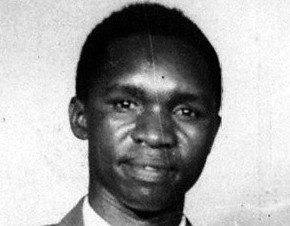 Joseph Kibweteere
Mass murderer · Uganda · 2000
Joseph Kibweteere led a breakaway sect known as the Movement for the Restoratio…
1000 victims
Joseph Kibweteere
Mass murderer · Uganda · 2000
Joseph Kibweteere led a breakaway sect known as the Movement for the Restoratio…
1000 victims
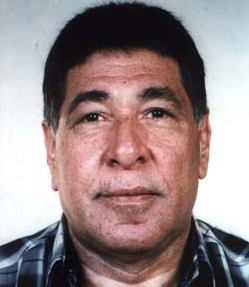 Gameel Al-Batouti
Mass murderer · USA · 1999
Gameel Al-Batouti (also rendered “Gamil ElBatouty” or “El Batouty” in U.S. offi…
216 victims
Gameel Al-Batouti
Mass murderer · USA · 1999
Gameel Al-Batouti (also rendered “Gamil ElBatouty” or “El Batouty” in U.S. offi…
216 victims
 Kim Dae-Han
Mass murderer · South Korea · 2003
Name: Kim Dae-Han · Age: 56 · Occupation/background: He was an unemployed forme…
198 victims
Kim Dae-Han
Mass murderer · South Korea · 2003
Name: Kim Dae-Han · Age: 56 · Occupation/background: He was an unemployed forme…
198 victims
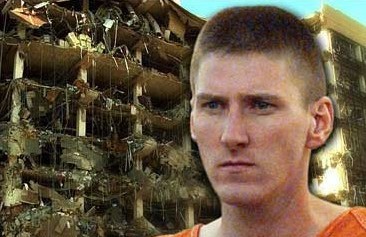 Timothy McVeigh
Mass murderer · USA · 1995
Timothy James McVeigh (April 23, 1968 – June 11, 2001) was a United States Army…
168 victims
Timothy McVeigh
Mass murderer · USA · 1995
Timothy James McVeigh (April 23, 1968 – June 11, 2001) was a United States Army…
168 victims
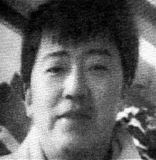 Zhang Pilin
Mass murderer · China · 2002
Zhang Pilin (张丕林) died in the plane crash of China Northern Airlines Flight 613…
111 victims
Zhang Pilin
Mass murderer · China · 2002
Zhang Pilin (张丕林) died in the plane crash of China Northern Airlines Flight 613…
111 victims
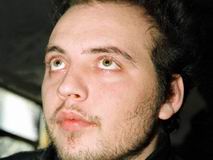 Antonis Daglis
Serial killer · Greece · 1992
Antonis Daglis (Greek: Αντώνης Δαγλής, born 1974) was a Greek serial killer. He…
3 victims
Antonis Daglis
Serial killer · Greece · 1992
Antonis Daglis (Greek: Αντώνης Δαγλής, born 1974) was a Greek serial killer. He…
3 victims
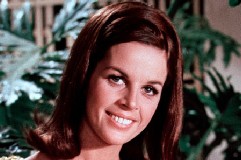 Claudine Longet
Homicide · USA · 1976
Claudine Georgette Longet (born 29 January 1942) was a French singer, actress,…
1 victim
Claudine Longet
Homicide · USA · 1976
Claudine Georgette Longet (born 29 January 1942) was a French singer, actress,…
1 victim
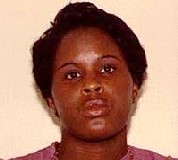 Debra Sue Tuggle
Murderer · USA · 1974
Debra Sue Tuggle was an African American woman born in Arkansas. She had a hist…
4 victims
Debra Sue Tuggle
Murderer · USA · 1974
Debra Sue Tuggle was an African American woman born in Arkansas. She had a hist…
4 victims
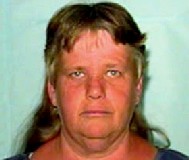 Christine Falling
Homicide · USA · 1980
Christine Falling (1980-1982) was a 17-year-old babysitter from Perry, Florida.…
5 victims
Christine Falling
Homicide · USA · 1980
Christine Falling (1980-1982) was a 17-year-old babysitter from Perry, Florida.…
5 victims
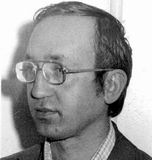 Vasiliy Kulik
Serial killer · Russia · 1984
Vasiliy Kulik was a Russian serial killer. He was responsible for the murders o…
13 victims
Vasiliy Kulik
Serial killer · Russia · 1984
Vasiliy Kulik was a Russian serial killer. He was responsible for the murders o…
13 victims
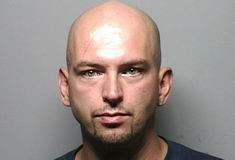 Scott Eby
Murderer · USA · 2004
Scott Eby — defendant · Riley Fox — victim; three-year-old girl · Kevin Fox — R…
1 victim
Scott Eby
Murderer · USA · 2004
Scott Eby — defendant · Riley Fox — victim; three-year-old girl · Kevin Fox — R…
1 victim
- Gender
- male
- Country
- Switzerland
- Location
- Zug, Switzerland
- Date of birth
- J uly 21, 1944
- Age at first offence
- 57
- Characteristics
- revenge, alcohol, child abuse
- Victim profile
- Herbert Arnet , 50 / Peter Bossard , 63 / Martin Döbeli , 57 / Jean Paul Flachsmann , 65 / Karl Gretener , 40 / Heinz Grüter , 53 / Konrad Häusler , 45 / Dorothea Heimgartner-Häller , 53 / Monika Hutter-Häfliger , 52 / Erich Iten , 44 / Katharina Langenegger-Lipp , 59 / Kurt Nussbaumer , 49 / Rolf Nussbaumer , 36 / Wilhelm Wismer , 44 (members of the Zug canton Parliament)
- Method of murder
- Shooting
- Date(s) of murder
- September 27, 2001
- Years active
- 2001
- Date of arrest
- —
- Status
-
Died in custody
Committed suicide by shooting himself on 27 September 2001.
Case overview
Friedrich Leibacher (July 21, 1944 – September 27, 2001) was a Swiss spree killer who entered the Zug canton Parliament disguised as a police officer and opened fire during a local parliamentary session. He killed 14 members of the Zug canton Parliament and injured 18 others before committing suicide. He left behind a suicide note titled “Tag des Zornes für die Zuger Mafia” (“Days of wrath for the Zug mafia”).
Timeline
- 27 September 2001 — Friedrich Leibacher entered the Zug Parliament disguised as a police officer and armed with a pistol, a pump-action shotgun, and a rifle; he fired more than 90 shots during the session; he detonated a small home-made bomb and then shot himself.
- 27 September 2001 (10:30 AM) — A gunman burst into the assembly session at the regional parliament building in Zug and began firing with an assault rifle and a pistol; police said he detonated an explosive device before turning his gun on himself.
Background
Friedrich Leibacher had been employed in business and had several failed marriages to women from the Dominican Republic, one of whom produced a daughter. In 1970 he was convicted of fraud, public obscenity and obscene acts with children, and sentenced to 18 months detention; he served his sentence in a work-training institution. After leaving detention, Leibacher became unemployed. Doctors diagnosed a personality disorder and alcoholism, and he received an invalidity pension.
In 1998 he was convicted of threatening a bus driver employed by the Zug transport company. Leibacher was upset by his treatment and wrote frequently to the authorities with letters of complaint. The passage of time did not diminish his grievance as Leibacher began to believe he was the target of a government conspiracy led by Robert Bisig, a Cantonal Minister. Leibacher sued Bisig but in September 2001 his actions were dismissed by the court.
Friedrich Leibacher’s grievances were described as dating back to a row with a bus driver two years before the massacre. He threatened and insulted public transport workers, leading the transport department to file a complaint. Leibacher responded with counter-complaints relating to transport and justice department figures. He filed suits at every level of the Swiss legal system, including the Supreme Court. All his cases were dismissed, and he was told of the most recent rejection shortly before he went on the killing spree. A local investigator, Kurt Blöchinger, said: “He did this purely out of revenge and fury.”
The offence
At 10:30 AM on September 27, 2001, Leibacher entered the Zug Parliament disguised as a police officer and armed with a pistol, a pump-action shotgun, and a rifle. He made his way to the Parliament chamber where he fired more than 90 shots randomly. Politicians and journalists alike were hit, although Robert Bisig escaped unscathed. Finally, Leibacher detonated a small home-made bomb, then shot himself. He left behind a suicide note describing his action as a “Day of rage for the Zug mafia”.
The attack took place at the regional parliament building in the town of Zug, 25 km (16 miles) south of Zurich. Police identified the attacker as Friedrich Leibacher, 57, of canton Zurich, and said he had been involved in a legal conflict with local authorities. Authorities said that he entered the parliament building at 10.30am and opened fire in the assembly room with an assault rifle. The authorities said he briefly left, came back and threw a hand grenade into the room where 80 local representatives were gathered for the cantonal parliament’s monthly session.
The assault included use of a SIG-Sauer pistol, a pump-action shotgun, and firearms including a Swiss-made 5.6mm SIG “Sturmgewehr 90” used by the Swiss army. Police also seized a car with Swiss licence plates found near the parliament building that contained weapons. Police say it was probable that Leibacher had served in the country’s militia army when he was younger.
One account said Leibacher fired 91 rounds. Another described the firing as bursts of dozens of rounds, including an allegation of about 120 rounds from the assault rifle and some shots from the pump-action shotgun. Witnesses reported a hand grenade or an explosion believed to be caused by a home-made bomb hurled by the man into the assembly hall. The blast filled the room with smoke, ripped off doors, and shattered windows.
During the attack, politicians and journalists threw themselves to the floor amid loud screams from the injured. One member of parliament compared the attack to an execution. Hanspeter Hausheer, a member of the assembly and a banker at UBS Warburg, said: “It lasted about three minutes, almost like an execution.” A police spokesman said: “He had been firing randomly with an assault rifle and killed 14 people. Ten more were severely wounded, eight more critically wounded.” The police spokesman added: “He fired at random — there appeared to be no method to his shooting.” Survivors said he threw in what appeared to be hand grenades, or perhaps a home-made bomb in a package, and that “we´re not sure.”
Klara Schumann, a housewife passing by at the time, said: “All I heard was the duh-duh-duh low thuds of gunfire and I knew something terrible was happening.” She added: “I looked inside and saw people running and people staggering around with blood all over them. Blood was running in the hallways, like so much splashed paint. It was ghastly, a nightmare scene.”
Rupy Enzler, a local journalist who was in the chamber at the time, said: “He was shouting abuse at the parliament, saying that now their time was up. All the time he was shouting he fired wildly about him,”
Victims
The Zug massacre took place September 27, 2001 in the city of Zug (Canton of Zug, Switzerland) in the canton's parliament. Fourteen politicians were shot dead by Friedrich Leibacher, who shortly after killed himself. The dead included three “Regierungsräte” (government members) and eleven “Kantonsräte” (members of parliament), and the injury toll included numerous politicians as well as some journalists.
Identified victims named in the case record were:
- Herbert Arnet, 50
- Peter Bossard, 63
- Martin Döbeli, 57
- Jean Paul Flachsmann, 65
- Karl Gretener, 40
- Heinz Grüter, 53
- Konrad Häusler, 45
- Dorothea Heimgartner-Häller, 53
- Monika Hutter-Häfliger, 52
- Erich Iten, 44
- Katharina Langenegger-Lipp, 59
- Kurt Nussbaumer, 49
- Rolf Nussbaumer, 36
- Wilhelm Wismer, 44
Investigation and weapons
Police say Leibacher carried a Swiss army standard assault rifle and handgun and also had a pump-action shotgun and a revolver. A police spokesman said the guns used were standard issue weapons which Swiss nationals have to keep in case of call up. Police found an additional gun in his car parked in the disabled space outside the parliament building. Police found a letter left behind by the gunman that spoke of “a day of rage against the Zug mafia.”
Roland Schwyter, the investigating magistrate in charge of the inquiry, said Leibacher first acquired a gun with a licence in 1996—the revolver carried but not used in Thursday’s attack. In 1998 Leibacher bought two more guns with licences, a 9mm Sig 210 pistol and a 9mm SigSauer P232 pistol.
Police said Leibacher had been able to legally buy the weapons though he had already threatened people and had been known as a grumbler, and that a report had been made against him. Police said he had been found having a paranoid personality disorder and “brain weakness” (“Gehirnschwäche”) in older medical certificates. Despite this, police said no measures followed to avoid the catastrophe.
Arrest and custody
No arrest and no custody events were described because Leibacher committed suicide during the attack.
Trial, appeals, and related legal actions
In 1970, Leibacher was convicted of fraud, public obscenity and obscene acts with children and sentenced to 18 months detention.
In 1998, Leibacher was convicted of threatening a bus driver employed by the Zug transport company.
Leibacher sued Robert Bisig and, in September 2001, his actions were dismissed by the court. A government official, Robert Bisig, said that a court had this week dismissed seven suits brought by Leibacher against the authorities. Bisig stated that Leibacher had bombarded the officials with letters and pamphlets demanding his rights; Bisig said: “He wanted money from us, lots of money.” Bisig also said: “He wanted money from us, lots of money.” Another account included: “All his accusations were dismissed because ‘they were so far from reality,’” and included the quote: “far removed from reality.”
Suicide note and statements
Leibacher left a suicide note titled “Tag des Zornes für die Zuger Mafia” (“Days of wrath for the Zug mafia”), and police found a letter left behind that spoke of “a day of rage against the Zug mafia.” One account described the confession note as describing his actions as a “Day of rage for the Zug mafia”.
Aftermath
After the killings, security was tightened at government buildings across the country. The federal parliament in Bern announced plans to introduce metal detectors and bag checks.
Swiss President Moritz Leuenberger headed to Zug upon news of the attack and laid down flowers in front of Zug's Parliament building. Leuenberger ordered all flags to fly at half-staff for three days. He said: “This was not just an attack on people, but it was also an attack on our democratic institutions.” He also said: “We live in a country where even the highest ranking politicians can move about freely.” A day of mourning was declared.
Peter Hess, speaker of the national House of Representatives and a Zug native, called for a minute’s silence and said: “I am shocked this happened in Zug,” and “I cannot remember an attack against parliamentarians in a parliament building in Switzerland ever happening during a session.” Hess and Leuenberger attended a religious service in Zug’s church on Thursday evening.
As an aftereffect, many local parliaments increased their security. Some established strict access control for visitors and security passports for politicians. On the national level, the Sektion Sicherheit Parlamentsgebäude was established as part of the Bundessicherheitsdienst, a police unit of 35, which secures the Bundeshaus in Bern. Access controls with x-ray were installed for a general electronic access control for visitors. Different wings of the Bundeshaus were secured with security gates opened by politicians with a badge. Many cantons and communities compiled files listing the names of people who count as Nörgler, Querulanten and Behördenhasser (nigglers, grumblers, haters of the administration), who threatened people or made intense use of appeals and bombarded authorities with protest notes and thought they had been treated unfairly after appeals had been dismissed; since the Zug massacre, such people were watched more closely. Mediation centres were founded where Ombudsmänner tried to mediate in conflict situations. Police stations became more sensitive to threats, and people making threats were temporarily detained and their houses searched, with weapons found quite often. When issuing weapon licenses, the person was examined more sharply because Leibacher had been found having a paranoid personality disorder and “brain weakness” in older medical certificates.
A police investigation was underway, and the attack was described as Switzerland’s worst mass killing on record. The last shooting by a gunman occurred in 1992, when Erminio Criscione ran through three southern Swiss villages ringing bells and shot six people as they opened the door. In May 1991, a businessman killed five members of his family before shooting himself in an alpine valley.
Spotted an error, or have more information about this case?