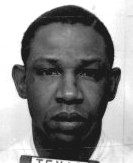
Rickey Lynn Lewis
Murderer Brian Kevin Rosenfeld
Murderer · USA · 1985
Brian Kevin Rosenfeld Brian Kevin Rosenfeld was sentenced to three concurrent l…
23 victims
Brian Kevin Rosenfeld
Murderer · USA · 1985
Brian Kevin Rosenfeld Brian Kevin Rosenfeld was sentenced to three concurrent l…
23 victims
 Yahweh ben Yahweh
Murderer · USA · 1980
Yahweh ben Yahweh was born and legally named Hulon Mitchell Jr. (October 27, 19…
23 victims
Yahweh ben Yahweh
Murderer · USA · 1980
Yahweh ben Yahweh was born and legally named Hulon Mitchell Jr. (October 27, 19…
23 victims
 Russell Ellwood
Murderer · USA · 1991
Russell Ellwood was a former taxi driver. Authorities suspected him of killing…
20 victims
Russell Ellwood
Murderer · USA · 1991
Russell Ellwood was a former taxi driver. Authorities suspected him of killing…
20 victims
 Robert Martines Perez
Murderer · USA · 1994
Name: Robert Martines Perez · Other name used in proceedings: Robert Martinez P…
15 victims
Robert Martines Perez
Murderer · USA · 1994
Name: Robert Martines Perez · Other name used in proceedings: Robert Martinez P…
15 victims
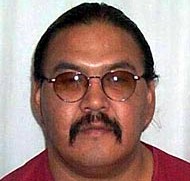 Clifford Sleigh
Murderer · Canada · 1992
September 6, 1992 — Corinne Gustavson (“Punky”) was kidnapped from her north Ed…
1 victim
Clifford Sleigh
Murderer · Canada · 1992
September 6, 1992 — Corinne Gustavson (“Punky”) was kidnapped from her north Ed…
1 victim
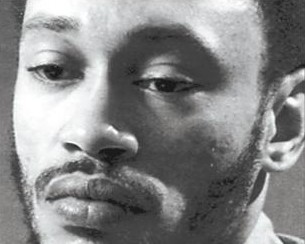 Morris Odell Mason
Murderer · USA · 1978
Morris Odell Mason was a Virginia prisoner who was executed by electrocution in…
2 victims
Morris Odell Mason
Murderer · USA · 1978
Morris Odell Mason was a Virginia prisoner who was executed by electrocution in…
2 victims
 John Thomas Satterwhite
Murderer · USA · 1979
John Thomas Satterwhite was convicted and sentenced to death for the March 1979…
1 victim
John Thomas Satterwhite
Murderer · USA · 1979
John Thomas Satterwhite was convicted and sentenced to death for the March 1979…
1 victim
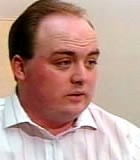 Richard Allen Williams
Murderer? · USA · 1992
Boone County Prosecutor Kevin Crane dismissed the charges in August 2003 after…
10 victims
Richard Allen Williams
Murderer? · USA · 1992
Boone County Prosecutor Kevin Crane dismissed the charges in August 2003 after…
10 victims
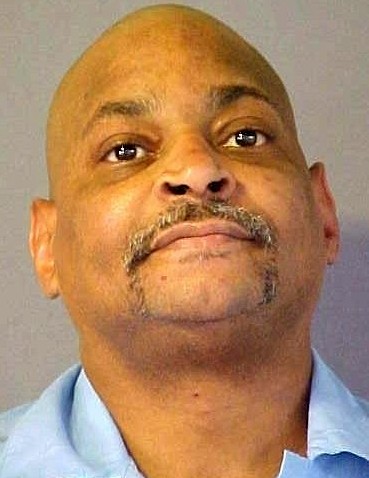 Eric Allen Patton
Murderer · USA · 1994
Eric Allen Patton — defendant; convicted killer; former handyman · Charlene Kau…
1 victim
Eric Allen Patton
Murderer · USA · 1994
Eric Allen Patton — defendant; convicted killer; former handyman · Charlene Kau…
1 victim
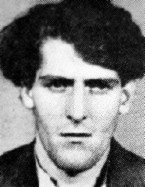 Peter Anthony Allen
Murderer · United Kingdown · 1964
Peter Anthony Allen (4 April 1943 – 13 August 1964) was a defendant in a joint…
1 victim
Peter Anthony Allen
Murderer · United Kingdown · 1964
Peter Anthony Allen (4 April 1943 – 13 August 1964) was a defendant in a joint…
1 victim
- Gender
- male
- Country
- USA
- Location
- Smith County, Texas, USA
- Date of birth
- J uly 21, 1963
- Age at first offence
- 27
- Characteristics
- rape, robbery
- Victim profile
- George Ray Newman, 45
- Method of murder
- Shooting
- Date(s) of murder
- September 17, 1990
- Years active
- 1990
- Date of arrest
- 3 days after
- Status
-
Sentenced to death
Sentenced to death on May 6, 1994; execution later carried out by lethal injection on 9 April 2013
Case record: Rickey Lynn Lewis
Background
Rickey Lynn Lewis was convicted of capital murder involving George Newman and sexually assaulting Newman’s fiancée, Connie Hilton, during a burglary of Newman’s home.
At the time of the offence, Connie Hilton noticed an armed man walk past the bathroom doorway in the early morning of September 17, 1990. Hilton screamed to her sleeping fiancé (George Newman) and heard a gunshot.
Lewis was described as having a long criminal record and having been in and out of prison multiple times. The account of Lewis’s prior history included an arrest and conviction in January 1986 after he assaulted an 18-year-old girl who had thwarted his attempt to burglarize her family’s vehicles. In that same year, Lewis became “combative” with police after his arrest for theft of a small refrigerator from a local hospital; the theft was never prosecuted.
Lewis again violated the law in April 1988 and received a 25-year prison sentence for burglary of a building. By 1990, Lewis was released back onto the streets.
In July 1990, Lewis stole a pick-up truck, crashed the truck into a tree after police chase, fled the accident scene, and was captured a short time later.
Two months later, on September 13, 1990, Lewis used a sawed-off shotgun and expressed willingness to kill in order to carry out the robbery of a Tyler retail store. He left with some of the store’s cash and, as a hostage, the store’s elderly manager. Lewis directed his hostage to the side of a nearby building, told her to turn her back to him as he raised the gun, fled when a car drove past, and was identified as the perpetrator of an aggravated robbery and aggravated kidnaping shortly after his arrest for capital murder.
Lewis was also described as a ninth-grade dropout who worked as a laborer, and as having claimed mental disabilities.
The offence
Events at George Newman’s home
In the early morning of September 17, 1990, after Connie Hilton noticed an armed man in the bathroom doorway area, she screamed to George Newman and heard a gunshot.
Hilton attempted to hide in the bathroom. A man aimed a gun at her, saying: “Shut up […], or I’ll shoot you, too.”
Hilton began struggling with that man and was struck in the head at least twice. She finally submitted. Hilton was lifted by two individuals, who told her to cover her eyes.
Hilton was led outside and later directed into the living room, where she was sexually assaulted by the man who had been in the bathroom with her.
That man took Hilton into the kitchen, where he tied her hands and feet. Hilton heard sounds indicating the house was being ransacked.
Hilton later felt a gun barrel placed between her legs and the man told her: “Quit whimpering, […]. Somebody will find you in the morning.”
Hilton testified that, because of the voice, she knew it was the man who remained with her from when she was discovered in the bathroom until when she was left in the kitchen.
Hilton’s testimony also described that Newman responded to her scream and was shot in the face. A dog in the home was also killed. Hilton testified that she was assaulted for over an hour by Lewis while other people Lewis claimed were there stole items from the house. Hilton testified she was ordered: “Quit whimpering,” felt a gun barrel on her, and was told someone would find her in the morning. Hilton testified she was left in the kitchen with her hands and feet bound, then managed to free herself, crawled to Newman to find him dead, and climbed out a window to seek help.
DNA evidence and physical evidence
During a search of the room where the sexual assault occurred, investigators collected pubic hairs that were consistent with samples taken from Lewis. Through DNA analysis, samples of Lewis’s blood were matched with traces of blood found both in the house and in the victim’s car, recovered the next morning. The DNA analysis also matched semen recovered from the house and Hilton.
Investigation
Investigators collected pubic hairs consistent with samples taken from Lewis.
DNA analysis matched Lewis’s blood to traces of blood found in the house and in the victim’s car, recovered the next morning, and matched semen recovered from the house and Hilton.
Lewis was arrested three days later after he was seen with some of the items stolen from Newman’s home.
Arrest
Lewis was arrested three days after the September 17, 1990 offence after he was seen with some of the items stolen from the house.
Trial
Indictment and conviction
In January 1991, a Smith County grand jury indicted Lewis for capital murder.
On April 26, 1994, a Smith County jury found Lewis guilty of the 1990 capital murder of George Newman while in the course of committing the felony offences of burglary of Newman’s home and aggravated sexual assault of Newman’s fiancée, Connie Hilton.
After the jury recommended capital punishment, the trial court sentenced Lewis to death by lethal injection.
Punishment phase history and mental retardation proceedings
During Lewis’s second sentencing, jurors learned about his prior criminal conduct. The second sentencing described the January 1986 arrest and conviction after he assaulted an 18-year-old girl who had thwarted his attempt to burglarize her family’s vehicles. Jurors also learned that Lewis became very “combative” with police after his arrest for theft of a small refrigerator from a local hospital (the theft was never prosecuted), and that Lewis received a 25-year prison sentence in April 1988 for burglary of a building.
Lewis’s appeals and related proceedings also focused on whether he was mentally impaired and ineligible for the death penalty under Supreme Court rulings, including claims tied to mental retardation.
Sentencing
On June 19, 1996, the Texas Court of Criminal Appeals reversed the death sentence and remanded for a new punishment hearing.
On February 27, 1997, a second Smith County jury recommended capital punishment, and the trial court again sentenced Lewis to death by lethal injection.
On June 23, 1999, the Texas Court of Criminal Appeals affirmed Lewis’s sentence.
Appeals
State and federal habeas history and procedural events
On April 19, 2000, the Texas Court of Criminal Appeals denied state writ of habeas corpus.
On June 20, 2002, the U.S. District Court denied petition for a federal writ of habeas corpus.
On January 22, 2003, the U.S. Court of Appeals for the Fifth Circuit affirmed the denial.
In May 2003, Lewis’s execution was scheduled to take place on August 7, 2003.
On July 24, 2003, the Texas Court of Criminal Appeals remanded and granted a stay of execution.
Lewis moved the trial court in October 2003 for appointment of counsel and for permission to obtain investigative and expert assistance to pursue his mental retardation claim. When the court denied his request, Lewis sought a writ of mandamus. On April 28, 2004, the Texas Court of Criminal Appeals upheld the lower court’s decision.
On October 6, 2003, the U.S. Supreme Court denied Lewis’s petition for a writ of certiorari.
On April 15, 2005, the Fifth Circuit granted Lewis leave to file a successive federal habeas petition.
On June 29, 2005, the Texas Court of Criminal Appeals denied Lewis’s subsequent state writ.
On June 22, 2007, the federal district court denied Lewis’s second federal habeas petition.
On August 12, 2008, the Fifth Circuit remanded for rehearing.
On October 19, 2010, the federal district court again denied relief.
On November 20, 2012, the Fifth Circuit affirmed the district court’s denial of relief.
On January 11, 2013, the Trial Court of Smith County set Lewis’s execution for April 9, 2013.
On February 18, 2013, Lewis filed a second petition for certiorari with the U.S. Supreme Court.
Federal habeas decisions involving Atkins mental retardation claim
Lewis v. Quarterman, 541 F.3d 280 (5th Cir. 2008)
- The Fifth Circuit vacated and remanded the denial of habeas relief.
- The court addressed Lewis’s successive habeas claim based on alleged mental retardation and whether Dr. Roid’s affidavit should be considered.
- The court concluded that the denial of habeas relief was VACATED and REMANDED to district court for further proceedings consistent with the opinion.
Lewis v. Thaler, 701 F.3d 783 (5th Cir. 2012)
- The Fifth Circuit vacated and remanded earlier proceedings in relation to consideration of evidence and review standards, and then addressed the effect of Cullen v. Pinholster.
- The court ultimately rejected the argument that the case should proceed based on supplemental new evidence where review was limited by AEDPA under Pinholster.
- The denial of habeas relief was VACATED and REMANDED in the earlier part of the procedural discussion and later proceedings resulted in a renewed denial based on later review.
Lewis v. Thaler, 2010 (after remand) and subsequent appellate affirmation
- After the state habeas Atkins trial and later proceedings, the district court denied relief, and the Fifth Circuit later affirmed the district court’s denial in Lewis v. Thaler proceedings described as 701 F.3d 783.
Timeline
- September 17, 1990 — Connie Hilton heard a gunshot after noticing an armed man; George Newman was shot and killed; Hilton was sexually assaulted; DNA evidence was later matched to Lewis.
- September 13, 1990 — Lewis used a sawed-off shotgun and expressed willingness to kill in order to carry out the robbery of a Tyler retail store and held the elderly store manager hostage.
- January 1986 — Lewis was arrested and convicted after assaulting an 18-year-old girl who thwarted his attempt to burglarize her family’s vehicles.
- April 1988 — Lewis received a 25-year prison sentence for burglary of a building.
- July 1990 — Lewis stole a pick-up truck; after a chase it crashed into a tree; he fled and was captured shortly thereafter.
- January 1991 — A Smith County grand jury indicted Lewis for capital murder.
- April 26, 1994 — A Smith County jury found Lewis guilty of capital murder; the trial court sentenced him to death by lethal injection.
- June 19, 1996 — The Texas Court of Criminal Appeals reversed the death sentence and remanded for a new punishment hearing.
- February 27, 1997 — A second Smith County jury recommended capital punishment; the trial court again sentenced Lewis to death by lethal injection.
- June 23, 1999 — The Texas Court of Criminal Appeals affirmed Lewis’s sentence.
- April 19, 2000 — The Texas Court of Criminal Appeals denied state writ of habeas corpus.
- June 20, 2002 — The U.S.
- January 22, 2003 — The U.S.
- May 2003 — Lewis’s execution was scheduled to take place on August 7, 2003.
- July 24, 2003 — The Texas Court of Criminal Appeals remanded and granted a stay of execution.
- October 2003 — Lewis moved the trial court for appointment of counsel and for permission to obtain investigative and expert assistance for his mental retardation claim.
- April 28, 2004 — The Texas Court of Criminal Appeals upheld the lower court’s decision denying those requests.
- October 6, 2003 — The U.S.
- April 15, 2005 — The Fifth Circuit granted Lewis leave to file a successive federal habeas petition.
- June 29, 2005 — The Texas Court of Criminal Appeals denied Lewis’s subsequent state writ.
- June 22, 2007 — The federal district court denied Lewis’s second federal habeas petition.
- August 12, 2008 — The Fifth Circuit remanded for rehearing.
- October 19, 2010 — The federal district court again denied relief.
- November 20, 2012 — The Fifth Circuit affirmed the district court’s denial of relief.
- January 11, 2013 — The Trial Court of Smith County set Lewis’s execution for April 9, 2013.
- February 18, 2013 — Lewis filed a second petition for certiorari with the U.S. Supreme Court.
- April 9, 2013 — Lewis was executed by lethal injection.
Outcome
Lewis was executed by lethal injection.
Last statement and procedure
In his last statement, Lewis said he was sorry for what happened to Connie Hilton, but then said: “If I hadn't raped you then you wouldn't have lived.”
Lewis denied killing George Newman and robbing the house, saying: “When I saw you in the truck driving away, I could have killed you but I didn't,” and “I'm not a killer.”
He thanked his friends who watched through a nearby window “for the love you gave me.” He said: “I thank the Lord for the man I am today. I have done all I can to better myself, to learn to read and write.” He also said: “Take me to my king.”
As the drug began taking effect, Lewis said he could feel it “burning my arm,” then said: “I feel it in my throat. I'm getting dizzy,” before he started to snore and lost consciousness. He was pronounced dead 14 minutes after the lethal dose began.
Lewis was transported from death row to Smith County for the execution-related hearing after the execution date announcement, and was escorted back to prison.
The Texas Board of Pardons and Paroles unanimously voted against a clemency request, and the U.S. Supreme Court refused to review Lewis’s case.
No last-day appeals were filed by his attorneys to halt the execution.
Aftermath
Connie Hilton declined to speak with reporters after the execution.
A first-person account provided by Connie Hilton described that she got out of bed the night of Sept. 17, 1990, after her barking dog woke her and she saw a man in the hallway with a shotgun. She said Newman responded and was shot in the face. She described being struck at least twice in the head and assaulted for over an hour by Lewis while the other two men stole items from the house. She said she was ordered: “Quit whimpering,” felt a gun barrel on her, and was told someone would find her in the morning. She stated that she was left in the kitchen with her hands and feet bound, later freed herself, crawled to Newman to find him dead, then climbed out a window to seek help.
Hilton said her fear persisted because the other two men were never caught and she said she did not know whether retaliation would occur.
Hilton said she would attend the execution when her execution date was set and she later described that she had no desire to speak to Lewis because she had no questions about the attack.
Friends of Lewis included Daniel Sirven, Rene Sirven and Shenna Dewan who sobbed as they witnessed the execution.
The execution was described as the second execution that year in Texas and among other scheduled executions in Texas through July.
“If I hadn't raped you then you wouldn't have lived.”
“When I saw you in the truck driving away, I could have killed you but I didn't.”
“I'm not a killer.”
“Take me to my king.”
“I feel it in my throat. I'm getting dizzy.”
Other details
Lewis was described as twice sentenced to die for capital murder and as having been on death row for about a decade.
Lewis’s mother testified during the trial that a 10-year-old Lewis shot his father to protect her. Testimony indicated Lewis’s father had abused him as a child.
In the mental retardation claim proceedings, courts described competing expert testimony regarding Lewis’s IQ scores and the administration and scoring of IQ tests, including discussion of Dr. Susana A. Rosin, Dr. Stephen Martin, Dr. Richard Garnett, and Dr. Edward Gripon.
The federal habeas proceedings included discussion of Atkins v. Virginia and standards under 28 U.S.C. § 2254, as well as the effect of Cullen v. Pinholster on the admissibility and review of evidence first presented in federal court.
The federal habeas discussion also included an affidavit referenced as being from Dr. Roid and addressed assertions that Dr. Rosin committed procedural errors in administering an IQ test and that the test was “invalid.”
Spotted an error, or have more information about this case?