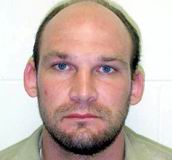
John Lotter
Murderer Brian Kevin Rosenfeld
Murderer · USA · 1985
Brian Kevin Rosenfeld Brian Kevin Rosenfeld was sentenced to three concurrent l…
23 victims
Brian Kevin Rosenfeld
Murderer · USA · 1985
Brian Kevin Rosenfeld Brian Kevin Rosenfeld was sentenced to three concurrent l…
23 victims
 Russell Ellwood
Murderer · USA · 1991
Russell Ellwood was a former taxi driver. Authorities suspected him of killing…
20 victims
Russell Ellwood
Murderer · USA · 1991
Russell Ellwood was a former taxi driver. Authorities suspected him of killing…
20 victims
 Robert Martines Perez
Murderer · USA · 1994
Name: Robert Martines Perez · Other name used in proceedings: Robert Martinez P…
15 victims
Robert Martines Perez
Murderer · USA · 1994
Name: Robert Martines Perez · Other name used in proceedings: Robert Martinez P…
15 victims
 Billy Frank Vickers
Murderer · USA · 1993
Billy Frank Vickers Vickers was executed by lethal injection in Texas on Januar…
14 victims
Billy Frank Vickers
Murderer · USA · 1993
Billy Frank Vickers Vickers was executed by lethal injection in Texas on Januar…
14 victims
 Renee Kara O'Brien
Homicide · New Zealand · 2002
Renee Kara O'Brien was 14 years and nine months old when she beat Kenneth Pigot…
1 victim
Renee Kara O'Brien
Homicide · New Zealand · 2002
Renee Kara O'Brien was 14 years and nine months old when she beat Kenneth Pigot…
1 victim
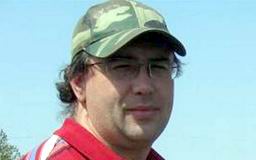 Matej Curko
Murderer · Slovakia · 2010
Matej Curko was an alleged cannibal. · May 10, 2011 — Matej Curko died in a fir…
2 victims
Matej Curko
Murderer · Slovakia · 2010
Matej Curko was an alleged cannibal. · May 10, 2011 — Matej Curko died in a fir…
2 victims
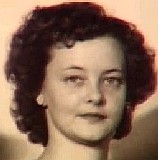 Lois Jurgens
Murderer · USA · 1965
Lois Jurgens (born 1925) was an American convicted murderer in Minnesota. She w…
1 victim
Lois Jurgens
Murderer · USA · 1965
Lois Jurgens (born 1925) was an American convicted murderer in Minnesota. She w…
1 victim
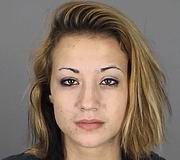 Brittany Miles
Murderer · USA · 2011
Brittany Miles was convicted of first-degree felony murder after a fatal collis…
1 victim
Brittany Miles
Murderer · USA · 2011
Brittany Miles was convicted of first-degree felony murder after a fatal collis…
1 victim
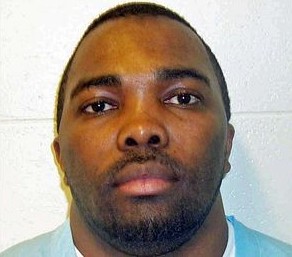 Edward Nathaniel Bell
Murderer · USA · 1999
Defendant: Edward Nathaniel Bell (male, Black; Jamaican national). · Victim: Sg…
1 victim
Edward Nathaniel Bell
Murderer · USA · 1999
Defendant: Edward Nathaniel Bell (male, Black; Jamaican national). · Victim: Sg…
1 victim
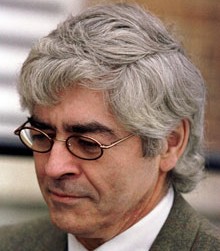 Larry Fisher
Murderer · Canada · 1969
Larry Fisher (born August 21, 1949) was a Canadian man convicted in 1999 of a m…
1 victim
Larry Fisher
Murderer · Canada · 1969
Larry Fisher (born August 21, 1949) was a Canadian man convicted in 1999 of a m…
1 victim
- Gender
- male
- Country
- USA
- Location
- Humboldt, Richardson County, Nebraska , USA
- Date of birth
- May 31, 1971
- Age at first offence
- 22
- Characteristics
- rape, crime spree
- Victim profile
- Teena Brandon, 21 ( a transgendered person who lived as a man ) ; Lisa Marie Lambert, 24 ; and Phillip DeVine, 19
- Method of murder
- Shooting ( .380-caliber pistol)
- Date(s) of murder
- December 31, 1993
- Years active
- 1993
- Date of arrest
- Same day
- Status
-
Sentenced to death
Sentenced to death on February 21, 1996
Overview
John L. Lotter was convicted in connection with the December 1993 deaths of Teena Brandon, Lisa Lambert, and Phillip DeVine in Richardson County, Nebraska. He was sentenced to death for each count of first degree murder.
People
- John L. Lotter — defendant
- Teena Brandon — victim (also identified as Teena Renae Brandon)
- Lisa Lambert — victim
- Phillip DeVine — victim
- Marvin Thomas “Tom” Nissen (also known as Thomas M. Nissen) — co-defendant; testified against Lotter at Lotter’s trial; later signed an affidavit recanting key testimony
Timeline
- December 1993 — Teena Brandon, Lisa Lambert, and Phillip DeVine died in Richardson County, Nebraska.
- May 1995 — Lotter was convicted of three counts of first degree murder, three counts of use of a weapon to commit a felony, and one count of burglary.
- February 21, 1996 — Lotter was sentenced to death for each count of first degree murder.
- June 2003 — Lotter’s attorney took Lotter’s DNA-testing petition to the Nebraska Supreme Court.
- September 2007 — Nissen signed an affidavit averring that his testimony about “who fired the gun” was false; he stated that he, and not Lotter, shot Brandon, Lambert, and DeVine.
- September 04, 2009 — the Nebraska Supreme Court affirmed denial of Lotter’s second pro se motion for postconviction relief.
The offence
Lotter was convicted in connection with the murders of:
- Teena Brandon
- Lisa Lambert
- Phillip DeVine
Lotter’s trial proceeded on the theory that Nissen and Lotter planned the murders together, and that Nissen testified at Lotter’s trial that it was Lotter who actually killed the victims.
Investigation and evidence at trial
At Lotter’s trial, the record included evidence that:
- Lotter stole the gun used to murder the victims.
- Lotter obtained the knife and the yellow work gloves worn during the crimes.
- On the evening of the murders, both Nissen and Lotter were seen wearing gloves.
- The evening of the murders, Lotter told a witness he wanted to kill someone.
- After the murders, Nissen and Lotter sought to obtain alibis from Nissen’s wife and Lotter’s girlfriend.
- There was evidence indicating Lotter traveled to Lincoln, Nebraska, looking for Brandon in order to murder her.
- Lotter’s trial included evidence and testimony described in the legal decision as establishing aggravating circumstances applicable to the murder convictions.
Physical and forensic evidence (as described in postconviction history)
Evidence at trial had indicated that the yellow work gloves contained areas that tested positive for blood, which had never been subjected to DNA testing prior to Lotter’s DNA-testing petition.
Arrest
The case record provided did not include a clean arrest section with dates and specific arrest events for John L. Lotter, but it included an account of his participation in the murders and later legal proceedings.
Trial
Co-defendant’s plea agreement and testimony
Before Lotter’s trial:
- Nissen entered into a plea agreement.
- The agreement provided that Nissen would testify truthfully against Lotter.
- In exchange, the State would not pursue the death penalty against Nissen for Brandon’s murder.
At Lotter’s trial:
- Nissen testified that he and Lotter traveled to Lambert’s house, where they knew Brandon was staying, to kill Brandon.
- Nissen testified that Nissen and Lotter had previously raped Brandon and that they were angry that Brandon had reported the rape to the police.
- Nissen testified that he stabbed Brandon, but that Lotter fired the shots that killed all three victims.
Lotter’s defense and testimony
Lotter testified in his own defense and denied:
- participation in planning the murders, and
- participation in perpetrating the murders.
Lotter stated:
- he was not present when the murders were committed, and
- Nissen had not been truthful regarding Lotter’s involvement, and
- other witnesses who gave incriminating testimony against him were either lying or mistaken.
Convictions
In May 1995, the court described in the appellate decision found Lotter guilty of:
- three counts of first degree murder
- three counts of use of a weapon to commit a felony
- one count of burglary
Sentencing
Lotter was sentenced to:
- death for each count of first degree murder, and
- incarceration on the burglary and use of a weapon convictions.
In sentencing, the sentencing panel found aggravating circumstances applicable:
- For Lambert and DeVine, the panel found:
- “ ‘[t]he murder was committed in an apparent effort ․ to conceal the identity of the perpetrator of a crime’ ”
- “ ‘[a]t the time the murder was committed, the offender also committed another murder.’ ”
- As to the murder of Brandon, the panel found:
- “ ‘[the crime was committed to disrupt or hinder ․ the enforcement of the laws.’ ”
The sentencing panel compared Lotter’s and Nissen’s participation:
- The sentencing panel stated that the evidence, based largely upon Nissen’s testimony, was that Lotter fired all the shots that killed the three victims.
- The panel explained that even if it was Nissen, and not Lotter, who actually killed Brandon by stabbing, “there is no appreciable difference in degree of culpability between these Co-Defendants during the actual commission of the homicides.”
The sentencing panel distinguished actions after the murders:
- it relied on Nissen’s statements to investigators and Nissen’s agreement to testify against Lotter at trial.
Appeals
Direct appeal
Lotter’s convictions were affirmed on direct appeal.
Postconviction relief and earlier related proceedings
The record described the following procedural history in postconviction contexts:
- Lotter moved for postconviction relief and was appointed counsel.
- Lotter was granted an evidentiary hearing in 1999.
- Lotter alleged that Nissen, not Lotter, had shot and killed the three victims and that the State knew or should have known that Nissen’s testimony was perjured.
- Lotter relied on an affidavit from Jeff Haley, an inmate incarcerated with Nissen, who alleged what Nissen told him.
- At the evidentiary hearing:
- Nissen pled the Fifth Amendment and refused to answer questions.
- The district court concluded that Haley’s testimony about what Nissen allegedly said was inadmissible hearsay.
- The district court found that the hearsay did not fall within a penal interest exception due to lack of corroborating circumstances clearly indicating trustworthiness.
- The district court denied all relief, and an appellate review affirmed.
- The record further stated that Lotter’s postconviction motions were denied because he did not present other admissible evidence that was unavailable during direct appeal that could show the State knew Nissen’s testimony was perjured.
DNA Testing Act motion (pro se)
In 2001, Lotter filed a pro se motion for postconviction DNA testing pursuant to the DNA Testing Act.
- The motion relied on gloves and clothing evidence that contained areas testing positive for blood but had never been subjected to DNA testing.
- Lotter claimed that DNA testing could show that blood on the gloves and other clothing worn by Nissen resulted from high-velocity blood spatter from Brandon, or could be shown to be from Lambert and/or DeVine, which Lotter argued would establish Nissen’s presence or shooter identity contrary to his trial testimony.
The decision described prior appellate rejection of the DNA-testing request, including that:
- there would be no way to establish the manner in which blood had been deposited on the clothing versus whose blood it was, and
- the testing would not result in noncumulative exculpatory evidence relevant under the DNA Testing Act.
The record also described that the denial extended to the claim that DNA evidence could produce noncumulative exculpatory evidence relevant to wrongfulness of sentencing, based on the record’s “barren” evidence regarding relative culpability.
Recantation affidavit and second postconviction motion
In 2007, Nissen signed an affidavit stating that his trial testimony about “who fired the gun” was false.
- Nissen stated he, and not Lotter, shot Brandon, Lambert, and DeVine.
Lotter filed a second pro se motion for postconviction relief, asserting:
- Nissen was a critical witness for the State.
- During Lotter’s trial, Nissen “testified falsely that it was [Lotter] who conceived the idea of killing Lambert, Brandon, and DeVine, and that [Lotter] shot all three of them.”
- Lotter alleged constitutional rights violations because the State knew or should have known Nissen was lying.
- Lotter alleged the State withheld information about Nissen’s reputation as a “world class liar” and “con artist,” including a prior unrelated incident documented as showing Nissen lied to authorities.
- Lotter alleged the State asked Nissen to take a polygraph test related to the plea agreement and that Nissen refused.
- Lotter alleged this information was withheld “until after the conclusion of his trial.”
- Lotter asserted due process violations, including reliance on Ortega v. Duncan and Brown v. Mississippi.
Lotter also attached materials to support his motion, including:
- Nissen’s affidavit
- Jeff Haley affidavit
- statements to police by a family member describing Nissen as a liar
- police reports relating to an incident in 1989 where Nissen cut himself with a razor and blamed someone else so the accused would get arrested
- a newspaper article detailing prior run-ins with the police and descriptions of Nissen’s reputation as a liar
Nebraska Supreme Court decision
On September 04, 2009, the Nebraska Supreme Court affirmed the district court’s denial of Lotter’s second pro se motion for postconviction relief.
The court held, among other conclusions described, that:
- the newly discovered recantation did not present a constitutional claim amendable to postconviction relief in the manner asserted;
- perjury per se was not a ground for collateral attack on the judgment;
- even assuming allegations were true, the motion did not show a constitutional violation rendering the judgment void or voidable;
- Lotter’s coercion-by-threat-of-electrocution theory did not support relief, because promises of leniency tied to a legitimate plea agreement were not treated as unconstitutional coercion, as described in the decision’s analysis.
The court concluded that the district court did not err in denying relief without an evidentiary hearing, and it “Affirmed.”
Outcome
Lotter’s second pro se motion for postconviction relief was denied, and the Nebraska Supreme Court affirmed that denial on September 04, 2009. His sentences for first degree murder remained in effect as death sentences.
Spotted an error, or have more information about this case?