Charles Noel Brown
Murderer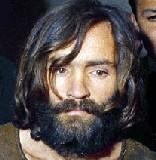 Charles Manson
Murderer · USA · 1969
Charles Milles Manson (born November 12, 1934) was an American criminal and mus…
9 victims
Charles Manson
Murderer · USA · 1969
Charles Milles Manson (born November 12, 1934) was an American criminal and mus…
9 victims
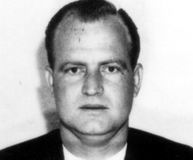 Gary Gene Tison
Murderer · USA · 1967
Gary Gene Tison was serving life sentences at the Arizona state prison. He had…
7 victims
Gary Gene Tison
Murderer · USA · 1967
Gary Gene Tison was serving life sentences at the Arizona state prison. He had…
7 victims
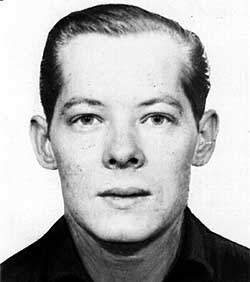 Richard Lee Tingle
Murderer · USA · 1968
Richard Lee Tingle was born out of wedlock in December 1940. He was raised by a…
6 victims
Richard Lee Tingle
Murderer · USA · 1968
Richard Lee Tingle was born out of wedlock in December 1940. He was raised by a…
6 victims
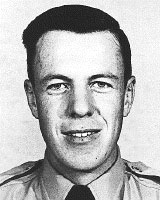 Bertram Greenberg
Murderer · USA · 1971
Bertram Greenberg · Officer James L. Keeton · Officer Don A. Beckstead · A 13-y…
4 victims
Bertram Greenberg
Murderer · USA · 1971
Bertram Greenberg · Officer James L. Keeton · Officer Don A. Beckstead · A 13-y…
4 victims
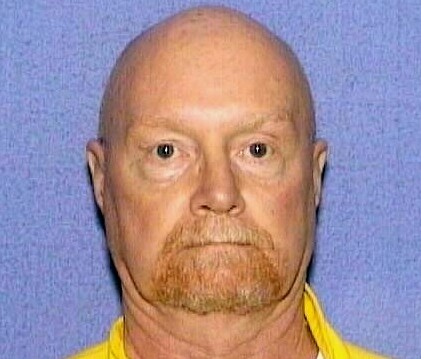 Gary Duane Rardon
Murderer · USA · 1962
Gary Duane Rardon killed a man in 1962 and later served 4 years for manslaughte…
4 victims
Gary Duane Rardon
Murderer · USA · 1962
Gary Duane Rardon killed a man in 1962 and later served 4 years for manslaughte…
4 victims
 Jonathan Goforth
Murderer · USA · 1998
Jonathan Goforth (Johnathan Wayne Goforth), born 11-21-60, was sentenced to dea…
1 victim
Jonathan Goforth
Murderer · USA · 1998
Jonathan Goforth (Johnathan Wayne Goforth), born 11-21-60, was sentenced to dea…
1 victim
 Ronald Straight
Murderer · USA · 1976
Ronald Straight was executed by electrocution in Florida on May 20, 1986. · Jul…
1 victim
Ronald Straight
Murderer · USA · 1976
Ronald Straight was executed by electrocution in Florida on May 20, 1986. · Jul…
1 victim
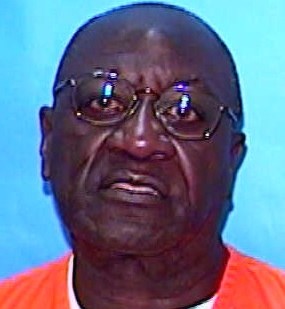 Theodore Rodgers
Murderer · USA · 2001
Theodore Rodgers was sentenced to death on June 16, 2004 for the murder of his…
1 victim
Theodore Rodgers
Murderer · USA · 2001
Theodore Rodgers was sentenced to death on June 16, 2004 for the murder of his…
1 victim
 Jay Thompson
Murderer · USA · 1981
Richard Dillon was identified by a Deputy Sheriff as near the property at the t…
2 victims
Jay Thompson
Murderer · USA · 1981
Richard Dillon was identified by a Deputy Sheriff as near the property at the t…
2 victims
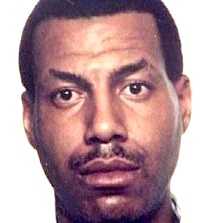 Vincent Darrell Groves
Serial killer · USA · 1978
Vincent Darrell Groves was arrested in connection with unsolved murders of at l…
14 victims
Vincent Darrell Groves
Serial killer · USA · 1978
Vincent Darrell Groves was arrested in connection with unsolved murders of at l…
14 victims
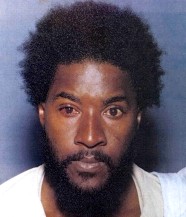 Eddie Lee Mosley
Serial killer · USA · 1973
Eddie Lee Mosley was found incompetent to stand trial for murders and was commi…
16 victims
Eddie Lee Mosley
Serial killer · USA · 1973
Eddie Lee Mosley was found incompetent to stand trial for murders and was commi…
16 victims
- Gender
- male
- Country
- USA
- Location
- Minnesota/Iowa, USA
- Date of birth
- J une 1933
- Age at first offence
- 28
- Characteristics
- crime spree, armed robbery, rape
- Victim profile
- Men shot in robberies/abductions
- Method of murder
- Shooting
- Date(s) of murder
- February 1961
- Years active
- 1961
- Date of arrest
- —
- Status
-
Executed
Executed by hanging in Iowa on July 24, 1962
Case overview
Charles Noel Brown was born in June 1933. He was the oldest of seven children in a Bedford, Indiana, family. He quit school after eighth grade and entered a “forced” marriage at age sixteen. The marriage produced four children. Brown contended that he and his wife “never got along.” Divorce was frequently discussed, but it was never pursued.
Brown sought a temporary respite in the army. After discharge, he worked, but he was soon convicted of forging a check and sentenced to a prison term of two to fourteen years. He served one year before parole.
After parole, Brown violated the terms of his conditional release by “skipping from one state to another, dodging the law.” He wound up in Minneapolis during February 1961. There, he met 20-year-old Charles Edwin Kelly, and the pair embarked upon a brief career in crime.
Timeline
- February 17, 1961 — Brown committed his first armed robbery, looting a dairy store in North Minneapolis.
- February 18, 1961 — Brown committed a robbery of a gas station; an attendant was shot.
- February 20, 1961 — Brown robbed a bar in Minneapolis and shot the bartender dead when the bartender tried to escape.
- February 18, 1961 — Brown and Kelly took a cab to neighboring St. Paul and embarked by bus for Omaha.
- February 22, 1961 — Brown and Kelly departed for Council Bluffs, Iowa, after meeting a female traveling companion in Nebraska and “got into a little trouble.”
- After supper on February 22, 1961 — Brown and Kelly went looking for cars to steal; Brown shot a car owner dead at the wheel.
- After the car owner shooting on February 22, 1961 — Brown and Kelly accosted a shopper in the parking lot of a supermarket about a block from the last murder scene, abducted him, drove him several blocks, and shot him to death when he tried to leap from the car.
- September 1961 — Brown was convicted of double homicide in Council Bluffs and sentenced to hang.
- July 24, 1962 — Brown was executed by hanging in Iowa at Fort Madison.
- September 6, 1962 — Charles Edwin Kelly followed Brown to the gallows and was executed.
The offence
Brown and Charles Edwin Kelly committed a series of armed robberies and homicides during a brief period in February 1961.
On February 17, 1961, Brown committed his first armed robbery by looting a dairy store in North Minneapolis.
On February 18, 1961, Brown committed a robbery of a gas station. He was “too drunk to remember” the robbery, but police later found keys to the station in Brown’s possession. During this robbery, a gas station attendant was shot.
On February 20, 1961, Brown robbed a bar in Minneapolis. He shot the bartender dead when the bartender tried to escape.
After that afternoon, Brown and Kelly took a cab to neighboring St. They met a female traveling companion in Nebraska, but they immediately “got into a little trouble” and departed. On February 22, they went to Council Bluffs, Iowa.
After supper on February 22, Brown and Kelly went looking for cars to steal. Their first choice was parked in a nearby residential area, and Brown drew a pistol and shot its owner dead at the wheel. Unable to start the engine, they walked on and accosted a shopper in the parking lot of a supermarket about a block from the last murder scene.
Brown and Kelly abducted their final victim, drove him several blocks from the store, and then shot him to death when the man tried to leap from the car.
In addition to the Council Bluffs events, the pair’s crime spree included killings in Omaha and shootings and thefts in Council Bluffs while stealing cars.
Investigation
Brown and Kelly were swiftly arrested. They confessed freely.
The record stated that the trigger man took perverse pride in his “achievements.”
In his confession, Brown said he and Kelly shot their victims because they didn’t want to risk being identified. He claimed he was too drunk to recall precise details of the crimes.
The record also stated that Kelley told investigators he shot Peterson while Brown was in another room.
The case also involved medical findings related to victim Jim Peterson, including that his seizures and hemiplegia were caused by bullet fragments lodged in his brain, and that homicide caused his death.
Arrest
Brown and Kelly were swiftly arrested after their abducting and killing of a shopper in the parking lot of a supermarket in Council Bluffs.
Trial
At trial in September 1961, Charles Brown was convicted of double homicide in Council Bluffs. He was sentenced to hang.
Sentencing
The sentence imposed at trial was hanging.
Appeals
No appeals were described.
Outcome
Charles Brown was executed by hanging in Iowa on July 24, 1962. The record stated that he became the first person executed in that state in more than a decade.
After Brown’s execution, the record stated that Charles Edwin Kelly followed him to the gallows on September 6, 1962.
Aftermath
The record stated that Iowa abolished capital punishment in 1965.
It also stated that Kelley faced death calmly and, as the hood was placed over his head, murmured, “I'm sorry for what I did.”
Other details
Brown was described as the oldest of seven children and as having quit school after eighth grade. He entered a “forced” marriage at age sixteen, and the union produced four children.
Brown’s prior criminal history included forging a check, which resulted in a prison term of two to fourteen years; he served one year before parole. After parole he violated conditional release by “skipping from one state to another, dodging the law.”
The record identified Charles Edwin Kelly as 20-year-old. It stated that Brown and Kelly met in Minneapolis during February 1961 and became drinking buddies.
The record included descriptions of multiple victims:
- A gas station attendant was shot during the gas station robbery.
- A bartender was shot dead when he tried to escape during the bar robbery.
- A car owner was shot dead at the wheel during a car theft attempt.
- A shopper was abducted, driven several blocks, and shot to death when he tried to leap from the car.
- A liquor-store owner in Omaha was killed.
- Two other men in Council Bluffs were shot, one fatally.
The record described an earlier medical context involving Jim Peterson, including that he died as the result of homicide and that bullet fragments lodged in his brain caused his seizures and hemiplegia. It described that after the autopsy, Bob Peterson viewed the body, and it included the quoted remark: “He wasn't made up. He was just natural.” It also included the quoted remark: “He looked the best he had in years. He looked like he was relieved.”
The record described the nickname “the Mad Dog Killers” for Kelley and Brown and stated that a nationwide alert went out.
The record included the description that Brown said he was too drunk to recall precise details of the crimes, and that Kelley said he shot Peterson while Brown was in another room.

Spotted an error, or have more information about this case?