David Burke
Mass murderer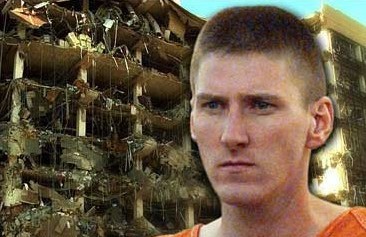 Timothy McVeigh
Mass murderer · USA · 1995
Timothy James McVeigh (April 23, 1968 – June 11, 2001) was a United States Army…
168 victims
Timothy McVeigh
Mass murderer · USA · 1995
Timothy James McVeigh (April 23, 1968 – June 11, 2001) was a United States Army…
168 victims
 Julio Gonzalez
Mass murderer · USA · 1990
Julio Gonzalez was sentenced to 174 twenty-five-year sentences (a total of 4,35…
87 victims
Julio Gonzalez
Mass murderer · USA · 1990
Julio Gonzalez was sentenced to 174 twenty-five-year sentences (a total of 4,35…
87 victims
 George Jo Hennard
Mass murderer · USA · 1991
George Jo Hennard carried out a mass killing at a Luby’s Cafeteria in Killeen,…
23 victims
George Jo Hennard
Mass murderer · USA · 1991
George Jo Hennard carried out a mass killing at a Luby’s Cafeteria in Killeen,…
23 victims
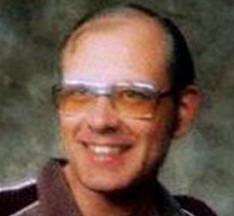 James Huberty
Mass murderer · USA · 1984
James Oliver Huberty was a 41-year-old unemployed security guard. He was born i…
21 victims
James Huberty
Mass murderer · USA · 1984
James Oliver Huberty was a 41-year-old unemployed security guard. He was born i…
21 victims
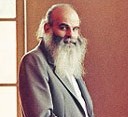 Ronald Gene Simmons
Mass murderer · USA · 1987
Ronald Gene Simmons was a retired United States Air Force sergeant. Over the Ch…
16 victims
Ronald Gene Simmons
Mass murderer · USA · 1987
Ronald Gene Simmons was a retired United States Air Force sergeant. Over the Ch…
16 victims
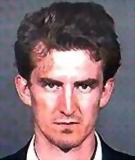 Kenneth Kimes
Murderer · USA · 1996
Kenneth Kimes was convicted and sentenced in relation to the murders of Irene S…
3 victims
Kenneth Kimes
Murderer · USA · 1996
Kenneth Kimes was convicted and sentenced in relation to the murders of Irene S…
3 victims
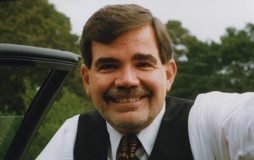 Michael Nicholaou
Murderer · USA · 2005
Michael Nicholaou (56) was Aileen Nicholaou’s husband. · Aileen Nicholaou (47)…
2 victims
Michael Nicholaou
Murderer · USA · 2005
Michael Nicholaou (56) was Aileen Nicholaou’s husband. · Aileen Nicholaou (47)…
2 victims
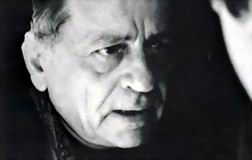 Henri-Antoine Charrière
Homicide · France · 1930
Henri-Antoine Charrière was born in Ardèche, France. He had two older sisters.…
1 victim
Henri-Antoine Charrière
Homicide · France · 1930
Henri-Antoine Charrière was born in Ardèche, France. He had two older sisters.…
1 victim
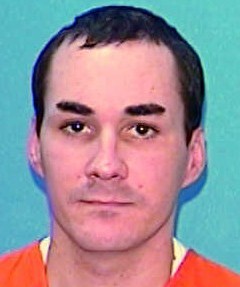 John Chamberlain
Murderer
John Chamberlain was sentenced in Florida in connection with a triple murder at…
1998 victims
John Chamberlain
Murderer
John Chamberlain was sentenced in Florida in connection with a triple murder at…
1998 victims
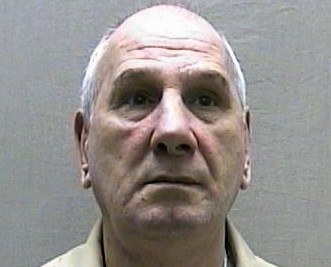 James Koedatich
Serial killer · USA · 1971
James Koedatich was born in 1948. Koedatich committed his first known murder in…
3 victims
James Koedatich
Serial killer · USA · 1971
James Koedatich was born in 1948. Koedatich committed his first known murder in…
3 victims
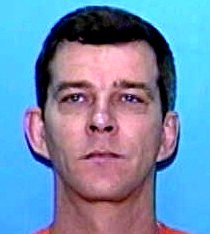 Victor Marcus Farr
Murderer · USA · 1990
Victor Marcus Farr (born 07/03/61) was convicted in the Third Judicial Circuit,…
1 victim
Victor Marcus Farr
Murderer · USA · 1990
Victor Marcus Farr (born 07/03/61) was convicted in the Third Judicial Circuit,…
1 victim
- Gender
- male
- Country
- USA
- Location
- In the air, USA
- Date of birth
- May 18, 1952
- Age at first offence
- 35
- Characteristics
- revenge
- Victim profile
- All 43 people on board the aircraft
- Method of murder
- Shooting / Caused the plane to crash
- Date(s) of murder
- December 7, 1987
- Years active
- 1987
- Date of arrest
- —
- Status
-
Died in custody
Died in the plane crash on December 7, 1987
Background
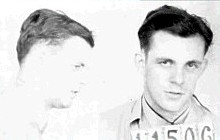
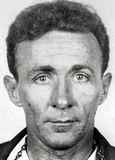
David Augustus Burke (May 18, 1952–December 7, 1987) was an employee of USAir, a company that had recently purchased and was in the process of absorbing Pacific Southwest Airlines (PSA). He had been on unpaid leave following an investigation into his theft of $69 from an airline fund. In a hearing on December 7, 1987, he was dismissed from his job by his supervisor, Raymond Frank Thomson, even after he pleaded for leniency.
Before the crash, Burke felt persecuted. The airline had considered the theft of thousands of dollars from alcohol sales as more than nothing. He was also being investigated because of the belief that he was using his position with the airline to help Cocaine smugglers get into the country more easily. Burke was suspected of involvement in a drug-smuggling ring that was bringing cocaine from Jamaica to Rochester via the airline, although he was never officially charged.
Burke previously worked for an airline in Rochester, New York, where he was a suspect in the drug-smuggling ring. He was not officially charged in that matter.
The offence
On December 7, 1987, Burke boarded PSA Flight 1771, a daily flight from Los Angeles, California to San Francisco, that his supervisor Raymond F. Thomson took regularly because Thomson lived in San Francisco but worked at Los Angeles International Airport.
Using his unsurrendered USAir credentials, Burke bypassed security armed with a loaded .44 Magnum pistol that he had borrowed from a co-worker. After boarding the plane, Burke wrote a message on an air-sickness bag and dropped it on Thomson’s lap while heading to the lavatory.
Burke took out his handgun and shot Thomson as the cockpit voice recorder later confirmed. Burke then opened the cockpit door. A female, presumed to be a flight attendant, told the cockpit crew, "We have a problem." The captain replied, "What kind of problem?" Burke then appeared at the cockpit door and announced, "I'm the problem," simultaneously firing additional shots that probably killed the pilots.
Several seconds later, the cockpit recorder picked up increasing windscreen noise as the airplane pitched down and began to accelerate. This may have been deliberate on the part of Burke, or may have been the result of the dead pilots slumping down onto the control columns. A final gunshot was heard and it is speculated that Burke fatally shot himself.
Investigation
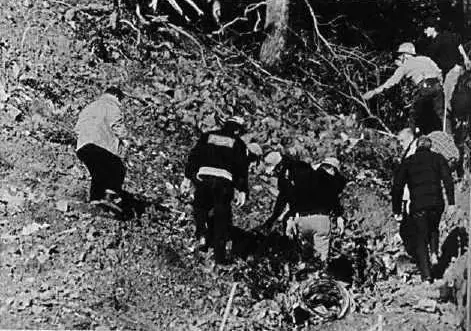
After the crash, investigators found evidence at the wreckage. During the search of the wreckage they found a .44 Magnum and six spent shells in what remained of the cockpit. A part of a note to Thomson was found near to this wreckage. It read: "Hi Ray, I think it's rather ironical that we ended up like this. I asked for some leniency for my family, remember? Well I got none, and you will get none."
When the black box flight recorder was discovered, there were sounds of gunshots in the background. The cockpit voice recorder confirmed the shooting sequence involving Thomson and the cockpit crew.
It was determined several days later by the FBI (after the discovery of both the handgun containing six spent bullet casings and the note written on the air-sickness bag) that Burke was the person responsible for the crash. Other factors surfaced: Burke's co-worker admitted to having lent him the gun, and Burke had also left a farewell message on his girlfriend's telephone answering machine.
After his death a suicide note was found in which Burke said that he was hoping to kill Thompson.
Arrest
No arrest information was provided.
Trial
No trial information was provided.
Sentencing
No sentencing information was provided.
Outcome
Pacific Southwest Airlines Flight 1771, a four-engine British Aerospace BAe 146-200, cruised at 22,000 feet over the central California coast. During the flight, as Burke left his seat and headed to the lavatory, the note was dropped on Thomson's lap. The plane later descended through 13,000 feet at a speed of Mach 1.2, broke apart, and crashed in a farmer's field in the Santa Lucia Mountains near the coastal town of Cayucos, California. The crash also was described as occurring in the hillside of a cattle ranch in the Santa Lucia Mountains near Cayucos, California, at 4:16 p.m.
Forty-three people, including Burke, were killed in the shootings and plane crash.
Aftermath
Following the crash, strict federal laws were passed. One law required "immediate seizure of all airline employee credentials" upon termination from an airline position. Another policy put into place required that all members of any airline flight crew, including the captain, be subjected to the same security measures as are the passengers.
Among the dead were James R. Sylla, President of Chevron Corporation USA; three other Chevron executives; and Dr. Neil Webb, president of Dominican University of California. David Burke was described as the worst African-American mass murderer in US history.
Timeline
- December 7, 1987 — Burke was dismissed from his job by his supervisor, Raymond Frank Thomson, after he pleaded for leniency.
- December 7, 1987 — Burke purchased a ticket on PSA Flight 1771 from Los Angeles, California to San Francisco.
- December 7, 1987 (4:16 p.m.) — The aircraft crashed in the Santa Lucia Mountains near Cayucos, California, killing all 43 people on board, including Burke.
- Several days later — The FBI determined Burke was responsible for the crash after discovery of the handgun and the note.
Other details
Burke was also described as having been fired from his job with Pacific Southwest Airlines for what he thought of as nothing, while the airline considered the theft of thousands of dollars from alcohol sales as more than nothing. He blamed one man for his problems, Raymond Thompson, and booked himself onto a flight he knew Raymond Thompson would be on.
Burke left a note on an air-sickness bag that read: "Hi Ray. I think it's sort of ironical that we ended up like this. I asked for some leniency for my family. Remember? Well I got none and you'll get none."
As Burke exited the lavatory a few moments later, Burke shot Thomson, and then proceeded to the cockpit door.
A part of the note was described in slightly different wording as: "Hi Ray, I think it's rather ironical that we ended up like this.
It was said Burke was known to be very pissed off at the airline, and when investigators saw the name of Burke on the flight they became suspicious.
Burke was also described as being known for using his position with the airline in connection with cocaine smugglers, though he was never officially charged regarding that suspected drug-smuggling ring.
Spotted an error, or have more information about this case?