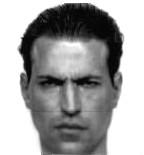
Paul Rougeau
Murderer Ervil LeBaron
Murderer · USA · 1972
Ervil Morrell LeBaron (1925 to August 16, 1981) was the leader of a polygamous…
35 victims
Ervil LeBaron
Murderer · USA · 1972
Ervil Morrell LeBaron (1925 to August 16, 1981) was the leader of a polygamous…
35 victims
 Brian Kevin Rosenfeld
Murderer · USA · 1985
Brian Kevin Rosenfeld Brian Kevin Rosenfeld was sentenced to three concurrent l…
23 victims
Brian Kevin Rosenfeld
Murderer · USA · 1985
Brian Kevin Rosenfeld Brian Kevin Rosenfeld was sentenced to three concurrent l…
23 victims
 Marvin Gray
Murderer · USA · 1975
Marvin Gray was convicted killer who claimed responsibility for 23 slayings and…
23 victims
Marvin Gray
Murderer · USA · 1975
Marvin Gray was convicted killer who claimed responsibility for 23 slayings and…
23 victims
 Yahweh ben Yahweh
Murderer · USA · 1980
Yahweh ben Yahweh was born and legally named Hulon Mitchell Jr. (October 27, 19…
23 victims
Yahweh ben Yahweh
Murderer · USA · 1980
Yahweh ben Yahweh was born and legally named Hulon Mitchell Jr. (October 27, 19…
23 victims
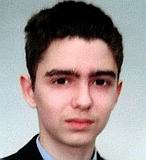 Sergey Gordeyev
Homicide · Russia · 2014
Sergey Gordeyev (also spelled as Sergei Gordeev; Russian: Сергей Гордеев) was a…
2 victims
Sergey Gordeyev
Homicide · Russia · 2014
Sergey Gordeyev (also spelled as Sergei Gordeev; Russian: Сергей Гордеев) was a…
2 victims
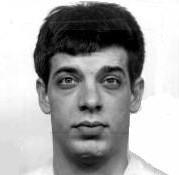 Troy Dale Farris
Murderer · USA · 1983
Troy Dale Farris (#831) was convicted for the December 3, 1983 slaying of Tarra…
1 victim
Troy Dale Farris
Murderer · USA · 1983
Troy Dale Farris (#831) was convicted for the December 3, 1983 slaying of Tarra…
1 victim
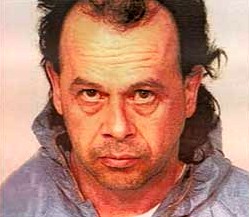 William Patrick Fyfe
Serial killer · Canada · 1979
William Patrick Fyfe was a Canadian serial killer who was convicted of five cou…
25 victims
William Patrick Fyfe
Serial killer · Canada · 1979
William Patrick Fyfe was a Canadian serial killer who was convicted of five cou…
25 victims
 Patty Michelle White
Murderer · USA · 2011
Patty Michelle White killed her former roommate, Michele O'Dowd, and later plea…
1 victim
Patty Michelle White
Murderer · USA · 2011
Patty Michelle White killed her former roommate, Michele O'Dowd, and later plea…
1 victim
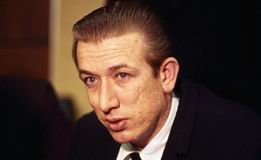 Richard Speck
Mass murderer · USA · 1966
Richard Speck (December 6, 1941–December 5, 1991) was a mass murderer who syste…
8 victims
Richard Speck
Mass murderer · USA · 1966
Richard Speck (December 6, 1941–December 5, 1991) was a mass murderer who syste…
8 victims
- Gender
- male
- Country
- USA
- Location
- Harris County, Texas, USA
- Date of birth
- December 22, 1947
- Age at first offence
- 31
- Characteristics
- robbery
- Victim profile
- Albert Wilkins, 50 ( Harris County deputy constable working as a security guard )
- Method of murder
- Shooting ( .38-caliber pistol)
- Date(s) of murder
- January 6, 1978
- Years active
- 1978
- Date of arrest
- Same day
- Status
-
Executed
Executed by lethal injection in Texas on May 3, 1994
Case overview
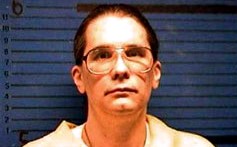
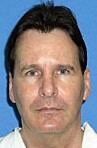
Paul Rougeau was executed by lethal injection in Texas on May 3, 1994. He was convicted of capital murder for the murder of a police officer during an aggravated robbery attempt at a Houston nightclub.
Timeline
- Jan. 6, 1978 — Paul Rougeau, his brother, and another man entered to rob the Stock Exchange Lounge in southeast Houston; Albert Wilkins was fatally shot during the robbery.
- 1982 — Rougeau was convicted; his first conviction was reversed after a ruling about the excusal of a prospective juror who had expressed reservations about the death penalty.
- 1983 — Rougeau was retried and given the death penalty.
- May 3, 1994 — Rougeau was put to death by lethal injection in Huntsville, Texas.
Background
Paul Rougeau was 30 at the time of the Jan. 6, 1978 murder and holdup events. He was 46 at execution. Rougeau had education up to the 9th grade. He was described as an ex-carpenter from St. Bernard Parish, La. He had no prison record before the murder.
The offence
Rougeau, his brother, and Curtis Gillory frequented the Houston nightclub. On Jan. 6, 1978, Rougeau, his brother Joseph, and another man entered to rob the Stock Exchange Lounge in southeast Houston. Testimony showed that Rougeau cursed security officer Albert Wilkins as Wilkins begged for his life and then shot him in the head with a .38-caliber pistol. After Rougeau, his brother, and Gillory exited the club, a shoot-out with police ensued. Joseph was killed at the scene during a gunbattle with police. Rougeau managed to escape, while Gillory was arrested outside of the club. Rougeau fled in a car and was arrested about 12 hours later with an apparent gunshot wound to the buttocks.
Investigation and evidence at arrest
Rougeau was arrested about 12 hours after the robbery events and had an apparent gunshot wound to the buttocks. Witnesses said the holdup men wore ski masks when they entered the bar, but Rougeau was identified by at least two patrons by his voice. Rougeau contended that he had nothing to do with the robbery and that he had run from the bar when the shooting began. Rougeau explained that his bullet wounds were from being shot at an apartment the day after the holdup. A bullet that could have been used as evidence remained in Rougeau’s buttocks, and he denied that and refused to let surgeons look for it.
Trial
Convictions
Rougeau was convicted of killing security officer Albert Wilkins, 50, an off-duty Harris County deputy constable. He was convicted twice for the killing of Albert C. Wilkins, 50, a Harris County deputy constable. Rougeau was convicted of capital murder for the murder of a police officer during an aggravated robbery attempt at a Houston nightclub. The murder occurred after a holdup by three men erupted into a gun battle with police. Rougeau claimed he was innocent.
Accomplice plea bargain and testimony
Their accomplice pleaded guilty to murder and testified against Rougeau in exchange for a 40-year sentence. Gillory made a plea bargain agreement and testified for the state, and he received 40 years for his participation in the crimes.
Prospective juror excusal and reversal
Rougeau’s first conviction in 1982 was reversed. The reversal occurred after the trial judge excused a prospective juror merely on the lawyers showing that the prospective death penalty might affect the juror’s decision. After the case was returned to the trial court, the State agreed to recommend a life sentence if Rougeau would plead guilty. Rougeau refused the offer.
Retrial and death penalty
Rougeau was retried and given the death penalty in 1983.
Defence and assertions
Rougeau said he was innocent and would be wrongly put to death for the Jan. 6 murder. He said that the shooting was related to a drug deal involving his younger brother Joseph. Rougeau contended on his voice identification that he had nothing to do with the robbery and had run from the bar when the shooting began.
Appeals
Rougeau’s attorneys appealed to the U.S. Supreme Court, contending that his trial lawyers were incompetent and that Texas death penalty statute was unconstitutional. Attorney Steven Thorpe handled all of Rougeau’s state and federal habeas corpus appeals and said that he felt Rougeau had bad representation in both trials. On appeal to the Supreme Court, Rougeau contended that his lawyers had been incompetent and that the Texas death penalty law was unconstitutional. Rougeau’s first conviction was thrown out in 1982 by an appeals court, ruling that potential jurors had been improperly excused for expressing reservations about the death penalty. He was retried the next year.
Execution and final statements
Despite lawyer’s attempts to keep him from the death chamber, Paul Rougeau, 46, was put to death by lethal injection on May 3, 1994 in Huntsville, Texas. Rougeau told three sisters and a niece who had gathered in the death chamber to watch him die that he loved them, adding: "Peace be with you all." He then told the warden that he would have no final statement.
People
- Paul Rougeau — defendant; executed by lethal injection on May 3, 1994; convicted of capital murder for the murder of a police officer during an aggravated robbery attempt at a Houston nightclub.
- Albert Wilkins (Albert C. Wilkins) — victim; security officer; aged 50; off-duty Harris County deputy constable; fatally shot on Jan. 6, 1978.
- Joseph Rougeau — Rougeau’s brother; killed at the scene during a gunbattle with police.
- Curtis Gillory — accomplice; pleaded guilty to murder and testified against Rougeau in exchange for a 40-year sentence; arrested outside the club; later received 40 years for his participation.
- Steven Thorpe — attorney who handled all of Rougeau’s state and federal habeas corpus appeals.
Aftermath
Texas executed Rougeau on May 3, 1994.
Spotted an error, or have more information about this case?