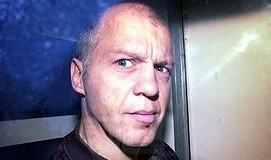
Michael Stone
Murderer Rahan Arshad
Murderer · United Kingdom · 2006
Rahan Arshad (born 1970) was a taxi driver. He lived at Turves Road, Cheadle Hu…
4 victims
Rahan Arshad
Murderer · United Kingdom · 2006
Rahan Arshad (born 1970) was a taxi driver. He lived at Turves Road, Cheadle Hu…
4 victims
 Anthony Smith
Murderer · United Kingdom · 2001
Anthony Smith was a former sergeant in the Coldstream Guards. He had left the C…
3 victims
Anthony Smith
Murderer · United Kingdom · 2001
Anthony Smith was a former sergeant in the Coldstream Guards. He had left the C…
3 victims
 David John Copeland
Murderer · United Kingdom · 1999
David John Copeland was born in Isleworth, in the London Borough of Hounslow, a…
3 victims
David John Copeland
Murderer · United Kingdom · 1999
David John Copeland was born in Isleworth, in the London Borough of Hounslow, a…
3 victims
 John Cannan
Murderer · United Kingdom · 1986
John Cannan Susannah “Suzy” Lamplugh was a British estate agent reported missin…
3 victims
John Cannan
Murderer · United Kingdom · 1986
John Cannan Susannah “Suzy” Lamplugh was a British estate agent reported missin…
3 victims
 Karl Bluestone
Murderer · United Kingdom · 2001
Karl Bluestone was a Gravesend police officer. · 28 August 2001 — Karl Blueston…
3 victims
Karl Bluestone
Murderer · United Kingdom · 2001
Karl Bluestone was a Gravesend police officer. · 28 August 2001 — Karl Blueston…
3 victims
 Richard Cooey
Murderer · USA · 1986
Richard Cooey was executed by lethal injection in Ohio on October 14, 2008. Daw…
2 victims
Richard Cooey
Murderer · USA · 1986
Richard Cooey was executed by lethal injection in Ohio on October 14, 2008. Daw…
2 victims
 Paul Runge
Serial killer · USA · 1995
Paul Frederick Runge was 31 when he was charged in Chicago with murdering and s…
7 victims
Paul Runge
Serial killer · USA · 1995
Paul Frederick Runge was 31 when he was charged in Chicago with murdering and s…
7 victims
 Gary Lee Roll
Murderer · USA · 1992
Gary Lee Roll — defendant; executed in Missouri on August 30, 2000. · David Rho…
3 victims
Gary Lee Roll
Murderer · USA · 1992
Gary Lee Roll — defendant; executed in Missouri on August 30, 2000. · David Rho…
3 victims
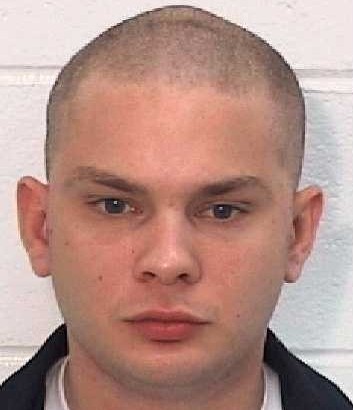 John Anthony Esposito
Murderer · USA · 1996
John Anthony Esposito was convicted in Georgia of murdering Lola Davis and rela…
3 victims
John Anthony Esposito
Murderer · USA · 1996
John Anthony Esposito was convicted in Georgia of murdering Lola Davis and rela…
3 victims
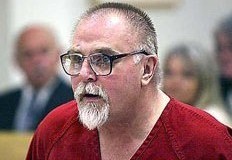 James Dwight Canaday
Serial killer · USA · 1968
James Dwight Canaday was a prisoner serving two life sentences for murder and l…
3 victims
James Dwight Canaday
Serial killer · USA · 1968
James Dwight Canaday was a prisoner serving two life sentences for murder and l…
3 victims
 David Keen
Murderer · USA · 1990
David M. Keen was the appellant in State v. Keen in the Tennessee Supreme Court…
1 victim
David Keen
Murderer · USA · 1990
David M. Keen was the appellant in State v. Keen in the Tennessee Supreme Court…
1 victim
- Gender
- male
- Country
- United Kingdom
- Location
- Chillenden, Kent, England, United Kingdom
- Date of birth
- 1960
- Age at first offence
- 36
- Characteristics
- robbery, heroin addict
- Victim profile
- Lin Russell, 45, and her daughter, Megan, 6
- Method of murder
- Hitting with a hammer
- Date(s) of murder
- July 9, 1996
- Years active
- 1996
- Date of arrest
- J uly 14, 1997
- Status
-
Life imprisonment
Sentenced to life in prison (minimum 25 years) on October 4, 2001
Case information
- Defendant: Michael Stone (born Michael John Goodban in 1960)
- Victims: Lin Russell (aged forty-five), Megan Russell (aged six), Josie Russell (aged nine)
- Places mentioned: Kent; Chillenden; Canterbury prison; Maidstone Crown Court; Nottingham Crown Court; Nantlle Valley in Gwynedd; Cherry Garden Lane; a country lane in Kent; a copse on Cherry Garden Lane
Timeline
- July 9, 1996 — Lin Russell (aged forty-five) and her daughters, Megan (aged six) and Josie (aged nine), were tied up and savagely beaten with a hammer in a country lane in Kent; Lin and Megan died and Josie survived and later made a full recovery.
- 1996 — The crime occurred on July 9, 1996, near Chillenden, in Kent, and involved an attack on Dr Russell and her daughters as they walked home from a swimming gala along a country lane.
- July 1997 — Police arrested and charged Michael Stone with the crimes.
- 1998 — Michael Stone pleaded not guilty at his original trial in 1998; he was convicted on testimony from three witnesses who said he confessed to them while in jail.
- 1998 — The Court of Appeal threw out the result of the first trial after a key witness, Barry Thompson, admitted he had lied.
- 1998 — Damien Daley admitted on the stand that he had lied about his drug-taking exploits at the first trial at Maidstone Crown Court in 1998.
- Thursday, October 4, 2001 — Michael Stone was sentenced to three life sentences after a jury found him guilty of two counts of murder and of attempting to murder Megan's sister Josie.
- On 21 December 2006 — A High Court judge decided that Stone should spend at least 25 years in prison before being considered for parole.
- September 2007 — The Criminal Cases Review Commission (CCRC) announced it was assessing whether there was "any new evidence or anything to cast doubt on the safety of his convictions".
- 26 October 2010 — The CCRC announced it would not refer the case back to the Court of Appeal because it found no new evidence to justify making a referral.
- February 2008 — After the conviction of Levi Bellfield for two murders and the attempted murder of a third, a website campaigning for Michael Stone's innocence named Bellfield as a suspect for the Russell case.
The offence
On July 9, 1996, Lin Russell, aged forty-five, and her two daughters, Megan (aged six) and Josie (aged nine), were tied up and savagely beaten with a hammer in a country lane in Kent. Lin and Megan were killed. Josie survived despite “appalling head injuries” and later made a full recovery. Josie’s recovery and the way she and her father, Shaun Russell, coped with the aftermath of the tragedy were the subject of a BBC documentary. Father and daughter later moved to the Nantlle Valley in Gwynedd.
The trial evidence also described the victims as “Dr Russell, 45, and her daughters as they walked home from a swimming gala along a country lane on 9 July 1996”.
Josie Russell later told police that a man demanded money from them before tying them up and bludgeoning them with a hammer.
Investigation
Before Stone’s arrest, Detective Chief Inspector Dave Stevens headed the inquiry. After the murders, Detective Chief Inspector Dave Stevens speculated about what might have been going on in the killer’s head and said:
"Maybe he's got a down on stable families. This young family walking through the cornfield with their dog. Maybe he thought 'This is everything I want and I can't have it'."
Police built up a picture of what happened based partly on Josie’s recollections and partly on Stone’s confessions. The second trial heard that a bootlace found near the murder scene bore the hallmarks of the type used by drug addicts as a tourniquet. Forensic scientist Rodger Ide said the 99cm lace had three knots tied in it. The black, braided lace was found near a copse on Cherry Garden Lane. The trial also addressed whether Stone had been “shooting up” before or after the murders if the lace was his.
The Kent Detective Superintendent described the crime publicly after the verdicts and said:
"This remains one of the most horrific crimes ever committed. "Josie's survival is a triumph over evil and her continued progress warms our hearts". "I hope now they can find some peace as they struggle to rebuild their lives."
Arrest and charges
In July 1997, police arrested and charged thirty-seven-year-old Michael Stone with the crimes.
Trial
First trial (convicted; later overturned)
Michael Stone pleaded not guilty at his original trial in 1998. He was convicted based on testimony from three witnesses who claimed he had confessed to them while in jail. He was sentenced to life.
Later, the Court of Appeal threw out the result of the first trial after a key prosecution witness, Barry Thompson, admitted he had lied.
During this period, Damien Daley was described in court as a “career criminal”.
The jury considered that confession evidence was based on alleged communication through the prison cell structures, and the later miscarriage of justice claim described the confession as occurring by talking through a gap between the heating pipe and the wall between their cells.
Second trial (convicted again)
Stone was convicted a second time in 2001 after the Court of Appeal ordered a retrial.
The second trial heard that Stone was convicted on evidence of Damien Daley, who admitted on the stand that he had lied about his drug-taking exploits at the first trial at Maidstone Crown Court in 1998. Daley said Stone confessed to the hammer murders near Chillenden, in Kent, through a heating pipe into the next cell at Canterbury prison.
The jury at the second trial was convinced it was Stone who attacked Dr Russell, 45, and her daughters as they walked home from a swimming gala along a country lane on 9 July 1996.
Stone’s solicitor, Derek Hayward, said that Stone maintained his innocence and would appeal against the convictions “in the event of fresh evidence”. Stone also maintained throughout that his cellmate was lying about his confession.
During the trial, the Crown argued about Daley’s credibility. Nigel Sweeney QC said:
"he was an individual who would lie when it suited him"
and also said: "we have to make you sure that Stone confessed"
The jury were told by Nigel Sweeney QC that “we have to make you sure that Stone confessed” and the jury tested the evidence by visiting the cells in question where an extract from one of the Harry Potter stories was read out through the duct in the cell wall. The jury listened to what was being read to them from the cell formerly occupied by Stone, and this was presented as proving it was possible for Stone to have confessed to Daley in the way Daley alleged.
Mr Williamn Clegg QC defended by opining that:
"there was no proof the voice belonged to Stone".
The second trial also noted that there was little forensic evidence available. It said that “a few hairs, a bootlace, and a smudged fingerprint” could not be linked to Stone. Stone pleaded not guilty and maintained throughout that his cellmate was lying about his confession. Stone also had no alibi about where he had been on the day of the murders.
Stone’s sister, Barbara, who had campaigned to clear her brother’s name, said that the British justice system had “let my brother down”.
Confession and statements attributed to Stone and others
Josie Russell later told police a man had demanded money from them before tying them up and bludgeoning them with a hammer. Stone admitted:
"I haven't got an alibi."
Detectives asked him:
"You had no idea at all where you were on that day?"
Stone said:
"I can't remember. I can't remember for two reasons. One - I was badly on drugs and two - it was so long ago."
Stone admitted in interviews after his arrest that he had been taking so many drugs that he had no idea where he was on the day of the murders. He repeatedly denied killing Dr Russell and her daughter but admitted he had no alibi.
Sentencing
After the second jury verdict in 2001, Stone was given three life sentences. The sentencing was described as occurring at Nottingham Crown Court after a jury found him guilty of two counts of murder and of attempting to murder Josie (Megan’s sister).
On 21 December 2006, a High Court judge decided Stone should spend at least 25 years in prison before being considered for parole.
In sentencing coverage, it was stated that Stone had begun serving his life sentences for the murders of Lin and Megan Russell.
The court described the murders as “horrific” when giving three life sentences.
Appeals
The Court of Appeal later ordered a retrial after a key prosecution witness went back on his evidence, but Stone was convicted a second time in 2001.
Stone lost in his appeal that argued the trial was not fair due to the way the trial judge had summed up the case. His life imprisonment term stood.
A further appeal in 2004 also failed. A miscarriage of justice claim was said to be held by some on the grounds that the evidence against Stone came from a prisoner in an adjoining cell who claimed Stone had confessed by talking through a gap between the heating pipe and the wall between their cells.
The miscarriage of justice claim was further described as arguing that the jury were not told that points of detail included in the confession had all been published in the national press on the day Stone was alleged to have confessed; the jury were told Daley had been reading the Daily Mirror which contained some of the facts, but they were not told about the Daily Mail and The Times which had published remaining facts.
Outcome
Michael Stone’s most recent appeal in 2004 failed and his life imprisonment term stands.
The CCRC later announced it would not refer the case back to the Court of Appeal because it had found no new evidence to justify making a referral.
Aftermath and related developments
CCRC review
In September 2007, it was announced that the Criminal Cases Review Commission (CCRC) was assessing if there was “any new evidence or anything to cast doubt on the safety of his convictions”. A CCRC spokeswoman said:
"His [Stone's] case file has been allocated to a case review manager."
The spokeswoman added:
"We will look to consider whether there was anything that wasn't considered at trial or appeal."
She said the timescale for examining the case could be anything from a "few months to years":
"few months to years".
On 26 October 2010, the CCRC announced it would not refer the case back to the Court of Appeal because it had found no new evidence to justify making a referral. It was stated that the bootlace dropped at the scene by the murderer, which Stone wanted to be re-examined to possibly identify a suspect added to the DNA database, had been lost by the Kent police Exhibits Store; the exhibit bag previously containing the bootlace had been found, but the bootlace itself had gone missing.
Campaigning and suspect claims involving Levi Bellfield
After the conviction of Levi Bellfield for two murders of young women (both in hammer attacks) and the attempted murder of a third (with the use of a vehicle) in February 2008, a website campaigning for Michael Stone’s innocence named Bellfield as a suspect for the Russell case. It pointed out that Josie’s description of the man fitted that of Bellfield and was quite different to the appearance of Michael Stone.
It was stated that a man fitting the description was also seen “panic stricken” and driving a Ford Orion in the country lanes around Chillenden on that afternoon. It was also stated that Bellfield was familiar with that part of Kent as he had friends living around there and visited the area to trade drugs and also for work as a nightclub bouncer and wheel-clamper. It was stated as unknown whether Bellfield ever owned or had access to the Ford Orion seen in the Chillenden area at the time of the murders.
Criticisms of care
A report into the murders for which Stone was convicted made criticisms of his care, including a failure to share information between agencies.
Background and other details
Identity and personal background
Michael Stone was born Michael John Goodban in 1960 in Tunbridge Wells. He was one of five children.
His building labourer father split up with his mother, who had married a total of four times. Stone witnessed and suffered domestic violence as a child.
Stone ended up in a children’s home in Eastry, near Canterbury. When he was released from care, he moved to Gillingham and took up a heroin habit.
Mental health and policy context
It was later determined that Stone had previous convictions and had been diagnosed as a psychopath.
In the light of Stone’s conviction, the Labour government suggested a plan to reform the 1983 Mental Health Act. The proposal sought to reform the 1983 MHA’s “treatibility test,” which stated that only patients whose mental disorders were considered treatable could be detained. Because certain types of personality disorder are not considered treatable, patients with these conditions, including Michael Stone, could not be detained.
In response to the Michael Stone case and other widely publicized reports of mentally ill people committing atrocious crimes, the government wanted to allow those diagnosed with schizophrenia or personality disorders with a tendency towards violence to be detained against their will in mental health hospitals without having actually committed a crime.
The reforms enacted in 2007 changed the “treatability test” into an “appropriate medical treatment test”. Under this new test, patients could be detained against their wishes as long as there was medical treatment available that could alleviate or prevent the worsening of the disorder or one or more of its symptoms. The reforms were described as removing the requirement that treatments actually work, and removing any requirement that patients participate actively in the treatment, as long as the treatment was considered appropriate and readily available.
Drug use and alleged motive
The killings were linked with Michael Stone’s addiction to heroin. The killings appeared to be linked with his addiction to heroin and the motive may never be known, but it was described that he spent time scouring Kent for goods he could steal and sell to finance his £100-a-day drug habit.
The second trial heard about a bootlace found near the murder scene with hallmarks of tourniquet use by drug addicts. It was stated that Stone injected heroin five or six times a day and that some said they saw him use shoelaces, belts and a tie as tourniquets to bring up his veins.
Stone was described as unemployed.
Police record and earlier offences
Stone had a police record dating back to 1972 and his criminal career mainly involved shoplifting and burglary into adulthood.
In 1981, Stone was sentenced to two years’ imprisonment for attacking a man with a hammer during the course of a robbery.
In 1983, Stone was sentenced to four-and-a-half years for two counts of actual bodily harm. He stabbed a friend in the chest while the victim slept.
In 1987, Stone was sentenced to 10 years for two armed robberies. It was also stated that in 1987 he was jailed for an armed robbery on a building society in Brighton that netted £577, and he was sentenced to eight years and walked free in 1993.
Stone’s criminal activity was described as a continuation after being released in 1993, and he kept out of trouble with the law until the July 1996 murders. Stone also said he had been badly on drugs and that it was so long ago.
Detail about lack of an alibi and driving around Kent
It was stated that Stone had no alibi about where he had been on the day of the murders.
The trial said Stone supplemented his income by driving around Kent and stealing lawnmowers, mobile generators, hi-fi equipment and other easily disposable goods. One friend said he knew the Chillenden area “like the back of his hand”.
Current status and sentence length as stated
The current status recorded for Stone was that he was sentenced to life in prison with a minimum of 25 years on October 4, 2001.
Spotted an error, or have more information about this case?