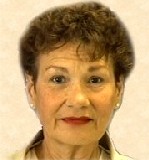
Dorothy Glaser
Murderer Bobbie Sue Terrell
Murderer · USA · 1984
Bobbie Sue Dudley Terrell was a Pinellas County nurse and worked as the night s…
12 victims
Bobbie Sue Terrell
Murderer · USA · 1984
Bobbie Sue Dudley Terrell was a Pinellas County nurse and worked as the night s…
12 victims
 Angela Johnson
Murderer · USA · 1993
Angela Jane Johnson was convicted in federal court of aiding and abetting the m…
5 victims
Angela Johnson
Murderer · USA · 1993
Angela Jane Johnson was convicted in federal court of aiding and abetting the m…
5 victims
 Catherine May Wood
Murderer · USA · 1987
Catherine May Wood was an American caregiver who worked at the Alpine Manor Nur…
5 victims
Catherine May Wood
Murderer · USA · 1987
Catherine May Wood was an American caregiver who worked at the Alpine Manor Nur…
5 victims
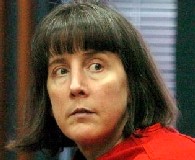 Amy Bishop
Murderer · USA · 1986
Amy Bishop — biology professor and perpetrator · James Anderson — Bishop’s husb…
4 victims
Amy Bishop
Murderer · USA · 1986
Amy Bishop — biology professor and perpetrator · James Anderson — Bishop’s husb…
4 victims
 Martha Ann Johnson
Murderer · USA · 1977
Martha Ann Johnson (also known as Martha Ann Bowen) was an American serial kill…
4 victims
Martha Ann Johnson
Murderer · USA · 1977
Martha Ann Johnson (also known as Martha Ann Bowen) was an American serial kill…
4 victims
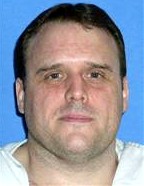 Patrick Bryan Knight
Murderer · USA · 1991
Patrick Bryan Knight (also known as “Dead Man Laughing”). Walter Werner and Mar…
2 victims
Patrick Bryan Knight
Murderer · USA · 1991
Patrick Bryan Knight (also known as “Dead Man Laughing”). Walter Werner and Mar…
2 victims
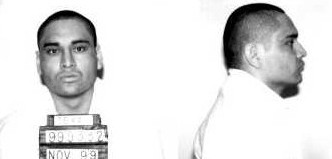 Juan Carlos Alvarez
Murderer · USA · 1998
Juan Carlos Alvarez, born on March 9, 1977, in San Luis, Mexico, was a Hispanic…
5 victims
Juan Carlos Alvarez
Murderer · USA · 1998
Juan Carlos Alvarez, born on March 9, 1977, in San Luis, Mexico, was a Hispanic…
5 victims
 Byron Smith
Murderer · USA · 2012
Byron Smith, 65, was involved in the killings of two teenage intruders in his h…
2 victims
Byron Smith
Murderer · USA · 2012
Byron Smith, 65, was involved in the killings of two teenage intruders in his h…
2 victims
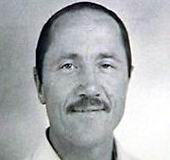 Patrick Tissier
Murderer · Franc e · 1971
Patrick Tissier was born on 24 August 1952 in Bourges. He was one of six childr…
3 victims
Patrick Tissier
Murderer · Franc e · 1971
Patrick Tissier was born on 24 August 1952 in Bourges. He was one of six childr…
3 victims
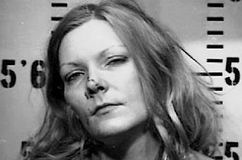 Annika Östberg
Murderer · USA · 1981
Annika Maria Östberg Deasy was born January 6, 1954, in Stockholm, Sweden. She…
2 victims
Annika Östberg
Murderer · USA · 1981
Annika Maria Östberg Deasy was born January 6, 1954, in Stockholm, Sweden. She…
2 victims
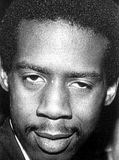 David Carty
Murderer · United Kingdom · 1984
David Carty was 18 years old and worked as an employee at Courier Display Syste…
2 victims
David Carty
Murderer · United Kingdom · 1984
David Carty was 18 years old and worked as an employee at Courier Display Syste…
2 victims
- Gender
- female
- Country
- USA
- Location
- Houston County, Georgia , USA
- Date of birth
- 1937
- Age at first offence
- 48
- Characteristics
- parricide, murder for hire, financial gain
- Victim profile
- Jerome Glaser (her husband)
- Method of murder
- Shooting
- Date(s) of murder
- October 31, 1985
- Years active
- 1985
- Date of arrest
- —
- Status
-
Life imprisonment
Sentenced to life imprisonment for murder and ten years to serve consecutively for attempted murder on August 20, 1993
Overview
Dorothy Glaser was convicted of attempt to commit murder and malice murder in connection with an ongoing scheme in which her husband, Jerome Glaser, was ultimately shot and killed.
Timeline
- October 4, 1985 — Glaser and Jerome Glaser returned home after a football game. An “intruder” fired shots from inside the back of the home as Jerome went to the bedroom to get a pillow; Jerome was struck by a bullet but was not injured severely.
- October 31, 1985 — Glaser took her children to school and then returned home. She later said Jerome was asleep; he jumped up, aimed a gun at her, and shouted: “Who are you and what are you going to do?”
- December 30, 1985 — The coroner’s jury ruled that Jerome’s death was accidental and no charges were brought at that time.
- July 1990 — Glaser conspired with her sister, Nell Matkin, to hire a hit man to kill Nell’s husband, Andy Matkin. Glaser contacted her nephew, Bobby Spargo, to enlist his help.
- April 5, 1993 — Glaser was indicted and charged with malice murder and criminal attempt to commit murder.
- August 16, 1993 — Trial commenced.
- August 20, 1993 — The jury returned its verdict finding Glaser guilty on both counts.
- August 20, 1993 — Glaser was sentenced to life imprisonment for murder and ten years to serve consecutively for attempted murder.
- March 15, 1999 — Glaser’s timely filed motion for a new trial was denied, and she filed her notice of appeal the same day.
- April 7, 2000 — The appeal was docketed in the Supreme Court of Georgia.
- June 19, 2000 — The appeal was orally argued.
- September 11, 2000 — The Supreme Court of Georgia issued its decision in GLASER v. THE STATE.
The offence
Glaser was convicted in connection with two incidents involving her husband, Jerome Glaser. She initially hired someone to shoot Jerome, but that attempt was bungled and Jerome survived. Almost four weeks later, Glaser herself shot and killed Jerome and attempted to make the killing look like an accident.
On October 4, 1985, an “intruder” fired several shots from inside the back of the home. Jerome was struck by a bullet but was not injured severely. The police found no signs of forced entry, the “intruder” was never found, and the gun was never recovered.
On October 31, 1985, Glaser took her children to school and then returned home. Glaser later described that Jerome was asleep, then jumped up, aimed a gun at her, and shouted: “Who are you and what are you going to do?” Glaser said she grabbed the gun and wrestled with Jerome to take it away, and that the gun went off and killed him. An autopsy was performed; based on the angle of the bullet and the lack of gunpowder stippling on Jerome’s body, the death was ruled a homicide.
Investigation
After the October 4, 1985 shooting, Glaser told Houston County Sheriff’s Department Investigator Hank Lowry that Jerome had been acting strange and that she was concerned. Glaser told Lowry that Jerome had become depressed and paranoid: he thought someone was out to kill him; he was afraid to go out of the house; he refused to sleep in his bedroom; and he purchased a gun that he kept with him at all times.
Lowry suggested that Jerome seek help from a mental health professional, and Jerome agreed.
Glaser requested a coroner’s inquest into the death. On December 30, 1985, the coroner’s jury ruled that Jerome’s death was accidental, and no charges were brought at that time.
In the later “family plot” scheme, Glaser conspired in July 1990 with her sister Nell Matkin to hire a hit man to kill Andy Matkin. Glaser contacted her nephew Bobby Spargo to enlist his help, but Spargo notified the Georgia Bureau of Investigation. The G.B.I. placed a microphone and recorder on Spargo to listen to and record conversations between Spargo and Glaser.
The recorded conversations included Glaser’s statements implicating herself in both the murder and the attempted murder of Jerome Glaser. The evidence included that:
- Glaser stated she had hired someone to kill her husband on October 4 and said: “[T]he little son-of-a-bitch didn’t do the job right”.
- Glaser described how she planned the October 31 murder of her husband to make it appear accidental: “He was acting delirious and going crazy and all this shit and paranoid. I had set that scene, too, for a whole month. That happened on October the 4th, that first shooting. Okay, he didn’t die until October 31st, so I had a whole month to prepare the police and neighbors and friends about his delirium, his paranoia, his schizophrenia, his idea that somebody was coming back to get him.”
- Glaser admitted she “shot [the victim] with his own gun.”
Trial
Glaser was indicted on April 5, 1993, and charged with malice murder and criminal attempt to commit murder. Trial commenced on August 16, 1993. The jury returned its verdict on August 20, 1993, finding Glaser guilty on both counts.
Glaser’s conviction included findings supporting guilt beyond a reasonable doubt of malice murder and attempt to commit murder.
During the trial, the State introduced evidence of Glaser’s 1990 conspiracy conviction. Glaser asserted it was not offered for a proper purpose and was not sufficiently similar to the charges in the case at hand; the court rejected these arguments. The evidence was admitted for the purpose of showing Glaser’s bent of mind, course of conduct, motive, and intent, or lack of mistake, and the connections between the other transaction and this case were considered at least fourfold:
- In each case, the victim was a close relative, but not a blood relative, of Glaser.
- In each case, Glaser hired a hit man to kill the victim.
- A handgun was used in this case, and a handgun was to be used in the other transaction.
- Money was involved as a motive in each case.
Glaser also contended that taped conversations between Glaser and Bobby Spargo should have been inadmissible because the State allegedly failed to comply with Brady v. Maryland. Glaser argued she did not receive the tapes until Spargo testified on the third day of the trial and did not have adequate time to review four to five hours of tapes and prepare to cross-examine Spargo. The court rejected the contention, stating the taped conversations consisted of Glaser’s own statements. The court also found Glaser did not show exculpatory information in the tapes.
Glaser argued that the entire length of the tapes and transcripts should have been admitted pursuant to OCGA 24-2-4 and 24-3-38. The trial court asked Glaser’s counsel if he wished to have the entire statement admitted, and counsel replied that he did not.
Glaser further argued that it was error for the trial court to allow the jury to rehear excerpts of taped conversations between Glaser and Bobby Spargo after the jury had already begun deliberating. The trial court allowed the replaying of excerpts.
Juror issue
After Glaser was sworn but before opening statements, juror Alana McIntosh notified the judge that, upon reflection, she realized she knew Glaser’s son and that she saw him regularly. McIntosh said she “would try her very best” to be impartial, but also said she could not be positive she would be able to do so or be able to set aside her relationship with Glaser’s son and base her decision solely on the evidence presented in court. The court dismissed juror McIntosh for cause.
Sentencing
The trial court sentenced Glaser to:
- Life imprisonment for murder.
- Ten years to serve consecutively for attempted murder.
Appeals
Glaser filed a timely motion for a new trial on March 15, 1999, which was denied. She filed her notice of appeal the same day. The appeal was docketed on April 7, 2000, and orally argued on June 19, 2000.
On September 11, 2000, the Supreme Court of Georgia affirmed Glaser’s conviction. The decision stated that Glaser asserted errors in the admission of evidence of her 1990 conspiracy conviction, the admissibility of the taped conversations under Brady v. Maryland, admission of the entire tapes and transcripts under OCGA provisions, replaying excerpts during deliberations, and the dismissal of juror McIntosh for cause; the decision found no reversible error.
Outcome
Glaser was convicted and sentenced to life imprisonment for murder and ten years to serve consecutively for attempted murder. The Supreme Court of Georgia affirmed the conviction.
Nell Matkin was convicted of conspiracy related to the plot to kill Matkin’s husband, Andy Matkin, and received five years.
Glaser had also pleaded guilty to conspiracy for her role in the plot to kill Matkin. She was sentenced to ten years in prison, four years to serve and the balance on probation.
Other details
Malpractice and insurance
After the December 30, 1985 coroner’s jury ruling that Jerome’s death was accidental, Glaser collected over $250,000 on her husband’s double indemnity life insurance policy. Glaser also filed a malpractice lawsuit against the psychologist who treated Jerome. After an appeal, Glaser received a $40,000 settlement.
Statements about mental health and the attempted murder
Glaser told Investigator Hank Lowry that Jerome was depressed and paranoid and that he feared someone was out to kill him. Glaser said Jerome refused to sleep in his bedroom and purchased a handgun that he kept with him at all times. Glaser also told police that she was worried about her husband’s mental health and said Jerome agreed to seek counseling.
Defendant’s admission and the planned appearance of accident
Glaser’s recorded statements included admissions about hiring someone to shoot Jerome on October 4, her role in planning the October 31 killing to appear accidental, and her admission that she “shot [the victim] with his own gun.”

Spotted an error, or have more information about this case?