
Jean Ann James
Murderer Cherrylle Dell
Murderer · Canada · 1995
Cherrylle Dell poisoned her husband, Scott Dell, with antifreeze-laced wine. Sc…
2 victims
Cherrylle Dell
Murderer · Canada · 1995
Cherrylle Dell poisoned her husband, Scott Dell, with antifreeze-laced wine. Sc…
2 victims
 Melanie Alix
Murderer · Canada · 2001
Melanie Alix was a South Shore resident. Her brother, Francois Alix, was 18 mon…
2 victims
Melanie Alix
Murderer · Canada · 2001
Melanie Alix was a South Shore resident. Her brother, Francois Alix, was 18 mon…
2 victims
 Melissa Friedrich
Murderer · Canada · 1991
Melissa Friedrich was also known as Melissa Stewart and Melissa Ann Weeks (also…
1 victim
Melissa Friedrich
Murderer · Canada · 1991
Melissa Friedrich was also known as Melissa Stewart and Melissa Ann Weeks (also…
1 victim
 Lila Gladys Young
Murderer · Canada · 1928
Lila Gladys Young was also named Lila Gladys Lila Coolen. Lila Gladys Young was…
100 victims
Lila Gladys Young
Murderer · Canada · 1928
Lila Gladys Young was also named Lila Gladys Lila Coolen. Lila Gladys Young was…
100 victims
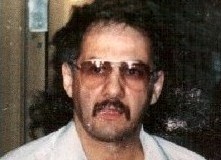 Allan Legere
Murderer · Canada · 1986
Name: Allan Legere · Citation: R. v. Legere (1988), 89 N.B.R. (2d) 361 · Other…
5 victims
Allan Legere
Murderer · Canada · 1986
Name: Allan Legere · Citation: R. v. Legere (1988), 89 N.B.R. (2d) 361 · Other…
5 victims
 Tooba Yahya
Murderer · Canada · 2009
Tooba Yahya was a 41-year-old second wife in the polygamous Shafia household. H…
4 victims
Tooba Yahya
Murderer · Canada · 2009
Tooba Yahya was a 41-year-old second wife in the polygamous Shafia household. H…
4 victims
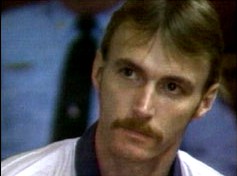 Nicholas Ingram
Murderer · USA · 1983
Nicholas Lee Ingram was convicted of the June 3, 1983 malice murder of J.C. Saw…
1 victim
Nicholas Ingram
Murderer · USA · 1983
Nicholas Lee Ingram was convicted of the June 3, 1983 malice murder of J.C. Saw…
1 victim
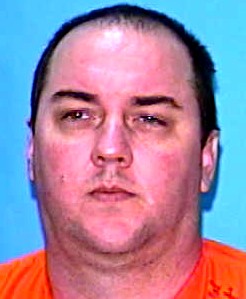 John Steven Huggins
Murderer · USA · 1997
John Steven Huggins was sentenced to death on February 26, 1999 and was resente…
1 victim
John Steven Huggins
Murderer · USA · 1997
John Steven Huggins was sentenced to death on February 26, 1999 and was resente…
1 victim
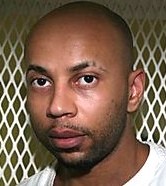 Danielle Nathaniel Simpson
Murderer · USA · 2000
Danielle Nathaniel Simpson was condemned for the capital murder of Geraldine Da…
1 victim
Danielle Nathaniel Simpson
Murderer · USA · 2000
Danielle Nathaniel Simpson was condemned for the capital murder of Geraldine Da…
1 victim
 John Nixon
Murderer · USA · 1985
John B. Nixon Sr. was executed by lethal injection in Mississippi on December 1…
1 victim
John Nixon
Murderer · USA · 1985
John B. Nixon Sr. was executed by lethal injection in Mississippi on December 1…
1 victim
 Randy Lee Guzek
Murderer · USA · 1987
Randy Lee Guzek was sentenced to death in 1988. In Oregon v. Guzek, 546 U.S. 51…
2 victims
Randy Lee Guzek
Murderer · USA · 1987
Randy Lee Guzek was sentenced to death in 1988. In Oregon v. Guzek, 546 U.S. 51…
2 victims
- Gender
- female
- Country
- Canada
- Location
- Vancouver, British Columbia, Canada
- Date of birth
- 1940
- Age at first offence
- 52
- Characteristics
- jealousy
- Victim profile
- Gladys Wakabayashi , 41 ( the daughter of a Taiwanese billionaire and her husband's lover)
- Method of murder
- S lit her throat with a boxcutter
- Date(s) of murder
- June 24, 1992
- Years active
- 1992
- Date of arrest
- December 16, 2008 (16 years later)
- Status
-
Life imprisonment
Sentenced to 25 years to life in prison on November 3, 2011
Case record: Jean Ann James
Background
Jean Ann James was an elderly Richmond woman who was convicted of the 1992 murder of Gladys Wakabayashi. James was 72 at the time of her conviction.
Gladys Wakabayashi was 41 and was described in court as “soft-spoken.” She was the daughter of a Taiwanese billionaire. Wakabayashi was separated from her husband when she was killed. Her home at the time of the killing was in Shaughnessy, Vancouver, in a residence she shared with her young daughter.
James and her husband Derek James owned a home on Bridge Street, with the land title search showing they were registered owners since 1987. They had an association described by neighbours, and their home was described as featuring animal-related interests.
Neighbours described Jean and Derek James in favourable terms, including “absolute sweetheart of a lady,” “one of the best neighbours I’ve had,” “animal lovers,” “a really neat lady,” “very generous,” and “an outstanding citizen.” One neighbour also described James as having opposed a residential development on No. 4 Road in 2003, including James writing a letter to the editor and making petitions to city council opposing the development.
The offence
Jean Ann James was found guilty in the 1992 first-degree murder of Gladys Wakabayashi.
Wakabayashi’s throat was slit with boxcutters at around 9:15 a.m. on June 24, 1992. James confessed to police that she slit Wakabayashi’s throat after discovering Wakabayashi was having an affair with James’s husband. In court proceedings, the prosecutor said the Crown theory was that James killed Wakabayashi because she had done “a little digging” and found that Wakabayashi had been having an affair with James’s husband.
The court heard that Wakabayashi had a two-year relationship with a Chilliwack music teacher named Joseph Bayer in addition to her affair with Derek James. The court also heard that Wakabayashi loved playing the piano and missed a lesson on the morning she was killed.
James confessed that she parked her car five blocks away from Wakabayashi’s home and walked down the lanes rather than on the sidewalks to get to the residence. The prosecutor said James put a necklace, which was described as a gift, around Wakabayashi’s neck and then slit her throat with a boxcutter. The court heard that James also stabbed Wakabayashi’s legs. The prosecutor described that James claimed she would call her friend an ambulance if she gave “a truthful account of the affair,” and that James claimed she slashed Wakabayashi on her legs to get information, particularly how long the affair had been going on.
During the trial, the prosecutor said Wakabayashi fatally wounded in the dressing area between her bedroom and ensuite. The court heard that Elisa Wakabayashi, who was 12 at the time, called her father to come and get her instead because her mother failed to pick her up from school that day. Wakabayashi’s estranged husband, Shinji, discovered her fatally wounded.
In the jury trial account, it was said James kept her secret for years, including even when police searched her house about a week or so after the crime.
Investigation
The initial police investigation resulted in no charges.
In 2007, police launched an undercover operation against James. The undercover officers posed as members of a criminal organization.
Court heard that an undercover officer arranged a chance encounter between James and the undercover operator, and the two women “became friends and bonded,” according to Crown prosecutor Jennifer Horneland. Soon, the operator asked James for help doing “various tasks for the criminal organization such as delivering packages, moving vehicles and meeting with buyers of counterfeit products,” according to the jury evidence as described in court openings.
Eventually, James was taken to Montreal for a meeting to discuss her potential role with the purported crime boss. During that meeting, James laid out details of the Wakabayashi murder. The prosecutor said she carefully planned the murder and laid out those plans in a video-taped confession to undercover police in November 2008. The trial involved playing the tape later.
At trial, the prosecutor said the videotape showed James describing how she wore gloves and destroyed evidence, disposing of the murder weapon in a metal dumpster on the other side of town.
In December 2008, Staff Sgt. Bruce Hulan of the Provincial Unsolved Homicide Unit described that during the initial investigation James had been interviewed and that there was insufficient evidence to lay a charge. Hulan said the unit received the cold case file two years earlier and reviewed all old evidence, including “further testing of exhibits -- DNA testing that wasn’t available back in 1992 when this offence occurred.” Hulan stated, “We have new evidence that led us to be able to recommend charges. What that evidence is I’m not at liberty to discuss.”
The RCMP’s Provincial Unsolved Homicide Unit effort was described in the case narrative as a year-long “Mr. Big” operation after 2007, in which multiple officers posed as members of a crime ring and ingratiated themselves with James after a “chance” meeting at a spa.
A separate description stated that through a series of recorded meetings and events it became clear James embraced her new criminal life, including offering to kill for the gang. James eventually confessed in detail to a crime boss about cutting Wakabayashi’s legs with a box cutter while probing for information about the affair, and then slit her throat. The narrative also described that the confession included that James felt no regrets about killing her former friend.
Arrest and charge
Jean Ann James was arrested Friday at her home on Bridge Street in December 2008. She made a brief court appearance Monday and remained in custody. She was charged with first-degree murder in the stabbing death of Gladys Wakabayashi in Vancouver. The description said the 41-year-old daughter of a Taiwanese billionaire was found stabbed to death on June 24, 1992 in her Shaughnessy home, which she shared with her 12-year-old daughter. A land title search was referenced showing James and her husband Derek owned the Bridge Street home.
James was scheduled to appear in court December 18.
In a later trial opening, it was also said that the charge was finally laid three years before the October 12, 2011 trial start.
Trial
James was convicted in November 2011 in B.C. Supreme Court by a jury.
On October 12, 2011, Crown prosecutor Jennifer Horneland made opening statements to jurors. Horneland said James was charged with first-degree murder in the Shaughnessy slaying of Gladys Wakabayashi on June 24, 1992 and that the charge had finally been laid three years earlier. Horneland explained the undercover plan and described how the operator and James bonded, and that the operator asked James for help with tasks “such as delivering packages, moving vehicles and meeting with buyers of counterfeit products.” Horneland said the meeting in Montreal led to James laying out details of the murder.
Horneland told jurors that James “killed Gladys Wakabayashi because she had done a little digging and found that Gladys Wakabayashi had been having an affair with her husband.” Horneland also stated that James then planned the murder and laid out those plans in a video-taped confession to undercover police in November 2008. Horneland said the tape would be played later in trial.
Horneland said the Crown planned to call 33 witnesses, including friends of James. Horneland said those witnesses were expected to testify James had learned of Derek James’s affair with Wakabayashi. Horneland also said Wakabayashi’s former husband, Shinji, and daughter, Elisa, were expected to be called that week. Horneland described that one friend was expected to detail a lunch where James said “Derek was having an affair with a very, very wealthy oriental woman and that this woman Derek was having an affair with was supposed to be her friend.”
James’s lawyer Raj Basra urged jurors not to jump to conclusions and said “the central issue in the case is the reliability of the video-taped confession.” Basra said:
“Be critical about what you hear and ultimately keep an open mind in this case,” Basra said in his brief opening.
In the trial opening account, Basra also urged examination of all evidence presented during the trial carefully.
The trial was expected to last six weeks.
During the trial period, James sat in the prisoner’s box, emotionless, as Horneland spoke.
On November 4, 2011, the jury found Jean Ann James guilty in the first-degree murder of Gladys Wakabayashi. It was reported that the jury deliberated for less than eight hours before convicting her.
On sentencing context, it was stated that when the jury found her guilty, James “expressed no emotion” and did not break down or express anger, regret, or other visible emotional response. It was also said that Gladys Wakabayashi’s family broke down and one sister-in-law, Susanna, cried and smiled, hugged prosecutor Kerr Clark outside court, and a family friend said “justice at last.”
James’s confession to undercover police was described as detailed. It included that James cut Wakabayashi’s legs with a box cutter while probing for information and then slit her throat, and it included that James felt no regret. The narrative also described that the prosecutor said a boxcutter murder occurred and that James confessed she disposed of the murder weapon in a metal dumpster on the other side of town, wearing gloves and destroying evidence.
Appeals
James appealed the murder verdict.
It was reported that on appeal, James’s lawyers argued that the trial judge erred in admitting the opinions of police that a partial shoe print at the murder scene appeared to be a woman’s high-heeled shoe. The defense also argued that B.C. Supreme Court Justice Catherine Bruce failed to give proper instructions to the jury about evidence of James’s bad character.
On appeal, it was said that a three-member appeal-court panel found the trial judge’s charge to the jury sufficiently covered the bad-character statements made by James to the undercover officers. It was also said that the shoe-print evidence was admissible as lay-opinion evidence to show a potential inconsistency in the confession.
The appeal-court panel said it was an error for the trial judge not to correct the prosecution’s suggestion that the print may be James’s, but said the mistake was harmless. It was also said that the evidence of motive and opportunity, together with the detailed confession, formed an overwhelming foundation on which a conviction could be based.
B.C. Court of Appeal Chief Justice Lance Finch said:
“The evidence of motive and opportunity, together with the detailed confession, formed an overwhelming foundation on which a conviction could be based,” B.C. Court of Appeal Chief Justice Lance Finch said in his reasons for judgment.
“I would affirm the verdict of guilty and dismiss the appeal.”
Finch’s ruling was agreed to by Justice Peter Lowry and Justice Daphne Smith.
In December 2011, it was reported that James’s appeal involved grounds that included admission of evidence and reliability of the alleged confession. James’s appeal lawyer Ravi Hira was quoted describing the appeal grounds. Hira said:
“We are appealing on the grounds there was evidence that should not have been admitted for the jury and we are appealing based on the reliability of the alleged confession,” Hira said.
The reported appeal grounds included:
“That the learned trail judge erred in law by failing to exclude editable prejudicial evidence that was not probative of any issue led by the Crown in the various Mr. Big scenarios.”
Hira also said the judge “erred in law by emphasizing in her charge to the jury the Crown's theory that no one else had a grudge against the deceased after disallowing defence counsel to cross-examine on that issue.”
The final ground of appeal was reported as suggesting Bruce also erred by emphasizing prejudicial comments made by the defendant and other bad character evidence relating to the defendant.
In December 2011, it was also reported that the Vancouver Sun and Province jointly applied to B.C. Supreme Court to obtain and broadcast James’s video-taped confession. Permission was granted by Justice Catherine Bruce as long as the images and voices of the undercover operators were altered to protect their identities.
Sentencing
Jean Ann James was sentenced to 25 years to life in prison on November 3, 2011.
The reporting at the time of conviction included that at 72, she would likely spend the rest of her life in jail with an automatic sentence of 25 years to life.
Outcome
James’s conviction for the 1992 first-degree murder of Gladys Wakabayashi was upheld by the B.C. Court of Appeal.
The jury convicted James in November 2011, and her appeal was dismissed per the Court of Appeal’s decision described in the ruling released Friday, with the outcome affirming the guilty verdict.
Other details
The case included discussion of the reliability of “Mr. Big” undercover investigations. Simon Fraser University PhD student Kouri Keenan was quoted saying:
“The undercover operators cultivate an atmosphere of fear and intimidation, which also creates a significant degree of psychological influence over the target,” said Simon Fraser University PhD student Kouri Keenan, who co-authored a 2010 book called Mr. Big: Exposing Undercover Investigations in Canada.
Keenan also was quoted:
“The combination of the enticements or the inducements and the fear create the conditions for eliciting false confessions.”
Keenan said:
“The confession was accompanied by narrative details that could only have been known by the perpetrator or someone who knew the perpetrator, notwithstanding the context within which the self-incriminating statement was made.”
Keenan said:
“But, he said, if the RCMP don't include a number of safeguards during the operation, the chance of a false confession increases.”
Keenan added:
“As it stands right now, there is no sort of safeguard or no way within the criminal law to test the reliability of these confessions,” Keenan said.
The reporting also included quotations about the “Mr. Big” technique and safeguards from Darryl Plecas of the University of the Fraser Valley. Plecas said:
“I think it is a great practice. The acid test is when they do it, does it work? And as it turns out, it does,” he said.
Plecas also said:
“I think that concern is unfounded.”
Plecas added about safeguards:
“It is not like somebody sitting down badgering somebody and them providing snippets of what happened,” Plecas said.
Keenan said about long-term investigations:
“Keenan said that if the investigations are long-term — the operators in the James case, for instance, built a relationship for almost a year — the confessions tend to be more reliable.”
The narrative also included a comparison that in one case where a confession was later proven to be false, the investigation lasted less than a month.
In the court-opening account, it was described that the Crown’s case included James’s alleged planning and disposal of the murder weapon, and that James’s defence counsel argued reliability and admission of evidence, including that prejudicial evidence should not have been stressed during Bruce’s charge to the jury.
The house address for where the body was found was referenced as the 6800-block of Selkirk and also included a specific address of 6868 Selkirk St. for Wakabayashi’s home.


Spotted an error, or have more information about this case?