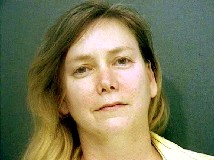
Donna Moonda
Murderer Miranda Barbour
Murderer · USA · 2013
Miranda Barbour, 19, defendant. · Elytte Barbour, 22, defendant and husband of…
100 victims
Miranda Barbour
Murderer · USA · 2013
Miranda Barbour, 19, defendant. · Elytte Barbour, 22, defendant and husband of…
100 victims
 Megan Huntsman
Murderer · USA · 1996
Megan Huntsman was 40 at sentencing. She was a mother of three children who wer…
6 victims
Megan Huntsman
Murderer · USA · 1996
Megan Huntsman was 40 at sentencing. She was a mother of three children who wer…
6 victims
 Michele Kalina
Murderer · USA · 1996
Michele Kalina pleaded guilty to murder for one of five infants she initially w…
5 victims
Michele Kalina
Murderer · USA · 1996
Michele Kalina pleaded guilty to murder for one of five infants she initially w…
5 victims
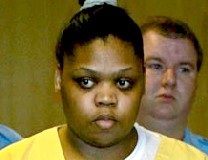 Tiffany Hall
Murderer · USA · 2006
Tiffany Hall was 24 when she was charged in September 2006. She later entered a…
5 victims
Tiffany Hall
Murderer · USA · 2006
Tiffany Hall was 24 when she was charged in September 2006. She later entered a…
5 victims
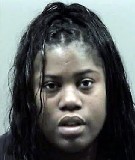 Banita Jacks
Murderer · USA · 2007
Banita Jacks was a Washington, DC resident convicted of murdering her four daug…
4 victims
Banita Jacks
Murderer · USA · 2007
Banita Jacks was a Washington, DC resident convicted of murdering her four daug…
4 victims
 Holly Grigsby
Murderer · USA · 2011
Holly Grigsby was sentenced to life in prison without parole on July 15, 2014.…
4 victims
Holly Grigsby
Murderer · USA · 2011
Holly Grigsby was sentenced to life in prison without parole on July 15, 2014.…
4 victims
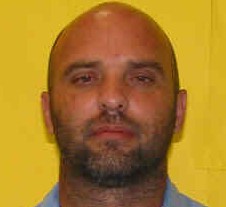 Christian Stephen Fuhr
Murderer · USA · 2001
Christian Stephen Fuhr was sentenced to death on August 27, 2002. · November 28…
2 victims
Christian Stephen Fuhr
Murderer · USA · 2001
Christian Stephen Fuhr was sentenced to death on August 27, 2002. · November 28…
2 victims
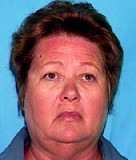 Linda Jones
Murderer · USA · 1995
Linda Jones and Jack Jones had been married for nearly 30 years. They had two d…
1 victim
Linda Jones
Murderer · USA · 1995
Linda Jones and Jack Jones had been married for nearly 30 years. They had two d…
1 victim
 John Ausonius
Murderer · Sweden · 1991
John Ausonius (born Wolfgang Alexander Zaugg on July 12, 1953), also known in t…
1 victim
John Ausonius
Murderer · Sweden · 1991
John Ausonius (born Wolfgang Alexander Zaugg on July 12, 1953), also known in t…
1 victim
 Waneta Ethel Hoyt
Murderer · USA · 1965
Waneta Ethel (Nixon) Hoyt was born in Richford, New York, and died in prison on…
5 victims
Waneta Ethel Hoyt
Murderer · USA · 1965
Waneta Ethel (Nixon) Hoyt was born in Richford, New York, and died in prison on…
5 victims
 Sheena Eastburn
Homicide · USA · 1992
Sheena Eastburn was sentenced to life in prison without parole in 1995. Sheena…
1 victim
Sheena Eastburn
Homicide · USA · 1992
Sheena Eastburn was sentenced to life in prison without parole in 1995. Sheena…
1 victim
 Clarence Carter
Murderer · USA · 1988
Defendant: Clarence Carter Sex: Male Race: Black Victim: Johnny Allen Victim ag…
2 victims
Clarence Carter
Murderer · USA · 1988
Defendant: Clarence Carter Sex: Male Race: Black Victim: Johnny Allen Victim ag…
2 victims
- Gender
- female
- Country
- USA
- Location
- Ohio Turnpike, Cuyahoga County, Ohio, USA
- Date of birth
- 1959
- Age at first offence
- 46
- Characteristics
- murder for hire, parricide
- Victim profile
- Dr. Gulam H. Moonda, 69 (her millionaire urologist husband)
- Method of murder
- Shooting
- Date(s) of murder
- May 13, 2005
- Years active
- 2005
- Date of arrest
- July 24, 2006
- Status
-
Life imprisonment
Sentenced to life in prison without parole on July 18, 2007
Case record: United States v. Donna J. Moonda
Status
Donna Moonda was sentenced to life in prison without parole on July 18, 2007.
Timeline
- May 13, 2005 — Dr. Gulam Moonda was shot to death in an emergency pull-off of the Ohio Turnpike in Cuyahoga County.
- July 18, 2007 — Donna Moonda was sentenced to life in prison without parole.
- Sept. 29, 2009 — The U.S. Court of Appeals for the Sixth Circuit ruled on Donna Moonda’s direct appeal.
- April 16, 2011 — U.S. District Judge David D. Dowd Jr. denied Donna Moonda’s motion to vacate her sentence.
Background
Donna Moonda was a federal defendant connected to the shooting death of her husband, Dr. Gulam Moonda. The proceedings involved a murder-for-hire allegation in which Moonda was convicted by a jury in July 2007 and later sought post-sentencing relief.
The offence
Donna Moonda was convicted by a jury in July 2007 of murder-for-hire and three other federal charges related to the shooting death of her husband, Dr. Moonda.
Dr. Gulam Moonda, 69, was gunned down on May 13, 2005, in an emergency pull-off of the Ohio Turnpike in Cuyahoga County.
The killing was carried out by Donna Moonda’s lover, Damian R. Bradford, 29, who testified that Donna Moonda promised to share her inheritance with him if he killed her husband. Donna Moonda maintained that she had nothing to do with her husband’s death and that Bradford acted alone.
Donna Moonda was described by her lawyers as having tried to revive Dr. Moonda after Bradford shot him, as evidence of innocence. Prosecutors countered that cell phone tracking records and other evidence supported Moonda’s involvement.
During trial testimony, Bradford described the plan as making the killing look like a robbery gone bad and using information about money on Dr. Moonda’s person.
Investigation
Prosecutors initially treated the death as a random highway robbery.
The investigation included Ohio Highway Patrol use of cell phone tracking records that established that Donna Moonda and Bradford met on the day of the murder, May 13, 2005. The case described exchanges of text messages and phone calls that day.
Investigators received tips that related to Moonda paying for an apartment in Monaca for Bradford and that Moonda was getting divorced. The case also described steps including credit history checks that turned up the address in Monaca used under Donna Moonda’s maiden name, Donna Smouse.
Trooper Timothy Robinson and other witnesses described that Donna Moonda used her maiden name to make a down payment on a Chevrolet Trail Blazer bought for Bradford, and that her maiden name and that of Thomas Case were on loan payment materials.
The investigation also involved accounts by Charlene McFrazier, described as Bradford’s fiancée and linked to his relationship with Donna Moonda. The case described her informing police about Bradford’s relationship with Moonda and that this led investigators to start looking at Bradford five days after the shooting.
Arrest and pretrial
Donna Moonda was charged in federal court in Ohio with interstate stalking that resulted in death after Bradford admitted his role in the shooting death and agreed to testify against her.
Donna Moonda planned to plead not guilty.
Jury selection timing for a later trial phase was set by U.S. District Judge David Dowd. Judge Dowd rejected a request for bail, and Moonda was held in an Ohio jail from her arrest in July until trial.
Trial
Donna Moonda went to trial in 2007 for murder-for-hire and related federal charges.
Jurors were expected to resume deliberations following closing arguments during the murder-for-hire trial. The case described prosecutors’ closing argument that presented “Two minds” and “Two fingers” on the trigger on May 13, 2005, and asserted accountability for the killing.
The defense closing argument characterized Bradford as a liar and argued Bradford acted alone. Prosecutors argued Moonda misled law enforcement and was central to the murder plot.
Claims, testimony, and evidence described
Bradford testified that Donna Moonda offered him half of her inheritance if he killed Dr. Moonda, described as an amount believed to be $3 million to $6 million.
The case described that the relationship began after meeting during drug rehabilitation group therapy sessions. It also described that Bradford said he was addicted to money, and that Moonda initially wanted Bradford to recruit someone else but that Bradford decided to pull the trigger himself.
Bradford described a plan to shoot Dr. Moonda outside a mosque attended by Dr. Moonda, but he said he never got the opportunity on the day he waited. Bradford also described that he was to follow the couple and shoot Dr. Moonda when they pulled to the side of the road to switch drivers, making the killing look like a robbery gone bad.
The case described that on the day of the killing, May 13, 2005, Bradford said he was summoned by a text message from Donna Moonda and that they met in Moravia, Lawrence County, where she gave him Mapquest directions to Toledo. Bradford said he camped out at a store near the Moonda home and saw the gold Jaguar drive by.
The case described that Bradford said Donna Moonda’s mother, Dorothy Smouse, was with the Moondas “to make it look good,” and that Bradford said Donna Moonda suggested he shoot her as well, giving her a flesh wound. Bradford said he was against that.
Bradford described approaching Dr. Moonda, telling him to get back in the car, asking for his wallet, and shooting him in the head. Bradford described fleeing the scene after losing his toll ticket, and that he discarded the wallet’s contents and the gun later.
The case described text messages sent after the shooting and communications between Bradford and Donna Moonda after the killing, including Bradford’s account that he did not respond to one message.
Jurors were described as electing not to sentence Donna Moonda on two firearms charges that could have carried the death penalty.
The case described that jurors convicted her of aiding Bradford in the shooting and then allowed Judge David Dowd to sentence her to a penalty less than life on those firearms-related convictions.
Verbatim quotations
“Two minds were set on murder,” assistant U.S. attorney Linda Barr told jurors Thursday in closing arguments. “Two fingers were on the trigger of that gun on May 13, 2005, and two people must be held accountable.”
“Her doing CPR for 20 minutes, that's evidence of innocence,” he said.
“That's not evidence you want your husband robbed and murdered.”
“It was a spontaneous decision made by a 'roided-up drug dealer who needed money to buy drugs,” he said of the shooting.
“They told of sex, drugs, wealth, violence and a future together,” Kelley said.
“The defendant literally held the keys to murder, and literally was in the driver's seat the evening of the murder,” Ms. Barr said.
“I just feel betrayed,” he said.
“We're satisfied. Life in prison without parole is a serious sentence,” Dr. Sachdeva said as he left court.
“I think she's relieved to have a trial date set,” he said.
“I was against it,” Bradford said.
“My job was to make it look like a robbery gone bad,” he said.
“She made me aware he would have a large amount of money on his person.”
“Did you think that was a pretty good plan?” Synenberg asked.
“Yes, sir,” Bradford said.
“You had no problems with that plan?” Synenberg continued.
“Yes, sir — me killing Dr. Moonda,” Bradford said.
“When it was handed to me, I fired,” Bradford said.
“I shot Dr. Gulam Moonda in the head.”
Sentencing
Donna Moonda was sentenced in September 2007 to life in prison for her murder-for-hire conviction.
The case also described a separate sentence of 360 months in prison, followed by five years’ supervised release, for convictions on interstate stalking resulting in death and two counts of using a firearm during a crime of violence resulting in death.
On July 18, 2007, Donna Moonda received life in prison without parole.
Jurors elected not to sentence her on two firearms charges that could have carried the death penalty.
Appeals
Donna Moonda’s attorneys appealed her convictions to the U.S. 6th Circuit Court of Appeals, based in Cincinnati, arguing there was not enough evidence to support the guilty verdicts and that Judge David Dowd erred by refusing a jury view of the crime scene during her trial in Akron, Ohio.
The Sixth Circuit ruled on direct appeal on Sept. 29, 2009.
In 2011, Donna Moonda filed a motion to vacate her sentence. U.S. District Judge David D. Dowd Jr. denied the motion, agreeing with prosecutors that Moonda was trying to relitigate issues already decided by the higher appeals court.
Judge Dowd said that a motion “is not an opportunity to revisit a ruling made on direct appeal.”
Dowd said Thursday: “is not an opportunity to revisit a ruling made on direct appeal.”
“As indicated by the government, and as the (U.S. Court of Appeal for the) Sixth Circuit (in Cincinnati) considered and rejected the argument that there was insufficient evidence to support the consideration element of the murder for hire conviction, there is no basis to grant the petitioner ... relief,” Dowd said Thursday.
Donna Moonda could appeal Judge Dowd’s decision to the Sixth Circuit.
Outcome
The federal conviction of Donna Moonda was upheld.
Donna Moonda’s motion to vacate her sentence was denied. Her life sentence without parole remained in place.
Other details
Donna Moonda was described in some accounts as formerly of Hermitage, 52, and as formerly of Mercer County, with ages varying across the provided narratives.
The case described that Donna Moonda had an affair with Damian Bradford, meeting him during drug rehabilitation meetings while she was married to Dr. Gulam Moonda.
The case described a prenuptial agreement limiting her divorce settlement to $250,000, while her husband’s will promised millions plus $676,000 in insurance policies and their home.
The case described that the U.S. government had not executed a female convict since 1953 and that only one woman was on death row in the federal system at the time of one pretrial discussion, though Donna Moonda was ultimately sentenced to life in prison without parole.
Attorney names mentioned for Moonda included Timothy C. Ivey and Vanessa F. Malone of the Federal Public Defender’s Office, Cleveland, as well as Roger Synenberg and David L. Grant in trial-related accounts.
Prosecutors mentioned included Assistant U.S. Attorney Linda Barr and Assistant U.S. Attorney Nancy Kelley.
Witness names mentioned included Dr. Ravi Sachdeva, Dr. Faroq Moonda, Dr. Afren Moonda, Dorothy Smouse, Charlene McFrazier, and Lt. Judy Neel and Trooper Timothy Robinson in investigation-related accounts.
The case described that Bradford was housed in Ray Brook, N.Y., and that the U.S. Bureau of Prisons listed his projected release date as April 6, 2021. The case described that Moonda was incarcerated in Connecticut.
The case described that Bradford admitted shooting Dr. Moonda on May 13, 2005, along the Ohio Turnpike and that he pleaded guilty to interstate stalking and a gun charge and promised to cooperate with authorities for a 17 1/2-year sentence in exchange for testimony against Moonda.
The case described that Bradford testified he was addicted to drugs including powder cocaine and marijuana and that he had been in trouble with the law, including a gun charge in 2002 and other court proceedings.
The case described statements and allegations about Donna Moonda’s misrepresentations to police, including accounts that she lied to police and others and misled a motorist who stopped to help.
The case described that Bradford did not pretend to be something he wasn’t and that the prosecution argued Moonda misled people about the shooter and the vehicle.
The case described that Dr. Ravindra Sachdeva said he felt sympathy for Moonda’s mother and sisters “but not for the killer who took away his friend.”
The case described that Dr. Sachdeva said he ran into Dr. Moonda’s old urology patients weekly and that “their pain is raw” and that “They have nothing but contempt for Donna,” as he said.
Spotted an error, or have more information about this case?