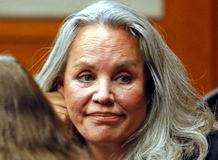
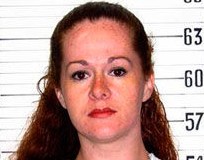
Pamela Phillips
Murderer Megan Huntsman
Murderer · USA · 1996
Megan Huntsman was 40 at sentencing. She was a mother of three children who wer…
6 victims
Megan Huntsman
Murderer · USA · 1996
Megan Huntsman was 40 at sentencing. She was a mother of three children who wer…
6 victims
 Angela Johnson
Murderer · USA · 1993
Angela Jane Johnson was convicted in federal court of aiding and abetting the m…
5 victims
Angela Johnson
Murderer · USA · 1993
Angela Jane Johnson was convicted in federal court of aiding and abetting the m…
5 victims
 Catherine May Wood
Murderer · USA · 1987
Catherine May Wood was an American caregiver who worked at the Alpine Manor Nur…
5 victims
Catherine May Wood
Murderer · USA · 1987
Catherine May Wood was an American caregiver who worked at the Alpine Manor Nur…
5 victims
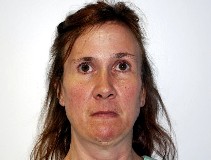 Michele Kalina
Murderer · USA · 1996
Michele Kalina pleaded guilty to murder for one of five infants she initially w…
5 victims
Michele Kalina
Murderer · USA · 1996
Michele Kalina pleaded guilty to murder for one of five infants she initially w…
5 victims
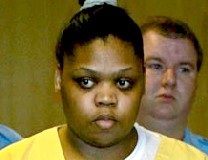 Tiffany Hall
Murderer · USA · 2006
Tiffany Hall was 24 when she was charged in September 2006. She later entered a…
5 victims
Tiffany Hall
Murderer · USA · 2006
Tiffany Hall was 24 when she was charged in September 2006. She later entered a…
5 victims
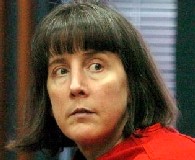 Amy Bishop
Murderer · USA · 1986
Amy Bishop — biology professor and perpetrator · James Anderson — Bishop’s husb…
4 victims
Amy Bishop
Murderer · USA · 1986
Amy Bishop — biology professor and perpetrator · James Anderson — Bishop’s husb…
4 victims
 Gregory Beaver
Murderer · USA · 1985
Gregory Warren Beaver was a 30-year-old man who was executed by lethal injectio…
1 victim
Gregory Beaver
Murderer · USA · 1985
Gregory Warren Beaver was a 30-year-old man who was executed by lethal injectio…
1 victim
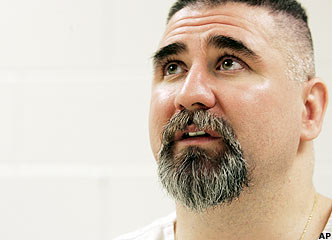 James Filiaggi
Murderer · USA · 1994
James J. Filiaggi (also referred to as James J. Filiaggi) was a death-row priso…
1 victim
James Filiaggi
Murderer · USA · 1994
James J. Filiaggi (also referred to as James J. Filiaggi) was a death-row priso…
1 victim
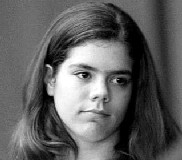 Melissa Nicole Norris
Homicide · USA · 1995
Melissa Nicole Norris Melissa Nicole Norris was 15 years old at the time of the…
1 victim
Melissa Nicole Norris
Homicide · USA · 1995
Melissa Nicole Norris Melissa Nicole Norris was 15 years old at the time of the…
1 victim
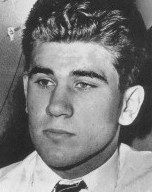 William Heirens
Homicide · USA · 1945
William George Heirens (born November 15, 1928 in Evanston, Illinois) was an Am…
3 victims
William Heirens
Homicide · USA · 1945
William George Heirens (born November 15, 1928 in Evanston, Illinois) was an Am…
3 victims
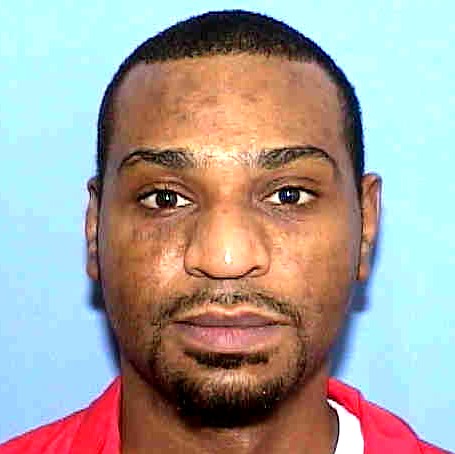 Ronald Chris Foster
Homicide · USA · 1989
Ronald Chris Foster was an African American who was 17 years of age at the time…
1 victim
Ronald Chris Foster
Homicide · USA · 1989
Ronald Chris Foster was an African American who was 17 years of age at the time…
1 victim
- Gender
- female
- Country
- USA
- Location
- Tucson, Pima County, Arizona, USA
- Date of birth
- 1958
- Age at first offence
- 38
- Characteristics
- murder for hire, to collect insurance money
- Victim profile
- Her former husband, Gary Triano, 53
- Method of murder
- A pipe bomb exploded in his car
- Date(s) of murder
- November 1, 1996
- Years active
- 1996
- Date of arrest
- December 3, 2009 (in Austria)
- Status
-
Life imprisonment
Sentenced to life in prison without parole on May 22, 2014
Case overview
Pamela Phillips was tried in Tucson, Arizona, for the 1996 car-bomb murder of her husband, Gary Triano. She received a “natural life” prison term without parole on May 22, 2014.
Timeline
- Oct. 4, 1986 — Gary Triano and Pamela Phillips married in San Diego.
- September 1992 — Triano and Phillips bought a $2 million life insurance policy for Triano; their two children were the beneficiaries, and Phillips was named trustee.
- September 1993 — Phillips sought the first of three restraining orders against Triano, whom she said harassed and threatened her.
- November 1993 — Triano and Phillips divorced.
- March 10, 1994 — Phillips was arrested for dumping a glass of water on Triano at the Pima County Courthouse during a break at a hearing related to their divorce settlement.
- October 1995 — Triano’s life insurance policy was changed to make Phillips’ friend, Joy Bancroft, responsible for premium payments.
- October 1996 — Police in Yorba Linda, Calif., recovered an abandoned car rented by Ronald Young; inside were a sawed-off shotgun, a laptop computer, a credit report in Phillips’ name, and Triano’s and Phillips’ divorce records.
- Nov. 1, 1996 — Triano returned to his car at La Paloma Resort after playing golf; a bomb exploded, scattering pieces of the car for hundreds of feet and killing Triano.
- Nov. 1, 1996 — Phillips sent a missed October payment on Triano’s life insurance policy; following an investigation, the company paid the claim totaling $2.2 million.
- August 1997 — A joint police task force investigating Triano’s murder disbanded.
- Nov. 19, 2005 — “America’s Most Wanted” aired a profile of Young calling him a “person of interest” in the case.
- Nov. 21, 2005 — Police in Florida arrested Young on outstanding felony fraud charges in Aspen, Colo.
- Sept. 6, 2006 — Pima County Sheriff’s investigators searched Phillips’ Aspen home and publicly named her as a suspect in Triano’s death.
- July 2010 — Phillips was extradited to Tucson from Austria.
- Oct. 2010 — Phillips’ defense team sought mental health evaluations for their client.
- March 2011 — Doctors who performed preliminary mental-health exams determined Phillips was “malingering” or exaggerating her symptoms; she was deemed competent to stand trial.
- September 2011 — A Pima County judge reversed his decision and agreed to have Phillips undergo a full mental health check.
- December 2011 — Phillips was declared incompetent to stand trial, but doctors said she could be restored to competency.
- October 2012 — Doctors determined Phillips was competent to stand trial.
- Feb. 20, 2014 — Trial reporting described opening arguments in the murder-for-hire trial; Phillips had pleaded not guilty to first-degree murder and conspiracy to commit murder.
- Feb. 21, 2014 — Day three of trial testimony focused on explosive evidence, including remnants recovered from the scene, and a reconstructed replica of a pipe bomb.
- Feb. 28, 2014 — Day 7 continued testimony focused on computer forensic evidence and convicted hit-man Ronald Young.
- Mar. 6, 2014 — Day 10 featured recorded phone conversations between Phillips and Young played in court.
- Mar. 12, 2014 — Day 13 included testimony describing Triano as “anxious and desperate” the day before his death.
- Mar. 14, 2014 — Week four of trial ended with the defense attempting to blame Tucson billionaire Neil McNeice.
- April 1, 2014 — The defense rested their case on the eve of closing arguments.
- April 2, 2014 — Closing arguments period continued; Phillips was accused of hiring a hit-man to kill ex-husband Gary Triano.
- April 8, 2014 — Phillips was found guilty on the first-degree murder and conspiracy to commit murder charges.
- May 22, 2014 — Phillips was sentenced to spend “natural life” in prison without parole.
- May 23, 2014 — Reporting followed the sentencing in Tucson courtroom.
Background
Gary Triano was murdered on Nov. 1, 1996, after walking off the golf course when a bomb exploded inside his Lincoln Town Car. Triano was a Tucson businessman and a developer. The reporting described Triano as having made millions investing in Indian bingo halls and slot-machine parlors in Arizona and California before Congress authorized tribes to open casinos, and it also described his finances changing after the real estate market declined and his gambling interests failed.
Pamela Phillips was described as an Aspen socialite. The marriage between Triano and Phillips ended in divorce in November 1993, after restraining orders were sought. Triano’s death occurred years after their divorce and after a life insurance policy was taken out with Phillips as trustee.
The reporting described a $2 million life insurance policy for Triano that was connected to their children as beneficiaries and to payments handled after the policy terms were changed. Phillips later received the payout tied to the policy after Triano’s death.
The offence
Triano was killed in a car-bomb explosion. Authorities described the bomb as having been placed in a canvas bag and put on the passenger seat of the Lincoln Town Car that Triano was driving when he was killed.
Authorities alleged that Phillips hired a hit-man, described as Ronald Young, and that the motive for Triano’s murder was connected to a $2 million life insurance policy.
Investigation
A joint police task force investigating Triano’s murder disbanded in August 1997.
Recorded telephone conversations and investigative findings were described as involving Phillips and Ronald Young. The reporting also described a search warrant executed at Phillips’ Aspen home, with authorities later releasing an affidavit describing the relationship between Phillips and Young and recorded conversations said to include threats, blackmail, money drops, a secret romance, and evidence of conspiracy in the 1996 slaying.
The reporting described that Phillips was named as a possible suspect in 2006 and that Pima County Sheriff’s investigators searched her Aspen home on Sept. 6, 2006, and publicly named her as a suspect.
Arrest and related cases
Ronald Young was tried and convicted in 2010. The reporting described his conviction as for first-degree murder and conspiracy to commit first-degree murder. The reporting described his initial sentence as involving “life terms” and also described later sentencing as 25 years to life after an appeals court required a new sentence.
Phillips was arrested and extradited to Tucson. The reporting described her extradition to Tucson from Austria in July 2010, her arraignment after extradition on first-degree murder and conspiracy to commit first-degree murder charges, and her mental health evaluations and competency proceedings between 2010 and 2012.
The reporting described that Young was apprehended in Yorba Linda, Calif., in 2005 on outstanding felony fraud charges and that no arrests were made immediately after he became a “person of interest.”
Trial
Phillips was accused of first-degree murder and conspiracy to commit first-degree murder in connection with Triano’s death in 1996. She did not personally testify during the trial.
Evidence and testimony
The prosecution described Phillips as having hired Ronald Young and said the motive involved a life insurance payout. Prosecutors described Phillips as using funds to maintain a lavish lifestyle as Triano’s finances declined and the marriage deteriorated after Triano went broke.
The defense argued that Phillips had nothing to gain from Triano’s death and that investigators failed to follow other leads. The defense also argued that Phillips and Young were innocent, and that another conspiracy involving shadowy organized crime figures executed Triano over debts owed. The defense attempted to support these arguments by citing FBI reports from 1996 and 1997, including one alleging Triano may have had mob connections.
The trial included testimony about:
- explosive evidence and scene remnants including remnants of a canvas bag, batteries, wood fragments, and wood screws,
- ATF involvement and delays in writing a report,
- lack of DNA analysis as testified to as not being “dreamed of” at the time,
- a reconstructed pipe bomb replica presented for the first time during the trial,
- a life insurance policy document review and the policy start date of Nov. 5, 1992,
- computer forensic evidence and emails between Young and Phillips,
- witness testimony including a high school friend, Steven Spitzer, who described Triano as “anxious and desperate” the day before his death,
- testimony from Jeffery Morris about attempts to “cut a deal” for himself and statements about being told “an innocent woman is charged with the crime” and “really needs [Morris’] help,” and Morris’ request to have his face not be shown on camera, which Judge Richard Fields granted.
Video/recording and quotes
During the trial, recorded phone conversations between Phillips and Young were played in court, and the defense objected to playback on authentication grounds; Judge Richard Fields overruled.
Verbatim transcribed portions included:
- Phillips: “There's got to be another way to do this. There's got to be another way.”
- Young: “The idea was-- Phillips: This was short term thing. Young: Over and Over, is until the coast was very very... Phillips: It was a short term thing. Young: Until the coast was very, very clear, that we just keep it until extremely cautious untraceable situation where we have...”
- Phillips: “If I have to kill myself and go to my grave and not say a word, I'll do that but I'm just so miserable.”
- Phillips: “I am very serious about this.”
- Young: “Well, I tell you, you're going to be very serious when you sit in a women's prison for murdering--when you sit in a prison for murder. You're going to be really sad.”
- Phillips: “I'm going to be back and forth.”
- Young: “No, you're going to be in prison for murder.”
Closing arguments and courtroom statements
Prosecutor Rick Unklesbay urged the judge to give Phillips the maximum sentence and discussed deciding which of the two convicted killers committed a “worse” crime.
During closing arguments, prosecutor Rick Unklesbay told the jury:
- “She married what she thought was going to be a rich man. Her life was set. Now they are divorcing. She talks to her friends about taking him out and all this has to be just eating away at her.”
During closing arguments, he also told the jury:
- “It is time to hold Pamela Phillips responsible for her crimes. It is time to find Pam Phillips guilty.”
Defense attorney Paul Eckerstrom made statements during closing arguments, including:
- “It's about my client and don't take out anything we did on my client,”
- “The state went after the easy marks, the woman who got a $2 million insurance policy and the guy that was extorting her.”
During closing arguments, defense attorney Paul Eckerstrom also told the jury:
- “You have to tell the state: 'You made a mistake.' ”
In an Associated Press account of opening argument context, defense attorney Paul Eckerstrom told jurors:
- “Gary Triano lived on the edge, the financial edge ... He borrowed a lot of money from all sorts of people, many people who maybe were connected with organized crime. That's who we think did this. That's who killed Gary Triano, not Pamela Phillips.”
In that same context, prosecutor Nicol Green told jurors:
- “There is one reason that Gary Triano was murdered. One reason. He was murdered because his death benefited Pamela Phillips in a big way — $2 million is a hell of a motive.”
Sentencing
On May 22, 2014, Pima County Judge Richard Fields sentenced Pamela Phillips to “natural life” in prison without parole.
Pamela Phillips stated in court:
- “I am innocent,” and she repeated it three times in a row.
Judge Richard Fields expressed “great gratitude” to the jury and said there was no “residual doubt” about the verdict before imposing the “natural life” sentence.
Triano’s two children from his marriage prior to his marriage with Phillips, and Triano’s sister, urged the judge to impose the “natural life” sentence prohibiting the possibility of parole.
Verbatim statements included:
- Heather Triano said: “Pam who at one time was my stepmother and my friend,” and described “destroyed lives due to her greed and love of money.”
- Heather Triano also said: “Pam's lack of thought for her own children is appalling,” referencing Phillips and Triano’s two grown children Trevor and Lois Triano, neither of whom were in the courtroom.
- Prosecutor Rick Unklesbay said: “On a gut level the one more responsible is the woman sitting here,” referring to Phillips.
Defense counsel Paul Eckerstrom said:
- “This is one of the hardest things I have ever had to do in my career, watch my client be sentenced when I know she's innocent,” and also said Triano’s murder “is a tragedy that haunted this community (of Tucson, Ariz.) and has been multiplied” by what he termed “the injustice” of convicting an innocent woman.
Appeals and outcome
The reporting described the guilty verdict and sentencing. Phillips was sentenced after being found guilty in the trial.
Other details
Victims and family
Gary Triano’s two children from his previous marriage were referenced as Trevor and Lois Triano. Triano’s sister also appeared to urge sentencing.
Coverage of insurance and policy handling
The reporting described a $2 million policy with a stated start date of Nov. 5, 1992, and that after Triano’s death a claim was paid totaling $2.2 million following an investigation.
The reporting also described that Phillips paid or managed premiums after the divorce and later handed responsibility of premium payments to Phillips’ friend Joy Bancroft as the policy changed in October 1995.
Other individuals mentioned in testimony and investigative narrative
- Steven Spitzer, a high school friend of Gary Triano, testified.
- Jeffery Morris testified and requested his face not be shown on camera.
- Detective Keith St. John headed the Triano murder investigation for the Pima County Sheriff’s Department and was described as a detective with the Pima County Attorney’s Office during the trial.
- Former Federal Bureau of Investigation Agent James Wedick testified.
- Detective John Mawhinney testified regarding computer forensics and cell phone forensics; he stated he did not get involved until 2006.
- FBI Special Agent Ryan Burke testified.
- Dr. Lawrence Patrick D’Antonio testified about Neil McNeice.
- Neil McNeice was discussed by the defense as a possible alternative perpetrator.
- Marta Ward testified about seeing a wine-colored Jaguar in the parking lot and about it being in a bike lane on Sunrise. She said she contacted police the day after the bombing.
- Julie long testified as a customer service supervisor for American-amicable Life insurance.

Spotted an error, or have more information about this case?