Klaas Annink
Murderer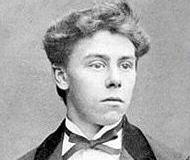 Hendrik Jut
Murderer · Netherlands · 1872
Hendrik Jut (July 19, 1851 – June 12, 1878) was a murderer from The Hague. He k…
2 victims
Hendrik Jut
Murderer · Netherlands · 1872
Hendrik Jut (July 19, 1851 – June 12, 1878) was a murderer from The Hague. He k…
2 victims
 Mohammed Bouyeri
Murderer · Netherlands · 2004
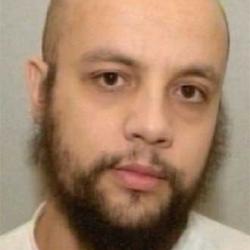
Mohammed Bouyeri (Arabic: محمد بويري ) was born on March 8, 1978 in Amsterdam.…
1 victim
Mohammed Bouyeri
Murderer · Netherlands · 2004
Mohammed Bouyeri (Arabic: محمد بويري ) was born on March 8, 1978 in Amsterdam.…
1 victim
 Volkert Van der Graaf
Murderer · Netherlands · 2002
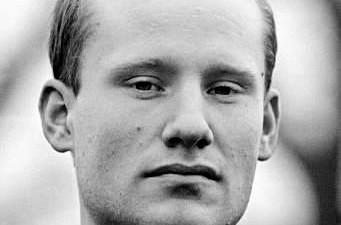
Volkert van der Graaf (born July 9, 1969) was a confessed murderer of Dutch pol…
1 victim
Volkert Van der Graaf
Murderer · Netherlands · 2002
Volkert van der Graaf (born July 9, 1969) was a confessed murderer of Dutch pol…
1 victim
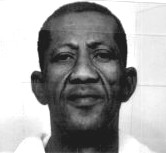 Clydell Coleman
Murderer · USA · 1989
Clydell Coleman was tried and convicted for the murder of Leetisha Joe. Coleman…
1 victim
Clydell Coleman
Murderer · USA · 1989
Clydell Coleman was tried and convicted for the murder of Leetisha Joe. Coleman…
1 victim
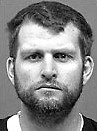 Keith Jesperson
Serial killer · USA · 1990
Name: Keith Jesperson · Also known as: “Happy Face Killer” · Born: April 6, 195…
8 victims
Keith Jesperson
Serial killer · USA · 1990
Name: Keith Jesperson · Also known as: “Happy Face Killer” · Born: April 6, 195…
8 victims
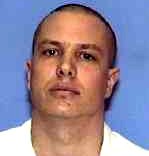 Charles Victor Thompson
Murderer · USA · 1998
Charles Victor Thompson was an American criminal. Thompson was born 13 June 197…
2 victims
Charles Victor Thompson
Murderer · USA · 1998
Charles Victor Thompson was an American criminal. Thompson was born 13 June 197…
2 victims
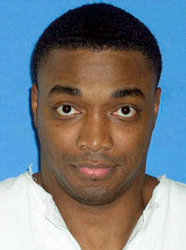 George Whitaker
Murderer · USA · 1994
George Whitaker III was convicted of capital murder and sentenced to death for…
1 victim
George Whitaker
Murderer · USA · 1994
George Whitaker III was convicted of capital murder and sentenced to death for…
1 victim
 Richard Wayne Jones
Murderer · USA · 1986
Richard Wayne Jones was born on April 9, 1960. He was executed at age 40 and wa…
1 victim
Richard Wayne Jones
Murderer · USA · 1986
Richard Wayne Jones was born on April 9, 1960. He was executed at age 40 and wa…
1 victim
 Doreen Starrish
Murderer · USA · 2012
Doreen Starrish was a Shoreline woman who stabbed her long-time boyfriend to de…
1 victim
Doreen Starrish
Murderer · USA · 2012
Doreen Starrish was a Shoreline woman who stabbed her long-time boyfriend to de…
1 victim
- Gender
- male
- Country
- Netherlands
- Location
- Twente, Netherlands
- Date of birth
- June 18, 1710
- Age at first offence
- 64
- Characteristics
- robbery
- Victim profile
- Men and women
- Method of murder
- ????
- Date(s) of murder
- ???? - 1774
- Years active
- 1774
- Date of arrest
- 1774
- Status
-
Executed
Sentenced to death; executed on September 13, 1775
Case record
Klaas Annink (June 18, 1710 – September 13, 1775), better known as Huttenkloas, was a notorious Dutch serial killer in Twente, Netherlands.
Annink was reputedly born in Bentelo. Records of his life frequently mentioned that he was born in Bentelo.
He was reputedly responsible, together with his wife Aarne Spanjers and his son, Jannes, for numerous robberies and murders in the region in and around Hengevelde.
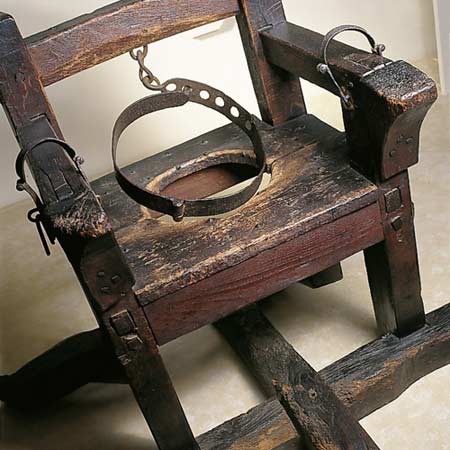
In 1774, a merchant from Hanover investigated and found convincing evidence that Annink was responsible for the disappearance and murder of one of his family members. Annink was then arrested and held for 114 days in a specially-made chair.
Following a controversial trial, Annink and his wife were sentenced to death and executed.
Timeline
- June 18, 1710 — Klaas Annink was born.
- 1774 — A merchant from Hanover investigated and found convincing evidence that Annink was responsible for the disappearance and murder of one of his family members; Annink was arrested and held for 114 days in a specially-made chair.
- September 13, 1775 — Klaas Annink was executed.
Aftermath and legacy
The seat in which Klaas Annink sat, known as the "Chair of Huttenkloas", is still on display in the Ancient Chamber room in the Palthehuis Museum in Oldenzaal.
Klaas Annink's nickname, Huttenkloas, was adopted by a local brewery.
The company Hengelose Huttenkloas B.V. has outlets in Twente, Salland, Drenthe, Achterhoek, selling Huttenkloas beer.
In 2009, Dutch accordion player and singer Alexander Schoemaker released a CD about twents legends, including a ballad titled 'de ballade van Hutnkloas'.

Spotted an error, or have more information about this case?