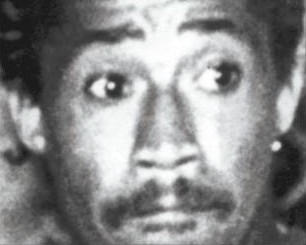
Earl Clanton
Homicide/Murderer Brian Keith Lord
Homicide/Murderer · USA · 1974
Name: Brian Keith Lord Birth year: 1961 Nationality: American In 1974, at the a…
2 victims
Brian Keith Lord
Homicide/Murderer · USA · 1974
Name: Brian Keith Lord Birth year: 1961 Nationality: American In 1974, at the a…
2 victims
 Richard L. Odom
Homicide/Murderer · USA · 1978
May 4, 1978 — Richard L. Odom killed Mary Rebecca Roberts in Pearl, Mississippi…
2 victims
Richard L. Odom
Homicide/Murderer · USA · 1978
May 4, 1978 — Richard L. Odom killed Mary Rebecca Roberts in Pearl, Mississippi…
2 victims
 Donald Henry Gaskins
Serial killer · USA · 1969
Donald Henry Gaskins, also known as Donald “Pee Wee” Gaskins, was a serial kill…
200 victims
Donald Henry Gaskins
Serial killer · USA · 1969
Donald Henry Gaskins, also known as Donald “Pee Wee” Gaskins, was a serial kill…
200 victims
 Carl Eugene Watts
Serial killer · USA · 1974
Carl Eugene Watts (born November 7, 1953; died September 21, 2007), also known…
100 victims
Carl Eugene Watts
Serial killer · USA · 1974
Carl Eugene Watts (born November 7, 1953; died September 21, 2007), also known…
100 victims
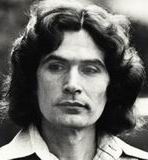 Rodney Alcala
Serial killer · USA · 1977
Rodney James Alcala (born August 23, 1943) was also known as Rodrigo Jacques Al…
100 victims
Rodney Alcala
Serial killer · USA · 1977
Rodney James Alcala (born August 23, 1943) was also known as Rodrigo Jacques Al…
100 victims
 Robert Farquharson
Murderer · Australia · 2005
Robert Donald William Farquharson (born 1969) was an Australian father convicte…
3 victims
Robert Farquharson
Murderer · Australia · 2005
Robert Donald William Farquharson (born 1969) was an Australian father convicte…
3 victims
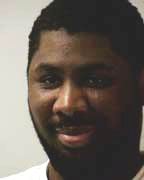 Milton E. Taylor
Murderer · USA · 2000
Milton E. Taylor was convicted of Murder 1st and sentenced to death on July 6,…
1 victim
Milton E. Taylor
Murderer · USA · 2000
Milton E. Taylor was convicted of Murder 1st and sentenced to death on July 6,…
1 victim
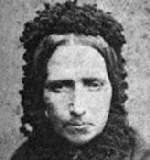 Maria Swanenburg
Serial killer · Netherlands · 1880
Maria Catherina Swanenburg (Leiden 9 September 1839 - Gorinchem 11 April 1915)…
27 victims
Maria Swanenburg
Serial killer · Netherlands · 1880
Maria Catherina Swanenburg (Leiden 9 September 1839 - Gorinchem 11 April 1915)…
27 victims
 Lois Jurgens
Murderer · USA · 1965
Lois Jurgens (born 1925) was an American convicted murderer in Minnesota. She w…
1 victim
Lois Jurgens
Murderer · USA · 1965
Lois Jurgens (born 1925) was an American convicted murderer in Minnesota. She w…
1 victim
 Tracy Garrison
Murderer · USA · 2001
Tracy Garrison was convicted of first degree murder in 2004. She was sentenced…
1 victim
Tracy Garrison
Murderer · USA · 2001
Tracy Garrison was convicted of first degree murder in 2004. She was sentenced…
1 victim
- Gender
- male
- Country
- USA
- Location
- New Jersey/Virginia, USA
- Date of birth
- 1955
- Age at first offence
- 17
- Characteristics
- juvenile (17), robbery, abduction
- Victim profile
- Female / Wilhemina Smith (female, 38)
- Method of murder
- ??? / Strangulation
- Date(s) of murder
- 1972 / 1981
- Years active
- 1972–1981
- Date of arrest
- —
- Status
-
Executed
Executed by electrocution in Virginia on April 14, 1988
Case record: Earl Clanton
Background
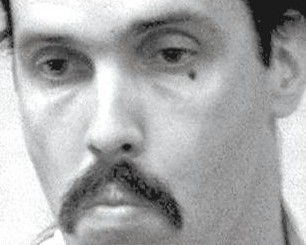
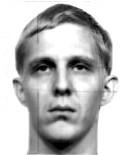
Earl Clanton Jr. was executed in the electric chair. He was 33 years old when he was pronounced dead at 11:07 P.M. on April 14, 1988, seven minutes after the first of three one-minute jolts of 2,300 to 2,500 volts each was administered, a spokesman for the State Department of Corrections said. He was convicted in Petersburg of murdering Wilhemina Smith, a 38-year-old school librarian who lived in his apartment building.
Clanton’s parents separated when he was very young. For a number of years he lived with his father, but then went to New Jersey to live with his mother. He was soon in trouble with the juvenile authorities, and at age seventeen he was convicted in New Jersey of murder upon a plea of no contest. When he was paroled after serving a number of years in prison, he returned to Petersburg, Virginia where his mother was then living. Shortly again he was in trouble and was brought to trial for unlawful injury to one Bruce Brown, whom Clanton had beaten with brass knuckles on his fist. During a recess in the trial, Clanton walked away and became a fugitive. The trial concluded in his absence, and he was sentenced to four years in prison upon a judgment of conviction.
Clanton then moved into the apartment of Natalie Lawrence. The door to her apartment opened upon the same stairway landing as that of Wilhemina Smith.
After leaving his father, he moved to New Jersey to live with his mother but got into trouble there and was convicted of a murder. He was later paroled.
The offence
Shortly after noon on a November day in 1980, residents of two apartments on the floor below saw Wilhemina Smith drive into the parking lot after a shopping trip. When she reached the top of the stairs at the entrance to her apartment, both residents heard her say something to the effect of, "What have I done to you? Why this?" They heard the door slam and then screams from Ms. Smith and much other noise coming from her apartment.
One of the residents then called the police. They saw no one descend the stairs between the time that Wilhemina Smith mounted them and the arrival of the police.
Upon arrival, the police found the door to Ms. Lawrence’s apartment ajar. They looked in, but no one was present. They then knocked on the door of Ms. Smith’s apartment. A woman answered saying that she was in the shower and it would take her a few minutes to get dressed. The police were insistent, however, and the locked door was opened by Natalie Lawrence.
The police found blood in the living room of Ms. Smith’s apartment. They found Ms. Smith dead on the floor of her bedroom. Death was by strangulation with a cord-like belt around her neck. There were also stab wounds on her face and neck with a great deal of blood.
A further search of the apartment revealed Clanton hiding beneath the bed in a second bedroom. There was blood on his hands and clothing, though he was not wounded or bleeding.
Four bills, aggregating $8, were found wadded in his trouser pocket. There were blood stains on them. Ms. Smith’s open purse was found, apparently having been ransacked. There were no bills in it.
Investigation
After residents called the police, the police found the door to Ms. Lawrence’s apartment ajar, looked in, and found no one present. They then entered Ms. Smith’s apartment after Natalie Lawrence opened the locked door.
Smith’s apartment, discovered Ms. Smith dead on the floor of her bedroom, and found that death was by strangulation with a cord-like belt around her neck and included stab wounds on her face and neck with a great deal of blood.
The police found Clanton hiding beneath the bed in a second bedroom, with blood on his hands and clothing though he was not wounded or bleeding. Four bills aggregating $8 were found wadded in his trouser pocket with blood stains, and Ms. Smith’s open purse was found ransacked with no bills.
Arrest
Clanton was found by police hiding beneath the bed in a second bedroom in Ms. Smith’s apartment.
Trial
Clanton insisted that he was innocent and that he wanted to tell his story on the witness stand. His story was described as bizarre.
Clanton testified that he and Ms. Lawrence were in her apartment when they heard Ms. Smith screaming. Ms. Lawrence urged him to lend a hand to Ms. Smith, and he undertook to do so. In the living room of the Smith apartment he was attacked by an intruder. They fought until the intruder fled through the apartment door. He then entered Ms. Smith’s bedroom where he saw Ms. Smith lying on the floor stabbed and garrotted. He got blood on his hands and clothing during his attempt to assist her, but he was then attacked by a second intruder. He fought with the second man. His bloody handprint was left on a wall when he "pushed off" to deliver a karate kick. The second intruder fled.
Clanton testified that he wished to notify a relative of Ms. Smith. He thought her checkbook might be an address book and picked it up to examine it. That was his explanation of his bloody fingerprint on the checkbook.
Natalie Lawrence was called as a witness for the defense to corroborate his statement. She substantially corroborated it.
According to Ms. Lawrence, after hearing Ms. Smith’s screams she first went to investigate. She found the key in the door to Ms. Smith’s apartment and admitted herself, but because of the commotion in the bedroom, she returned to her apartment and sent Clanton to the rescue. Looking through the peephole in the doorway of her apartment, she saw an intruder flee. As she reentered the Smith apartment, a second intruder fled.
Ms. Lawrence had given the police a statement saying that Clanton was the assailant and that he had told her in advance of his intention to choke and rob Ms. Smith. On the witness stand, she said the statement was false, as the product of police coercion, including threats to take her child from her.
After the jury’s guilty verdict, during the sentencing phase, Clanton testified that he had been a Muslim but that during his incarceration after the death of Ms. Smith he had been attending Christian Bible classes. He produced certificates attesting his attendance. That was the only evidence of any mitigating circumstance.
Clanton contended on appeal that Ms. Lawrence’s statement to the police that Clanton had told her that morning he was going to choke and rob Ms. Smith was the only evidence of premeditation, but the appellate court found that to be not true, citing the residents’ hearing of Ms. Smith’s inquiry "What have I done to you? Why this?" and the screams and noise.
Clanton’s trial lawyer knew that Clanton’s parents had separated when Clanton was very young and that after living with his father for a number of years, Clanton moved to New Jersey to live with his mother. Clanton told him that otherwise his childhood had been substantially normal. Clanton told the officer who had made the presentence investigation that his childhood had been good, and that statement was included in the presentence report. At the sentencing hearing, Clanton gave no indication of any problems at home during his childhood.
The appellate discussion also described evidence relevant to robbery, including testimony that four bills aggregating $8 were removed from the left front pocket of Clanton’s trousers, and the presence of blood stains on the bills. The appellate discussion also described Ms. Smith’s open purse being found on the floor with no money inside and inferred that the money came from Ms. Smith’s purse. It concluded there was no obvious basis for a motion of acquittal and no basis for a conclusion that the trial lawyer’s representation was deficient for not having made such a motion.
Sentencing
A Petersburg jury convicted Clanton in 1981 of murdering Wilhemina Smith. The case involved capital murder, and Clanton was sentenced to death.
In the sentencing phase, the only mitigating evidence presented was Clanton’s attendance at Christian Bible study classes while incarcerated, supported by certificates.
Appeals
Clanton sought a federal writ of habeas corpus while he was a prisoner of the Commonwealth of Virginia under a sentence of death for capital murder. He alleged deficiencies in the representation provided by his trial lawyer.
The district court rejected most allegations facially but conducted a hearing with respect to two of them. The district court granted the writ upon the ground of inadequate preparation of the trial lawyer for the sentencing phase of the trial, finding that the lawyer had failed to insist upon a psychiatric examination of his client, which might have disclosed extensive child abuse that Clanton had disclosed for the first time to his habeas lawyer shortly before the federal hearing.
Clanton cross-appealed from the order denying the writ on two other alleged deficiencies in representation. The appellate court found no deficiency of constitutional magnitude in the representation by the trial lawyer and reversed the order granting the writ, while affirming the cross-appeal.
Dates and procedural history in the appellate court proceedings
Argued Jan. 6, 1987. Decided Aug. 20, 1987.
Disputed issues raised in the appeal
Clanton claimed he had been beaten as a child by his father and sexually abused by his stepmother. He also asserted that when he went to live with his mother, she was working as a barmaid and prostitute, and that she became angry when he refused to have sexual relations with her and falsely charged him with theft, getting him into trouble with juvenile authorities. The district court recognized the new story might have been more a product of fear of execution than devotion to truth, and recognized it would not have been told to the trial lawyer no matter how deeply the trial lawyer probed. The appellate court noted that no corroboration was presented of any aspect of the new story, and discussed that Clanton’s father was dead while his mother was living in Petersburg, and that no inquiry was made of her or of living siblings.
The appellate court discussed the standard derived from Strickland v. Washington, 466 U.S. 668 (1984), for assessing claims of ineffective assistance of counsel, including the presumption of adequate performance and avoidance of hindsight.
The appellate court concluded there was no constitutional basis for a rule requiring a psychiatric evaluation in every capital case.
In addition, Clanton argued his trial lawyer was deficient by calling Ms. Lawrence as a witness; the appellate court found the lawyer’s only reasonable option was to call her because she was in the Smith apartment before him and because jurors knew she had been present, and it found that the defense needed to corroborate her presence or demonstrate impossibility. The appellate court also addressed Clanton’s contention that Ms. Lawrence’s police statement was the only evidence of premeditation and rejected that.
Clanton also argued the trial lawyer should have moved for directed acquittal on the robbery charge at the close of the Commonwealth’s case. The appellate court discussed testimony about the pocket location of the bills, blood seepage into clothing, and the inference that the money came from Ms. Smith’s purse. It found no obvious basis for acquittal and no basis to conclude the trial lawyer’s representation was deficient for not making such a motion.
Supreme Court and execution-stage proceedings
A three-judge panel of the United States Court of Appeals for the Fourth Circuit set the stage for the seventh execution in Virginia since 1982 when it unanimously overturned a stay granted Tuesday by a Federal judge in Richmond.
The United States Supreme Court denied a stay in a 7-to-2 vote, and Gov. Gerald L. Baliles refused clemency an hour before the execution.
Protesters’ vigil at the prison included a prayer service outside the prison. A single supporter of capital punishment shouted, "Pray for the woman that died."
Outcome
Earl Clanton Jr. was executed by electrocution in Virginia on April 14, 1988.
He was pronounced dead at 11:07 P.M. seven minutes after the first of three one-minute jolts of 2,300 to 2,500 volts each was administered, a spokesman for the State Department of Corrections said.
The Supreme Court denied the stay in a 7-to-2 vote, and Gov. Gerald L.
Aftermath
Mr. Clanton’s visitors included Jay North, the 1960’s child television star of ''Dennis the Menace.'' Mr. North had been working on a movie about the 1984 escape of Mr. Clanton and five other Virginia Death Row prisoners from the Mecklenburg Correctional Center. Mr. North said Clanton had been recaptured a day later.
Other details
Clanton contended that he had been beaten as a child by his father and sexually abused by his stepmother after leaving his father and moving to New Jersey to live with his mother. He stated his mother was working as a barmaid and prostitute and became angry when he refused to have sexual relations with her, falsely charging him with theft.
During the sentencing phase, Clanton testified that he had been a Muslim but had attended Christian Bible classes during his incarceration after the death of Ms. Smith, producing certificates to attest his attendance.
The appellate court referred to Clanton v. Commonwealth, 223 Va. 41, 286 S.E.2d 172 (1982).
The appellate opinion included case captions:
- 826 F.2d 1354 Earl CLANTON, Plaintiff-Appellee, v. Toni V. BAIR, Warden; Attorney General of the State of Virginia, Defendants- Appellants (Two Cases).
- Earl CLANTON, Plaintiff-Appellant v. Toni V. BAIR, Warden; Attorney General of the State of Virginia, Defendants- Appellees. Nos. 86-4002 to 86-4004.
The appellate panel consisted of HALL and WILKINSON, Circuit Judges, and HAYNSWORTH, Senior Circuit Judge.
Spotted an error, or have more information about this case?