Robert Wayne Danielson
Serial killer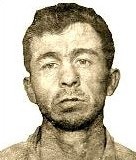 Donald Henry Gaskins
Serial killer · USA · 1969
Donald Henry Gaskins, also known as Donald “Pee Wee” Gaskins, was a serial kill…
200 victims
Donald Henry Gaskins
Serial killer · USA · 1969
Donald Henry Gaskins, also known as Donald “Pee Wee” Gaskins, was a serial kill…
200 victims
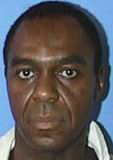 Carl Eugene Watts
Serial killer · USA · 1974
Carl Eugene Watts (born November 7, 1953; died September 21, 2007), also known…
100 victims
Carl Eugene Watts
Serial killer · USA · 1974
Carl Eugene Watts (born November 7, 1953; died September 21, 2007), also known…
100 victims
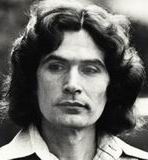 Rodney Alcala
Serial killer · USA · 1977
Rodney James Alcala (born August 23, 1943) was also known as Rodrigo Jacques Al…
100 victims
Rodney Alcala
Serial killer · USA · 1977
Rodney James Alcala (born August 23, 1943) was also known as Rodrigo Jacques Al…
100 victims
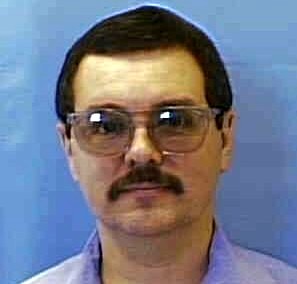 Donald Harvey
Serial killer · USA · 1970
Donald Harvey was known as an American serial killer and a self-professed “Ange…
87 victims
Donald Harvey
Serial killer · USA · 1970
Donald Harvey was known as an American serial killer and a self-professed “Ange…
87 victims
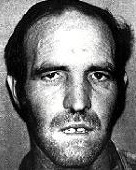 Ottis Toole
Serial killer · USA · 1961
Ottis Elwood Toole (sometimes misspelled as “Otis”) was an American serial kill…
65 victims
Ottis Toole
Serial killer · USA · 1961
Ottis Elwood Toole (sometimes misspelled as “Otis”) was an American serial kill…
65 victims
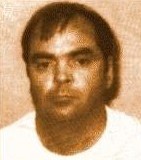 Donald Leroy Evans
Serial killer · USA · 1975
Donald Leroy Evans (born July 5, 1957) was an American serial killer who murder…
60 victims
Donald Leroy Evans
Serial killer · USA · 1975
Donald Leroy Evans (born July 5, 1957) was an American serial killer who murder…
60 victims
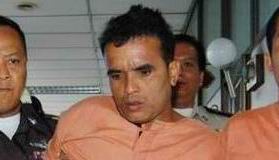 Somkhid Phumphuang
Serial killer · Th ailandia · 2005
Somkhid Phumphuang was sentenced to death on March 2, 2010. He was described as…
5 victims
Somkhid Phumphuang
Serial killer · Th ailandia · 2005
Somkhid Phumphuang was sentenced to death on March 2, 2010. He was described as…
5 victims
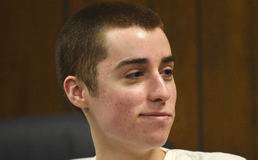 Thomas Lane
Homicide · USA · 2012
Thomas Michael “T. J.” Lane III was a 17-year-old juvenile when he shot student…
3 victims
Thomas Lane
Homicide · USA · 2012
Thomas Michael “T. J.” Lane III was a 17-year-old juvenile when he shot student…
3 victims
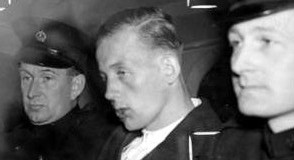 John Thomas Straffen
Serial killer · United Kingdom · 1951
John Thomas Straffen was sentenced to death on July 25, 1952. Home Secretary Si…
3 victims
John Thomas Straffen
Serial killer · United Kingdom · 1951
John Thomas Straffen was sentenced to death on July 25, 1952. Home Secretary Si…
3 victims
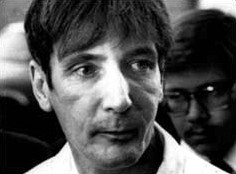 Gary Gilmore
Murderer · USA · 1976
Gary Gilmore was born on December 4, 1940. He was an American career criminal w…
2 victims
Gary Gilmore
Murderer · USA · 1976
Gary Gilmore was born on December 4, 1940. He was an American career criminal w…
2 victims
 Donald J. Hall
Murderer · USA · 1992
Donald J. Hall (DOC ID 990113) · Donald Hall was sentenced to death on November…
1 victim
Donald J. Hall
Murderer · USA · 1992
Donald J. Hall (DOC ID 990113) · Donald Hall was sentenced to death on November…
1 victim
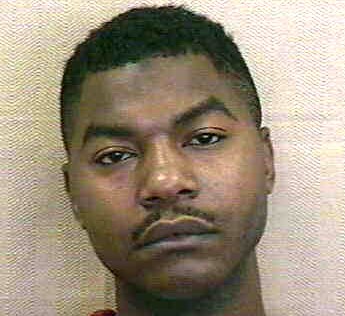 William Quentin Jones
Murderer · USA · 1987
William Quentin Jones was convicted in connection with a robbery and shootings…
1 victim
William Quentin Jones
Murderer · USA · 1987
William Quentin Jones was convicted in connection with a robbery and shootings…
1 victim
- Gender
- male
- Country
- USA
- Location
- Oregon/Arizona/California, USA
- Date of birth
- 1947
- Age at first offence
- 23
- Characteristics
- robbery, kidnapping, rape?, mentally ill
- Victim profile
- Thomas Davis / Harold Pratt, 60, and his wife Betty, 55 / Arthur Gray, Jr., 62 / Benjamin and Edith Shaffer, both in their sixties / Ernest Corral, 38
- Method of murder
- Shooting
- Date(s) of murder
- 1970 / 1981 - 1982
- Years active
- 1970–1982
- Date of arrest
- April 7, 1984
- Status
-
Sentenced to death
Sentenced to death in California on November 13, 1986
Case overview
Robert Wayne Danielson was convicted of manslaughter in 1970 in Oregon. He was paroled in 1981. He was later sentenced to life in prison in Oregon in 1985. He was sentenced to death in California on November 13, 1986.
Timeline
- 1970 — Danielson was convicted of manslaughter in Oregon.
- 1981 — Danielson was paroled.
- 1985 — Danielson was sentenced to life in prison in Oregon.
- November 13, 1986 — Danielson was sentenced to death in California.
- April 5, 1984 — Danielson and his girlfriend of six months, Londa Lynn, were arrested in a carnival trailer in Odessa, Texas.
- April 7, 1984 — FBI agents traced Danielson to his job with a traveling carnival, then playing in Odessa, Texas.
- February 9, 1984 — An all-points bulletin was issued on Danielson, accompanied by a federal warrant charging unlawful flight to avoid prosecution in Oregon.
- March 22, 1982 — Edwin and Ida Davis were overpowered by their “friends,” injected with powerful horse tranquilizer, and left to die, but were discovered in time for physicians to save their lives; both identified Robert Danielson from mug shots as one of their attackers.
- December 10, 1981 — Harold Pratt, 60, and his wife Betty, 55, were robbed and shot execution-style.
- June 25, 1982 — Arthur Gray, Jr., 62, was killed in a similar fashion at the Twin Springs Campground, 80 miles east of Eugene, Oregon.
- July 1982 — Danielson and his girlfriend Lanora Johnson hitchhiked from Oregon to a trailer park in Mendocino County, California.
- One morning in July 1982 — Johnson and Danielson forced their way into the Shaffer camper and tied up Benjamin and Edith Shaffer; Johnson heard gunshots while walking the dog.
- March 1982 — Edwin and Ida Davis befriended a younger couple near El Cajon, California.
- Early 1984 — Johnson implicated Danielson and led police officers to the murder scene where the Shaffers’ remains were discovered.
- November 1982 — Ernest Corral, 38, was shot execution-style and dumped in a desert ravine near his hometown of Apache Junction, Arizona.
- December 1983 — The bodies of Benjamin and Edith Shaffer remained undiscovered through this time.
Background
Danielson was a native of Lowell, Oregon. He was convicted of manslaughter in 1970 in Oregon and won parole in 1981.
Within a year of parole, Danielson stopped checking in with his parole officer at Eugene. New Oregon warrants charged him with parole violation, passing bad checks, and driving with a suspended license.
More serious charges later surfaced, making Danielson a suspect in at least six homicides and two attempted murders.
The offence
Robberies and homicides described in the case summary
The first deaths occurred on December 10, 1981. Harold Pratt, 60, and his wife Betty, 55, were camping out on Arizona’s desert, 75 miles southeast of Phoenix, when they were robbed and shot in the back of the head, execution-style, with their bodies left as food for scavenging predators.
On June 25, 1982, Arthur Gray, Jr., 62, was killed in similar fashion at the Twin Springs Campground, 80 miles east of Eugene, Oregon.
The following month, Benjamin and Edith Shaffer, both in their sixties, were robbed and shot to death in Mendocino County, California; their bodies lay undiscovered through December 1983.
Ernest Corral, 38, was the victim for November 1982; he was shot execution-style and dumped in a desert ravine near his hometown of Apache Junction, Arizona.
There were survivors of the murder spree. Edwin and Ida Davis, both 64, reported that they had befriended a younger couple near El Cajon, California, in March 1982. On March 22, Edwin and Ida were overpowered by their “friends,” injected with powerful horse tranquilizer and left to die, but they were discovered in time for physicians to save their lives. After recuperating, both identified Robert Danielson, from mug shots, as one of their attackers.
Crimes charged in Mendocino County Superior Court
By amended information filed in Mendocino County Superior Court, Danielson was charged with the burglary, robbery, kidnapping and murder of an elderly couple, Benjamin and Edith Shaffer.
The information alleged both murders were in the first degree, based on alternative theories of felony-murder-robbery (Pen. Code, §§ 189, 211) and willful, premeditated murder (§ 189), as to each victim.
The information further alleged three special circumstances:
- felony-murder-robbery (§ 190.2, subd. (a)(17)(i))
- felony-murder-kidnapping (§ 190.2, subd. (a)(17(ii))
- multiple murder (§ 190.2, subd. (a)(3))
Guilt phase findings and events involving the Shaffers
In the summer of 1982, Danielson and his girlfriend, Lanora Johnson, hitchhiked from Oregon to a trailer park in Mendocino County, California. Lacking funds, the two discussed robbing and killing someone. They chose as their victims an elderly couple, Mr. and Mrs. Shaffer, with whom they had earlier conversed.
One morning in July 1982, Johnson and Danielson forced their way into the Shaffer camper, which was parked nearby. While Johnson stood guard over the Shaffers in the camper, Danielson drove their adjoining truck to a wooded area. At Danielson’s direction, Johnson tied up the Shaffers, then left the area to walk the Shaffers’ dog. While walking the dog, Johnson heard several gunshots. She returned to the camper and found that both Mr. and Mrs. Shaffer had been shot in the head and were lying on the ground. Danielson told Johnson he had to shoot Mrs. Shaffer twice in order to kill her.
After disposing of the bodies by rolling them down an embankment, the couple ransacked the Shaffers’ camper, removing their travelers checks, credit cards, and other property. Danielson and Johnson then drove to Nevada in the Shaffers’ camper, using their credit cards and travelers checks for various purchases along the way.
On one occasion in Nevada, Danielson admitted to an acquaintance, Terry Brown, that he had shot and killed the Shaffers.
For nearly two years, the disappearance of the Shaffers remained unsolved and their bodies went undiscovered. In early 1984, Johnson implicated Danielson and led police officers to the murder scene, where the Shaffers’ remains were discovered.
In April 1984, Danielson was arrested in Odessa, Texas. He was ultimately charged with the present offenses in Mendocino County Superior Court.
Investigation
An all-points bulletin was issued on Danielson on February 9, 1984, accompanied by a federal warrant charging unlawful flight to avoid prosecution in Oregon.
Two months after federal warrants were issued, on April 7, FBI agents traced Danielson to his job with a traveling carnival, then playing in Odessa, Texas. Agents traced him to Odessa, Texas and arrested him without incident.
Arrest
On April 5, 1984, Danielson and his girlfriend of six months, Londa Lynn, were arrested in a carnival trailer in Odessa, Texas.
Evidence and witnesses
Imprisonment and immunity-related witnesses
The primary guilt phase evidence was the testimony of Johnson, who had been granted immunity from prosecution. Her testimony was corroborated by circumstantial evidence linking Danielson to the murders, and by the testimony of Terry Brown, an associate of Danielson, who claimed that Danielson made a detailed confession of the Shaffer murders.
At the penalty phase, the People introduced Danielson’s record of prior felony convictions for drug possession, firearm possession, voluntary manslaughter, and forgery.
The People also introduced evidence of Danielson’s unadjudicated prior violent acts, including a robbery-murder and a robbery-attempted murder.
The defense at the penalty phase included testimony from Danielson and others describing his troubled childhood, prison experiences, drug use and depression, good conduct in jail, and remorse for his crimes. Danielson read a statement to the jury explaining his conversion to Christianity, the extent of his remorse, and his hope the jury would render a “fair judgment.”
Duress of Edwin and Ida Davis survivors
Edwin and Ida Davis reported that they were overpowered by their “friends,” injected with powerful horse tranquilizer and left to die on March 22, 1982, but were saved in time by physicians. Both identified Robert Danielson from mug shots as one of their attackers.
Trial
Mendocino County Superior Court proceedings
Danielson’s appeal arose from a capital case in which the jury found him guilty on all counts and determined that the murders were of the first degree. The jury found true the special circumstance allegations.
The jury subsequently returned a death verdict, and the trial court sentenced Danielson to death.
The appeal was automatic under § 1239, subd. (b).
Danielson previously had filed a petition for habeas corpus alleging incompetence of trial counsel; in November 1991, the court denied the petition without issuing an order to show cause.
Jury selection and continuance issues raised on appeal
Danielson contended his federal and state constitutional rights to a jury drawn from the vicinage were violated by the trial court’s policy of excusing all prospective jurors claiming hardship caused by residing more than an hour and a half from the Mendocino County courthouse in Ukiah.
Danielson also contended the trial court abused its discretion in denying a requested three-day continuance to establish underrepresentation of various minority groups on the panel of prospective jurors.
The continuance request was made near the completion of jury selection and was denied because Danielson failed to use reasonable diligence in marshalling evidence supporting the motion.
Motion to suppress evidence related to a duffel bag
Danielson contended a warrantless seizure by federal authorities of his property from an open storage trailer violated his rights under the Fourth Amendment, and that the trial court erred in failing to suppress the items seized.
At the pretrial hearing on the motion to suppress under section 1538.5, the following facts were elicited.
The following day, FBI Agent Billy Kirkwood obtained Lynn’s release and accompanied her to the carnival grounds. Lynn took Kirkwood to a second trailer in which carnival employees stored many of their personal belongings. As a carnival employee, Lynn had access to the open storage trailer. Lynn entered the storage trailer alone and retrieved her belongings as well as those of Danielson. Lynn handed Kirkwood Danielson’s property and indicated she planned to return home to Tennessee without further contact with Danielson.
Kirkwood testified that he accepted custody of Danielson’s property for safekeeping purposes only, rather than to search for evidence. He testified he was informed the carnival was leaving town on the day of the seizure and that he did not examine the property before sending it to the FBI office in Eugene, Oregon.
Among seized items was a green duffel bag with “888” or “BBB” printed in black ink on the exterior. When the printing was magnified and examined under fluorescent lights, investigators found victim Benjamin Shaffer’s initials, “BFS,” in red ink beneath the black printing. At trial, the duffel bag was identified as belonging to Shaffer.
Danielson moved to suppress, arguing no exigent circumstances existed for warrantless seizure, and noting the officer failed to ask Danielson where he wanted his belongings stored.
The trial court denied the motion to suppress, ruling that Lynn had authority to enter the trailer and deliver Danielson’s belongings to officers, and that the seizure was proper to safeguard Danielson’s property and secure it as evidence.
On appeal, the People suggested the seizure was proper based on Lynn’s consent, safekeeping, and Danielson’s lack of standing; the appellate discussion included disputes about which theories were raised below and whether any improper admission was harmless beyond a reasonable doubt.
Appeals
Danielson’s death sentence was reviewed automatically.
The California Supreme Court affirmed the judgment in its entirety and rejected defendant’s claims of prejudicial error, concluding “the judgment is affirmed.”
Separate opinions
MOSK, J., concurring and dissenting
Justice Mosk agreed with Justice Kennard’s approach and argued that the convictions and special circumstance findings must be sustained, but the sentence of death must be set aside because the trial court erroneously permitted the prosecutor to ask defendant at the penalty phase: “And ... what do you think your just punishment should be?”
The opinion reproduced the quote of Danielson’s response:
- “If I were one of the 12 jurors, I would vote for the death penalty.”
KENNARD, J., concurring and dissenting
Justice Kennard concurred in affirmance of guilt and special circumstances but dissented from affirmance of penalty. The dissent asserted the trial court erred by permitting the prosecutor, over defense objection, to ask defendant what punishment would be just for his capital crimes, and concluded the error was prejudicial.
The dissent described the penalty-phase exchange verbatim:
- “Q. Have you learned now that the Bible tells you to live by the law of the land? ”
- “A. Yes, sir.”
- “Q. And that you’re responsible for your own acts? ”
- “A. Yes, sir.”
- “Q. And that you are subject to the law and have to take the punishment that’s prescribed by the law? ”
- “A. Yes, sir.”
- “Q. And as such what do you think your just punishment should be here? ”
- “Mr. McClure [defense counsel]: I object. That’s not relevant, your honor. ”
- “The Court: Overruled. ”
- “Mr. McClure: As to what he thinks. ”
- “The Court: Overruled. ”
- “The Witness: If I were one of the 12 jurors, I would vote for the death penalty.”
Outcome
The California Supreme Court affirmed the judgment in its entirety, including the death sentence.
Other details
Prior convictions and unadjudicated acts introduced at the penalty phase
The People introduced Danielson’s record of prior felony convictions for drug possession, firearm possession, voluntary manslaughter, and forgery.
The People also introduced evidence of unadjudicated prior violent acts including a robbery-murder and a robbery-attempted murder.
Danielson’s testimony and statement at penalty phase
Danielson testified at the penalty phase after accepting counsel’s invitation to make a statement in mitigation. He told the jurors he was not the same person he had been when arrested or when he had killed the Shaffers.
He said he had recently begun to read the Bible and to “accept Jesus Christ as being real.” He said that as a result of this religious experience, and as a result also of realizing “the value of the human lives” he had “stolen,” his “attitudes” and “personality in general” had undergone “noticeable changes.”
He told the jury he had tried to be sincere and truthful in his testimony and had tried “to find some way to explain or apologize to the Shaffer family for the misery and anguish” they had experienced because of his “lack of respect for human life and [the] rights of all people.”
He concluded:
“I’m not asking any favors of you except fair judgment. I just want to thank you all for the sacrifices you have made to be here and to judge this case.”
He was asked on cross-examination what he thought his “just punishment” should be, and his answer was:

Spotted an error, or have more information about this case?