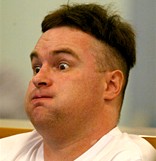
Antonie Dixon
Murderer William Dwane Bell
Murderer · New Zealand · 2001
William Dwane Bell (born 1978) was a convicted murderer in New Zealand. Bell wa…
3 victims
William Dwane Bell
Murderer · New Zealand · 2001
William Dwane Bell (born 1978) was a convicted murderer in New Zealand. Bell wa…
3 victims
 Bruce Howse
Murderer · New Zealand · 2001
Bruce Howse was the partner of Charlene Aplin and the stepfather of Saliel Apli…
2 victims
Bruce Howse
Murderer · New Zealand · 2001
Bruce Howse was the partner of Charlene Aplin and the stepfather of Saliel Apli…
2 victims
 John Barlow
Murderer · New Zealand · 1994
16 February 1994 — Financial dealers Eugene and Gene Thomas, father and son, we…
2 victims
John Barlow
Murderer · New Zealand · 1994
16 February 1994 — Financial dealers Eugene and Gene Thomas, father and son, we…
2 victims
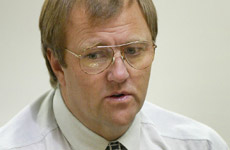 Mark Edward Lundy
Murderer · New Zealand · 2000
Mark Edward Lundy was the husband and father of the victims Christine Marie Lun…
2 victims
Mark Edward Lundy
Murderer · New Zealand · 2000
Mark Edward Lundy was the husband and father of the victims Christine Marie Lun…
2 victims
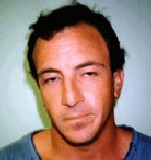 Scott Watson
Murderer · New Zealand · 1998
Scott Watson (born 28 June 1971) was a New Zealander who was convicted in May 1…
2 victims
Scott Watson
Murderer · New Zealand · 1998
Scott Watson (born 28 June 1971) was a New Zealander who was convicted in May 1…
2 victims
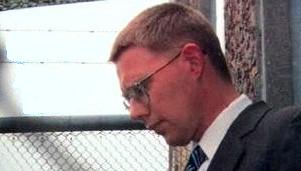 Christopher John Lewis
Murderer · New Zealand · 1996
Christopher John Lewis was found dead in his cell by Auckland Mt Eden prison st…
1 victim
Christopher John Lewis
Murderer · New Zealand · 1996
Christopher John Lewis was found dead in his cell by Auckland Mt Eden prison st…
1 victim
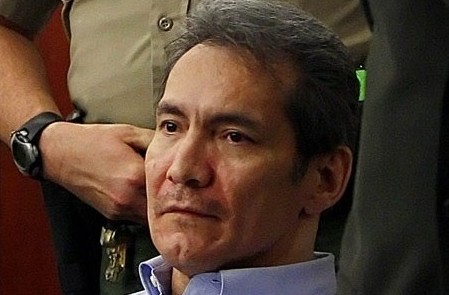 Floyd Maestas
Murderer · USA · 2004
Floyd Eugene Maestas was repeatedly convicted of violence against elderly women…
1 victim
Floyd Maestas
Murderer · USA · 2004
Floyd Eugene Maestas was repeatedly convicted of violence against elderly women…
1 victim
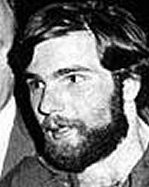 Ronald DeFeo
Mass murderer · USA · 1974
Ronald Joseph “Butch” DeFeo, Jr. (born September 26, 1951) was an American murd…
6 victims
Ronald DeFeo
Mass murderer · USA · 1974
Ronald Joseph “Butch” DeFeo, Jr. (born September 26, 1951) was an American murd…
6 victims
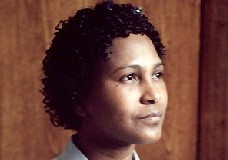 Wanda Jean Aallen
Murderess · USA · 1981
Wanda Jean Allen was born on August 17, 1959 and was executed on January 11, 20…
2 victims
Wanda Jean Aallen
Murderess · USA · 1981
Wanda Jean Allen was born on August 17, 1959 and was executed on January 11, 20…
2 victims
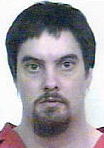 Roy Lee Ward
Murderer · USA · 2001
Name: Roy Lee Ward · Sex: White male · Date of birth: 07-20-1972 · DOC #: 91497…
1 victim
Roy Lee Ward
Murderer · USA · 2001
Name: Roy Lee Ward · Sex: White male · Date of birth: 07-20-1972 · DOC #: 91497…
1 victim
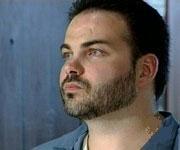 Robert McConnell
Murderer · USA · 2002
Robert Lee McConnell was 33 at the time he pleaded guilty and was sentenced to…
1 victim
Robert McConnell
Murderer · USA · 2002
Robert Lee McConnell was 33 at the time he pleaded guilty and was sentenced to…
1 victim
- Gender
- male
- Country
- New Zealand
- Location
- Auckland, North Island, New Zealand
- Date of birth
- 19 68
- Characteristics
- kidnapping
- Victim profile
- James Te Aute
- Method of murder
- Shooting (home-made sub-machine gun)
- Date(s) of murder
- January 21, 2003
- Years active
- 2003
- Date of arrest
- Same day
- Status
-
Life imprisonment
Sentenced to life imprisonment with 20 years' minimum non-parole in 2005; died apparently of self-inflicted injuries in his cell at Auckland Prison on February 4, 2009
Case identification
Antonie Ronnie "Tony" Dixon (1968 – 4 February 2009)
Timeline
- 21 January 2003 — Dixon attacked Renee Gunbie and Simonne Butler with a Samurai sword at Pipiroa; before the sword broke, Gunbie's left hand was completely severed and both of Butler's arms were partially severed.
- January 2003 — Dixon killed James Te Aute in Highland Park with a home-made sub-machine gun.
- February 4, 2009 — Dixon was found dead in his cell at Auckland Prison; he died apparently of self-inflicted injuries.
- 2005 — Dixon was convicted and sentenced to life imprisonment with a 20 years' minimum non-parole period.
- 7 September 2007 — The Court of Appeal overturned Dixon's convictions and ordered a new trial.
- June 2008 — The retrial began.
- 30 July 2008 — The retrial concluded with a second guilty verdict.
- 5 February 2009 — Dixon was remanded in custody pending a sentencing hearing.
- December 2007 — While awaiting retrial, Dixon badly beat and attempted to gouge the eye of a fellow inmate in Auckland Central Remand Prison with a fork.
- 17 January 2009 — During a prison interview, Dixon attempted to pull a “makeshift weapon” on his lawyer, Barry Hart.
- Afternoon of 4 February 2009 — Barry Hart denied that an attack had happened at all and refused to speak further with an interviewer.
Background
Dixon suffered horrendous abuse as a child, according to evidence given at his 2007 Appeal Court hearing. It was reported that he had been frequently tied to a clothesline, sexually abused, could only bark like a dog, and showed paranoid behaviour over several years.
Dixon acquired over 150 convictions, mostly for theft and burglary, and was imprisoned at least 14 times. He used the drug methamphetamine (known in New Zealand as “P”) from at least 2001.
The offence
Dixon’s most notorious crimes were committed in an 11-hour spree of violence in 2003 in which he completely or partially severed the hands or arms of two women with a Samurai sword, shot a man dead with a sub-machine gun, and kidnapped another man.
At Pipiroa, Dixon attacked two of his friends, Renee Gunbie and Simonne Butler, with a Samurai sword on 21 January 2003. Before the sword broke, Gunbie's left hand was completely severed and both of Butler's arms were partially severed. After the attack, Butler’s arms were reattached by surgeons, while Gunbie's hand could not be saved.
After the sword attack, Dixon travelled to Auckland after stealing a vehicle. In Highland Park, Dixon fatally shot James Te Aute with a burst of ten bullets from a home-made sub-machine gun.
Dixon then took a man hostage and engaged in a stand-off with the police. Eleven hours after he started, Dixon surrendered to the New Zealand Police.
Dixon used methamphetamine throughout the episode.
Investigation / police engagement (case facts)
During the Highland Park events, Dixon rang the police 111 centre and asked to speak to one of two detectives. He later told a detective that he wanted to die in an armed offenders squad shoot-out and described the incident as “another Aramoana”. After several hours, police negotiators spoke to Dixon for some time before he came out of a house and lay on the lawn, where he was arrested.
Arrest / surrender
Dixon surrendered to the New Zealand Police eleven hours after he started the spree.
Trial
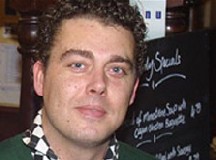
During his trial, Dixon advanced a defence based primarily on insanity. Throughout much of the trial he bore a wild, wide-eyed look and an odd haircut, and photographs of this appearance featured in leading newspapers around the country.
Charges pursued at the first trial
Dixon was convicted of murder, wounding, kidnapping, shooting at police and aggravated burglary, but was acquitted on five charges of attempted murder.
Charges (as described for the trial)
- Attempted murder of Renee Joy Gunbie, with the alternative charge of intending to cause her grievous bodily harm.
- Attempted murder of Simonne Rachel Butler, with the alternative charge of intending to cause her grievous bodily harm.
- Murder of James Te Aute.
- Attempted murder of a man who has name suppression, with the alternative charge of discharging a firearm with intent.
- Using a firearm against Eugene Gage, a member of the police.
- Attempted murder of David Templeton, with the alternative charge of discharging a firearm with intent.
- Aggravated burglary.
- Kidnapping of Ian Miller.
Dixon pleaded not guilty to a number of charges, including murder and attempted murder.
Defence arguments and conduct
In 2005, a man accused of attacking Renee Gunbie and Simonne Butler with the sword at Pipiroa, before shooting a young man dead with a sub-machine gun in January 2003, appeared in the High Court at Auckland on the first day of a six-week trial. Crown Solicitor Simon Moore said Dixon had told police before handing himself in: “I’ll go down in a blaze of glory: accused ...” “everyone will be taking notice of me now ... Aramoana will be a walk in the park compared to this ... I'll go down in a blaze of glory”.
In his opening address, Mr Moore took the jury through what he described as “an extraordinary trail of death and destruction” that began at Pipiroa on the Hauraki Plains and ended in the hills of East Tamaki.
Mr Moore said the start of the spree began at Dixon's home, a converted shed at Pipiroa, on the afternoon of January 21, 2003. Ms Butler arrived and was attacked with the sword, along with Ms Gunbie. Ms Butler's hand, cut off in the attack, was later reattached by surgeons, while Ms Gunbie's hand, left on the shed table with one finger protruding, could not be reattached. Mr Moore said Dixon was “ranting and raving” while the women screamed in pain with “cries of mercy” as he slashed them with the sword, which broke because of the force he used.
Mr Moore said Dixon had accused Ms Butler of sleeping with a police officer and Ms Gunbie of being a drug dealer-turned-police informant. Dixon and another man called for an ambulance.
Mr Moore then explained that Dixon and the other man drove to Hamilton, where Dixon stole a car. Mr Moore said Dixon drove north at speed by himself, tailgating one motorist and stopping at various petrol stations and threatening people. In one case he told a cleaner: “You are a good worker doing your job. If you want to live, go now”.
Mr Moore said Dixon arrived at Highland Park about midnight and shot James Te Aute, 25, in a carpark with a sub-machinegun. Mr Moore said Te Aute had been there with his friends and confronted Dixon about his strange behaviour, and Dixon reacted by firing the bullets into Te Aute’s back. Mr Moore said that before the shooting Dixon had rung the police 111 centre and asked to speak to one of two detectives. Mr Moore said Dixon later told a detective that he wanted to die in an armed offenders squad shoot-out and described the case as “another Aramoana”.
Mr Moore explained that, for several hours after the Highland Park shooting, Dixon drove dangerously round Manukau, firing bullets including some at a police officer, and brandishing the gun. Mr Moore said police were in full force in the area and that at one stage Dixon returned to the murder scene, where a police officer was interviewing a witness.
Mr Moore said the drama ended early on the Wednesday morning when Dixon drove down a road in East Tamaki and started banging on the windows of homes, telling residents he was about to have “a shoot-out” with police. Mr Moore said he allegedly kidnapped a resident at one house, but the person spoke to him calmly and was able to walk away. Mr Moore said Dixon was no longer aggressive, broke down in tears, and a police negotiator spoke to him for some time. Mr Moore said Dixon came out of the house and lay on the lawn, where he was arrested.
Verdict and legal reasoning at the first trial
Dixon’s defence was challenged, and the jury rejected the defence. It was reported that the jury decided he was not guilty of trying to murder the two women.
At the conclusion of the trial, he was convicted of murder, wounding, kidnapping, shooting at police and aggravated burglary, but acquitted on five charges of attempted murder.
Sentencing
Dixon was sentenced to life imprisonment with 20 years’ minimum non-parole.
Justice Judith Potter sentenced Dixon in the High Court at Auckland after the convictions in March. The jury had convicted him of murdering James Te Aute with a home-made machinegun and of using a samurai sword to wound Simonne Butler and Renee Gunbie in Pipiroa near Thames on the Hauraki Plains in January 2003. The jury rejected the defence of insanity and decided he was not guilty of trying to murder the two women.
Crown prosecutor Simon Moore said Dixon was on a P-fuelled crime spree and knew exactly what he was doing every step of the way. Mr Moore said the consumption of P on its own could induce a psychosis but was not enough to amount to insanity under the Crimes Act.
Detective Inspector Bernie Hollewand, who led the inquiry, said P was “just another intoxicant and people are going to be held accountable for their actions whether or not they are using P”.
During sentencing, Justice Judith Potter called Dixon a “cold-blooded and utterly callous” killer. As Dixon interrupted from the dock, he said: “Bring back the electric chair,” and applauded.
Barry Hart, representing Dixon, told Justice Potter: “It's a mental disorder. I am surprised the Crown can't give at least some recognition to the mental problems this man has had. Your honour ought to give substantial weight to his mental problem,”
Appeals
Dixon appealed his conviction to the Court of Appeal of New Zealand with several arguments:
- It was argued that the trial judge, Judith Potter, did not properly instruct the jury on the law relating to insanity.
- It was argued that manslaughter should have been available to the jury as an alternative verdict to murder.
On 7 September 2007, the Court of Appeal overturned Dixon's convictions and ordered a new trial.
Retrial
The retrial began in June 2008 and concluded with a second guilty verdict on 30 July 2008. Dixon was remanded in custody pending a sentencing hearing set down for 5 February 2009. It was reported that Dixon intended to appeal the outcome of this second trial as well.
A cousin of Dixon's was jailed for attempting to bribe a juror during Dixon's second trial.
Prison incidents / conduct in custody
Fork attack on an inmate
In December 2007, while awaiting retrial, Dixon badly beat and attempted to gouge the eye of a fellow inmate in Auckland Central Remand Prison with a fork. The inmate required hospitalisation.
Justice Hugh Williams said he had received a letter from Dixon about dispensing with Barry Hart’s services and queried whether a new lawyer needed to be appointed. Barry Hart said Dixon had dispensed with his services on a number of occasions and stated: “Everytime he got unwell, he had trust issues.”
“Makeshift weapon” incident with lawyer
On 17 January 2009, during a prison interview, Dixon attempted to pull a “makeshift weapon” on his lawyer, Barry Hart. Prison staff intervened quickly to subdue Dixon and avoid any injury to Hart. Corrections Minister Judith Collins was informed and ordered a full report. She encouraged Hart to lay a complaint with police.
Hart chose not to lay a formal complaint as he felt Dixon was suffering from severe mental health issues. On National Radio on the afternoon of 4 February 2009, Hart denied that an attack had happened at all and refused to speak further about it with the interviewer.
Additional statements about medical and mental health concerns
Hart told Stuff.co.nz of his growing concern for Dixon’s state of mental health, particularly following the prison incident involving Mr Hart. It was said that Dixon had refused to take his medication and had been beaten up several times by inmates. Hart believed Dixon should have been put into a psychiatric unit, not a prison cell.
When asked if Dixon’s death was a stuff by corrections department, Hart said: “Well it has to be”.
Death / outcome
At 10.30pm on 4 February 2009, the night before his scheduled re-sentencing, Dixon was found dead in his cell at Auckland Prison. It was reported that he had apparently died of self-inflicted injuries.
Prison staff who discovered Dixon tried to provide medical assistance but were unable to revive him. He was pronounced dead by ambulance staff when they arrived at the prison.
The Corrections Department spokeswoman Leanne Field said prison staff discovered Dixon had tried to provide medical assistance but were unable to revive him. She said: “The Department is now undertaking an initial investigation to determine what happened,” and said the death would be investigated by prison authorities and a coroner’s investigation, assisted by the police, would be conducted ahead of an inquest to determine the cause of death.
People involved
- Antonie Ronnie “Tony” Dixon — accused; convicted murderer and thief; prisoner.
- Renee Gunbie — victim; had her left hand completely severed; her hand could not be saved.
- Simonne Butler — victim; had both arms partially severed; her arms were reattached.
- James Te Aute — victim; murdered by being shot with a burst of ten bullets.
- Ian Miller — kidnapping victim (as charged).
- David Templeton — victim (as charged in attempted murder).
- Eugene Gage — police member (as charged in using a firearm against a police officer).
- Barry Hart — Dixon’s lawyer; Dixon attempted to pull a “makeshift weapon” on him.
- Judith Collins — Corrections Minister.
- Leanne Field — Corrections Department spokeswoman.
- Judith Potter — trial judge; sentenced Dixon.
- Simon Moore — Crown Solicitor and prosecutor.
- Bernie Hollewand — Detective Inspector who led the inquiry.
- Hugh Williams — Justice.
- David Gray — referenced in relation to “Aramoana” (as context in the 2005 trial material).
Other details
Dixon used the drug pure methamphetamine (“P”) during the spree and was high on “P”. It was stated that the jury rejected his defence that he was insane and did not know his actions were morally wrong.
Dixon was reported to have made it known that he intended to appeal the outcome of the second trial.
After the second guilty verdict, Dixon died shortly before sentencing was due.
Spotted an error, or have more information about this case?