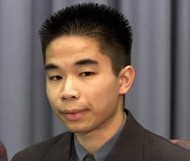
Sef Gonzales
Murderer Carl Williams
Murderer · Australia · 2003
Carl Antony Williams (b. October 13, 1970) was an Australian convicted hitman a…
4 victims
Carl Williams
Murderer · Australia · 2003
Carl Antony Williams (b. October 13, 1970) was an Australian convicted hitman a…
4 victims
 Ashley Coulston
Murderer · Australia · 1992
Ashley Coulston was an Australian sailor and triple murderer who was serving th…
3 victims
Ashley Coulston
Murderer · Australia · 1992
Ashley Coulston was an Australian sailor and triple murderer who was serving th…
3 victims
 Bandali Debs
Murderer · Australia · 1997
Bandali Michael Debs (born 18 July 1953) was an Australian murderer. Debs was f…
3 victims
Bandali Debs
Murderer · Australia · 1997
Bandali Michael Debs (born 18 July 1953) was an Australian murderer. Debs was f…
3 victims
 Robert Farquharson
Murderer · Australia · 2005
Robert Donald William Farquharson (born 1969) was an Australian father convicte…
3 victims
Robert Farquharson
Murderer · Australia · 2005
Robert Donald William Farquharson (born 1969) was an Australian father convicte…
3 victims
 Bruce Burrell
Murderer · Australia · 1995
Bruce Allan Burrell was an Australian convicted double murderer who was sentenc…
2 victims
Bruce Burrell
Murderer · Australia · 1995
Bruce Allan Burrell was an Australian convicted double murderer who was sentenc…
2 victims
 Francis Michael Fahey
Murderer · Australia · 2002
Francis Michael Fahey was sentenced to two life sentences with a minimum 25 yea…
2 victims
Francis Michael Fahey
Murderer · Australia · 2002
Francis Michael Fahey was sentenced to two life sentences with a minimum 25 yea…
2 victims
 Zhou Kehua
Murderer · China · 2004
Zhou Kehua (simplified Chinese: 周克华 ; traditional Chinese: 周克華 ; pinyin: Zhōu K…
10 victims
Zhou Kehua
Murderer · China · 2004
Zhou Kehua (simplified Chinese: 周克华 ; traditional Chinese: 周克華 ; pinyin: Zhōu K…
10 victims
 Zdenek Hrbac
Murderer · Germany · 2007
Zdenek Hrbac Zdenek Hrbac was sentenced to life in prison on December 15, 2007.…
1 victim
Zdenek Hrbac
Murderer · Germany · 2007
Zdenek Hrbac Zdenek Hrbac was sentenced to life in prison on December 15, 2007.…
1 victim
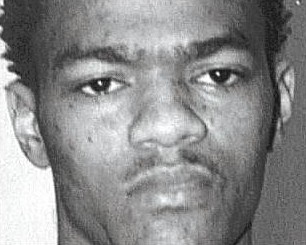 Lance Chandler
Murderer · USA · 1993
February 7, 1993 — Lance Chandler, Geral-dine Fernandez, Dwight Wyatt, and Geor…
1 victim
Lance Chandler
Murderer · USA · 1993
February 7, 1993 — Lance Chandler, Geral-dine Fernandez, Dwight Wyatt, and Geor…
1 victim
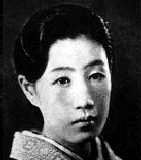 Sada Abe
Murderer · Japan · 1936
Sada Abe ( 阿部 定 , Abe Sada ) was a Japanese woman who erotically asphyxiated he…
1 victim
Sada Abe
Murderer · Japan · 1936
Sada Abe ( 阿部 定 , Abe Sada ) was a Japanese woman who erotically asphyxiated he…
1 victim
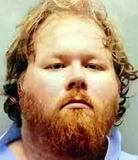 Ronald Lee Haskell
Mass murderer · USA · 2014
Ronald Lee Haskell was charged with six counts of capital murder in relation to…
6 victims
Ronald Lee Haskell
Mass murderer · USA · 2014
Ronald Lee Haskell was charged with six counts of capital murder in relation to…
6 victims
 John Ausonius
Murderer · Sweden · 1991
John Ausonius (born Wolfgang Alexander Zaugg on July 12, 1953), also known in t…
1 victim
John Ausonius
Murderer · Sweden · 1991
John Ausonius (born Wolfgang Alexander Zaugg on July 12, 1953), also known in t…
1 victim
- Gender
- male
- Country
- Australia
- Location
- North Ryde, New South Wales, Australia
- Date of birth
- September 16, 1980
- Age at first offence
- 21
- Characteristics
- parricide, murder for hire
- Victim profile
- His father, Teddy, 46, mother Mary Loiva Josephine, 43, and sister Clodine, 18
- Method of murder
- St abbing with knife
- Date(s) of murder
- July 10, 2001
- Years active
- 2001
- Date of arrest
- —
- Status
-
Life imprisonment
Sentenced to three life terms without parole on September 17, 2004
Case identification
Sef Gonzales (born September 16, 1980) was an Australian man who was convicted and sentenced in the Supreme Court of New South Wales for the murder of his father, Teddy, 46, his mother Mary Loiva Josephine, 43, and his sister Clodine, 18.
Timeline
- July 10, 2001 — Sef Gonzales entered Clodine’s bedroom and attacked her; he then attacked Mary Loiva in the house and attacked Teddy after Teddy arrived; Gonzales later spray painted “Fuck off Asians KKK” on a wall in the house.
- July 2, 2001 — The letters sent to a food and beverage company, the Australian Quarantine Inspection Service, and the Australian Federal Police were received.
- June 3, 2001 — Mary Loiva was hospitalised with bleeding to the gut, a fever and severe stomach pain.
- June 13, 2002 — Police arrested Sef Gonzales and charged him with three counts of murder; he was held in Silverwater Correctional Centre.
- April and May 2004 — The murder trial took place.
- April 6, 2004 — The court heard that Gonzales told his then girlfriend that he had bought poisonous seeds not to kill his then girlfriend but himself and make it look like cancer; the prosecution described the claim as an “absurdity”.
- May 20, 2004 — The jury found Gonzales guilty on the three counts of murder.
- September 17, 2004 — Gonzales was sentenced to three life terms without parole.
- October 2004 — Controversy arose after prospective buyers were not informed about the events that took place at the North Ryde house until the balance of the sale value was due.
- November 2005 — The North Ryde house was re-sold to a buyer who was aware of the house's history for $80 000 less than the initial sale.
- June 2007 — Gonzales was granted approval to appeal his conviction and his sentence.
- 27 November 2007 — Gonzales’ appeal was dismissed and his convictions remained.
Background
Sef Gonzales was born in Baguio, Philippines to a locally prominent family. After the 1990 earthquake, Teddy and Mary Loiva emigrated to Australia with their two children.
Teddy carved out a career as an immigration lawyer. The family appeared to be close-knit, with strict and devout parents and high hopes for their children. Court evidence later suggested the Gonzales family was controlling and would have enforced harsh discipline on the children if the children had not met their parents' high expectations.
Teddy and Mary Loiva had hoped that Sef would perform well academically, but Sef did not fare well in his HSC and performed poorly in his university courses. Clodine had been sent to Melbourne to complete high school after her mother disapproved of her boyfriend.
Some observers described Sef as having a penchant for stretching the truth and outright lying to impress people, including “Walter Mitty-like fantasies” in which he imagined himself as a successful businessman, model and singer. A website supposedly run by the daughter of a family friend, Daisy Diaz, as a “tribute” was described as being in fact set up by Gonzales himself.
Others remarked that he had an essentially narcissistic personality and was a compulsive or pathological liar. They also stated that to many people his lies were believable because of his apparent sincerity. He falsely told friends that he was suffering from cancer.
The court evidence included that Sef attempted to cover up his academic failure by falsifying results, and when this was discovered, his parents threatened to withdraw certain privileges such as use of his car. At the same time, he argued with his mother over a girlfriend she had disapproved of.
The trial evidence established motives for Gonzales killing his parents and sister. The motives included a desire to inherit the family's fortune and disputes in relation to his mother disapproving of a girlfriend.
Crown Prosecutor Mark Tedeschi, QC, told the court that Gonzales decided to kill his family with poisonous beans because they were proving a threat to the life he wanted to lead. Tedeschi stated that Gonzales had failed a bridging course in medicine at University of NSW and was facing expulsion from a “pre-law” course at Macquarie University. Tedeschi also described that the girl he believed he was in love with had returned to her boyfriend after a brief liaison and that his mother had warned she disapproved of her. Tedeschi stated that killing his parents would mean Gonzales would inherit considerable wealth.
Tedeschi also told the jury that Gonzales killed his parents because his life was “unravelling”. Tedeschi stated that his parents placed very high expectations on him, which included believing he could become a doctor or laywer, but he was a poor student and faced expulsion from his university course. Tedeschi stated that Sef had a brief fling with a girl four years his senior and that after she broke up with him after they had sex, he saw it as only a minor hurdle in their relationship. Tedeschi stated that Gonzales was concerned his mother did not approve of the girl. Tedeschi stated that the final motive alleged was that Gonzales would have access to his parents' $1.5 million estate.
The Crown Prosecutor also told the court that Gonzales asked his father's accountant, within a week of the murders, how much the estate was worth. Tedeschi stated that shortly after the murder Gonzales pawned his mother's jewellery and the family's three cars, and put down a deposit on a $173,000 Lexus SC 430, which he was unable to buy because he could not access his parent's estate.
The offence
Overview of victims
Sef Gonzales murdered three family members: Teddy (46), Mary Loiva Josephine (43), and his sister Clodine (18).
Attack on Clodine
On July 10, 2001, about 4.30pm, Gonzales entered Clodine’s bedroom where she was studying. He was armed with a baseball bat or a bat similar to a baseball bat and with two kitchen knives taken from a knife block in the kitchen, described as the two longest knives in the set.
It was found that he compressed Clodine’s neck trying to strangle her, struck her at least six separate blows to the head with the bat, and stabbed her many times with one or both knives. The findings included five major stab wounds to Clodine’s neck and two major stab wounds to her chest or abdomen. The cause of death was described as the combined effect of compression of her neck, blunt force head injuries, and the abdominal stab wounds.
Attack on Mary Loiva
Mary Loiva arrived home about 5.30pm. Immediately upon entering the house, Gonzales attacked her with one of the kitchen knives in the living/dining room. Gonzales inflicted multiple stab wounds and cuts to her face, neck, chest and abdomen, and her windpipe was completely transected.
Attack on Teddy
Teddy arrived about 6.50pm. Very shortly after he entered the house, Gonzales attacked him with one of the kitchen knives and inflicted multiple stab wounds to his neck, chest, back and abdomen. One stab wound penetrated Teddy’s right lung, another penetrated his heart, and another partially severed his spinal cord.
Post-killing actions at the scene
After killing his family, Gonzales disposed of the knife (or knives) he had used and the bat he had used in striking Clodine, as well as the shoes and clothing he had been wearing when committing the murders, which had become blood stained.
At some time in the evening, he spray painted the words “Fuck off Asians KKK” on a wall in the house to attempt to fool investigating police into believing that his family had been the victims of a hate crime.
Investigation
Police investigating the murders began to believe that Gonzales was the perpetrator.
In December, police disapproved Gonzales’ first alibi when they were told of sightings of his car in the driveway at the time of the murders.
Gonzales then constructed a second alibi, claiming he had visited a brothel at the time of the murders, but this was proven to be false by the prostitute with whom he claimed to have been.
Other false trails included a fabrication of an e-mail that implicated a business rival of Teddy in the murders, fabrication of threatening e-mails, and staging of an attempted burglary and an abduction.
Gonzales also put a deposit on a $173,000 Lexus, telling the dealership he would be using his inheritance to pay for the vehicle. He traded in his parent's car and pawned his mother's jewellery.
Arrest and charges
On June 13, 2002, after advancing two false alibis, police arrested Sef Gonzales and charged him with three counts of murder. He was held in Silverwater Correctional Centre.
In court proceedings during the trial, the prosecution described that Gonzales had planned the murders for several months before they took place.
The trial evidence also included that initially Gonzales intended to carry out an elaborate contamination hoax and search the Internet for poisonous plants. The trial heard of numerous lies to his friends, family and police surrounding his whereabouts at the time of the murders.
Trial
Pleas and counts
In the NSW Supreme Court, Gonzales pleaded not guilty to murdering his parents, Teddy and Mary Loiva, and his 18-year-old sister Clodine at their North Ryde home on July 10, 2001. The Crown Prosecutor Mark Tedeschi, QC, described the case as involving three murder counts.
Tedeschi also stated that Gonzales stabbed to death his family one by one over a three-hour period. The Crown Prosecutor described that a week before the murders Gonzales tried to poison his family with highly toxic seeds he bought over the internet.
The court heard that Gonzales told his then girlfriend in early 2002 that he had bought the seeds to commit suicide and thought they “would destroy his internal organs to make it look like cancer”. Tedeschi said:
"Apart from the obvious absurdity of someone feigning death from cancer from poison that took effect in three days there are other facts that show he had no intention of killing himself at all,"
Tedeschi stated that Gonzales had falsely told his friends for years he had cancer to elicit sympathy.
Tedeschi also told the jury that Gonzales planned the murders for several months before they took place, and described trial evidence including false claims surrounding the whereabouts at the time.
Evidence regarding proposed poisoning plan and letters
Tedeschi told the court that Gonzales had learned of poisonous beans by logging on to the internet and searching for “Methods of killing”. Tedeschi said the court heard Gonzales learned of poisonous beans that would kill in three days and leave no obvious sign of how death occurred. Tedeschi said the sites explained how to mix the beans with food and the symptoms, including convulsions and severe viral pain, would gradually set in and cause a slow and painful death.
The court heard that Gonzales placed orders for the beans from a site in the US and a company in Byron Bay.
Tedeschi described that to set up a “smokescreen”, the Crown alleged Gonzales decided to create a false food contamination scare at a major company by typing a letter:
"3 of your products have been poisoned. By now they are on supermarket shelves. This is what you get for treating employees like garbage. Good luck finding infected cans before someone dies. Go to hell!!!"
The court heard that similar letters were sent to the Australian Quarantine Inspection Service and the Australian Federal Police, pretending to be an employee who had heard that the products had been sabotaged.
In one trial account, Tedeschi stated that these letters were received on July 2, 2001. Eight days later, he stated that Clodine Gonzales (18), Mary Loiva (43), and Teddy (46) were stabbed to death in their home in Collins Street, North Ryde.
Tedeschi also stated that Gonzales failed to kill his family with his first plan and that despite his mother being admitted to hospital with what they thought was food poisoning, the attempt failed.
Tedeschi stated that Gonzales placed orders for seeds and that on June 3, 2001, Mary Loiva was hospitalised with bleeding to the gut, a fever and “absolute agony” with stomach pain, and doctors diagnosed it as severe food poisoning while being unable to isolate any bacteria or virus as the cause. Tedeschi stated that the crown alleged Gonzales had poisoned his mother.
Tedeschi also stated that Gonzales searched the internet for methods of killing before deciding on two highly toxic poisons which could be made from seeds, and that he discovered instructions including how to make the poisons, how to mix them in food, and recognising symptoms such as vomiting, diarrhoea and death. Tedeschi stated that there were e-mails ordering the seeds placed from Gonzales’ e-mail address.
Tedeschi also told the court that Gonzales had planned the murders as a response to his family members’ control and expectations, and described that killing would enable access to the parents’ estate.
In another description of the prosecution case, Tedeschi told the jury that Gonzales killed his parents because his life was “unravelling”, and also described his academic failures and his girlfriend situation in the context of motives and alleged planning.
How the Crown described the killing
Tedeschi told the court:
"This was not a professional killing,"
"This was a slaughter by an angry amateur who wanted to make absolutely sure they were dead but had no idea how many times he would need to stab them in order to cause death."
Tedeschi described that after seeing only the body of his father, Gonzales rang triple 0. Gonzales’ call was described as: “Please come, someone has, someone is at my parents, killed my family... they are all bleeding there on the floor.”
Tedeschi told the court that Gonzales then began a litany of lies to police, his family and friends. Tedeschi stated that Gonzales told them after calling triple 0 that he had heard a noise downstairs and ran to see who it was, chased one or two men, but they disappeared.
Defence and jury
The jury found Gonzales guilty on the three counts of murder on May 20, 2004.
During trial, Gonzales answered “not guilty” to all counts.
Sentencing
On September 17, 2004, Gonzales was sentenced to three life terms without parole.
Tedeschi described Gonzales as one of the youngest “lifers” in Australia.
After sentencing, Gonzales served his terms as a maximum security inmate at Goulburn Correctional Centre.
Appeals
In June 2007, Gonzales was granted approval to appeal his conviction and his sentence.
The Supreme Court determined that statements taken from Gonzales by police on the night of the murders may be inadmissible because he was not cautioned.
On 27 November 2007, his appeal was dismissed because there had been no miscarriage of justice, and his convictions remained.
Outcome
The jury convicted Gonzales on three counts of murder, and the convictions remained after appeal dismissal.
Aftermath
The North Ryde house where the murders took place was put on the market. In October 2004, controversy arose when prospective buyers had not been informed of the events that took place there and found out from a newspaper only when the balance of the sale value was due.
After the controversy, the state government made it illegal to sell a house without disclosing murders that took place in it.
Agents refunded the deposit on the purchase and the house was re-sold in November 2005 to a buyer who was aware of the house's history for $80 000 less than the initial sale.

Spotted an error, or have more information about this case?