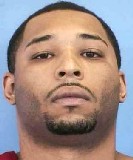
Marlon Howell
Murderer Russell Ellwood
Murderer · USA · 1991
Russell Ellwood was a former taxi driver. Authorities suspected him of killing…
20 victims
Russell Ellwood
Murderer · USA · 1991
Russell Ellwood was a former taxi driver. Authorities suspected him of killing…
20 victims
 Robert Martines Perez
Murderer · USA · 1994
Name: Robert Martines Perez · Other name used in proceedings: Robert Martinez P…
15 victims
Robert Martines Perez
Murderer · USA · 1994
Name: Robert Martines Perez · Other name used in proceedings: Robert Martinez P…
15 victims
 Billy Frank Vickers
Murderer · USA · 1993
Billy Frank Vickers Vickers was executed by lethal injection in Texas on Januar…
14 victims
Billy Frank Vickers
Murderer · USA · 1993
Billy Frank Vickers Vickers was executed by lethal injection in Texas on Januar…
14 victims
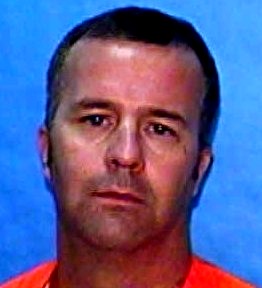 Leo Edward Perry
Murderer · USA · 1997
Leo Edward Perry was sentenced to death for the 02/21/97 murder of John Johnson…
1 victim
Leo Edward Perry
Murderer · USA · 1997
Leo Edward Perry was sentenced to death for the 02/21/97 murder of John Johnson…
1 victim
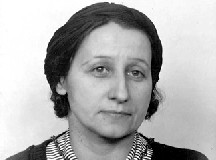 Sue Logue
Murderer · USA · 1941
Sue Logue was a teacher and a farmer's wife in South Carolina. Her husband, Wal…
1 victim
Sue Logue
Murderer · USA · 1941
Sue Logue was a teacher and a farmer's wife in South Carolina. Her husband, Wal…
1 victim
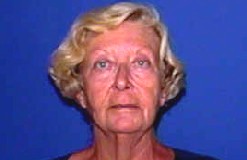 Priscilla Bradford
Murderer · USA · 1980
Priscilla Bradford (1944– ) was an American murderer who, along with two friend…
1 victim
Priscilla Bradford
Murderer · USA · 1980
Priscilla Bradford (1944– ) was an American murderer who, along with two friend…
1 victim
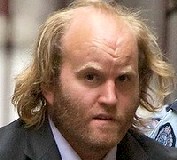 Arthur Freeman
Murderer · Australia · 2009
Arthur Phillip Freeman was 37 at sentencing. He had been involved in an extende…
1 victim
Arthur Freeman
Murderer · Australia · 2009
Arthur Phillip Freeman was 37 at sentencing. He had been involved in an extende…
1 victim
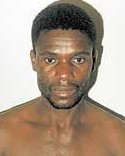 Maoupa Maake
Serial killer · S outh Africa · 1996
Maoupa Maake (Maoupa Cedric Maake; also known as the Wemmer Pan Killer) was a s…
27 victims
Maoupa Maake
Serial killer · S outh Africa · 1996
Maoupa Maake (Maoupa Cedric Maake; also known as the Wemmer Pan Killer) was a s…
27 victims
 David Kevin Hocker
Murderer · USA · 1998
March 21, 1998 — David Kevin Hocker stabbed and beat his boss, Jerry Wayne Robi…
1 victim
David Kevin Hocker
Murderer · USA · 1998
March 21, 1998 — David Kevin Hocker stabbed and beat his boss, Jerry Wayne Robi…
1 victim
- Gender
- male
- Country
- USA
- Location
- New Albany, Union County, Mississippi, USA
- Date of birth
- April 1, 1980
- Age at first offence
- 20
- Characteristics
- robbery, rape, dismemberment
- Victim profile
- Hugh David Pernell, 61 (newspaper carrier)
- Method of murder
- Shooting (Lorcin .380 caliber pistol)
- Date(s) of murder
- May 15, 2000
- Years active
- 2000
- Date of arrest
- Same day
- Status
-
Sentenced to death
Sentenced to death on March 30, 2001
Case information
Name: Marlon Howell Status: Sentenced to death on March 30, 2001
Timeline
- May 15, 2000 — Hugh David Pernell, a newspaper carrier for the Northeast Mississippi Daily Journal, was shot and killed in his car on Broad Street in New Albany while running his paper route.
- May 16 — Charles Rice picked Howell out of a lineup.
- 2001 — A Union County jury convicted Howell of capital murder and Howell was sentenced to die of lethal injection.
- 2003 — Attorney General Jim Hood was elected attorney general.
- 2005 — The U.S. Supreme Court refused to address Howell’s appeal, stating the issue he brought forth had not been argued in lower appeal courts.
- 2008 — The Mississippi Supreme Court, in a 5-4 vote, denied additional review of the case while saying Howell was entitled to a hearing about claims concerning Lipsey’s recanted testimony, issues about whether he had an attorney at the lineup, and whether Howell could have been helped by a woman’s claims about hearing Ray and Lipsey say they shot a white man and talked about hiding the gun behind a house.
- April 10 — A multi-day hearing was set to start in New Albany.
- May 21, 2013 — A judge dismissed Howell’s post-conviction arguments for death row inmate Marlon Howell; the ruling was issued Monday, following a hearing held last month in New Albany.
- June 2034 — Curtis Lipsey’s tentative release date.
- April 2027 — Ray’s due for release date.
Background
Marlon Latodd Howell was convicted in 2001 of capital murder and sentenced to death for killing David Pernell during a robbery.
Hugh David Pernell was described as a retired postman who delivered the Northeast Mississippi Daily Journal. Pernell was killed after he was flagged down on a city street in New Albany.
In the early morning hours of May 15, 2000, Hugh David Pernell was shot and killed in his car on Broad Street in New Albany while running his paper route. The shooting occurred in front of Charles Rice’s house.
The offence
Hugh David Pernell was shot and killed in his car on Broad Street in New Albany during his newspaper route. Pernell died there of a single gunshot wound to the chest.
Charles Rice later told law enforcement that he heard two cars in the street, looked out the window and saw a man exit the rear car and approach the driver’s side window of the front vehicle. After some commotion, he said the man pulled a pistol and shot the front-vehicle driver. The shooter got into the passenger seat of the rear vehicle, which left the scene.
Rice called 911 and told officers the shooter was a young black male who left in a late model, dark-color Oldsmobile.
Investigation and identification
Curtis Lipsey, Adam Ray, and Howell were arrested after a police tip; Howell had been riding around with Lipsey and Ray overnight.
Lipsey and Ray implicated Howell, who claimed no involvement in the murder. Howell said he had been in Corinth with a woman but could not provide her name or address.
Lipsey and Rice were described as key identification witnesses at Howell’s trial.
On May 16, Charles Rice picked Howell out of a lineup. Howell’s attorneys later argued that the lineup was tainted, including claims that Howell had no lawyer and had not waived his right to one.
Arrest and charges
Howell had been convicted in 2001 of capital murder.
A dispute existed as to the timing of when Howell was arrested and charged with capital murder, with Howell’s appeals attorney asserting Howell was arrested and charged on May 15 rather than May 16 as the state contended.
Howell’s attorneys also argued that Howell waived his right to an attorney the day before the lineup during an interview with investigators; Richardson found no fault in the way Howell’s attorney handled his case before or during trial.
Trial
A Union County jury convicted Howell of capital murder.
The trial prosecutor was Kelly Luther. It was asserted in court documents that while Luther never sought a background check on Rice, the state turned over all its evidence to the defense.
Howell’s trial defense attorney was Duncan Lott of Boonevilleville.
Evidence and witnesses
Key identification witness: Charles Rice
Charles Rice was described as a key identification witness at Howell’s trial.
Howell’s attorneys argued that the key prosecution witness Charles Rice “sought to recant his identification of Howell as the shooter,” only to withdraw the statement in another affidavit.
Rice was also described as having subpoenaed testimony in later proceedings, and a dispute was raised about whether Rice could “see what he said he saw” when Pernell was shot.
Alleged recantation and credibility issues: Curtis Lipsey
Howell’s appeals raised issues about Lipsey’s recanted testimony. In 2008, the Mississippi Supreme Court stated Howell was entitled to a hearing about claims of Lipsey’s recanted testimony.
Other identification witness: Adam Ray
Adam Ray also claimed Howell was the shooter, but it was stated Ray never testified and later recanted.
Howell’s attorneys argued issues involving another prosecution witness and also raised the claim that a woman could say she heard Ray and Lipsey say they shot a white man and discussed hiding the gun behind a house.
Uncalled witness claim: Terkecia Pannell
Howell’s appeals attorney said there was a witness, Terkecia Pannell, who could say she told prosecutors she did not see Howell with a gun or hear him say anything about killing someone, but she was not called and the defense never knew about her possible testimony.
The Attorney General’s position included that Pannell gave a sworn statement recently and said she didn’t know to whom she spoke before the trial.
Police chief testimony: David Grisham
Howell’s appeals attorney asserted that then-New Albany Police Chief David Grisham lied when he said Howell had a lawyer at the lineup.
It was also stated that Richardson found no fault with Howell’s attorney’s handling and that Richardson said Howell had waived his right to an attorney the day before the lineup during an interview with investigators, and had not been formally charged with capital murder when the lineup took place.
Grisham retired as chief and was on the subpoena list for the hearing.
Trial prosecutor and opposing positions
Attorney General Jim Hood was described as the case’s district attorney at the time of trial.
It was stated that Hood dismissed lawyer Richardson’s suggestion that Hood could be called as a witness, saying he had nothing to be a witness about.
Sentencing
Howell was sentenced to die of lethal injection.
Howell’s sentencing date was listed as March 30, 2001, with status: sentenced to death.
The ruling about post-conviction arguments resulted in dismissal of those arguments for death row inmate Marlon Howell.
Appeals
U.S. Supreme Court
In 2005, the U.S.
Mississippi Supreme Court
In 2008, the Mississippi Supreme Court, with a 5-4 vote, denied additional review of the case. It said Howell was entitled to a hearing about claims of Lipsey’s recanted testimony, issues about whether he had an attorney at the lineup, and whether Howell could have been helped by a woman’s claims that she heard Ray and Lipsey say they shot a white man and talked about hiding the gun behind a house.
In the court’s dissent, justices said Howell was entitled to a hearing about evidence affecting a material witness’ credibility.
Post-conviction hearing and ruling
A circuit judge, Samac Richardson, appointed as a special judge to conduct the hearing, issued a ruling dismissing Howell’s post-conviction arguments. The hearing took place last month in New Albany.
Howell’s post-conviction petition asserted Howell had found new evidence or a possible constitutional issue that could persuade a court to order a new trial.
Richardson said he found no inconsistency in the witness’ testimony. Richardson said Howell waived his right to an attorney the day before the lineup during an interview with investigators and had not been formally charged with capital murder when the lineup took place. Richardson said he found no fault in the way Howell’s attorney handled his case before or during the trial.
Hearing claims and issues raised by Howell’s appeals attorney
Howell’s appeals attorney insisted Howell did not pull the trigger that killed newspaper carrier David Pernell.
Claims listed for the hearing included:
- Howell was arrested and charged with capital murder on May 15, not May 16 as the state contended.
- A May 16 lineup from which Charles Rice picked out Howell was tainted because Howell had no lawyer and had not waived his right to one.
- Then-New Albany Police Chief David Grisham lied when he said Howell had a lawyer at the lineup.
- The state had a witness, Terkecia Pannell, who could say she told prosecutors she did not see Howell with a gun or hear him say anything about killing someone, but she was not called and the defense never knew about her possible testimony.
- Two men arrested with Howell said he shot Pernell but later said they were wrong.
- Richardson said he would present evidence that Rice “couldn’t see what he said he saw” when Pernell was shot.
- The state’s chief law enforcement officer said those issues had been argued before and that Howell was not under arrest for capital murder, rather a parole violation, when he was put in a lineup.
- Howell’s appeals attorney insisted that as soon as Howell was arrested with a charge, he was entitled to a lawyer.
- Grisham was on the subpoena list for the hearing.
- Among others subpoenaed to testify were Rice, his wife Melody Burns Rice, and Howell’s trial defense attorney Duncan Lott of Booneville.
Other details
People connected to the case
- Marlon Howell — the convicted person sentenced to death.
- David Pernell / Hugh David Pernell — newspaper carrier; described as retired postman; killed in New Albany.
- Charles Rice — prosecution witness who identified Howell; described as having a recantation and withdrawal in affidavits; subpoenaed for the hearing.
- Melody Burns Rice — Rice’s wife; subpoenaed for the hearing.
- Curtis Lipsey — implicated Howell; pleaded guilty to manslaughter and armed robbery in Pernell’s death; serving a 35-year sentence at Mississippi State Penitentiary; tentative release date June 2034.
- Adam Ray — implicated Howell; pleaded guilty to manslaughter and armed robbery in Pernell’s death; due for release in April 2027; described as having claimed Howell was the shooter but never testified and later recanted.
- Kelly Luther — trial prosecutor; stated in court documents that the state turned over all its evidence to the defense.
- Duncan Lott — Howell’s trial defense attorney of Booneville; subpoenaed for the hearing.
- Jim Hood — Attorney General; described as the case’s district attorney at the time of trial; stated about Pannell’s sworn statement and the suggestion that he could be called as a witness.
- Ben Creekmore — current district attorney; described as part of the state’s team at the hearing and not involved in the 2001 trial.
- William “Billy” Richardson — North Carolina defense attorney; Howell’s appeals attorney.
- Samac Richardson — Senior Circuit Judge of Rankin County; presided over the multi-day proceeding; issued the post-conviction ruling dismissing Howell’s arguments.
- David Grisham — then-New Albany Police Chief; was on the subpoena list for the hearing.
- Terkecia Pannell — witness whom Howell’s appeals attorney said prosecutors did not call.
- Hugh David Pernell — stated as the person shot and killed; also referenced as a newspaper carrier for the Northeast Mississippi Daily Journal.
Additional assertions and positions
- Howell’s attorneys argued that Howell’s trial attorney failed to investigate or conduct a pretrial interview of another prosecution witness.
- It was stated that Howell’s attorneys said the case would be appealed to the state Supreme Court.
Verified quoted statements (verbatim)
Attorney General Jim Hood told the Daily Journal on Wednesday, one week before a hearing about Howell’s appeal: “Sometimes things like this look good on paper but they don’t work out against the real evidence,”
William “Billy” Richardson vowed: “If it’s going to take the rest of my life to get him off, I’m going to do it,”
Richardson described his belief about evidence: Richardson says he will present evidence that Rice “couldn’t see what he said he saw” when Pernell was shot.
Ben Creekmore said: “I’m really not at liberty to say much about the case,”
- The shooting occurred in front of Charles Rice’s house and involved a late model, dark-color Oldsmobile.
Spotted an error, or have more information about this case?