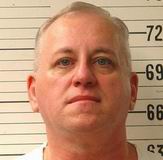
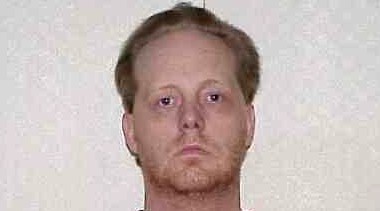
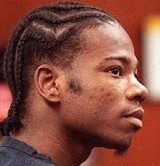
Donnie Edward Johnson
Murderer Brian Kevin Rosenfeld
Murderer · USA · 1985
Brian Kevin Rosenfeld Brian Kevin Rosenfeld was sentenced to three concurrent l…
23 victims
Brian Kevin Rosenfeld
Murderer · USA · 1985
Brian Kevin Rosenfeld Brian Kevin Rosenfeld was sentenced to three concurrent l…
23 victims
 Marvin Gray
Murderer · USA · 1975
Marvin Gray was convicted killer who claimed responsibility for 23 slayings and…
23 victims
Marvin Gray
Murderer · USA · 1975
Marvin Gray was convicted killer who claimed responsibility for 23 slayings and…
23 victims
 Yahweh ben Yahweh
Murderer · USA · 1980
Yahweh ben Yahweh was born and legally named Hulon Mitchell Jr. (October 27, 19…
23 victims
Yahweh ben Yahweh
Murderer · USA · 1980
Yahweh ben Yahweh was born and legally named Hulon Mitchell Jr. (October 27, 19…
23 victims
 Russell Ellwood
Murderer · USA · 1991
Russell Ellwood was a former taxi driver. Authorities suspected him of killing…
20 victims
Russell Ellwood
Murderer · USA · 1991
Russell Ellwood was a former taxi driver. Authorities suspected him of killing…
20 victims
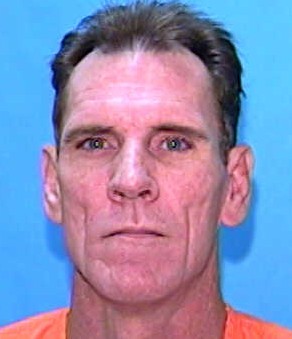 David Wyatt Jones
Murderer · USA · 1987
David Wyatt Jones was tried in the Fourth Judicial Circuit, Duval County, under…
2 victims
David Wyatt Jones
Murderer · USA · 1987
David Wyatt Jones was tried in the Fourth Judicial Circuit, Duval County, under…
2 victims
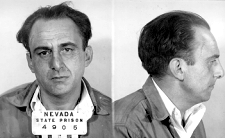 Albert Everette Sala
Murderer · USA · 1945
Albert Everette Sala was a native of Oakland, California, and he was 38 years o…
1 victim
Albert Everette Sala
Murderer · USA · 1945
Albert Everette Sala was a native of Oakland, California, and he was 38 years o…
1 victim
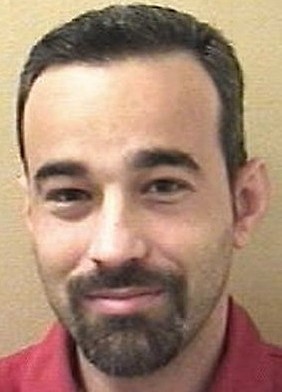 Samuel Flippen
Murderer · USA · 1994
August 18, 2006 — Samuel Flippen was executed by lethal injection in North Caro…
1 victim
Samuel Flippen
Murderer · USA · 1994
August 18, 2006 — Samuel Flippen was executed by lethal injection in North Caro…
1 victim
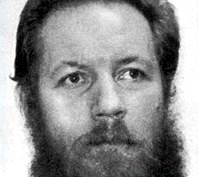 Thomas Silverstein
Murderer · USA · 1983
Thomas Silverstein (1952–) was a convicted American murderer. He was described…
3 victims
Thomas Silverstein
Murderer · USA · 1983
Thomas Silverstein (1952–) was a convicted American murderer. He was described…
3 victims
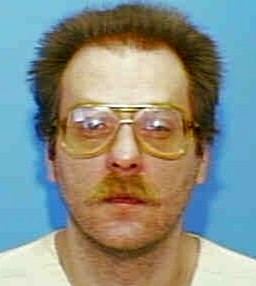 John Joseph Fautenberry
Serial killer · USA · 1990
John Joseph Fautenberry was a former Oregon truck driver. Fautenberry was broug…
6 victims
John Joseph Fautenberry
Serial killer · USA · 1990
John Joseph Fautenberry was a former Oregon truck driver. Fautenberry was broug…
6 victims
- Gender
- male
- Country
- USA
- Location
- Shelby County, Tennessee , USA
- Date of birth
- January 15, 1951
- Age at first offence
- 33
- Characteristics
- parricide
- Victim profile
- Connie Johnson, 30 (his wife)
- Method of murder
- Suffocation ( by stuffing a plastic garbage bag into her mouth)
- Date(s) of murder
- December 8, 1984
- Years active
- 1984
- Date of arrest
- —
- Status
-
Sentenced to death
Sentenced to death in 1985
Parties and identities
Donnie Edward Johnson was convicted in Tennessee.
Connie Johnson was his wife and was murdered.
Ronnie McCoy was a work-release inmate who testified about what he saw at the place of employment.
Kenneth Roach was the prosecutor in the litigation.
Wayne Morrow was the probation officer who prepared a pre-sentence report for McCoy in 1988.
Eric Clay was a judge on the three-judge panel and issued a dissenting opinion.
Ricky Bell was the warden named in the appeal.
Background
On December 8, 1984, Donnie Johnson signed Ronnie McCoy out of the Penal Farm where McCoy was serving a four month sentence for charges of false reporting.
Donnie Johnson took McCoy to their place of employment, Force Camping Sales.
At the close of the work day, Connie Johnson met them at the employment site.
The offence
The jury convicted Johnson of first-degree murder.
In Johnson’s trial account, he left the room and, when he returned, McCoy had killed Connie and Johnson helped McCoy clean up the crime scene and dispose of Connie’s body because Johnson was scared of what McCoy would do if he did not cooperate.
McCoy testified that he left Connie Johnson alone with her husband in a sales office, and when he returned Johnson showed him Connie’s dead body.
McCoy testified that he thereafter helped Johnson clean up the office and dispose of the body because he was scared of Johnson.
The killing was described as suffocating Connie Johnson by stuffing a plastic garbage bag into her mouth.
Investigation and evidence
McCoy testified that he left Johnson and his wife alone for a few minutes at a camping center Johnson managed, and that when he returned he found Connie Johnson’s bleeding, dead body.
McCoy testified that he then helped Donnie Johnson clean up the area, put the body in a van, and take it to the Mall of Memphis, where it was found the next day.
In court filings, Johnson showed that a 1988 pre-sentence report for McCoy from an unrelated crime states that McCoy was granted immunity in exchange for his testimony against Johnson.
Wayne Morrow, the probation officer who prepared the report, said in an affidavit that the report accurately reflected what McCoy told him at the time.
However, McCoy and prosecutor Kenneth Roach said in affidavits that McCoy was not granted immunity.
The court found that the pre-sentence report and accompanying affidavit did not constitute clear and convincing evidence that the court was deceived about a deal between the parties.
Trial
McCoy testified at trial.
Sentencing
In Tennessee, inmates sentenced to die prior to 1999 were to choose the method of execution to be used—lethal injection or electric chair.
If they did not choose, default was the electric chair.
Donnie Johnson chose to die in the electric chair.
Appeals
A federal appeals court ruled against Donnie Johnson, agreeing with a lower court that there was not sufficient evidence that a deal existed.
The legal challenge concerned Johnson’s claim that a prosecutor and a star witness lied about a deal to grant immunity for testimony.
The Court of Criminal Appeals of Tennessee involved Donnie E. Johnson v. State of Tennessee, and there were additional proceedings before the United States Court of Appeals for the Sixth Circuit in Donnie E. Johnson v. Ricky Bell, Warden.
In 2006, the appeals court issued a stay of execution based on Johnson’s claim that the prosecutor had an undisclosed agreement with McCoy not to pursue charges against him if he testified against Johnson in court.
One member of the three-judge panel disagreed and wrote that Johnson deserved an evidentiary hearing to determine the truth.
Judge Eric Clay issued a dissenting opinion.
Judge Eric Clay wrote:
"The state asserts that it was able to obtain full participation from McCoy, a possible accomplice with a criminal history, without offering him any deal," Clay wrote. "At the very least, the prosecution's proposed version of events strains credulity."
The dissent also described McCoy’s timeline: McCoy initially denied knowing anything about the murder of Connie Johnson, then changed his story to implicate Donnie Johnson three weeks later.
Despite acknowledging his role in the crime, McCoy’s work release status was not revoked and he was paroled only two months later.
The material states that it was while McCoy was on parole that he testified against Johnson.
The court dismissed a separate, but related, appeal claiming prosecutorial misconduct because the prosecutor essentially vouched for McCoy’s truthfulness at trial.
Outcome and current status
Donnie Johnson remained sentenced to death in 1985 and selected the electric chair as the method of execution.
Spotted an error, or have more information about this case?