Malcolm Rent Johnson
Murderer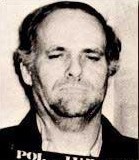 Ervil LeBaron
Murderer · USA · 1972
Ervil Morrell LeBaron (1925 to August 16, 1981) was the leader of a polygamous…
35 victims
Ervil LeBaron
Murderer · USA · 1972
Ervil Morrell LeBaron (1925 to August 16, 1981) was the leader of a polygamous…
35 victims
 Brian Kevin Rosenfeld
Murderer · USA · 1985
Brian Kevin Rosenfeld Brian Kevin Rosenfeld was sentenced to three concurrent l…
23 victims
Brian Kevin Rosenfeld
Murderer · USA · 1985
Brian Kevin Rosenfeld Brian Kevin Rosenfeld was sentenced to three concurrent l…
23 victims
 Marvin Gray
Murderer · USA · 1975
Marvin Gray was convicted killer who claimed responsibility for 23 slayings and…
23 victims
Marvin Gray
Murderer · USA · 1975
Marvin Gray was convicted killer who claimed responsibility for 23 slayings and…
23 victims
 Yahweh ben Yahweh
Murderer · USA · 1980
Yahweh ben Yahweh was born and legally named Hulon Mitchell Jr. (October 27, 19…
23 victims
Yahweh ben Yahweh
Murderer · USA · 1980
Yahweh ben Yahweh was born and legally named Hulon Mitchell Jr. (October 27, 19…
23 victims
 Russell Ellwood
Murderer · USA · 1991
Russell Ellwood was a former taxi driver. Authorities suspected him of killing…
20 victims
Russell Ellwood
Murderer · USA · 1991
Russell Ellwood was a former taxi driver. Authorities suspected him of killing…
20 victims
 Tina Brown
Murderer · USA · 2010
Tina Lasonya Brown was convicted of first-degree murder in the beating and burn…
1 victim
Tina Brown
Murderer · USA · 2010
Tina Lasonya Brown was convicted of first-degree murder in the beating and burn…
1 victim
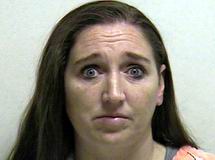 Megan Huntsman
Murderer · USA · 1996
Megan Huntsman was 40 at sentencing. She was a mother of three children who wer…
6 victims
Megan Huntsman
Murderer · USA · 1996
Megan Huntsman was 40 at sentencing. She was a mother of three children who wer…
6 victims
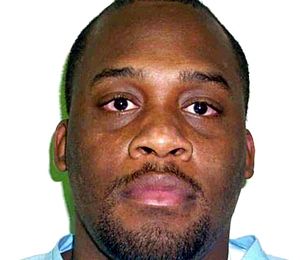 Darick Walker
Homicide · USA · 1996
Darick Demorris Walker was convicted of capital murder for the killings of two…
2 victims
Darick Walker
Homicide · USA · 1996
Darick Demorris Walker was convicted of capital murder for the killings of two…
2 victims
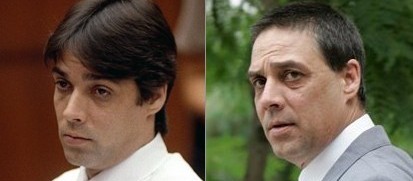 Christian Brando
Homicide · USA · 1990
Christian Brando pled guilty to manslaughter. Christian Brando (May 11, 1958 –…
1 victim
Christian Brando
Homicide · USA · 1990
Christian Brando pled guilty to manslaughter. Christian Brando (May 11, 1958 –…
1 victim
 Mary Ann Wittich
Murderer · USA · 2007
Mary Ann Wittich committed suicide by shooting herself the same day she drugged…
2 victims
Mary Ann Wittich
Murderer · USA · 2007
Mary Ann Wittich committed suicide by shooting herself the same day she drugged…
2 victims
- Gender
- male
- Country
- USA
- Location
- Oklahoma City, Oklahoma, USA
- Date of birth
- January 25, 1958
- Age at first offence
- 23
- Characteristics
- serial rapist
- Victim profile
- Ura Alma Thompson (female, 76)
- Method of murder
- Asphyxiation
- Date(s) of murder
- October 27, 1981
- Years active
- 1981
- Date of arrest
- Same day
- Status
-
Executed
Executed by lethal injection in Oklahoma on January 6, 2000
Case overview
Malcolm Rent Johnson was convicted and sentenced to death for the October 1981 murder of Ura Alma Thompson, a 76-year-old woman found dead in her Oklahoma City apartment on October 27, 1981. The victim was beaten, raped, and suffocated in her home. Johnson was executed by lethal injection in Oklahoma on January 6, 2000.
Timeline
- October 27, 1981 — Frank Thompson found his aunt, 76-year-old Ura Alma Thompson, deceased on the floor of her Oklahoma City apartment.
- October 27, 1981 — Police arrested Johnson at his apartment on an unrelated weapons charge and seized items later identified as belonging to Thompson.
- October 28, 1981 — Police obtained hair, saliva, and blood samples from Johnson.
- March 22, 1982 — Johnson was found guilty.
- January 6, 2000 — Malcolm Rent Johnson was executed by lethal injection in Oklahoma; he was pronounced dead at 12:13 a.m.
- September 2001 — A memo and subsequent reporting raised questions about forensic testimony connected to Johnson’s case.
Background
Frank Thompson found his aunt, 76-year-old Ura Alma Thompson, deceased on the floor of her Oklahoma City apartment on the evening of October 27, 1981. The medical examiner found evidence of forcible sexual intercourse before death and concluded that Thompson died of asphyxiation either because of pressure on her chest during the intercourse or because her assailant covered her mouth and nose. The medical examiner determined that Thompson was not strangled.
Johnson had prior convictions for rape, armed robbery, and burglary, and he was on parole from Illinois at the time of the murder.
The offence
Ura Alma Thompson was found dead in her Oklahoma City apartment on October 27, 1981. The medical examiner determined that the cause of death was suffocation and that the victim suffered blows to the head and jaw, as well as forced intercourse. Jewelry, furs and other valuables were discovered missing from the victim's apartment.
Following an autopsy, the medical examiner found evidence of forcible sexual intercourse before death. The medical examiner concluded that Thompson died of asphyxiation either because of pressure on her chest during the intercourse or because her assailant covered her mouth and nose.
Investigation
After the autopsy, forensic evidence was collected and later linked to Johnson, including semen and hair.
Semen and hair evidence
- A state forensic chemist, Joyce Gilchrist, testified that semen found on the bed coverings in Thompson’s apartment matched Johnson’s blood type.
- Gilchrist also testified that several strands of hair found at the scene of the crime were “consistent microscopically” with Johnson’s hair.
- A neighbor testified that Johnson was near the scene at the time of the murders.
- She testified that semen found on the bed coverings and that hair fragments matched Johnson’s hair.
Later, after Johnson’s execution, Gilchrist was fired from the State Lab, and retests on the evidence in Johnson’s case showed discrepancies. A July 31 memo stated that “spermatozoa is not present” on slides that were originally reported to show sperm consistent with Johnson’s blood type, and a memo signed by chemist Laura Schile described this discrepancy. Schile resigned Aug. 2 from the forensics lab, citing a hostile work environment. The memo indicated that other scientists agreed that sperm was not present.
Questioned forensic evidence and related allegations
A review by The Associated Press of Johnson’s 1982 trial transcripts described the evidence portrayed as “overwhelming” as inconclusive, and it described scrutiny of whether Johnson received a fair trial.
Oklahoma Attorney General Drew Edmondson said he remained convinced of Johnson’s guilt and said police found items including the victim’s furs, a typewriter, watch, key rings, cigarette case, hand mirror, rings, a purse and other valuables at Johnson’s apartment. Edmondson also said police found Thompson’s property in Johnson’s home and that he saw no obstacle to carrying out the execution on Jan. 6. Edmondson also stated: “I see no obstacle to the carrying out of Johnson's execution on Jan. 6.”
Oklahoma City Police Chief M.T. Berry declined comment except to say the department was willing to have evidence from the Johnson case retested by an independent lab. Gov. Frank Keating’s office said it agreed the execution was appropriate.
Arrest
On October 27, 1981, police arrested Johnson at his apartment on an unrelated weapons charge. Officers seized several items later identified as belonging to Thompson. Johnson denied knowledge of the homicide, but when told that semen found in Thompson's body matched his own, he reportedly responded:
“you couldn't have found my semen in her, I didn't come.”
The police also later obtained hair, saliva, and blood samples from Johnson on October 28, 1981.
Johnson contended that all the items were given to him by a third party, and it was reported that a search led to the discovery of the victim’s apartment key in Johnson’s nightstand.
Trial
Charges and verdict
Johnson was convicted and sentenced to death for the murder of Ura Alma Thompson, a 76-year-old woman.
At trial, Joyce Gilchrist testified that semen found on the bed coverings in Thompson’s apartment matched Johnson’s blood type, and she also testified that strands of hair found at the scene were “consistent microscopically” with Johnson’s hair. The defense did not present any witnesses.
The defense presented no witnesses, and Johnson was found guilty on March 22, 1982.
Evidence linking Johnson to the victim
The police had seized Thompson-associated items from Johnson’s apartment, including furs, a typewriter, watch, key rings, a cigarette case, a hand mirror, rings, a purse and other valuables. Additional details included:
- Thompson’s apartment key,
- a watch and a ring,
- a typewriter, key rings, cigarette case, and hand mirror,
- and other valuables described as found at Johnson’s apartment.
Trial testimony included that hair fragments found at the scene were similar to Johnson’s hair and that fibers matched a blue cotton shirt he owned. The trial record described Johnson’s case as the first time Gilchrist testified about fiber analysis, and it stated that DNA analysis was not available at that time. The court denied the defense’s request for funds to hire its own forensics expert.
Evidence of sexual assault and suffocation
The medical evidence described forcible sexual intercourse before death and asphyxiation as the cause of death, including the possibility of pressure on the victim’s chest during intercourse or the assailant covering her mouth and nose. The victim was beaten and suffocated.
Prior convictions and aggravating circumstances
Johnson had prior Illinois convictions for raping two different women, two separate charges of armed robberies, and one burglary. At the death penalty stage, the court submitted three aggravating circumstances:
- prior conviction of a felony;
- continuing threat to society; and
- especially heinous, cruel, or atrocious killing.
The jury rejected the third aggravator but found the other two outweighed the evidence of mitigation, and Johnson was sentenced to death.
Sentencing
The jury sentenced Johnson to death after weighing aggravating and mitigating evidence. The jury rejected especially heinous, cruel, or atrocious killing but found that prior conviction of a felony and continuing threat to society outweighed mitigation.
Appeals and post-conviction proceedings
The Oklahoma Court of Criminal Appeals set a Jan. 6 execution date for Johnson. In November (year not specified in the provided material), the U.S. Supreme Court rejected Johnson’s latest appeal of his death sentence.
Johnson opted not to go before the state clemency board to try to have his sentence commuted.
In federal habeas proceedings, Johnson raised seventeen assignments of error on appeal from his death sentence, and his petition for federal habeas corpus was denied in a decision dated 09/03/1999.
Outcome
Johnson was executed shortly after midnight on Thursday, January 6, 2000. He was pronounced dead at 12:13 a.m. Oklahoma Carries Out First U.S. Execution of Year reporting described the execution as the first person put to death in the United States that year.
At the time of execution, Johnson told those assembled to watch him die:
“I'm going to heaven on a midnight train,”
A family statement described that Johnson took the last minutes of his life to apologize for the murder, with family members waiting nearly 20 years to hear Johnson say:
“I apologize for everyone I hurt.”
Aftermath
After the execution, Joyce Gilchrist was fired from the State Lab, and retests showed discrepancies. A July 31 memo referred to Johnson’s case and stated that spermatozoa was not present on slides that had been prepared from material taken from the victim’s bedspread and pillowcase. The memo described the contradiction between what Gilchrist testified and what later reexaminations showed.
The Associated Press reported that prosecutors said there was sufficient evidence separate from Gilchrist’s testimony, while the chief public defender for Oklahoma County disagreed and said it called into question whether the state executed an innocent person.
Oklahoma City Police chemist Joyce Gilchrist had previously been suspended with pay, and later reporting described FBI review of eight cases and findings of significant errors in five of the eight cases. Gilchrist declined to be interviewed.
Attorney Doug Parr sued Oklahoma City seeking independent analysis and raised concerns about DNA testing availability and record release in Johnson’s case. Parr sought access to records, and it was reported the city opposed the request and acknowledged it had lost some records.
Richard Wintory, spokesman for the district attorney's office, stated:
“The evidence against Malcolm Rent Johnson is absolutely, uncontestably, overwhelming he done it, done it, done it,”
He also stated:
“This suggestion that an innocent guy was executed is not true about Malcolm Rent Johnson.''
Oklahoma Attorney General Drew Edmondson stated:
“I am confident he is guilty of murder,”
and:
“He was convicted and sentenced to death and there is ample evidence supporting without consideration of forensic testimony.''
In relation to Gilchrist’s challenged testimony in other cases, it was reported that a federal appeals court reversed a death sentence in the Mitchell case and cited reliance on untrue testimony, noting that jurors might have returned a different sentence without the rape and sodomy evidence presented.
Johnson’s execution and the subsequent questioning of forensic evidence led to further probes of Gilchrist’s work and concerns raised about capital cases involving her testimony.
Spotted an error, or have more information about this case?