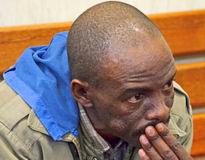
Bulelani Mabhayi
Serial killer Velaphi Ndlangamandla
Serial killer · South Africa · 1998
Velaphi Ndlangamandla, known as the “saloon killer”, was convicted in connectio…
19 victims
Velaphi Ndlangamandla
Serial killer · South Africa · 1998
Velaphi Ndlangamandla, known as the “saloon killer”, was convicted in connectio…
19 victims
 Jimmy Maketta
Serial killer · South Africa · 2005
Jimmy Maketta was born in 1964 or 1965. He was a South African rapist and seria…
16 victims
Jimmy Maketta
Serial killer · South Africa · 2005
Jimmy Maketta was born in 1964 or 1965. He was a South African rapist and seria…
16 victims
 Madumetsa Jack Mogale
Serial killer · South Africa · 2008
Madumetsa Jack Mogale (born 1968/9) was a South African serial killer dubbed th…
16 victims
Madumetsa Jack Mogale
Serial killer · South Africa · 2008
Madumetsa Jack Mogale (born 1968/9) was a South African serial killer dubbed th…
16 victims
 Thozamile Taki
Serial killer · South Africa · 2007
Thozamile Taki (born 1971), also known as the Sugarcane Killer, was a South Afr…
13 victims
Thozamile Taki
Serial killer · South Africa · 2007
Thozamile Taki (born 1971), also known as the Sugarcane Killer, was a South Afr…
13 victims
 Sipho Dube
Serial killer · South Africa · 2001
Sipho Dube was convicted of seven murders and three rapes and was sentenced to…
7 victims
Sipho Dube
Serial killer · South Africa · 2001
Sipho Dube was convicted of seven murders and three rapes and was sentenced to…
7 victims
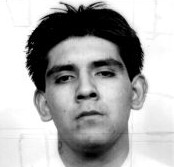 Domingo Cantu
Murderer · USA · 1988
Domingo Cantu was identified as the offender in a capital case involving the ra…
1 victim
Domingo Cantu
Murderer · USA · 1988
Domingo Cantu was identified as the offender in a capital case involving the ra…
1 victim
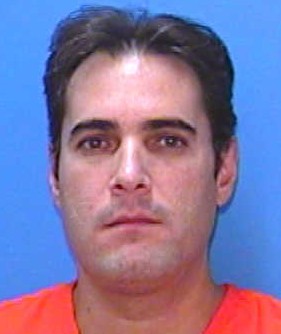 Samuel Jason Derrick
Murderer · USA · 1987
Name: Samuel Jason Derrick · Date of birth: 04/05/67 · Case number: 87-1775 · C…
1 victim
Samuel Jason Derrick
Murderer · USA · 1987
Name: Samuel Jason Derrick · Date of birth: 04/05/67 · Case number: 87-1775 · C…
1 victim
 Beltrán Cortés
Murderer · Costa Rica · 1934
21 November 1908 — Beltrán Dalay Cortés Carvajal was born. · 1 June 1928 — Dr.…
4 victims
Beltrán Cortés
Murderer · Costa Rica · 1934
21 November 1908 — Beltrán Dalay Cortés Carvajal was born. · 1 June 1928 — Dr.…
4 victims
 Ottis Toole
Serial killer · USA · 1961
Ottis Elwood Toole (sometimes misspelled as “Otis”) was an American serial kill…
65 victims
Ottis Toole
Serial killer · USA · 1961
Ottis Elwood Toole (sometimes misspelled as “Otis”) was an American serial kill…
65 victims
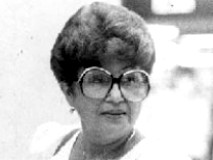 Lydia Echevarría
Murderer · USA · 1983
Lydia Echevarría (born October 14, 1931) was a Puerto Rican actress convicted o…
1 victim
Lydia Echevarría
Murderer · USA · 1983
Lydia Echevarría (born October 14, 1931) was a Puerto Rican actress convicted o…
1 victim
- Gender
- male
- Country
- South Africa
- Location
- Tholeni, Butterworth, Eastern Cape, South Africa
- Date of birth
- 1974
- Age at first offence
- 33
- Characteristics
- rape
- Victim profile
- Women and children
- Method of murder
- Stabbing with a bush knife - Beating with an axe
- Date(s) of murder
- 2007 - 2012
- Years active
- 2007–2012
- Date of arrest
- August 12, 2012
- Status
-
Life imprisonment
Sentenced to 25 life sentences on September 3, 2013; all sentences ran concurrently, amounting to 625 years.
Case record: Bulelani Mabhayi
Bulelani Mabhayi was a serial killer who terrorised the rural villagers of Tholeni in the Eastern Cape.
During his reign of terror between 2007 and 2012, he preyed on vulnerable women and children, and he raped and, in some cases, hacked to death his victims.
He was found guilty of killing women and children at Tholeni, Butterworth, and was found guilty on six rape charges and 10 housebreaking counts.
He was sentenced by Mthatha High Court Judge Noluthando Conjwa to 25 life sentences for 25 crimes committed between 2007 and 2012, and each of the sentences ran concurrently, amounting to 625 years.
Other details
Names, aliases, and nicknames
Bulelani Mabhayi was also referred to as Dlayedwa.
Trial communications and courtroom conduct
When sentencing was handed down, Mabhayi remained silent and avoided eye contact with the families and relatives of his victims sitting in the public gallery.
During proceedings, Mabhayi showed no emotion.
When Mabhayi pleaded guilty to the charges, he looked straight at the court interpreter as he spoke.
Mabhayi was described as meek and as mumbled throughout his testimony.
Modus operandi described by the judge and prosecution
Judge Noluthando Conjwa said Mabhayi’s “modus operandi involved stalking his targets, who were mostly vulnerable.”
Judge Conjwa said “It mattered not how young the victim was. No one was spared.”
Judge Conjwa said she reiterated the evidence that Mabhayi “went for homes where there were no menfolk”.
Judge Conjwa said the evidence reviewed at sentencing showed the severity of wounds inflicted by Mabhayi and that “The common trend that runs through these wounds show (the use of) violent force.”
Judge Conjwa said Mabhayi “would kill more than one victim in one house.”
Judge Conjwa said she could not begin to imagine what was going through the minds of his victims while he was killing others.
Judge Conjwa said Mabhayi attacked victims “in the sanctuary of their homes where they expect to be safe”.
Judge Conjwa said Mabhayi had also preyed on unsuspecting people he worked for, and she said: “He was well known and liked by people of that community.”
The judge said Mabhayi “took an unfair advantage of his knowledge of the homes he worked for.”
Evidence of wounds and postmortem results
During the judge’s delivery of sentence, she reviewed postmortem results revealing the severity of the wounds Mabhayi inflicted on his victims.
The judge said the common trend in the wounds showed violent force and that Mabhayi killed more than one victim in one house.
Stated remorse and explanation
Judge Conjwa said: “While (Mabhayi) has apologised, he hasn’t disclosed the details of his crimes.”
The judge also said: “To this day I remain in the dark as to what drove him to commit the crimes.”
Judge Conjwa said Mabhayi agreed that had he not been caught, he would have continued with his crimes.
During his sentencing, Judge Conjwa was quoted saying the judge believed the retribution would “hopefully restore the faith of the community in the justice system”.
Statements and quoted text from witnesses and officials
Judge Conjwa, sentencing remarks
Judge Noluthando Conjwa said:
“Mr Mabhayi, you are definitely not a person that society needs…”
Judge Noluthando Conjwa said:
“Between 2007 and 2012, the community of Tholeni lived in fear because there was a predator living among them. It’s not clear how (you were) able to escape capture for such a long time.”
Judge Noluthando Conjwa said:
“His modus operandi involved stalking his targets, who were mostly vulnerable. It mattered not how young the victim was. No one was spared,”
Judge Noluthando Conjwa said:
“The common trend that runs through these wounds show (the use of) violent force. He (Mabhayi) would kill more than one victim in one house. I can’t begin to imagine what was going through the minds of his victims while he was killing others.”
Judge Noluthando Conjwa said:
“If what the social worker said (is true), he doesn’t seem to realise the enormity of his actions. In fact, he agreed that had he not been caught, he would have continued with his crimes.”
Judge Noluthando Conjwa said:
“The deceased were attacked in the sanctuary of their homes where they expect to be safe…”
Judge Conjwa said the retribution would:
“hopefully restore the faith of the community in the justice system”.
Eastern Cape Social Development MEC Pemmy Majodina, celebratory remarks after sentence
Pemmy Majodina shouted:
“Twenty by 20! Phambili nge 20 life sentences phambili!”
Pemmy Majodina said:
“Today justice has been served, and we hope that the people of Tholeni will live in peace.”
Pemmy Majodina said:
“We have similar cases in Mthatha, King William’s Town and Mthatha. We hope this will serve as a deterrent to other (would-be) perpetrators.”
Noxolo Mxhunyelwa, response to sentencing
Noxolo Mxhunyelwa said:
“It won’t help the pain go away but at least I know that the killer is in jail.”
Noxolo Mxunyelwa said:
“She was everything to me and I was everything to her,”
Noxolo Mxunyelwa said:
“It is still very difficult living without my mother and son, but I’ll be okay.”
Captain Aaron Hanise, description of difficulty and arrest
Captain Aaron Hanise said:
“This was a very difficult case. People had no clue who was terrorising the community,”
Captain Aaron Hanise said:
“We called the psychologists’ office to help determine if we had a serial killer on our hands. They confirmed that,”
Captain Aaron Hanise said:
“It was a huge relief when he was arrested. I can gladly go on pension now,”
Traditional healer statements about iqungu
Mpumelelo Makuliwe said:
“When a person kills another person in January for example, he also kills in the same month the following year if he has not undergone a cleansing ceremony and that is because of iqungu,”
Mpumelelo Makuliwe said:
“According to Makuliwe, even if a person had killed another person “mercilessly or in defence”, iqungu will happen.”
Mpumelelo Makuliwe said:
“The sickness, which had been known for years in Xhosa custom, reverses only when the family has conducts a cleansing ceremony on the killer so that he does not repeat the deed.”
Mabhayi told the court during his trial:
“I did this because of the evil spirit and I regret doing that,”
Police spokesman Jackson Manatha, praise of guilty plea work
Captain Jackson Manatha said:
“I am still struggling to find the suitable word to describe how relieved we are as the South African Police Services that the accused pleaded guilty to all the charges levelled against him,”
People
Accused
Bulelani Mabhayi was the accused.
He was described as 39 at the time of some proceedings and also described as 38 during other reporting.
Victims and victim-related family members
Noxolo Mxunyelwa family
Nomandla Mxunyelwa was identified as Mabhayi’s victim, and Noxolo Mxunyelwa’s mother was described as being murdered. Noxolo Mxunyelwa said her three family members, including her mother, sister and one-year-old son, were allegedly hacked to death by Mabhayi. Noxolo Mxunyelwa’s one-year-old son was mentioned as being murdered.
Lukhanyo Mxunyelwa was identified as being aged 13. Mabhayi was alleged to have raped and murdered Lukhanyo Mxunyelwa. Noxolo Mxunyelwa burst into tears when charges were read out describing how her family was killed.
Noxolo Mxhunyelwa family
Noxolo Mxhunyelwa’s loved ones were murdered. Mabhayi killed her mother and her 13-year-old sister after raping them. Mabhayi then turned on her 15-month-old son and hacked him to death. Noxolo Mxhunyelwa’s 12-year-old brother survived the attack but was left brain damaged.
Other named victims and dates given for killings
No-Finish Mayekiso was identified as Mabhayi’s first victim. Siphuxolo Nogaya was identified as the young daughter of Nokhwezi Nogaya. Ncediswa Mafika, Zintle Mafika, and Lazola Mafika (child) were identified as murdered in January 2008. Nokhwezi Nogaya and her young daughter, Siphuxolo Nogaya, were identified as murdered in January 2009. Nophumzile Lubambo was identified as murdered on August 11 (year as written in the reporting). Sinazo Mbeki and her two grandchildren were mentioned as killed in June 2010. Nomandla Mxunyelwa, Liyema Mxhunyelwa (1) and Lukhanyo Mxhunyelwa (13) were mentioned as murdered in May 2012. Nophumzile Florence Lubambo was also mentioned as murdered, with Mabhayi allegedly leaving his shoe at the crime scene. In May 2007, Mabhayi killed No-Finish Mayekiso. In May last year, he killed Nomandla Mxunyelwa, Lukhanyo Mxunyelwa and Liyema Mxunyelwa. In January 2008, he murdered Ncediswa Mafika, Zintle Mafika, and Lazola Mafika (child). In January 2009, he killed Nokhwezi Nogaya and her young daughter, Siphuxolo Nogaya. In May 2012, Mabhayi murdered Nomandla Mxhunyelwa, Liyema, 1, and Lukhanyo Mxhunyelwa, 13. An elderly Tholeni woman was identified as hacked to death the night before Mabhayi’s Sunday arrest in August 2012 reporting.
Investigators, prosecutors, defence, and court officials
Captain Aaron Hanise led the investigation as described. He said he was “tasked with tracking the perpetrator” behind murders. Advocate Simphiwe Soga appeared as Mabhayi’s legal counsel and made mitigation arguments after guilty pleas. Judge Noluthando Conjwa presided over sentencing. Advocate Ndoyisile Lamla appeared as a state prosecutor in sentencing arguments and in aggravation arguments. Luxolo Tyali was described as the National Prosecuting Authority regional spokesperson. Nick du Toit was described as Mabhayi’s Legal Aid SA attorney. Justice Minister Jeff Radebe spoke at an imbizo in Tholeni on Friday in one report. Andries Nel was described as Radebe’s deputy minister. Pemmy Majodina was Eastern Cape MEC for social development. Nomfundiso Mpontshane was a community activist and gave evidence on residents’ fear and refuge arrangements. Theron Mxunyelwa was named as a person who described family members being hacked to death. Nowinile Mayekiso was identified as a resident who spoke to a newspaper. Sithandiwe Velaphi was named in another report as a person whose article title referenced traditional healers; Mpumelelo Makuliwe was identified as an Eastern Cape traditional affairs researcher.
Other persons mentioned
Siyabonga was identified as Mabhayi’s brother, described as the late Siyabonga.
Mabhayi’s father died when he was 12, and his mother died a year later, as described in sentencing mitigation submissions.
Timeline
- May 2007 — Mabhayi killed No-Finish Mayekiso.
- January 2008 — Mabhayi murdered Ncediswa Mafika, Zintle Mafika, and Lazola Mafika (child).
- January 2009 — Mabhayi killed Nokhwezi Nogaya and her young daughter, Siphuxolo Nogaya.
- June 2010 — Sinazo Mbeki and her two grandchildren were murdered.
- May 17, 2010 — Operation Good Hope’s first move involved an early-morning blitz in which hundreds of males over the age of 16 were rounded up, including Mabhayi; DNA samples and fingerprints were taken.
- August 11 — Mabhayi murdered Nophumzile Florence Lubambo and accidentally left his shoe at the crime scene.
- August 12, 2012 — Mabhayi was in custody since his arrest (as written in psychiatric assessment reporting).
- August 2012 — Police pounced on Mabhayi while he “took a nap” at a house in Tholeni, and his murder spree ended.
- August 15, 2012 — Mabhayi was arrested after an elderly woman was found hacked to death the night before.
- January 30, 2013 — Mabhayi was referred by the Mthatha High Court to Fort England Psychiatric Hospital for mental assessment.
- August 26, 2013 — Mabhayi appeared to go on trial in Butterworth Magistrate’s Court proceedings as described.
- August 27, 2013 — Day one of the trial involved confidential talks with his attorney as described.
- August 28, 2013 — Mabhayi pleaded guilty to all charges as described; arguments in mitigation of sentencing were to be heard.
- August 29, 2013 — Mabhayi had pleaded guilty on Tuesday and said he apologised and was sorry, as described; sentencing mitigation and aggravation continued in reporting.
- August 30, 2013 — Mabhayi’s guilty plea was described as showing remorse; mitigation arguments and aggravation submissions were reported.
- September 3, 2013 — Judge Noluthando Conjwa sentenced Mabhayi to 25 life sentences.
- September 4, 2013 — Reports described sentencing and the arrest story.
Background
Tholeni village became known as the “village of death” as a result of attacks.
The village lay along the N2 freeway, about 15km from Butterworth, and it was described as a small village with livestock and odd jobs.
Nomfundiso Mpontshane described abandoned and dilapidated buildings interspersed with brightly painted houses.
The deserted houses belonged to victims or their relatives, described as an “eerie reminder” of Mabhayi’s trail of destruction.
Traditional healers in the province said Mabhayi suffered from a spiritual sickness called iqungu, which happens after a person kills another person and has not spiritually undergone traditional cleansing.
Eastern Cape’s prominent traditional affairs researcher Mpumelelo Makuliwe described iqungu as reversing only when the family conducts a cleansing ceremony on the killer so that he does not repeat the deed.
The offence
Charges described
Mabhayi faced murder charges, rape charges, and housebreaking counts as described in multiple reports.
In one report, he pleaded guilty to 20 charges of murder, six counts of rape, and 10 counts of housebreaking, with one count of rape withdrawn by the prosecution in a special hearing week.
In another report, Mabhayi was found guilty of killing 20 women and children at Tholeni, and found guilty on six rape charges and 10 housebreaking counts.
In another report, Mabhayi was charged with 37 charges, of which 23 were counts of murder.
In other reporting, he was charged with 23 counts of murder, eight counts of housebreaking and five of rape.
In sentencing reporting, Judge Conjwa sentenced him to 25 life sentences for 25 crimes committed between 2007 and 2012.
Methods and patterns described
Mabhayi used a bush knife and an axe to kill as described in one report.
The court heard he allegedly used an axe and bush knife to torment and kill his victims, and that he broke into their houses where he would rape and murder the women.
In Mabhayi’s guilty plea statement as reported, he broke into people’s homes armed with an axe or panga.
In most cases, after breaking in, Mabhayi attempted to rape the women and girls in the house and then killed everyone by chopping them to death with the axe or panga.
Judge Conjwa said he went for homes where there were no menfolk.
Investigation
Captain Aaron Hanise was tasked with tracking the perpetrator behind murders believed to be linked.
In June 2010, after the murder of Sinazo Mbeki and her two grandchildren, the three killings brought to eight the tally of murders believed to have been committed by the same perpetrator.
Authorities admitted they were looking for a serial killer.
Hanise and detectives initially put up a R250 000 reward for an arrest leading to a conviction, but nobody came forward with helpful information.
The police called the psychologists’ office to help determine if they had a serial killer, and they confirmed that.
DNA samples were collected from some village residents with previous rape convictions in the hope of finding a link, but the effort came to naught.
The case stalled and provincial police management initiated Operation Good Hope, drawing on police from various units including the organised crime unit, the dog unit and forensic divisions.
Operation Good Hope’s first move was on May 17, 2010, when hundreds of males over the age of 16 were rounded up in an early-morning blitz; they were taken to a local church for DNA samples and fingerprints.
Mabhayi was among those rounded up, but his fingerprints could not be lifted because he did not have an ID document.
The breakthrough came as a result of Mabhayi’s indiscretion rather than good detective work, when on August 11 he murdered Nophumzile Florence Lubambo and left his shoe at the crime scene.
Police were looking for another person, identified as Mabhayi’s brother, the late Siyabonga; they got him because of the shoe found at the crime scene and it matched the one he was wearing.
The saliva drawn from Mabhayi during Operation Good Hope proved indispensable, and DNA test results linked him to the string of murders.
Hanise described arrest as a huge relief.
Arrest
Mabhayi was arrested in August 2012 after police pounced on him while he “took a nap” at a house in Tholeni near Butterworth.
In August 2012 reporting, he was arrested on Sunday after an elderly woman was found hacked to death the night before in the Eastern Cape village of Tholeni.
Police took Mabhayi to the village where he pointed out the homes of his suspected victims, and the whole village tailed police as he pointed out one house after the other.
Trial
Plea proceedings
Mabhayi pleaded guilty to all charges.
He pleaded guilty to all 36 charges levelled against him in one report, including rape and murder.
In the charge reading, Mabhayi answered “ndinetyala” (I am guilty) to each charge and he showed no emotion.
One count of rape was withdrawn by the prosecution during the special hearing week.
Mabhayi’s defence read a statement in which he detailed how he committed his crimes.
Social workers came to assist women and children due to fear and trauma.
The judge indicated Mabhayi faced a minimum of life in jail on each count “in the event of your conviction”.
Mitigation and aggravation
In mitigation, advocate Simphiwe Soga argued the guilty plea showed remorse and submitted that Mabhayi’s father died when he was 12 and his mother a year later; Soga also submitted that Mabhayi had prospects of him being rehabilitated and that he was a known dagga smoker, having smoked dagga since his teens.
Soga submitted that sentences for crimes committed on the same day should run concurrently.
In aggravation, advocate Ndoyisile Lamla argued offences were premeditated and executed with precision, and that victims were attacked at their homes at night and were defenceless.
Lamla argued some victims were people for whom Mabhayi used to do odd jobs as a builder, and that he targeted homes where there were no men.
Lamla argued his youngest victim was six years old and his oldest victim was 79.
Lamla recommended life behind bars for each count of rape and murder, described as 26 charges in total, and recommended a minimum “no parole” period of 45 years.
Sentencing
On September 3, 2013, Judge Noluthando Conjwa sentenced Mabhayi to 25 life sentences for 25 crimes committed between 2007 and 2012.
Each of the sentences ran concurrently, amounting to 625 years.
Judge Conjwa said society did not need him and that between 2007 and 2012 the community of Tholeni lived in fear because there was a predator living among them.
Judge Conjwa stated that it was not clear how Mabhayi was able to escape capture for such a long time.
Judge Conjwa said he had apologised but had not disclosed the details of his crimes, and she said she remained in the dark about what drove him.
Judge Conjwa said the wounds showed violent force and that he killed more than one victim in one house.
Judge Conjwa said Mabhayi attacked victims in the sanctuary of their homes where they expected to be safe, and that he took an unfair advantage of knowledge of homes he worked for.
Judge Conjwa said the retribution would “hopefully restore the faith of the community in the justice system”.
After the sentence, Pemmy Majodina celebrated with chants calling for 20 life sentences, and she said justice had been served and that it would serve as a deterrent.
Outcome
Mabhayi received 25 concurrent life sentences on September 3, 2013 for 25 crimes committed between 2007 and 2012, amounting to 625 years.
Residents of Tholeni said they continued to live in fear despite the sentencing in some reports.
Some community members celebrated and some spoke to the court proceedings and sentencing remarks as part of their response to the verdict and sentence.
Spotted an error, or have more information about this case?