Robert Carl Hohenberger
Serial killer?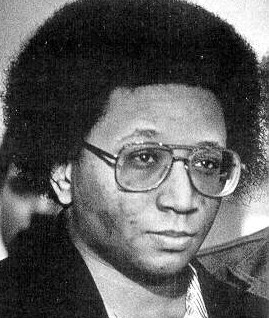 Wayne Williams
Serial killer? · USA · 1979
Wayne Bertram Williams was sentenced to two consecutive terms of life imprisonm…
24 victims
Wayne Williams
Serial killer? · USA · 1979
Wayne Bertram Williams was sentenced to two consecutive terms of life imprisonm…
24 victims
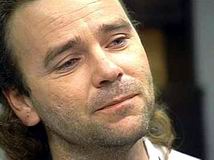 Tommy Lynn Sells
Serial killer? · USA · 1980
Tommy Lynn Sells was a white male. He was 35 at the time of the offence and 36…
13 victims
Tommy Lynn Sells
Serial killer? · USA · 1980
Tommy Lynn Sells was a white male. He was 35 at the time of the offence and 36…
13 victims
 Jerry Frank Townsend
Serial killer? · USA · 1973
Jerry Frank Townsend was sentenced to seven concurrent life sentences in 1980.…
6 victims
Jerry Frank Townsend
Serial killer? · USA · 1973
Jerry Frank Townsend was sentenced to seven concurrent life sentences in 1980.…
6 victims
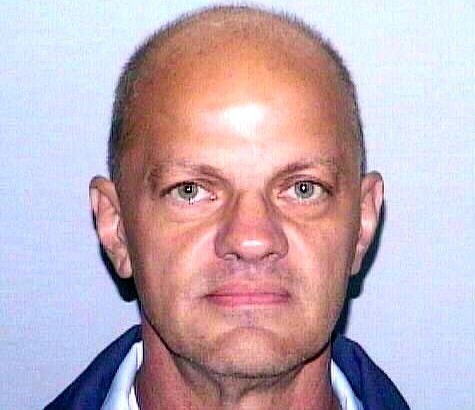 Major Morris
Serial killer? · USA · 1972
Major Morris was a male with the motive listed as sex. He was described as a “l…
6 victims
Major Morris
Serial killer? · USA · 1972
Major Morris was a male with the motive listed as sex. He was described as a “l…
6 victims
 Warren Leslie Forrest
Serial killer? · USA · 1974
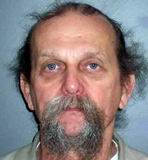
Warren Leslie Forrest was described as 25 years old, 5’9” tall, 155 lbs, with l…
6 victims
Warren Leslie Forrest
Serial killer? · USA · 1974
Warren Leslie Forrest was described as 25 years old, 5’9” tall, 155 lbs, with l…
6 victims
 Erno Soto
Serial killer? · USA · 1972
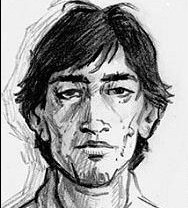
Erno Soto was found incompetent for trial and was committed to a mental institu…
4 victims
Erno Soto
Serial killer? · USA · 1972
Erno Soto was found incompetent for trial and was committed to a mental institu…
4 victims
 Steen Christensen
Murderer · Finland · 1997
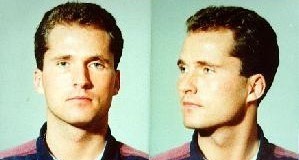
Steen Viktor Christensen (born 1964) was a Danish criminal. He was sentenced in…
2 victims
Steen Christensen
Murderer · Finland · 1997
Steen Viktor Christensen (born 1964) was a Danish criminal. He was sentenced in…
2 victims
 Louis Hastings
Spree killer · USA · 1983
Louis Hastings was a 39-year-old unemployed computer programmer during the shoo…
6 victims
Louis Hastings
Spree killer · USA · 1983
Louis Hastings was a 39-year-old unemployed computer programmer during the shoo…
6 victims
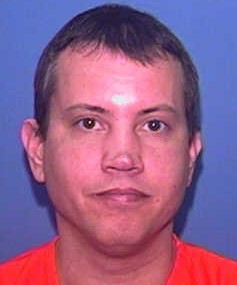 Thomas Wyatt
Murderer · USA · 1988
Thomas Anthony Wyatt, born 01/06/64, was sentenced to death on February 22, 199…
4 victims
Thomas Wyatt
Murderer · USA · 1988
Thomas Anthony Wyatt, born 01/06/64, was sentenced to death on February 22, 199…
4 victims
 John Richard Baltazar
Murderer · USA · 1997
John Richard Baltazar was executed in Texas. · September 27, 1997 — John Baltaz…
1 victim
John Richard Baltazar
Murderer · USA · 1997
John Richard Baltazar was executed in Texas. · September 27, 1997 — John Baltaz…
1 victim
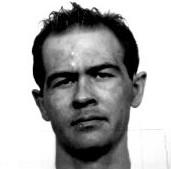 Noble Mays
Murderer · USA · 1979
Noble Mays had been convicted once for burglary and once for assault, which was…
1 victim
Noble Mays
Murderer · USA · 1979
Noble Mays had been convicted once for burglary and once for assault, which was…
1 victim
- Gender
- male
- Country
- USA
- Location
- California /Lo uisiana, USA
- Date of birth
- 1943
- Age at first offence
- 35
- Characteristics
- rape, fugitive, history of mental illness
- Victim profile
- Teenage gir l s
- Method of murder
- Strangulation
- Date(s) of murder
- 1978
- Years active
- 1978
- Date of arrest
- —
- Status
-
Died in custody
Committed suicide when officers attempted to arrest him in June 1978
Name and background
Robert Carl Hohenberger was a former California sheriff’s deputy and an ex-convict.
Hohenberger was a drifter after his release from prison and found temporary employment around Morgan City.
Investigators theorized that Hohenberger had served as a sheriff’s deputy in California before fleeing a rape charge there.
FBI agents described sex as the motive for slayings committed by Hohenberger.
The offence
Hohenberger was linked with the abduction, rape and murder of five Morgan City, Louisiana teenagers over a three-month period of 1978.
Two victims were discovered on May 25. Their bodies were secured to weights and dumped in a septic tank.
A third victim was found two days later. The three reportedly were strangled after sex.
Still missing at the time of Hohenberger’s identification were:
- Bertha Gould, 14 years old, who vanished from a high school fair on May 11
- Leah Rodermund, 16 years old, who was lost on a trip to the neighborhood drugstore
As an afterthought to the case, city councilmen passed an ordinance requiring all transients to register and have their fingerprints taken by police, in an effort to "discourage the criminal element from coming down here and looking for a job."
Investigation
Investigators theorized that Hohenberger used his badge to induce his victims to accompany him.
Profilers from the FBI helped local investigators in that case.
The break police needed came from Hohenberger’s penchant for public abductions. Several men reportedly saw Hohenberger’s last two victims, 14-year-old Martha Gould and 15-year-old Judy Adams, talking with a strange man and followed him.
Duval Arthur said:
"Everybody was pretty much afraid to go out in the evenings."
Arrest and death
Hohenberger fled to Washington state after a killing spree in spring 1978.
Doug Rodermund said:
"We didn't want him to die. We had a lot of unanswered questions"
When officers tried to arrest Hohenberger in Tacoma, Washington, he struggled with one of them and his gun “went off,” killing him.
Hohenberger died before investigators could gather additional information about his crimes.
Victims and outcomes
The body of 16-year-old Leah Rodermund was never found.
Rodermund disappeared in March of 1978 while on her way to a drugstore in Morgan City.
Michael Newton wrote about Robert Karl Hohenberger’s victims:
"No one ever learned for certain what made Robert Karl Hohenberger kill."
Mary Leah Rodermund disappeared on her way to a Morgan City drugstore in early March. Her captor called her parents demanding money and let her tell them she was all right. The Rodermunds never saw Mary Leah again.
Duval Arthur said:
"He had been a policeman. He knew what it took to get control of someone"
Duval Arthur also said:
"It was always in public."
Duval Arthur said:
"It was always on Thursday evenings, just after dark."
Other details
Hohenberger’s obsession with kidnapping and victimization was described as beginning long before he arrived in Morgan City. He had kidnapped and raped at least four people in California and escaped prison before fleeing the state.
A quotation from Doug Rodermund included uncertainty about what happened to Leah:
"Like what he did with my sister."
Hohenberger took his victims from public places like shopping centers, convenience stores and Morgan City streets.
Investigators believed that Hohenberger may have used his badge to allow him to capture his victims.
California authorities believed Hohenberger left victims in the wake of a prison escape there and were fairly certain that he was the perpetrator of numerous violent attacks in California prior to traveling to Louisiana.
The families of Hohenberger’s victims were described as never learning what drove him to the violent killings that left South Louisiana in utter shock in 1978.
Hohenberger was described as torturing his victims before taking their lives.
He disposed of their bodies in ways including in a septic tank.

Spotted an error, or have more information about this case?