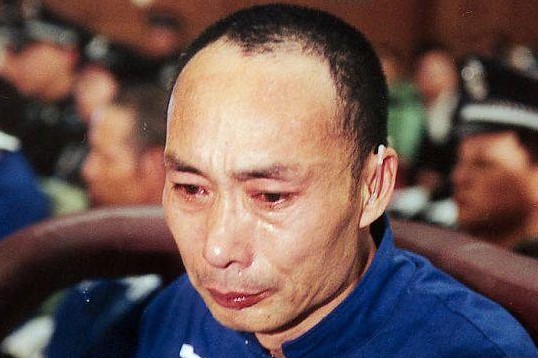
Jin Ruchao
Mass murderer Zhang Pilin
Mass murderer · China · 2002
Zhang Pilin (张丕林) died in the plane crash of China Northern Airlines Flight 613…
111 victims
Zhang Pilin
Mass murderer · China · 2002
Zhang Pilin (张丕林) died in the plane crash of China Northern Airlines Flight 613…
111 victims
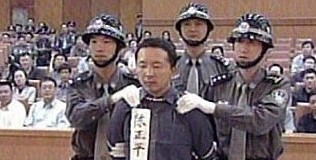 Cheng Zhengping
Mass murderer · China · 2002
Cheng Zhengping was executed on October 13, 2002. Cheng Zhengping confessed to…
42 victims
Cheng Zhengping
Mass murderer · China · 2002
Cheng Zhengping was executed on October 13, 2002. Cheng Zhengping confessed to…
42 victims
 Zhang Yunliang
Mass murderer · China · 2009
Zhang Yunliang Zhang Yunliang died in the fire on 5 June 2009. The Chengdu bus…
26 victims
Zhang Yunliang
Mass murderer · China · 2009
Zhang Yunliang Zhang Yunliang died in the fire on 5 June 2009. The Chengdu bus…
26 victims
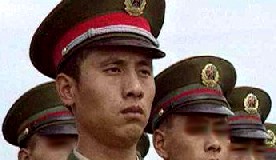 Tian Mingjian
Mass murderer · China · 1994
Tian Mingjian (Chinese: 田明建) was an Army officer with the rank of First Lieuten…
23 victims
Tian Mingjian
Mass murderer · China · 1994
Tian Mingjian (Chinese: 田明建) was an Army officer with the rank of First Lieuten…
23 victims
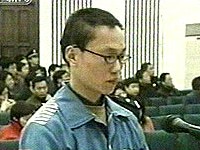 Chen Fuzhao
Mass murderer · China · 2003
Chen Fuzhao was a 29-year-old Falun Gong practitioner. He was described as an a…
16 victims
Chen Fuzhao
Mass murderer · China · 2003
Chen Fuzhao was a 29-year-old Falun Gong practitioner. He was described as an a…
16 victims
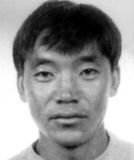 Guo Zhongmin
Mass murderer · China · 2003
Guo Zhongmin was a Chinese mass murderer. He killed 13 people in Yangxiaoxiang,…
13 victims
Guo Zhongmin
Mass murderer · China · 2003
Guo Zhongmin was a Chinese mass murderer. He killed 13 people in Yangxiaoxiang,…
13 victims
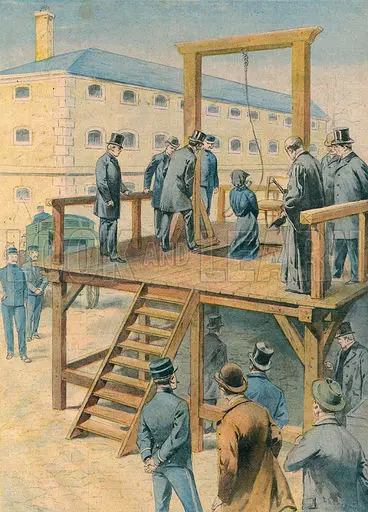 Mary Mabel Rogers
Murderer · USA · 1902
Mary Mabel Rogers (1883 – December 8, 1905) was the last woman legally executed…
1 victim
Mary Mabel Rogers
Murderer · USA · 1902
Mary Mabel Rogers (1883 – December 8, 1905) was the last woman legally executed…
1 victim
 Nicholas Ingram
Murderer · USA · 1983
Nicholas Lee Ingram was convicted of the June 3, 1983 malice murder of J.C. Saw…
1 victim
Nicholas Ingram
Murderer · USA · 1983
Nicholas Lee Ingram was convicted of the June 3, 1983 malice murder of J.C. Saw…
1 victim
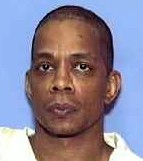 Anthony Bartee
Murderer · USA · 1996
Anthony Bartee (TDCJ Number: 999282) Bartee was born on 08/57. He was received…
1 victim
Anthony Bartee
Murderer · USA · 1996
Anthony Bartee (TDCJ Number: 999282) Bartee was born on 08/57. He was received…
1 victim
 Shajia Ayobi
Murderer · USA · 2011
Shajia Ayobi was married to Ghulam Ayobi in an arranged marriage in 1993. She s…
1 victim
Shajia Ayobi
Murderer · USA · 2011
Shajia Ayobi was married to Ghulam Ayobi in an arranged marriage in 1993. She s…
1 victim
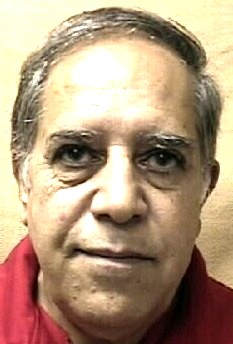 Elias Syriani
Murderer · USA · 1990
Elias Hanna Syriani was convicted of first-degree murder of his wife, Teresa Yo…
1 victim
Elias Syriani
Murderer · USA · 1990
Elias Hanna Syriani was convicted of first-degree murder of his wife, Teresa Yo…
1 victim
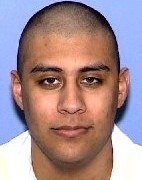 Moises Sandoval Mendoza
Murderer · USA · 2004
Moises Sandoval Mendoza was convicted of capital murder for the death of Rachel…
1 victim
Moises Sandoval Mendoza
Murderer · USA · 2004
Moises Sandoval Mendoza was convicted of capital murder for the death of Rachel…
1 victim
- Gender
- male
- Country
- China
- Location
- Shijiazhuang, Yunnan, China
- Date of birth
- 1959
- Age at first offence
- 42
- Characteristics
- revenge, rape
- Victim profile
- Men, women and children
- Method of murder
- Four home-made bombs
- Date(s) of murder
- March 16, 2001
- Years active
- 2001
- Date of arrest
- 7 days after
- Status
-
Executed
Executed by shot in the head on June 17, 2001
Case overview
Jin Ruchao was blamed and arrested for planning and carrying out the Shijiazhuang bombings. A series of bomb blasts rocked the city of Shijiazhuang, China, on March 16, 2001. A total of 108 people were killed and 38 others injured when, within about an hour, several bombs exploded near four apartment buildings.
Timeline
- March 9, 2001 — Jin Ruchao killed his girlfriend, Wei Zhihua, in Yunnan province.
- March 15, 2001 — Jin Ruchao rented a red motorcycle to transfer explosives to several dormitory buildings in Shijiazhuang.
- March 16, 2001 — Bomb blasts occurred in Shijiazhuang, with the explosions striking within about one hour; most deaths occurred at the Number Three Cotton Mill.
- March 16, 2001 — The Ministry of Public Security notice offered a reward of 100,000 yuan; police were still hunting the person or persons responsible.
- March 18, 2001 — Preliminary investigations by the public security department found the explosions were criminal acts; explosion sites were cleared up and further investigation continued.
- March 20, 2001 — Police issued information stating Jin Ruchao was suspected of setting off the blasts; a notice offered double rewards compared with an earlier figure.
- March 23, 2001 — Jin Ruchao was caught alive in Beihai, a port city in south China.
- March 27, 2001 — Jin Ruchao confessed in a detailed confession published by People’s Daily.
- April 19, 2001 — Jin Ruchao’s appeal was rejected by the Higher People’s Court of Hebei province; Xinhua said his execution was expected after the rejection of his appeal.
- June 17, 2001 — Jin Ruchao was executed by being shot in the head.
Background
Jin Ruchao, 41, had been described as a former cotton mill worker and a deaf man. He had a history of mental illness is not mentioned in the provided material, but his disability was referenced in multiple places. He was also described as previously convicted of rape and having been sentenced to 10 years in jail in 1988 for rape.
The bombings were linked to his personal reasons of revenge. Jin stated that he acted alone and was trying to take revenge against relatives, his ex-wife and others with whom he had feuded. His stepmother, ex-wife and her parents lived in the targeted buildings. Jin also lived in one of the buildings and had a long-running property dispute with neighbors. The targeted dormitory buildings and apartments were connected to his family, relatives and ex-wife.
A description of Jin’s prior relationship included that police found Jin had cohabited for three months with Wei Zhihua from Southwest China’s Yunnan province, and that Wei left Jin after taking away 600 yuan from him. Jin later borrowed 1,000 yuan from his sister to cover traveling to Yunnan as he wanted to take revenge on Wei Zhihua. Jin killed Wei on March 9, 2001 and fled.
Jin had been associated with making or being interested in bombs. His sister, Jin Lixiang, said he had always liked making dynamite and collecting books on how to make dynamite. The material also said he collected bomb-making chemistry books and made explosives at home in 1988, and police said he was partially deaf and had difficulty communicating.
The offence
On March 16, 2001, several bombs exploded near four apartment buildings in Shijiazhuang. The explosions occurred within about an hour. A large portion of the deaths occurred at the city’s Number Three Cotton Mill, where a five-story building housing 48 families was reduced to rubble. The other three buildings suffered less damage.
Police disclosed and state media described that Jin blew up the buildings because of his hatred towards his neighbor, his stepmother, his ex-wife and his sister. Prosecutors told the court that Jin blew up the buildings because of hatred towards specific people, including his neighbor, his stepmother, his ex-wife and his sister.
Investigation and manhunt
Following the blasts, police launched a nationwide manhunt for Jin Ruchao and pursued him across provinces. A manhunt followed just a few hours after the explosions. Police in Guangxi were informed of Jin’s whereabouts and captured him at 8:20 a.m. on March 23 in Beihai.
The material described that police found Jin’s ID card of Wei Zhihua, a divorce certificate and some dynamite in Jin’s bag after he was captured. It also stated that Jin confessed to police about buying explosives and smuggling them to Shijiazhuang after he killed Wei Zhihua and about planning and carrying out the explosions. The People’s Daily report included that photographs of Jin’s arrest and interrogation were published, along with his divorce papers and his sister’s report to police.
Concerning explosive procurement and movement, the material described that Jin bought explosives from Wang Yushun, who ran an illegal explosives workshop at a village near Shijiazhuang. It described that Wang made explosives from ammonium nitrate, put them in a dozen yellow plastic bags marked as “chicken feed”, and charged Jin 950 yuan. It also stated that Jin bought fuses and detonators from a miner last year and hid them under a pipe at a factory outside the city. It further stated that Jin over several trips rented a broken motorcycle, a van, and a tricycle to transport the explosives to another village just outside Shijianzhuang, and that he lied to people that he was carrying stock feed. It added that he rented a red motorcycle to transfer explosives to several dormitory buildings in the city on March 15.
The confession described by People’s Daily included operational details. The material said:
“After busily doing all these, Jin Ruchao hid himself in a heat pipe at a power plant and went for a sleep,” the paper described.
It also described that Jin got up at 2 am and called a taxi to a railway station where he hired a strong-built tricycle driver to transfer bags of “chicken feed”. Jin then placed the bags by himself in stairways and next to walls of the dormitory buildings. It described timing and taxis between blasts, including approximately 4:16 am and 4:30 am, and it stated that the next two blasts went off with a 15-minute gap between them.
A police notice issued by the city’s Public Security Bureau offered a reward of 100,000 yuan. The material said double the figure was offered compared with an earlier figure from the Ministry of Public Security and that no valuable clues had been reported through the bureau’s hotline at the time.
The explosions were described as criminal acts after preliminary investigations, and governments mobilized armed police and officers and men of the Chinese People’s Liberation Army for rescue work. Doctors from local hospitals and PLA unit hospitals, along with experts from Beijing, provided services.
Arrest
The material stated that Jin Ruchao was arrested a week after the bombings. It also stated that Jin Ruchao was caught alive on March 23 in Beihai, and described police capturing him at 8:20 a.m. after a manhunt. It also stated that Jin was then under further interrogation.
Trial
Jin Ruchao and three others faced trial in China charged with bombings that killed 108 people and could face a death sentence if convicted. The trial began at the Intermediate People’s Court of Shijiazhuang.
The material stated that Jin admitted setting off the explosions on March 16 that destroyed or damaged four apartment blocks. It also stated that he “confess openly” that he single-handedly planted four home-made bombs in workers’ dormitories.
The High-level narrative around the trial included that Jin’s trial was rapid and much publicised, and it stated that the court was packed with relatives of victims. It also stated that prosecutors told the court that Jin blew up the buildings “because of his hatred towards his neighbour, his stepmother, his ex-wife and his sister”.
The three other defendants were described as convicted/sentenced (in one account) for supplying Jin with illegal explosives and detonators used in the blasts. It stated that Wang Yushun and Hao Fengqin were convicted of selling Jin ammonia nitrate, and that Hu Xiaohong was accused of selling Jin 50 detonators and 20 paper fuses.
A local official at the Intermediate People’s Court of Shijiazhuang gave only the surname Liu when discussing the trial. It was stated that all four men faced possible death sentence if convicted.
Sentencing
After pleading guilty, Jin Ruchao was sentenced to death and executed. The material also described that the Higher People’s Court of Hebei province rejected Jin’s appeal.
Xinhua said that the executions took place in Shijiazhuang on Sunday after the appeal rejections. In addition to Jin, two other men, Wang Yushun and Hao Fengqin, were put to death after their appeals were turned down. The material also stated that a fourth man accused of selling Jin 50 detonators and 20 fuses was set to be executed, but the court suspended the ruling for two years; his sentence could be commuted to life in jail for good behavior.
A separate account described that the Shijiazhuang Intermediate People’s Court passed death sentences on Wang Yushun and Hao Fengqin, who were convicted for selling Jin 1,330 lb of dynamite from their illegal fireworks factory and helping him with a test explosion. It also said the court passed a death sentence on Hu Xiaohong, a labourer from Shijiazhuang who sold Jin detonators and paper fuses worth less than £3.
Outcome
Jin Ruchao was executed by shot in the head on June 17, 2001. His execution occurred after the Higher People’s Court of Hebei province rejected his appeal. Two other people executed for bombings were Wang Yushun and Hao Fengqin, whose appeals were also turned down. The material also stated that a fourth man’s execution was suspended for two years and could be commuted to life in jail for good behavior.
Aftermath
The material described the governments’ immediate response to the blasts and rescue efforts. It stated that the central, provincial and local governments showed great concern and mobilized armed police and PLA men for rescue work. Doctors and experts worked at local hospitals and PLA hospitals stationed in Shijiazhuang, with additional experts from Beijing.
It stated that relevant departments offered sympathy to families and relatives and made proper arrangements for their daily lives. It also stated that the Shijiazhuang municipal government put aside a special fund to cover medical expenses and funeral costs for those killed.
The material described assistance to victims and their families. It stated that each victim’s family received a temporary “living allowance” of 5,000 yuan from the factory. It said the Changshan Group, which owned the mill, offered hostel accommodation to those on night shift as the explosions took place and lost their homes. It also said relatives of victims from outside the city were accommodated and given food.
Factory officials held a meeting with victims’ relatives to discuss compensation, while details were not released in the provided material. It also stated that the blast scene was still being cleared up to calculate the cost of damage, and that Yucai Street, where the No 16 building was located, was still cordoned off by police.
The material also discussed skepticism in Shijiazhuang about how Jin could have masterminded the blasts skillfully, given that he only communicated with a pen and paper, and it included rumors that laid-off workers may be responsible. It also said some residents suspected the blasts were linked to feuding gangsters or corrupt officials.
Other details
The material stated that following the bombings, Beijing announced a crackdown on explosive sales. It also described that police had said Jin was wanted by the Ministry of Public Security for “especially serious crimes.”
The material described that Jin hired several motor tricycles to carry explosives packed in sacks marked “chicken feed” to the building in which he lived and the three apartment blocks in which his targets lived. It also described that Jin triggered each bomb by himself, dashing from blast to blast by taxi.
It additionally stated that Jin was believed to have been responsible for a separate manslaughter case in Maguan County of southwest China’s Yunnan Province, and that Jin confessed to police about that.
The material said police described that Jin acted alone and that investigators could not confirm alternative explanations. It also discussed that illegal explosives were relatively easy to buy in China and that bomb blasts linked to feuds, labour protests and gang rivalries were increasingly common.
Spotted an error, or have more information about this case?