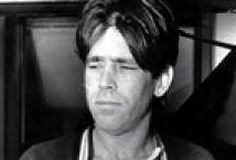
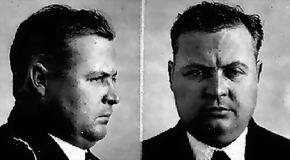
George Stephenson
Mass murderer Thomas Hamilton
Mass murderer · United Kingdom · 1996
Thomas Hamilton committed suicide by shooting himself on 13 March 1996. · 13 Ma…
17 victims
Thomas Hamilton
Mass murderer · United Kingdom · 1996
Thomas Hamilton committed suicide by shooting himself on 13 March 1996. · 13 Ma…
17 victims
 Jeremy Bamber
Mass murderer · United Kingdom · 1985
Jeremy Bamber was jailed for life in 1986 for killing five members of his adopt…
5 victims
Jeremy Bamber
Mass murderer · United Kingdom · 1985
Jeremy Bamber was jailed for life in 1986 for killing five members of his adopt…
5 victims
 Anthony Arkwright
Mass murderer · United Kingdom · 1988
Anthony Arkwright lived in children’s home and local authority care from a youn…
4 victims
Anthony Arkwright
Mass murderer · United Kingdom · 1988
Anthony Arkwright lived in children’s home and local authority care from a youn…
4 victims
 Derrick Bird
Mass murderer · United Kingdom · 2010
Derrick Bird committed a killing spree on 2 June 2010 in the county of Cumbria,…
12 victims
Derrick Bird
Mass murderer · United Kingdom · 2010
Derrick Bird committed a killing spree on 2 June 2010 in the county of Cumbria,…
12 victims
 Michael Carneal
Homicide · USA · 1997
Michael Carneal, aged 14, opened fire at Heath High School in West Paducah, Ken…
3 victims
Michael Carneal
Homicide · USA · 1997
Michael Carneal, aged 14, opened fire at Heath High School in West Paducah, Ken…
3 victims
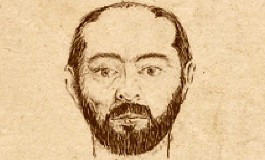 Manuel Blanco Romasanta
Murderer · Spain · 1845
Manuel Blanco Romasanta (18 November 1809 — 14 December 1863) was Spain’s first…
9 victims
Manuel Blanco Romasanta
Murderer · Spain · 1845
Manuel Blanco Romasanta (18 November 1809 — 14 December 1863) was Spain’s first…
9 victims
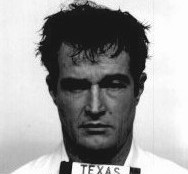 Thomas Andy Barefoot
Murderer · USA · 1978
Thomas Andy Barefoot (offender; also identified as Thomas Barefoot #621) was ex…
1 victim
Thomas Andy Barefoot
Murderer · USA · 1978
Thomas Andy Barefoot (offender; also identified as Thomas Barefoot #621) was ex…
1 victim
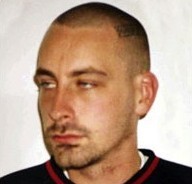 David James Harker
Murderer · United Kingdom · 1998
Defendant: David James Harker (age 24) Victim: Julie Paterson (age 32), mother…
1 victim
David James Harker
Murderer · United Kingdom · 1998
Defendant: David James Harker (age 24) Victim: Julie Paterson (age 32), mother…
1 victim
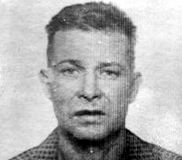 Ralph Hudson
Murderer · USA · 1960
Ralph Hudson died on January 22, 1963. He was executed by electric chair in the…
1 victim
Ralph Hudson
Murderer · USA · 1960
Ralph Hudson died on January 22, 1963. He was executed by electric chair in the…
1 victim
- Gender
- male
- Country
- United Kingdom
- Location
- Fordingbridge, Hampshire, England, United Kingdom
- Date of birth
- 1951
- Age at first offence
- 35
- Characteristics
- jealousy, rape, armed robbery, murder for hire
- Victim profile
- Joseph and Hilda Cleaver, both 82, their son Thomas, 47, his wife Wendy, 46, and live-in nurse Margaret Murphy, 70
- Method of murder
- Burned to death after being soaked in petrol and set alight - Strangulation
- Date(s) of murder
- September 1, 1986
- Years active
- 1986
- Date of arrest
- —
- Status
-
Released
Sentenced to six life sentences with the recommendation that he not be released for 25 years on October 28, 1987; minimum term later increased to 35 years
People
- George Stephenson — defendant
- John Daly — co-defendant
- George Daly — co-defendant
- Wendy Cleaver — victim (46-year-old daughter-in-law)
- Joseph Cleaver — victim (80-year-old retired publisher)
- Hilda Cleaver — victim (70-year-old invalid)
- Thomas Cleaver — victim (47-year-old son)
- Margaret Murphy — victim (live-in nurse, 70-year-old)
- Hilda — victim (70-year-old invalid; Joseph Cleaver’s wife)
- Tom — victim (Thomas Cleaver; 47-year-old; had lost a leg some years earlier in a car crash)
Background
George Stephenson and his wife had worked for the Cleavers in July of that year. Stephenson’s wife left him because he was beating her, and Stephenson was given the sack because the family did not approve.
After the Cleavers sacked him, Stephenson and his accomplices hatched a plot to steal guns and ammunition from Burgate House and use them in an armed robbery of the wages office of a factory in Nuneaton.
Prior involvement
Joseph Cleaver dismissed Stephenson for drunkenness and beating his wife in August 1986. Detectives found that George Stephenson and Fiona Stephenson had applied for the live-in posts of housekeeper and cook. They had been engaged but had left in August when Mr. Cleaver dismissed Stephenson for drunkenness and beating his wife.
Stephenson had been jailed several times for offences including burglary, fraud and assaulting a policeman. A nationwide search was launched for him, with his picture appearing on television and in newspapers across the country.
A letter from “George and Fiona Stephenson” was found by detectives when checking Joseph Cleaver’s correspondence.
Employment at the time of the offence
The cleaner and gardener arrived for work as usual at isolated Burgate House, the home of Joseph Cleaver and his wife Hilda. Smoke was pouring from the upstairs windows when they arrived.
The offence
Entry and restraint
They went into the dining room wielding a gun and pickaxe handles and took the victims upstairs where they tied them up and gagged them.
The gang ransacked the house for things to steal, taking a television and video recorder, five guns, and ammunition and other items.
The robbers were looking for a safe but never found one. Pictures hung awry where intruders had searched in vain for a wall-safe.
The gang doused the others with petrol, lit a firelighter, and threw it into the room where they burnt to death.
Sexual violence and killing of Wendy Cleaver
Wendy Cleaver was taken upstairs, and the offenders took it in turns to rape Wendy Cleaver.
John Daly, under the instructions of George Stephenson, then turned Wendy Cleaver onto her front and strangled her with a length of black cloth.
In police evidence described by John Daly:
- After he raped Wendy Cleaver, he was joined by Stephenson, who placed a knife and a piece of cloth on the bed.
- “He didn’t say anything, but I knew what they were for–to kill her with. I turned her on to her face, slipped the cloth round her neck and pulled tight. Her face went blue and she died.”
Evidence of the domestic victims’ deaths
The trussed, gagged and burned bodies of Joseph Cleaver and Hilda Cleaver, their son Tom (Thomas Cleaver) who had lost a leg some years earlier in a car crash, and family’s elderly nurse Margaret Murphy were discovered in the gutted master bedroom.
An autopsy established that Wendy Cleaver had been raped and strangled.
When the gardener tried to phone the police the line had been cut. The cleaner and gardener drove with the gardener to the local police station to raise the alarm.
When officers and firemen went to the house they found the carpets, furniture and curtains had been sprinkled with petrol, and scraps of firelighter littered the floors. Joseph Cleaver’s gun cabinet had been emptied.
Intended motive and hiding evidence
The robbers intended to burn the whole house down to hide the evidence of murder from investigators.
The house presumed to have been made with wooden beams had been reinforced with concrete over the years, and so the fire was contained neatly in one room, leaving lots of evidence in the remainder of the house.
Investigation
Timeline of discovery and immediate actions
- 10.30 a.m. on September 2nd, 1986 — The cleaner and gardener arrived for work at Burgate House; smoke was pouring from upstairs windows and they discovered the ransacked ground-floor rooms and injured poodle; they found Wendy Cleaver’s corpse upstairs.
- The gardener found the police line had been cut and drove with the cleaner to a local police station to raise the alarm.
- Officers and firemen later found petrol-sprinkled carpets, furniture and curtains, and firelighter scraps littering the floors.
- Trussed, gagged and burned bodies were discovered in the gutted master bedroom.
Details from correspondence and location linking
Checking Joseph Cleaver’s correspondence, detectives found a letter from a Bournemouth couple, George and Fiona Stephenson. They had applied for live-in posts of housekeeper and cook, had been engaged, and had left in August when Mr.
The Stephensons were no longer at the Bournemouth address from which they had written. When police went to the home of another couple where it turned out to be, they found the Cleavers’ TV and video.
Cash found after post-mortem
When the post-mortem of Joseph Cleaver was being carried out, they found £700 cash stashed away in his false leg.
The trio had found only £90 in the house, missing the wall-safe concealed behind a curtain, and £700 hidden in Thomas Cleaver’s artificial leg to be safe from muggers.
Arrest
George Stephenson phoned the police in Hampshire from Coventry, saying he had seen himself pictured in the Coventry Evening Telegraph as a wanted man, and he was returning to Hampshire to give himself up. He did so two days later.
Meanwhile, police learned he had hired a car in Coventry, and that another man, 25-year-old George Daly, had paid the deposit. Daly and his brother John Daly, 21, were arrested at their Coventry home.
Trial
Court and trial date
The trio all pleaded not guilty to five counts of murder when their trial began at Winchester Crown Court on October 6th, 1987.
Stephenson and George Daly also denied rape and robbery, but John Daly admitted both.
Prosecution theory and co-defendant evidence
The prosecution alleged Stephenson planned the raid on Burgate House in revenge for his dismissal.
John Daly told detectives that after he raped Wendy Cleaver he was joined by Stephenson, who placed a knife and a piece of cloth on the bed (including the quoted statement above). George Daly was tried alongside the others.
While loading plunder from the house into their hired car, George Daly said Stephenson told him: “They are already dead and I have poured petrol on them.”
According to John Daly, his brother lit a firelighter and threw it into the master bedroom.
The court was told that Stephenson claimed he gave himself up to clear his name, but that before surrendering to the police he spent a day concocting an alibi and giving the Dalys time to hide their plunder.
Verdicts and sentencing
Stephenson received six life sentences for murder and rape. The trial ended with Stephenson receiving six life sentences for murder and rape; the High Court also later described his conviction as including murder and rape, with sentencing remarks reflecting the judge’s view that he committed murder and rape in the case.
John Daly was given seven life sentences and had pleaded guilty to rape and robbery; he was also the one who killed Wendy Cleaver. John Daly was convicted after the three-week trial.
George Daly was found not guilty of murder, but guilty of manslaughter and was sentenced to 22 years imprisonment.
Sentencing
On October 28, 1987, George Stephenson was sentenced to six life sentences with the recommendation that he not be released for 25 years.
Minimum term later increased
Stephenson failed in a High Court bid to have his minimum jail term reduced by ten years. In May 2001, the tariff was increased to 35 years by then Home Secretary Jack Straw. That decision was upheld on May 17, 2008 by Mr Justice Tugendhat, who rejected arguments by Stephenson’s legal team that the figure should revert to 25 years.
The judge described the murders as “sadistic”, adding that three of Stephenson’s victims were vulnerable because of their age and disability.
The ruling meant Stephenson could ask the Parole Board to free him in 2021, but he would be released only if the board considered it safe to do so. If released, he would remain on perpetual “life licence” and would be sent back to prison immediately if he put a foot wrong.
Outcome
Burgate House was eventually demolished after the crimes committed there.
Other details
Victims named with family relationships and ages
- Joseph Cleaver — 80-year-old retired publisher
- Hilda Cleaver — 70-year-old invalid
- Thomas Cleaver — 47-year-old son (referred to as Tom; lost a leg some years earlier in a car crash)
- Wendy Cleaver — 46-year-old daughter-in-law
- Margaret Murphy — 70-year-old live-in nurse
Pets and scene details
The Cleavers’ poodle had been struck on the head and was later found to be so severely injured that it had to be put down.
Additional jewellery store robbery reference
The record contains “armed robbery” and “wages office” references in the motive description, including that Stephenson wanted to steal the guns for an armed robbery of the wages office of a factory in Nuneaton.
House and safe details
The gang intended to search for a safe. There was in fact a safe in the room they set fire to, but they never found it. The wall-safe was concealed behind a curtain.
Spotted an error, or have more information about this case?