
Ahmad Suradji
Serial killer Siswanto
Serial killer · Indonesia · 1994
Siswanto, also known as Robot Gedek, was a homeless Indonesian man. Siswanto mu…
12 victims
Siswanto
Serial killer · Indonesia · 1994
Siswanto, also known as Robot Gedek, was a homeless Indonesian man. Siswanto mu…
12 victims
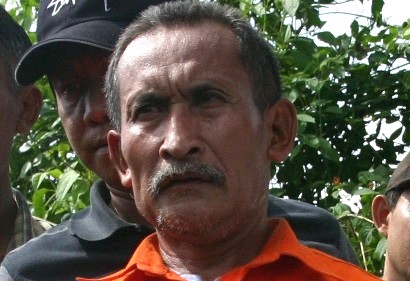 Baekuni
Serial killer · Indonesia · 2010
Baekuni was a street vendor who sheltered street children at a rented house. He…
14 victims
Baekuni
Serial killer · Indonesia · 2010
Baekuni was a street vendor who sheltered street children at a rented house. He…
14 victims
 Verry Henyansyah
Serial killer · Indonesia · 2006
Verry Idham Henyansyah, also known as “Ryan,” was an Indonesian convicted seria…
11 victims
Verry Henyansyah
Serial killer · Indonesia · 2006
Verry Idham Henyansyah, also known as “Ryan,” was an Indonesian convicted seria…
11 victims
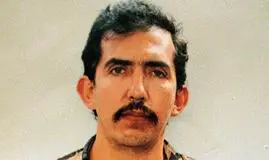 Luis Alfredo Garavito
Serial killer · Colombia/Ecuador · 1992
Luis Alfredo Garavito Cubillos, also known as "La Bestia" ("The Beast") or "Tri…
192 victims
Luis Alfredo Garavito
Serial killer · Colombia/Ecuador · 1992
Luis Alfredo Garavito Cubillos, also known as "La Bestia" ("The Beast") or "Tri…
192 victims
 Rodney Alcala
Serial killer · USA · 1977
Rodney James Alcala (born August 23, 1943) was also known as Rodrigo Jacques Al…
100 victims
Rodney Alcala
Serial killer · USA · 1977
Rodney James Alcala (born August 23, 1943) was also known as Rodrigo Jacques Al…
100 victims
 Serhiy Tkach
Serial killer · Ukraine · 1980
Serhiy Tkach (Russian: Серге́й Фёдорович Ткач, born 12 September 1952 in Kisely…
100 victims
Serhiy Tkach
Serial killer · Ukraine · 1980
Serhiy Tkach (Russian: Серге́й Фёдорович Ткач, born 12 September 1952 in Kisely…
100 victims
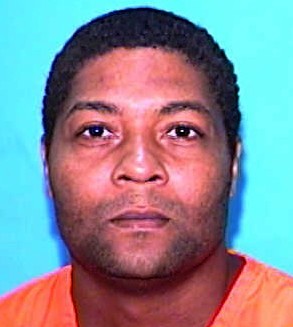 Kenneth Hartley
Murderer · USA · 1991
Name: Kenneth Hartley Date of birth: 01/27/67 Court: Fourth Judicial Circuit, D…
1 victim
Kenneth Hartley
Murderer · USA · 1991
Name: Kenneth Hartley Date of birth: 01/27/67 Court: Fourth Judicial Circuit, D…
1 victim
 Dorothy Williams
Murderer · USA · 1987
Dorothy Williams was tried and convicted under her birth name, Dorothy Williams…
3 victims
Dorothy Williams
Murderer · USA · 1987
Dorothy Williams was tried and convicted under her birth name, Dorothy Williams…
3 victims
 Lorenzo Fayne
Serial killer · USA · 1989
Lorenzo Fayne grew up in Milwaukee and lived in the 2400 block of W. Lloyd St.…
6 victims
Lorenzo Fayne
Serial killer · USA · 1989
Lorenzo Fayne grew up in Milwaukee and lived in the 2400 block of W. Lloyd St.…
6 victims
 Anthony Nathaniel Bonham
Murderer · USA · 1981
Anthony Nathaniel Bonham (also shown as Antonio Nathanial Bonham) was executed…
1 victim
Anthony Nathaniel Bonham
Murderer · USA · 1981
Anthony Nathaniel Bonham (also shown as Antonio Nathanial Bonham) was executed…
1 victim
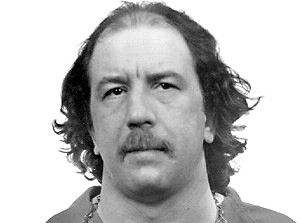 Charles E. Barker
Murderer · USA · 1993
Defendant: Charles E. Barker. · May 25, 2004 — The Indiana Supreme Court issued…
2 victims
Charles E. Barker
Murderer · USA · 1993
Defendant: Charles E. Barker. · May 25, 2004 — The Indiana Supreme Court issued…
2 victims
 Ronald Glenn West
Murderer · Canada · 1970
Ronald Glenn West was a Toronto police officer and served as a traffic cop at T…
2 victims
Ronald Glenn West
Murderer · Canada · 1970
Ronald Glenn West was a Toronto police officer and served as a traffic cop at T…
2 victims
- Gender
- male
- Country
- Indonesia
- Location
- Medan, Indonesia
- Date of birth
- January 10, 1949
- Age at first offence
- 37
- Characteristics
- —
- Victim profile
- Women ranging in ages from 11 to 30 years ( women who came to him to ask for supernatural help in making themselves richer or more attractive)
- Method of murder
- Ligature strangulation
- Date(s) of murder
- 1986 - 1997
- Years active
- 1986–1997
- Date of arrest
- May 2, 1997
- Status
-
Executed
Executed by firing squad on July 10, 2008
Background
Ahmad Suradji (born 10 January 1949) was a serial killer in Indonesia. He was also known as Nasib Kelewang and by his alias Datuk. He was described as a cattle-breeder from Indonesia.
Suradji told police that he had a dream in 1988 in which his father's ghost told him to kill 70 women and drink their saliva so that he could become a mystic healer. He worked as a sorcerer or dukun, and women came to him for spiritual advice and for ways of making themselves more beautiful or richer.
Suradji’s three wives were also arrested for assisting in the murders and helping to hide the bodies. The wives were sisters, and the oldest wife was Tumini. Tumini was tried as his accomplice in his 11-year rampage.
The offence
Suradji admitted to killing 42 girls and women over a period of 11 years. The victims ranged in age from 11 to 30. After being buried up to their waists in the ground as part of a ritual, the victims were strangled with a cable. Suradji also drank their saliva, undressed the corpses, and reburied them with their heads pointing to his house, which he believed would give him extra power.
The account also described that Suradji buried his victims in a sugarcane plantation near his home. It further stated that the victims’ heads were faced towards his house.
Investigation
After a girl who had visited Suradji did not return, her father reported the disappearance of his daughter. Police searched Suradji’s house and found the body of one victim in a field close to his home.
A search of Suradji’s property revealed clothes and watches belonging to 25 missing women. After police arrested Suradji on May 2, 1997, he initially confessed to killing 16 women over a five-year period. Under further questioning, he confessed to killing 42 women aged 11 to 30 over a period of 11 years.
Police asked local residents to report missing female family members after the unearthing of the 40 corpses. About 80 families in the area reported relatives missing, and it was stated as possible that Ahmad Suradji may have killed even more women.
Police believed some victims may have been too embarrassed to tell their families that they had sought the sorcerer’s help, so their disappearances were not linked to him. The account also stated that a large number of the victims were prostitutes.
Arrest
Suradji was arrested on May 2, 1997 after bodies were discovered near his home on the outskirts of Medan, the capital of North Sumatra. Suradji’s home was described as being near a sugarcane plantation where victims were buried.
Trial
The trial began on December 11, 1997, with a 363-page charge against Suradji. He maintained his innocence during the trial. A three-judge panel in Lubuk Pakam found him guilty on April 27, 1998.
Tumini was tried as Suradji’s accomplice. During their trials, both Suradji and Tumini denied the slayings. They said they confessed because they could no longer bear torture by interrogators.
The account also stated that the beginning of the trial went unreported in Indonesia’s national press. It described a view that people were used to seeking help from “paranormals” and were familiar with things going wrong. It also included discussion of other cases involving mystics and allegations of molesting and even raping their clients.
Sentencing
On April 27, 1998, an Indonesian court in North Sumatra found Suradji guilty of Indonesia’s worst killing spree. Suradji was sentenced to death by firing squad. The account described that the last of the 42 bodies was being unearthed as he was sentenced.
Tumini was also sentenced to death for her part in the killings. The court found that she had deliberately helped him in the killings.
Appeals
No appeal information was included in the provided material.
Outcome
Ahmad Suradji was executed by firing squad on July 10, 2008.
Aftermath
The account described that the other two wives had left the village. It stated that the reaction in the rest of Indonesia was relatively muted.
A traditional healer was quoted: “The case of Achmad Suradji is an aberration,” says a traditional healer, who is visited by many for his supposedly magic powers. “If you don't have the right background, the right education, or the right teacher, then things could go badly wrong.”
It also stated that some mystics said they could arrange to have people killed by magic powers. People in Suradji’s village said the allegations about him had put them off from seeing mystics, and that they would now stay clear of traditional sorcery.
A neighbour was quoted: “they feel betrayed by a man who was once a respected member of the community.”
Speaking to reporters in Medan, Suradji was quoted as saying: “The target was 70” he admitted.
Timeline
- 10 January 1949 — Ahmad Suradji was born.
- 1988 — Suradji said he had a dream in which his father's ghost told him to kill 70 women and drink their saliva.
- May 2, 1997 — Ahmad Suradji was arrested after bodies were discovered near his home on the outskirts of Medan.
- December 11, 1997 — The trial began, with a 363-page charge against Suradji.
- April 27, 1998 — A three-judge panel in Lubuk Pakam found Suradji guilty and sentenced him to death by firing squad.
- July 10, 2008 — Ahmad Suradji was executed by firing squad.

Spotted an error, or have more information about this case?