Dilip Sutar
Serial killer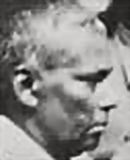 Raman Raghav
Serial killer · India · 1966
Raman Raghav Sentence reduced to life imprisonment on 4 August 1987; died at Sa…
41 victims
Raman Raghav
Serial killer · India · 1966
Raman Raghav Sentence reduced to life imprisonment on 4 August 1987; died at Sa…
41 victims
 Bârd Eithun
Murderer · Norway · 1992
Bård G. "Faust" Eithun was a Norwegian drummer. He was best known for his work…
1 victim
Bârd Eithun
Murderer · Norway · 1992
Bård G. "Faust" Eithun was a Norwegian drummer. He was best known for his work…
1 victim
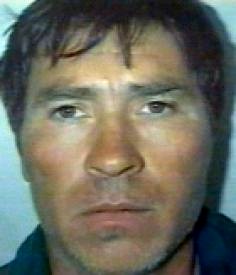 Julio Perez Silva
Serial killer · Chile · 1998
Julio Pérez Silva was sentenced to life imprisonment. He was transferred to jai…
14 victims
Julio Perez Silva
Serial killer · Chile · 1998
Julio Pérez Silva was sentenced to life imprisonment. He was transferred to jai…
14 victims
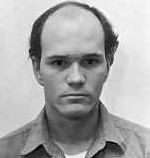 Karl LaGrand
Murderer · USA · 1982
Karl LaGrand was convicted of murder, attempted murder in the first degree, att…
1 victim
Karl LaGrand
Murderer · USA · 1982
Karl LaGrand was convicted of murder, attempted murder in the first degree, att…
1 victim
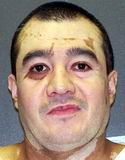 Edgar Arias Tamayo
Murderer · USA · 1994
Edgar Arias Tamayo Tamayo was sentenced to death on November 18, 1994. He was e…
1 victim
Edgar Arias Tamayo
Murderer · USA · 1994
Edgar Arias Tamayo Tamayo was sentenced to death on November 18, 1994. He was e…
1 victim
 Dawud Mu'Min
Murderer · USA · 1973
Dawud Majid Mu'Min (born as David Michael Allen) was a convicted murderer execu…
2 victims
Dawud Mu'Min
Murderer · USA · 1973
Dawud Majid Mu'Min (born as David Michael Allen) was a convicted murderer execu…
2 victims
 Banita Jacks
Murderer · USA · 2007
Banita Jacks was a Washington, DC resident convicted of murdering her four daug…
4 victims
Banita Jacks
Murderer · USA · 2007
Banita Jacks was a Washington, DC resident convicted of murdering her four daug…
4 victims
- Gender
- male
- Country
- India
- Location
- Pune, Maharashtra, India
- Date of birth
- ???
- Characteristics
- kidnapping, robbery
- Victim profile
- Prakash Hegde, 20 / Achyut Joshi, his wife Usha and their teenaged son Anand / Kashinath Shastri Abhyankar, 88, his wife Indirabai, 76, their maid Sakubai Wagh, 60, granddaughter Jai, 21, and grandson Dhananjay, 19 / Anil Gokhale
- Method of murder
- Strangulation with a nylon rope
- Date(s) of murder
- 1976 - 1977
- Years active
- 1976–1977
- Date of arrest
- March 30, 1977
- Status
-
Executed
Executed by hanging at the Yerawada central jail on November 27, 1983
Case record: Dilip Sutar
Background
Dilip Dhyanoba Sutar was one of the four serial killers who carried out murders in Pune between January 1976 and March 1977. Along with the other accused, he was a commercial art student of the Abhinav Kala Mahavidyalaya, Tilak Road, Pune, India, and the quartet had acquired a reputation for bad conduct on their college campus. The group frequently robbed and indulged in drinking.
The offence
The quartet committed a series of murders linked by the use of nylon rope to strangle victims and by the manner in which ropes were used and fastened. After several killings, they decamped with stolen items, including a mangalsutra, a watch and a few thousand rupees.
16 January 1976 — Prakash Hegde
Prakash Hegde was kidnapped for ransom. His father, Sundar Hegde, ran a small hotel named Vishwa behind Abhinav Kala Mahavidyalaya. On 15 January 1976, Sutar and the other men, together with classmate Suhas Chandak, picked up Prakash on a false pretence and took him to Jakkal’s tin shed on Karve Road. They forced Prakash to write a runaway note to his father stating that he was leaving home.
On the night of 16 January 1976, they gagged Prakash and took him to Peshwe Park. They strangled Prakash with a nylon rope, placed his body in an iron barrel, inserted some stones and dumped the barrel into the lake. The following day, they sent a ransom note to Sundar Hegde.
Investigation
Investigation Assistant Commissioner of Police Madhusudan Hulyalkar led the investigation. Police Inspector Manikrao Damame led the police team that investigated and identified similarities across the killings.
When the body of Anil Gokhale surfaced near Yerawada, the police team realized that the nylon ropes used to tie the body to the ladder had been fastened in a manner identical to prior murders. The four boys contradicted each other about their joint movements in the city over the past week.
Satish Gore, a colleague, broke down during police interrogation and confessed. Further confessions were made by another classmate, Suhas Chandak, who had been a witness to the Hegde killing. In the course of the investigation, the police apprehended the killers on 30 March 1977, and, on information provided by the killers, the barrel containing Hegde’s remains was recovered from the Peshwe park lake. The police also found a long list of incriminating evidence at Jakkal’s shed on Karve road and recovered many of the items stolen from the households of the Joshis and Abhyankars.
Arrest
The killers were apprehended on 30 March 1977 after police identified inconsistencies and received confessions from Satish Gore and Suhas Chandak.
Trial
The case began on 15 May 1978 in the Pune district and lasted for more than four months. On 28 September 1978, Pune Sessions Court judge Waman Narayan Bapat sentenced the accused to death.
Sentencing
Appeals
The sentences were confirmed by the Bombay High Court on 6 April 1979. The Supreme Court dismissed the special leave petition against their convictions and sentences on 17 November 1980.
After both the High Court and Supreme Courts turned down their appeals, the accused approached the President of India for a pardon. The President did not concede.
Outcome
The four were hanged at the Yerawada central jail on 27 November 1983.
Timeline
- 15 January 1976 — Sutar and the other men picked up Prakash Hegde on a false pretence, took him to Jakkal’s tin shed on Karve Road, and forced him to write a runaway note.
- 16 January 1976 — The group gagged Prakash Hegde, took him to Peshwe Park, strangled him with a nylon rope, placed his body in an iron barrel, inserted stones and dumped it into the lake.
- 22 November 1976 — The group attacked Bafna’s bungalow on Shankarseth road in the evening and escaped by climbing a barbed wire fence.
- 31 October 1976 — Achyut Joshi was attacked on the night of 31 October; his wife Usha and later his teenaged son Anand were killed by strangulation.
- 1 December 1976 — The group attacked the Abhyankar bungalow Smriti on Bhandarkar road around 8 p.m., gained entry, and killed Kashinath Shastri Abhyankar, Indirabai, Sakubai Wagh, and their grandchildren Jai and Dhananjay.
- 23 March 1977 — Anil Gokhale was offered a lift home by Jakkal on his motorcycle, was taken to Jakkal’s shed, strangled with a nylon rope, and his body was tied to an unused iron ladder, weighed down with big boulders, and dumped into the Mula-Mutha river near Bund Garden.
- 24 March 1977 — The body of Anil Gokhale surfaced near Yerawada.
- 30 March 1977 — The killers were apprehended.
- 15 May 1978 — The case began in the Pune district.
- 28 September 1978 — The accused were sentenced to death by Pune Sessions Court judge Waman Narayan Bapat.
- 6 April 1979 — The Bombay High Court confirmed the sentences.
- 17 November 1980 — The Supreme Court dismissed the special leave petition against convictions and sentences.
- 27 November 1983 — The accused were hanged at the Yerawada central jail.
Other details
Additional events described in the case narrative
- In August 1976, the gang moved to the city of Kolhapur but were unsuccessful when they targeted the house of a local businessman.
- In November 22, 1976, Bafna’s bungalow on Shankarseth road was attacked and they escaped after facing resistance from Bafna and her two servants.
Victims and details connected to murders
- Achyut Joshi (from Vijaynagar) and his wife Usha were killed by strangulating Achyut Joshi with a nylon rope and suffocating his wife. Their teenaged son Anand was stripped naked and strangulated with the same identical nylon rope. After the murders, the group decamped with a mangalsutra, a watch and a few thousand rupees.
- At the Abhyankar bungalow, the victims were:
- Kashinath Shastri Abhyankar (88),
- Indirabai (76),
- Sakubai Wagh (60),
- Jai (21),
- Dhananjay (19). The men eliminated each member by stuffing mouths with a ball of cloth, tying hands and legs, and then strangulating with the nylon rope. Jai was stripped naked and forced to direct them to valuables before she was killed. The narrative also included that the killers stripped the last person to prevent running away and to use the person as a shield while probing the interiors of the house.
- For Anil Gokhale, the narrative stated he was younger brother of Jayant Gokhale and he was supposed to meet his brother at Alka Talkies. He took a lift home from Jakkal on Jakkal’s motorcycle, was taken to Jakkal’s shed, strangled with the nylon rope, tied to an unused iron ladder, weighed down with big boulders, and dumped into the Mula-Mutha river near Bund Garden. On the evening of 24 March, his body surfaced near Yerawada.
Police and interrogation details included in the narrative
- The four contradicted each other about their joint movements in the city over the past week.
- Satish Gore confessed during police interrogation.
- Suhas Chandak made further confessions and was described as a witness to the Hegde killing.
- On the killers’ information, investigators recovered the barrel containing Hegde’s remains from the Peshwe park lake and recovered stolen items from Jakkal’s shed.
Court and pardon petition details included in the narrative
- After sentencing and appeals were unsuccessful, the accused approached the President of India for a pardon, which was not granted.
- The quartet attempted to delay execution, including by claiming they wanted to donate vital organs, and they made submissions about hanging by noose being painful and sought an electric chair. Bereaved families presented opinions of at least 10 leading doctors who unanimously agreed that hanging by noose was the least painful of all terminal punishments.
- A review petition to the Supreme Court and a mercy petition to the President of India were filed.
- Punekars included 1000 prominent citizens who signed a joint note addressed to the Supreme Court to argue the case on behalf of the state, and the narrative described that it resulted in the apex court rejecting the appeal at the admission stage itself.
References / adaptations mentioned
The narrative listed:
- Rahul Chandawarkar - Sunday Mid-Day September 6, 1998 (article title: “The Evil and the Dead”)
- Ramakant Kulkarni, Footprints on the Sands of Crime, MacMillan India (2004), ISBN 978-1-4039-2361-5. It also mentioned films:
- Maaficha Sakshidar (1986) starring Nana Patekar
- Paanch (2003) by Anurag Kashyap
Spotted an error, or have more information about this case?