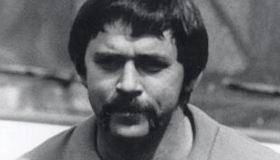
David Tamihere
Murderer Menzies Hallett
Murderer · New Zealand · 1979
Name: Menzies Hallett Age: 72 Year of sentencing status: Sentenced to life in p…
1 victim
Menzies Hallett
Murderer · New Zealand · 1979
Name: Menzies Hallett Age: 72 Year of sentencing status: Sentenced to life in p…
1 victim
 Peter Howse
Murderer · New Zealand · 1982
Peter Howse was a convicted murderer and rapist who was sentenced to life in pr…
1 victim
Peter Howse
Murderer · New Zealand · 1982
Peter Howse was a convicted murderer and rapist who was sentenced to life in pr…
1 victim
 William Dwane Bell
Murderer · New Zealand · 2001
William Dwane Bell (born 1978) was a convicted murderer in New Zealand. Bell wa…
3 victims
William Dwane Bell
Murderer · New Zealand · 2001
William Dwane Bell (born 1978) was a convicted murderer in New Zealand. Bell wa…
3 victims
 Bruce Howse
Murderer · New Zealand · 2001
Bruce Howse was the partner of Charlene Aplin and the stepfather of Saliel Apli…
2 victims
Bruce Howse
Murderer · New Zealand · 2001
Bruce Howse was the partner of Charlene Aplin and the stepfather of Saliel Apli…
2 victims
 Michelle Reynolds
Murderer · USA · 2004
Michelle Reynolds — defendant; pleaded guilty to voluntary manslaughter and bur…
1 victim
Michelle Reynolds
Murderer · USA · 2004
Michelle Reynolds — defendant; pleaded guilty to voluntary manslaughter and bur…
1 victim
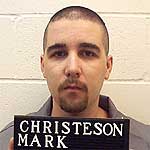 Mark Christeson
Murderer · USA · 1998
Mark A. Christeson was convicted and sentenced to death for the 1998 murders of…
3 victims
Mark Christeson
Murderer · USA · 1998
Mark A. Christeson was convicted and sentenced to death for the 1998 murders of…
3 victims
 James Glenn Robedeaux
Murderer · USA · 1978
James Glenn Robedeaux was charged with and convicted of first degree murder inv…
2 victims
James Glenn Robedeaux
Murderer · USA · 1978
James Glenn Robedeaux was charged with and convicted of first degree murder inv…
2 victims
 Kelly Ellard
Homicide · Canada · 1997
Kelly Ellard was a juvenile in the relevant period. She was born August 9, 1982…
1 victim
Kelly Ellard
Homicide · Canada · 1997
Kelly Ellard was a juvenile in the relevant period. She was born August 9, 1982…
1 victim
 Daniel Lee Doyle
Murderer · USA · 1981
Daniel Lee Doyle was sentenced to death on May 13, 1982. He was convicted of fi…
1 victim
Daniel Lee Doyle
Murderer · USA · 1981
Daniel Lee Doyle was sentenced to death on May 13, 1982. He was convicted of fi…
1 victim
 Andrea Curry-Demus
Murderer · USA · 2008
Andrea Curry-Demus was convicted of second-degree murder in the killing of Kia…
1 victim
Andrea Curry-Demus
Murderer · USA · 2008
Andrea Curry-Demus was convicted of second-degree murder in the killing of Kia…
1 victim
- Gender
- male
- Country
- New Zealand
- Location
- New Zealand
- Date of birth
- 1954
- Age at first offence
- 18
- Characteristics
- rape, robbery
- Victim profile
- Mary Barcham, 23 (stripper) / Sven Urban Höglin , 23, and his fiancée Heidi Birgitta Paakkonen , 21 (Swedish tourists)
- Method of murder
- Hitting her on the head with a rifle / St abbing with knife
- Date(s) of murder
- 1972 / 1989
- Years active
- 1972–1989
- Date of arrest
- —
- Status
-
Released
Sentenced to life imprisonment with a 10-year non-parole period in December 1990; released on parole on November 15, 2010
Case record: David Tamihere
STATUS and sentencing overview
David Tamihere was sentenced to life imprisonment with a 10-year non-parole period in December 1990. He was released on parole on November 15, 2010.
The offence
In 1989, David Wayne Tamihere (born 1953) was convicted of murdering Swedish tourists Sven Urban Höglin and Heidi Birgitta Paakkonen. In 1989, Sven Urban Höglin was 23 and his fiancée Heidi Birgitta Paakkonen was 21. The pair disappeared while tramping on the Coromandel Peninsula of New Zealand in 1989.
At trial, the location of the bodies was unknown. Heidi Paakkonen’s body was never found. Höglin’s body was discovered in 1991.
At trial, the court heard that Tamihere tied Höglin to a tree and sexually abused him before raping Paakkonen. In December 1990, the jury found Tamihere guilty of the murder and theft.
Victims
- Sven Urban Höglin (23)
- Heidi Birgitta Paakkonen (21)
- Mary Barcham (23-year-old; killed in 1972 when Tamihere was 18)
- A 62-year-old woman assaulted in her home in 1985
- Another woman assaulted in her home in the 1980s
Other offences and convictions referenced in the case
David Tamihere had prior convictions and other offences referenced in connection with sentencing and parole:
- Tamihere had a prior conviction for the manslaughter of an Auckland stripper, 23-year-old Mary Barcham, whom he killed in 1972 when he was 18 by hitting her on the head with a rifle.
- In 1992, he was found guilty of assaulting a 62-year-old woman in her home in 1985.
- He also had a conviction for assaulting another woman in her home in the 1980s.
- He was granted bail prior to the 1989 killing of the Swedish tourists, after being bailed in 1986 for the sexual violation of a 47-year-old woman in Auckland.
- He was on the run at the time of the killing of the Swedish backpackers, living rough in bush in Mataroa Bay, Coromandel, after being bailed in 1986 and absconding.
Timeline
- 8 April 1989 — Backpacking tourists Höglin and Paakkonen from Storfors, Sweden went into the bush near Thames and vanished.
- May 1989 — The disappearance was reported missing.
- 1986 — Tamihere was bailed after being charged with the sexual violation of a 47-year-old woman in Auckland; he later absconded.
- December 1990 — A jury convicted Tamihere of the murder and theft; the judge sentenced him to life imprisonment with a 10-year non-parole period.
- October 1991 — Pig hunters discovered the body of Höglin near Whangamata.
- 1992 — Tamihere filed a series of unsuccessful appeals during the 1990s; he was denied leave to appeal to the Privy Council in 1994; in 1992 he was also found guilty of assaulting a 62-year-old woman in her home in 1985.
- May 1992 — The Court of Appeal rejected his appeal on the basis the Crown had provided “convincing circumstantial proof”.
- 1994 — Leave to appeal to the Privy Council was denied.
- 25 August 1995 — One prosecution witness swore an affidavit attempting to recant evidence and making allegations against the police of corruption and perverting the course of justice.
- 16 July 1996 — The affidavit was released to Tamihere’s counsel Murray Gibson and the media.
- 1997 — Tamihere made an application to the United Nations Human Rights Committee; the committee found his claims were not substantiated and ruled the communication as inadmissible.
- 2007 — The TV3 show Inside New Zealand: What's Your Verdict? re-examined the case with a television jury.
- November 2009 — The Parole Board denied parole for the ninth time, with police arguing against release until Tamihere discloses the site of Paakkonen’s body.
- 3 November 2010 — Tamihere was granted parole, to be released on 15 November.
- 15 November 2010 — Tamihere was released on parole.
Investigation
Police carried out an intense investigation under the name Operation Stockholm after Höglin and Paakkonen went missing. Police, local residents, search and rescue and military personnel carried out the largest land-based search undertaken in New Zealand, performing grid-searches centred on Crosbie's Clearing, 12 km from Thames.
At trial, the prosecution case included testimony from three “secret” prison informers, presented as hearsay evidence of supposed confessions overheard in prison. The witnesses were anonymous and were granted name suppression by the court.
Two trampers identified Tamihere as a man they saw with a woman believed to be Paakkonen in a remote clearing. The court also heard that a watch Tamihere had given away matched the watch found with Höglin.
Police also claimed at trial that Tamihere had confessed to cutting up the bodies and throwing them into the ocean, a claim later contradicted by the later discovery of Höglin’s body.
Arrest and imprisonment history referenced
Tamihere was described as a fugitive for skipping bail for a 1986 rape; he admitted stealing the Subaru car belonging to the couple.
After conviction, he filed unsuccessful appeals during the 1990s and later sought parole. He had a series of parole hearings and denials.
Trial
Tamihere was arrested and tried for murder starting in October 1990.
At the trial:
- Three witnesses, fellow inmates of Tamihere, gave evidence that Tamihere had confessed the murder to them.
- Two trampers identified Tamihere as a man seen with a woman believed to be Paakkonen in a remote clearing.
- The court heard Tamihere tied Höglin to a tree and sexually abused him before raping Paakkonen.
The judge sentenced Tamihere to life imprisonment with a 10-year non-parole period.
Appeals
Tamihere appealed against his convictions to the Court of Appeal of New Zealand.
- In May 1992, the Court of Appeal rejected the appeal on the basis the Crown had provided “convincing circumstantial proof”.
- Tamihere was also denied leave to appeal to the Privy Council in 1994.
On 25 August 1995, one of the prosecution witnesses swore an affidavit attempting to recant evidence, making allegations against the police of corruption and perverting the course of justice. The affidavit was released to Tamihere's counsel Murray Gibson and the media on 16 July 1996.
A Member of Parliament requested a ministerial inquiry into the case at Tamihere’s behest.
The Independent Police Conduct Authority (IPCA) conducted an inquiry and concluded that the police had not been guilty of any wrongdoing. Minister of Justice Doug Graham rejected a call for further inquiry into the case.
In 1997, Tamihere made an application to the United Nations Human Rights Committee. The committee found his claims were not substantiated and ruled the communication as inadmissible.
Sentencing and parole
Sentence
In December 1990, Tamihere received a life imprisonment sentence with a 10-year non-parole period.
Parole process and denials
Parole was refused in September 2004, June 2005, and again in June 2006.
In November 2009, the Parole Board denied parole for the ninth time, with police arguing against release until Tamihere discloses the site of Paakkonen’s body.
Tamihere was granted parole on 3 November 2010, with release set for 15 November 2010.
Tamihere had appeared before the Parole Board on November 2, for his 14th such hearing.
Parole board decision and conditions
The Parole Board said Tamihere had achieved a “remarkable breakthrough” in treatment for his offending after talking to a Maori psychologist and completing an Adult Sex Offenders Treatment Programme. The Parole Board’s description included that Tamihere still insisted on his innocence in the killing of the Swedish couple.
The Parole Board stated that it could not release a prisoner unless it was satisfied that he no longer posed an “undue risk to the safety of the community or any person in it”.
Tamihere’s parole conditions included:
- a lifetime ban on consuming or possessing drugs or alcohol
- monitoring by an electronic ankle bracelet
- to live in an approved residential address
Katrina Casey, general manager Community Probation Services, said the agency would still regard Tamihere as at high risk of reoffending.
“Our primary concern is public safety,” she said.
“We can provide assurance that Community Probation Services will be managing this offender's parole order closely and to our maximum ability under the law. He will be managed as high risk,” she said.
Casey also stated that the service would ensure compliance with conditions with enforcement action if Tamihere did not comply.
“Each time we see the offender, we will be using a new dynamic risk assessment tool to assess his likelihood of reoffending and the risk of harm he may present to others.”
“We will take steps if we consider there to be a high risk in order to reduce both his likelihood of reoffending and minimise the risk of harm to others.”
Tamihere was also required to reappear before the Parole Board in February for a monitoring and progress hearing.
Casey said there was “very strong family support” and that the probation service would work closely with his family to ensure successful reintegration.
“While we recognise that this offender's release from prison has and will continue to generate media interest, depending on how intrusive it is, it can have a negative impact on Community Probation Service's staffs' ability to monitor and manage the offender, as well as potentially impacting on his successful reintegration,” she said.
“Our primary concern, in the interests of public safety, is that there are no serious distractions or impediments to a smooth start to this offender's release from prison, particularly given the length of time since he was last in the community.”
Outcome and release
Tamihere was released from prison on parole on November 15, 2010, after serving 20 years after being jailed for the murders of Swedish backpackers Heidi Paakkonen and Urban Hoglin.
Cea Paakkonen, Heidi’s sister-in-law, spoke to Stuff from the Swedish village of Storfors after learning of his release.
“We knew for a long time that this would eventually happen. But of course when you hear that he is to get free, and see it, you are shocked. We don't like it ... it is nothing that we want. We wanted him to stay in jail,” she said.
Cea said the Paakkonen family, like the Hoglins, had hoped Tamihere would spend the rest of his days behind bars.
Cea also stated that the Paakkonen family still questioned whether Tamihere acted alone.
“It could be possible ... why not? ”
“Yes of course [we have thought about it], we talk about it quite a lot. But we don't know, so we just talk. ”
“Sometimes you think, 'What did happen, what if it was two or three people?'. We talk, but we don't know ... nobody knows'.
Urban’s brother Stefan Hoglin had confided that Tamihere “maybe had a companion”.
The parole conditions were administered with probation management, and Tamihere was provided with a Keep Safe pamphlet giving him tips on how to avoid risky situations that would pull him back into offending.
Waikato's Spring Hill Prison officials paid out money he earned while on a release to work scheme, kept in a secure trust fund until his release.
Tamihere was eligible for a Work and Income-provided Steps to Freedom grant to cover costs related with accommodation, beds and bedding, essential appliances, connecting telephone, electricity and gas, food, clothing and toiletry items and other “re-establishment costs”.
Post-release issues and statements
Tamihere was battling a heart condition and chronic arthritis.
Tamihere’s family made a pact not to talk publicly anymore about his release, but his brother, former MP and radio talkback host John Tamihere, said that even if people regarded Tamihere as being guilty of killing the Swedish tourists, it was time for him to be released.
Police had asked that Tamihere only be released if he told where Heidi Paakkonen’s body is. The parole board said: “We see no useful purpose in pursuing it” because Tamihere was adamant he had nothing to do with the killing.
The parole board said:
“We feel strongly for the victim's family that they cannot at present complete the usual funeral and burial procedures which may bring at least a measure of peace to them but we record that our attempts have not been successful and we do not think that we can take that matter any further.”
Cultural influence
The TV3 show Inside New Zealand: What's Your Verdict? re-examined the case with a television jury in 2007.
Filmmaker Bryan Bruce made a documentary Murder, They Said in 1996 examining the case and wrote the book Hard Cases, which advanced the theory Tamihere did not act alone, based on the claim that as there were no defensive cuts to the bones of his hands, Höglin may have been held from behind while being stabbed from the front.
In 1999, Leanne Pooley made a television documentary Relative Guilt about the impact on Tamihere's extended family of his arrest, trial and conviction. The documentary won Best Documentary at the 2000 Qantas Media Awards.
Other details
People and relationships mentioned
- David Tamihere was the brother of former MP John Tamihere.
- Tamihere’s counsel was Murray Gibson.
- Minister of Justice was Doug Graham.
- Inspector Gavin Jones of the Auckland police spoke about parole eligibility and police approach to submissions.
“This is the first time he has come up.”
“I'm absolutely sure that the Parole Board would be well aware of the background to the person they're considering, and then they make a judgment. ”
“The penalty for murder is life, but under the old provisions, life means 10 years [non-parole]. ”
“The bottom line is he's been convicted, he's been sentenced, he's done his time, he's now going through a process which needs to be followed. It would be very easy to get emotional - all these cases are sad. ”
“We can't just say he's done 10 years, we think he should have done more. People do their time.”
Search details and circumstances
Höglin’s body was recovered 73 km from where police alleged the murders took place, and was uncovered in October 1991 by pig hunters near Whangamata. Paakkonen’s body was never found.
Höglin’s body was found with a watch which police claimed at his trial Tamihere had given to his son following the murders.
Discovery of the body also contradicted the testimony of a prosecution witness who said Tamihere had confessed to cutting up the bodies and throwing them into the ocean.
Additional allegations described in parole and appeal context
In October 2009 parole discussions, police argued against release until Tamihere discloses the site of Paakkonen’s body.
In August 1995, a prosecution witness swore an affidavit attempting to recant evidence and making allegations against the police of corruption and perverting the course of justice. The IPCA inquiry later concluded that the police had not been guilty of any wrongdoing, and the witness withdrew the allegations of misconduct during the inquiry.
“He was simply never sober.” — The Parole Board said alcohol was a major risk for Tamihere and that for many years before being jailed, “he was simply never sober.”
External allegations mentioned
In November 2009, Pat Booth alleged that the Crown prosecutor and the police inquiry head in the Tamihere case were both leading figures in the earlier prosecution of Arthur Allan Thomas, which involved planting of evidence and perjury.
Spotted an error, or have more information about this case?