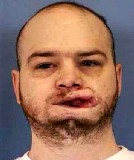
Edwin Hart Turner
Murderer Brian Kevin Rosenfeld
Murderer · USA · 1985
Brian Kevin Rosenfeld Brian Kevin Rosenfeld was sentenced to three concurrent l…
23 victims
Brian Kevin Rosenfeld
Murderer · USA · 1985
Brian Kevin Rosenfeld Brian Kevin Rosenfeld was sentenced to three concurrent l…
23 victims
 Russell Ellwood
Murderer · USA · 1991
Russell Ellwood was a former taxi driver. Authorities suspected him of killing…
20 victims
Russell Ellwood
Murderer · USA · 1991
Russell Ellwood was a former taxi driver. Authorities suspected him of killing…
20 victims
 Robert Martines Perez
Murderer · USA · 1994
Name: Robert Martines Perez · Other name used in proceedings: Robert Martinez P…
15 victims
Robert Martines Perez
Murderer · USA · 1994
Name: Robert Martines Perez · Other name used in proceedings: Robert Martinez P…
15 victims
 Billy Frank Vickers
Murderer · USA · 1993
Billy Frank Vickers Vickers was executed by lethal injection in Texas on Januar…
14 victims
Billy Frank Vickers
Murderer · USA · 1993
Billy Frank Vickers Vickers was executed by lethal injection in Texas on Januar…
14 victims
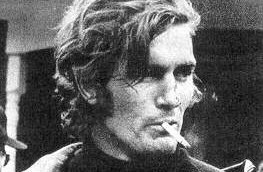 Paul John Knowles
Spree killer · USA · 1974
Paul John Knowles (April 17, 1946 – November 18, 1974) was an American spree ki…
35 victims
Paul John Knowles
Spree killer · USA · 1974
Paul John Knowles (April 17, 1946 – November 18, 1974) was an American spree ki…
35 victims
 Anthony Leroy Pierce
Murderer · USA · 1977
Anthony Leroy Pierce (also known as Yatombi Ikei), TDCJ-ID Polunsky Unit 3872,…
2 victims
Anthony Leroy Pierce
Murderer · USA · 1977
Anthony Leroy Pierce (also known as Yatombi Ikei), TDCJ-ID Polunsky Unit 3872,…
2 victims
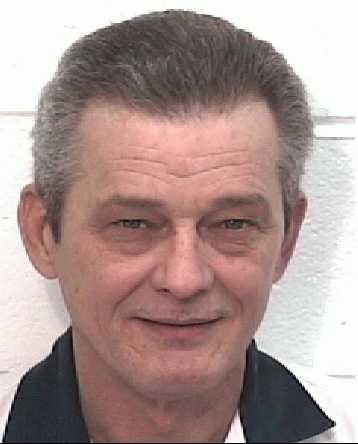 Eddie Albert Crawford
Murderer · USA · 1983
Eddie Albert Crawford was a white male, born 02/09/1947, with hair color brown,…
1 victim
Eddie Albert Crawford
Murderer · USA · 1983
Eddie Albert Crawford was a white male, born 02/09/1947, with hair color brown,…
1 victim
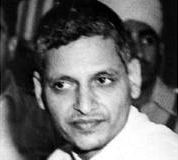 Nathuram Godse
Assassin · India · 1948
Nathuram Vinayak Godse (May 19, 1910 – November 15, 1949) was born at Baramati,…
1 victim
Nathuram Godse
Assassin · India · 1948
Nathuram Vinayak Godse (May 19, 1910 – November 15, 1949) was born at Baramati,…
1 victim
- Gender
- male
- Country
- USA
- Location
- Carroll County, Mississippi, USA
- Date of birth
- 1973
- Age at first offence
- 22
- Characteristics
- mentally ill, drug addict, alcoholic, armed robbery, abuse
- Victim profile
- Eddie Brooks, 37 / Everett Curry, 38
- Method of murder
- Shooting (rifle)
- Date(s) of murder
- December 13, 1995
- Years active
- 1995
- Date of arrest
- Next day
- Status
-
Executed
Executed by lethal injection at the Mississippi State Penitentiary at Parchman on February 8, 2012
Overview
Edwin Hart Turner was convicted of capital murder in the deaths of Eddie Brooks and Everett Curry in Mississippi and was sentenced to death on both counts. He was executed by lethal injection at the Mississippi State Penitentiary at Parchman on February 8, 2012.
The offence
On the night of December 12, 1995, Edwin Hart Turner and Paul Murrell Stewart had been drinking beer and smoking marijuana while driving around Leflore and Carroll Counties in Stewart’s automobile. Around midnight the vehicle veered off the gravel road and became stuck in a ditch. Turner and Stewart walked to the nearby home of Doyle Carpenter, a friend of Turner. Carpenter carried the pair to Turner’s home when the trio were unable to free the automobile from the ditch.
Once back at Turner’s house, Turner and Stewart decided to rob some place. The crimes at issue occurred at two separate convenience stores approximately four miles apart on U.S. Highway 82 in Carroll County, Mississippi.
The crime spree began at Mims Turkey Village Truck Stop. Turner and Stewart went into the store wearing masks and carrying high-powered rifles. Turner used a 6mm rifle, while Stewart carried a .243 rifle with a scope attached. Turner shot Eddie Brooks, the store clerk, in the chest. Brooks slumped behind the counter and fell to the floor.
Turner and Stewart went behind the counter to the cash register but could not get it to open. The two men became angry when they could not open the cash register. Stewart shot the cash register, but it still would not open. Turner, in a rage, struck the butt of his rifle on the cash register. Turner then shot at the cash register to no avail. Turner then placed the barrel of his gun inches from Eddie Brooks’ head and pulled the trigger, killing Brooks.
Unsuccessful in their attempt to get any money, the two men immediately drove to Mims One Stop. Everett Curry was standing next to a gas pump outside, and there were several people inside. Stewart went inside the store to rob it while Turner made Everett Curry get on the ground by threatening him with his 6mm rifle. As Curry was pleading for his life, Turner shot him in the head, killing him. While Curry was being threatened outside, Stewart was ordering the clerk to fill a paper bag with money.
After killing Everett Curry, Turner ran into the store and ordered everyone to get down. Turner pointed a gun at a man in the store. Stewart urged Turner not to kill anyone else since they already had the money they came for. Turner and Stewart left the store and returned to Turner’s house.
Turner and Stewart put the guns inside Turner’s house. Stewart left his white hockey mask on the back seat of Turner’s car. Stewart counted the money (about $400), which they split, while Turner prepared shrimp and cinnamon rolls, which the two ate. Turner and Stewart awoke later that morning to several law enforcement officers knocking on the door. The officers discovered two high-powered rifles in Turner’s house. Turner and Stewart were then arrested and brought to Carroll County Sheriff C.D. Whitfield. Stewart gave a full confession outlining the events. The sheriff then got a search warrant for Turner’s house.
At the time of the crimes, Turner and Stewart were described as wearing masks; at the first murder scene there were no eyewitnesses who observed the killing or the perpetrators, nor gave a description of the offender’s vehicle; and at the second murder scene faces were concealed with masks. Witnesses described two white males of average height, one taller than the other.
Investigation
Evidence discussed in the appeal included hulls and casings presumably ejected from the deadly weapons. A person who drove Turner and another white male to Turner’s home testified that the Toyota with a Georgia plate, tag number FGZ-818, they were riding in became stuck in the ditch earlier in the evening.
High powered rifle hull casings were found at the scene of the crime. A trail of footprints led from the abandoned vehicle to a house up the gravel road that belonged to Doyle Carpenter. Sheriff Whitfield remembered Hart Turner as a white male who had a history of violence.
The Toyota stuck in the ditch had a Pillow Academy bumper sticker on it which was traced to Stewart, a young white male.
Arrest
Law enforcement officers later went to Turner’s home and looked through the window of Turner’s Honda Accord. They observed a white hockey mask on the back seat of the car and noticed a live rifle cartridge on the car’s floorboard. They knocked on the door. Turner opened the door, boxes of rifle shells were visible lying on the floor inside the house, and Turner asked the law enforcement officers whether anyone else was in the house. Turner replied that his buddy was in the back bedroom. Turner started back towards that bedroom but was stopped by the law officers, who went to the back bedroom themselves and found Stewart in the bed. The officers observed two rifles lying on two couches in the bedroom.
Turner and Stewart were handcuffed, wearing nothing but their underwear. They were Mirandized according to the arresting officer, and Turner refused to talk. Stewart testified that the police told them they were under arrest and sat them down in the living room while beginning to ask questions after being handcuffed. Stewart stated the police wanted them to sign a piece of paper, which they refused to sign. Stewart also testified the officers told Turner and Stewart they suspected them of being involved in the deaths of the two victims, Curry and Brooks.
Trial
Indictment and counts
Turner was indicted by the Grand Jury of Carroll County, Mississippi, First Judicial District, on May 20, 1996, in a two count indictment charging him in Count I with the December 13, 1995, capital murder of Eddie Brooks during the commission of an armed robbery in violation of Miss. Code Ann. § 97-3-19(2)(e). Count II charged capital murder of Everett Curry during the commission of an armed robbery in violation of Miss. Code Ann. § 97-3-19(2)(e).
Verdicts and sentencing
Turner was tried, and the jury, after deliberation, found him guilty of capital murder on both Counts I and II on February 13, 1997. The jury then heard evidence in aggravation and mitigation of sentence.
After deliberation, on February 14, 1997, the jury returned verdicts sentencing Turner to death on both Counts I and II.
For Count I, the jury found beyond a reasonable doubt:
- That the defendant actually killed Eddie Brooks.
- That the defendant attempted to kill Eddie Brooks.
- That the defendant intended that the killing of Eddie Brooks take place.
- That the defendant contemplated that lethal force would be employed.
The jury found that the aggravating circumstance that “The capital offense was committed for pecuniary gain during the course of an armed robbery” existed beyond a reasonable doubt and was sufficient to impose the death penalty and that there were insufficient mitigating circumstances to outweigh the aggravating circumstances, and the jury found Turner should suffer death as to Count I.
For Count II, the jury found beyond a reasonable doubt:
- That the defendant actually killed Everett Curry.
- That the defendant attempted to kill Everett Curry.
- That the defendant intended that the killing of Everett Curry take place.
The jury found that the aggravating circumstance that “The capital offense was committed for pecuniary gain during the course of an armed robbery” existed beyond a reasonable doubt and was sufficient to impose the death penalty and that there were insufficient mitigating circumstances to outweigh the aggravating circumstances, and the jury found Turner should suffer death as to Count II.
After the sentence of death was imposed by the jury, the trial court set an execution date of March 28, 1997. Turner’s motion for new trial was denied on March 25, 1997. Turner perfected his appeal on April 24, 1997.
Accomplice
Paul Murrell Stewart was convicted and sentenced to life in prison. He confessed and testified against Turner. At the time of sentencing, Stewart was described as 17.
Sentencing
Turner received the death penalty on both Counts I and II.
During the execution process, Turner was asked if he had a last statement and answered “No.”
Appeals
Mississippi Supreme Court
The Supreme Court of Mississippi considered Turner v. State of Mississippi, No. 97-DP-00583-SCT, dated February 04, 1999, EN BANC. The decision affirmed Turner’s two convictions for capital murder and his two sentences of death.
The Supreme Court listed thirteen assignments of error raised for review, including arguments that the arrest was illegal, issues related to indictment and jury instructions, exclusion of mitigation evidence, limitation of mental capacity mitigating circumstance to “substantial impairment,” admission of guilt phase evidence at sentencing, instructions about sympathy, and challenges to closing arguments and aggravating circumstances.
The Supreme Court concluded:
- The arrest and subsequent search and seizure did not violate the Fourth and Fourteenth Amendments.
- The indictment was adequate.
- Denial of a lesser included offense instruction of simple murder was not error.
- The prosecutor’s cross-examination at the sentencing phase did not warrant reversal.
- Exclusion of certain mitigation testimony on hearsay grounds did not provide grounds for relief because of waiver and lack of proffer.
- The instruction limiting the jury’s consideration to “substantially impaired” did not provide grounds for relief.
- Adoption of guilt phase evidence during the sentencing phase did not provide grounds for relief.
- Several alleged instruction errors did not provide grounds for relief.
- The jury instructions and the trial court’s handling did not violate the Eighth Amendment and state law as claimed.
- The closing argument issue did not warrant reversal because the comment was isolated.
- On proportionality review, the court concluded there was nothing making the death penalty excessive or disproportionate.
The Supreme Court’s conclusion stated: “CONVICTION OF CAPITAL MURDER (TWO COUNTS) AND SENTENCE OF DEATH BY LETHAL INJECTION AFFIRMED.”
The Supreme Court set an execution date to be set within sixty days of final disposition pursuant to Miss. Code Ann. § 99-19-105(7) and M.R.A.P. 41(a).
Federal proceedings and stays
The appeal record reflected proceedings in the United States Court of Appeals for the Fifth Circuit, including Edwin Hart Turner v. Christopher B. Epps. Turner also sought relief from the United States Supreme Court via a writ of certiorari.
Federal courts rejected attempts to stop the execution. Turner's lawyers argued that Turner was mentally ill at the time of the crimes and sought application analogous to limits on executing people considered mentally retarded. The United States Supreme Court rejected petitions to stop the execution.
State clemency
Mississippi Governor Phil Bryant refused to grant a reprieve. Bryant said: “I have decided not to grant clemency for his violent acts.” Bryant stated: “Mr. Turner has been convicted by a jury of his peers and I see no reason to delay this execution.”
Outcome
Turner was executed by lethal injection at the Mississippi State Penitentiary at Parchman on February 8, 2012.
He was pronounced dead at 6:21 p.m. CST at the Mississippi State Penitentiary at Parchman.
A sister and cousin of victim Eddie Brooks watched the execution. The brother and son of victim Everett Curry also watched the execution. One of Curry’s brothers, Roy Curry, read a family statement afterward: “I don't think we will ever have complete closure because a void will always exist in our hearts,” said Roy Curry, who did not watch the execution. “At least we will have some consolation in knowing that the person who committed this cowardly and senseless act is finally gone.”
Turner requested that none of his family watch the execution, though his attorney and a pastor were present.
Other details
Trial facts about the method and sequence described in the record
The record stated that Turner shot Brooks and later placed the barrel of his gun inches from Brooks’ head and pulled the trigger, killing him. At Mims One Stop, Turner forced Curry to the ground at gunpoint and shot him in the head as Curry pleaded for his life.
Stewart was described as having testified that Turner shot at the cash register and that there was no need to kill anyone else because the pair already had the money from the cash register.
Law enforcement officers found two high-powered rifles used in the crimes inside Turner’s house. A hockey mask Stewart used during the robberies was left on the back seat of Turner’s car.
Food and demeanor at execution
Turner requested a last meal including a medium rare Porterhouse steak, a side salad with Russian dressing, fried shrimp with cocktail sauce, very thick buttered bread called Texas toast, a pack of red Twizzlers, and sweet tea.
During the execution process, Turner said “No” when asked if he had a last statement. After the lethal chemicals began flowing, Turner closed his eyes, took a deep breath, and appeared to fall asleep. Media witnesses stated he became motionless with his mouth open.
Mental health and family history asserted in the appeal and statements around the execution
Turner’s lawyers argued that Turner had inherited a serious mental illness. They argued that his father is thought to have committed suicide by shooting a gun into a shed filled with dynamite. Turner’s lawyers also argued that his grandmother and great-grandmother both spent time in the state mental hospital.
Turner’s attorneys said Turner was severely disfigured during a suicide attempt at 18 by putting a rifle in his mouth and pulling the trigger. They also said he had been released from a mental hospital just weeks before killing the two men, and that he spent three months in the State Hospital at Whitfield being treated for mental problems after slitting his wrists in another suicide attempt in 1995 prior to the killings later in that year.
Attorney General Jim Hood said Turner's mental health claims had been “fully addressed” and that Turner's lawyers were bringing up old arguments that had been rejected by the courts. Hood said: “We argue that his mental health claims have been fully addressed, and that this present action is nothing more than an attempt to re-litigate a claim that has been properly adjudicated at every turn.”
Richard Bourke, director of the Louisiana Capital Assistance Center, made statements after the execution in an emailed statement lamenting “tragic and senseless” killings and describing Turner as “a seriously mentally ill and tortured man” with no criminal history before those slayings. Bourke’s statement added that Mississippi’s mental health care system failed Turner and described Mississippi as among a handful of states that provide the least protection for the seriously mentally ill in their criminal justice systems. Bourke said: “This needs to change. At the very least, seriously mentally ill offenders whose illness contributed directly to their crimes should not be subjected to the death penalty,”
Corrections Commissioner Chris Epps said Turner was talkative in the hours before the execution and declined to discuss the crimes. When asked if Turner seemed mentally ill, Epps said: “No, not to me. He appears to be on the ball.”
Prison remains and funeral
After his death, Turner’s remains were turned over to his mother and Williams and Lord Funeral Home in Greenwood.
Spotted an error, or have more information about this case?