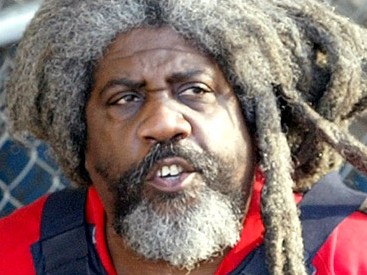
Marcus Wesson
Mass murderer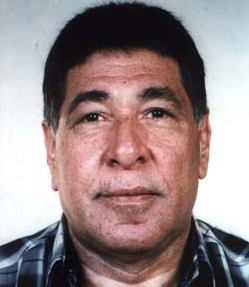 Gameel Al-Batouti
Mass murderer · USA · 1999
Gameel Al-Batouti (also rendered “Gamil ElBatouty” or “El Batouty” in U.S. offi…
216 victims
Gameel Al-Batouti
Mass murderer · USA · 1999
Gameel Al-Batouti (also rendered “Gamil ElBatouty” or “El Batouty” in U.S. offi…
216 victims
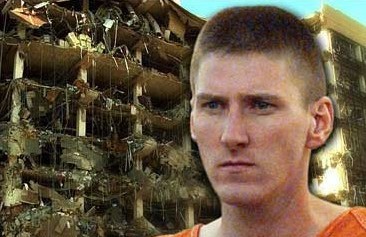 Timothy McVeigh
Mass murderer · USA · 1995
Timothy James McVeigh (April 23, 1968 – June 11, 2001) was a United States Army…
168 victims
Timothy McVeigh
Mass murderer · USA · 1995
Timothy James McVeigh (April 23, 1968 – June 11, 2001) was a United States Army…
168 victims
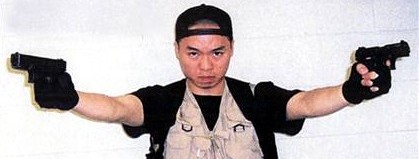 Seung-Hui Cho
Mass murderer · USA · 2007
Seung-Hui Cho was a mass murderer who shot and killed 32 people and wounded man…
32 victims
Seung-Hui Cho
Mass murderer · USA · 2007
Seung-Hui Cho was a mass murderer who shot and killed 32 people and wounded man…
32 victims
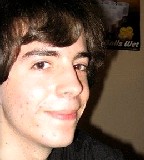 Adam Lanza
Mass murderer · USA · 2012
Adam Lanza, 20, fatally shot twenty children and six adult staff members in a m…
27 victims
Adam Lanza
Mass murderer · USA · 2012
Adam Lanza, 20, fatally shot twenty children and six adult staff members in a m…
27 victims
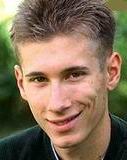 Eric Harris
Mass murderer · USA · 1999
Eric Harris committed suicide by gunshot to the roof of the mouth on April 20,…
13 victims
Eric Harris
Mass murderer · USA · 1999
Eric Harris committed suicide by gunshot to the roof of the mouth on April 20,…
13 victims
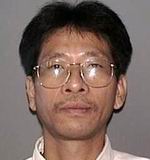 Jiverly Wong
Mass murderer · USA · 2009
December 8, 1967 — Jiverly Antares Wong was born. · late 1980s — Wong first cam…
13 victims
Jiverly Wong
Mass murderer · USA · 2009
December 8, 1967 — Jiverly Antares Wong was born. · late 1980s — Wong first cam…
13 victims
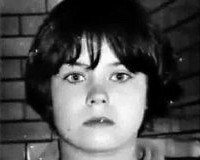 Mary Bell
Homicide · United Kingdom · 1968
Mary Flora Bell was convicted of manslaughter on the grounds of diminished resp…
2 victims
Mary Bell
Homicide · United Kingdom · 1968
Mary Flora Bell was convicted of manslaughter on the grounds of diminished resp…
2 victims
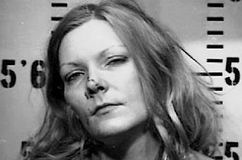 Annika Östberg
Murderer · USA · 1981
Annika Maria Östberg Deasy was born January 6, 1954, in Stockholm, Sweden. She…
2 victims
Annika Östberg
Murderer · USA · 1981
Annika Maria Östberg Deasy was born January 6, 1954, in Stockholm, Sweden. She…
2 victims
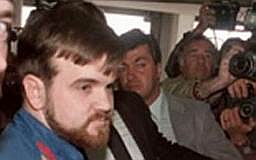 Denis Lortie
Murderer · Canada · 1984
Denis Lortie was a Canadian army corporal in the Royal 22 e Régiment of the Can…
3 victims
Denis Lortie
Murderer · Canada · 1984
Denis Lortie was a Canadian army corporal in the Royal 22 e Régiment of the Can…
3 victims
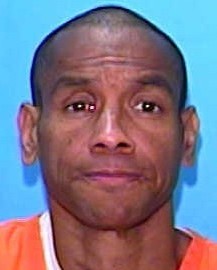 Albert Holland
Murderer · USA · 1990
Defendant: Albert Holland Date of birth: 03/24/58 Jurisdiction: Seventeenth Jud…
1 victim
Albert Holland
Murderer · USA · 1990
Defendant: Albert Holland Date of birth: 03/24/58 Jurisdiction: Seventeenth Jud…
1 victim
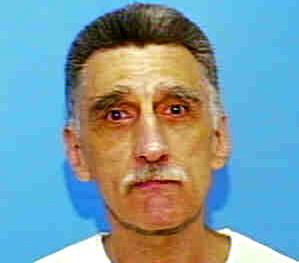 Robert Anthony Buell
Murderer · USA · 1982
Robert Anthony Buell was a former Akron city planner who lived in the nearby to…
1 victim
Robert Anthony Buell
Murderer · USA · 1982
Robert Anthony Buell was a former Akron city planner who lived in the nearby to…
1 victim
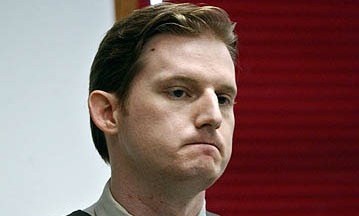 Christian Longo
Mass murderer · USA · 2001
Christian Longo was born on 1/23/74. He was a fugitive wanted on a Lincoln Coun…
4 victims
Christian Longo
Mass murderer · USA · 2001
Christian Longo was born on 1/23/74. He was a fugitive wanted on a Lincoln Coun…
4 victims
- Gender
- male
- Country
- USA
- Location
- Fresno, California, USA
- Date of birth
- August 22, 1946
- Age at first offence
- 58
- Characteristics
- parricide, incest, rape, sexual abuse, drug addict
- Victim profile
- Sebhrenah April Wesson, 25 / Elizabeth Breani Kina Wesson, 17 / Illabelle Carrie Wesson, 8 / Aviv Dominique Wesson, 7 / Johnathon St. Charles Wesson, 7 / Ethan St. Laurent Wesson, 4 / Sedona Vadra Wesson, 2 / Marshey St. Christopher Wesson, 2 / Jeva St. Vladensvspry Wesson, 1
- Method of murder
- Shooting ( .22 caliber handgun)
- Date(s) of murder
- March 12, 2004
- Years active
- 2004
- Date of arrest
- Same day
- Status
-
Sentenced to death
Sentenced to death on June 27, 2005
Case overview
Marcus Delon Wesson was born August 22, 1946. He was an American man convicted of nine counts of first-degree murder and 14 sex crimes, including the rape and molestation of his underage daughters. His victims were his own children, fathered by incestuous relationships with his daughters and nieces, as well as the children by his wife. He was sentenced to death.
Timeline
- March 12, 2004 — Police were summoned to a child custody dispute at Marcus Wesson’s home; a standoff ensued.
- June 17, 2005 — A jury convicted Marcus Wesson of nine counts of first-degree murder and found him guilty on 14 counts of forcible sexual assault and the sexual molestation of seven of his daughters and nieces.
- June 27, 2005 — Marcus Wesson was sentenced to death.
The offence
Marcus Wesson was convicted of murdering nine of his children. After the standoff, the nine bodies of his daughters and their children were discovered in a bedroom filled with antique coffins. Each victim had been shot through the eye. Authorities later described the scene as bodies intertwined with clothing and stacked together in a back bedroom, with bodies entangled such that it took hours to confirm the number of dead.
The victims included seven children aged from 1 to 8, a 20-year-old woman, and a 17-year-old girl. Authorities also removed bodies of two women and seven children during the scene work. The victims ranged in age from 1 to 25, with victims including Sebhrenah Wesson, whose death was treated as the oldest.
Marcus Wesson was also found guilty on 14 counts involving sex crimes. The sex crimes included forcible sexual assault and the sexual molestation of seven of his underage daughters and nieces. The convictions covered rape and molestation of underage daughters and nieces.
Investigation and scene details
Police were called to Marcus Wesson’s home on March 12, 2004, after two Wesson nieces who had escaped from the home went back to try to get their children. Police responded to a child-custody dispute at the home at 761 W. Hammond Ave. Fresno police said it was a child custody dispute, and the standoff followed.
According to police activity described in the case narrative:
- Wesson initially appeared cooperative and talked with officers at the front door.
- He then went into the back bedroom and shut the door.
- About an hour and 20 minutes later he emerged with blood on his clothing and turned himself in.
Fresno police closed off about a square quarter-mile around the house during the standoff, and traffic was snarled on Olive Avenue. Yellow police tape circled roughly 200 feet around the house. Police planned to work through the night and were still finding bodies inside as of midnight.
Coroners began to wheel bodies out at 10:30 p.m. Investigators waited several hours before beginning a close examination of the house and the bus to allow authorities to get proper search warrants.
Authorities did not release identities of the victims initially and did not know whether they were killed in the house or elsewhere. Police believed Wesson had blood on his shirt when he surrendered. Police found 10 unused caskets in a front room of the house.
Several neighbors reported hearing gunshots. A neighbor named Linda Morales, 44, reported hearing two to three gunshots followed by screaming between 2:30 and 3 p.m. Another neighbor reported that they saw Wesson and heard him in a school bus after sunset and well past midnight; the school bus was parked alongside the Hammond house Friday evening.
Authorities planned to search the school bus. Investigators acknowledged they were investigating a possible cult angle. Toxicology tests to see whether the victims were drugged were pending.
Police Chief Jerry Dyer later said: "There may have been some kind of ritual involved, but we have to make that determination."
While the standoff was in progress, people gathered outside the house and some relatives of the dead collapsed. Mayor Alan Autry arrived just before 11:30 p.m. and told reporters: "This is obviously a terrible, horrific tragedy. It appears we have the perpetrator in custody. The only thing we can do now is mourn. We mourn for the kids. We mourn for the police who had to be out here. We mourn for the community." Dyer also said he would appear on the "Today" show.
Police chaplains reported to the building that night to soothe detectives gathering evidence.
Methods and physical findings
The murder weapon was described as a .22 caliber handgun. Police found the gun with the body of Sebhrenah Wesson in the defense narrative, and Sebhrenah’s DNA was found on the gun. Gunshot residue and fingerprint tests were discussed: prosecutors said there were no fingerprints or gunshot residue indicating who fired the murder weapon at the scene, and police later found no gun residue on Wesson in the later narrative about the alternative theory.
Authorities found causes of death described in reporting:
- Cause of death for each individual was described as unique and consistent at an afternoon news conference.
- Cause of death was determined to be immediate "perforation of brain" caused by a gunshot wound to the face for one victim, and Illabelle died of a "contusion of the brain" after being shot in the face.
Letters written by Marcus Wesson about a biographical book and earlier convictions were also described in the case narrative. Evidence collected at the scene included a gun, gun powder residue tests were conducted on Wesson and at least one victim, and fingerprint tests were collected from the gun itself.
Arrest and standoff
Officers were summoned to Wesson’s home about 2:30 p.m. on March 12, 2004, for a child-custody dispute. Wesson refused orders to come out and ran into the house and locked himself inside. Authorities called in the SWAT team, and after about two hours Wesson walked outside and surrendered.
Police later described Wesson as having blood on his clothing when he surrendered.
Victims
Nine people died: seven children and two women. The narrative described the victims as Marcus Wesson’s daughters and children of his daughters and nieces. The victims ranged from age 1 to 25 and each was shot through the eye.
Death certificates were described as filed for the following named victims:
- Sebhrenah April Wesson, 25; (mother—Elizabeth)
- Elizabeth Breani Kina Wesson, 17; (mother—Elizabeth)
- Illabelle Carrie Wesson, 8; (mother—Kiani Wesson)
- Ethan St. Laurent Wesson, 4; (mother Rosie Solorio)
- Sedona Vadra Wesson, 11/2; (mother Rosie Solorio)
- Marshey St. Christopher Wesson, 11/2; (mother—Sabhrenah)
- Jeva St. Vladensvspry Wesson, 1; (mother—Kiani Wesson)
The death certificates for:
- Aviv Dominique Wesson (mother—Ruby Sanchez), 7
- Johnathon St. Charles Wesson (mother –Sofina Solorio), 7 were described as not yet filed at the time of the reporting.
It was also stated that all nine victims were fathered by Wesson, including his daughters Sebhrenah and Kiani and three nieces: Sofina Solorio, Ruby Sanchez, and Rosie Solorio.
Trial
Defence theory
At trial, Wesson was represented by public defenders Peter Jones and Ralph Torres. He offered a defense theory that his 25-year-old daughter Sebhrenah Wesson killed the other victims and then committed suicide. The defense included the assertion that the murder weapon, a .22 caliber handgun, was found with her body and that Sebhrenah’s DNA was found on the gun, lending credence to the defense claim.
Evidence and disputes
Prosecutors argued Marcus Wesson was the triggerman, and also argued that even if Sebhrenah Wesson did the shooting, Wesson could still be found guilty if he encouraged her or if he was part of a conspiracy.
The jury declined to decide that Wesson fired the fatal shots in one described narrative while still convicting him of murder anyway. The jurors ultimately decided Wesson himself pulled the trigger in another described narrative. Witnesses described that Wesson coached the children to be ready to kill each other and themselves if authorities threatened to break up the clan.
Jury and counsel
It was stated that many potential jurors were excused after claiming to be "terrified" to be in the same room with Wesson. At one point, the jury took more than two weeks to find Wesson guilty on nine counts of first-degree murder.
Sentencing
Marcus Wesson was sentenced to death on June 27, 2005. Prosecutors and reporting described that he could get the death penalty after his murder conviction.
Aftermath and subsequent legal context mentioned
Reporting described that the jury would return for the penalty phase after June 17, 2005. The case narrative also described Wesson as having delayed his arraignment twice, insisting that he did not want a public defender but wanted to hire his own lawyers, David Mugridge and Gary Harvey, and that it was unclear whether Wesson could afford his own attorney.
Other details
Wesson was described as weighing about 400 pounds. A neighbor described his hair as "one big, long greasy dreadlock. It was just caked in dirt and oil." Neighbors described women in dark robes walking behind him in silence with their eyes downcast.
The narrative described Wesson as a Vietnam veteran originally from San Jose. Neighbors described the household as odd and reported seeing up to six women. One neighbor said the residents were "weird" and "I only saw the older women," describing them as not wanting to look at people.
The narrative described a welfare fraud conviction in 1990 and letters written years earlier to a judge in Santa Cruz County after his conviction of perjury and welfare fraud. In a letter quoted in the narrative, Wesson wrote:
"I knew the Welfare Department illegally obtained the information because I, posing as the actor Richard Widmark, called the tax office … because I wanted to find out why the boat was in my name instead of my wife’s."
The narrative also described that Wesson left the army in 1968, that he moved to San Jose, and that he had one son with Rosemary Maytorena and later married Elizabeth, who was 15 at the time. It described that the family drifted between places, including times living in a 26-foot boat moored in Santa Cruz harbor, a trailer and large army tent in the Santa Cruz mountains, a decaying 63-foot tugboat off the shore of Marin County, and sometimes living in a school bus.
The narrative described that Wesson used the family’s money to buy the Fresno building where the murders took place and that none of the children ever went to school. It also described that Wesson became fascinated with David Koresh during the siege at Waco in 1993 and made his family into a personal cult, described Wesson as Jesus Christ and police officers as Satan. It quoted Wesson instructing children:
"This is how the world is attacking God’s people. This man is just like me. He is making children for the Lord. That’s what we should be doing, making children for the Lord."
The narrative included mention that authorities were using DNA to identify victims, and that the coroner said it did not appear as though any of the victims struggled and the bodies were not multilated.
It also described planned cremation and return of ashes to families at Belmont Memorial Park in Fresno.
A jail report described guards watching Wesson 24 hours a day and that he was to have no contact with any of his family. The narrative also mentioned it being rumored that a suicide pact existed between Wesson and extended family members.
Charge information mentioned in the narrative included that Wesson was charged with nine counts of murder and 13 sex counts, including rape and molestation of girls younger than 14, and later that attorneys filed a motion to dismiss murder charges and claimed that Sebhrenah’s body was on top of the other children and the gun was under her, with wounds consistent with suicide. Judge Lawrence Jones ruled there was sufficient evidence for Wesson to stand trial on charges he killed nine of his children.
The narrative referenced that on Wednesday, April 7, 33 more charges of sexual abuse were filed against Wesson.
Witness names included in the narrative:
- Ruby Ortiz, née Solorio, described as a niece who testified about molestation beginning when she was eight and agreeing to "marry" him at age 13.
- Officer Jerry Dyer, described as a police officer for 25 years.
- Teresa Solorio, described as a sister-in-law who said Wesson was evil and controlling and said: "That was the ultimate control of their life – whether they live or die."
- Rosa Solorio and Elizabeth Breani Wesson, among others, were mentioned in association with victims and family.
Quotations
Police Chief Jerry Dyer said: "There may have been some kind of ritual involved, but we have to make that determination."
Mayor Alan Autry told reporters: "This is obviously a terrible, horrific tragedy. We mourn for the kids. We mourn for the community."
Teresa Solorio said: "That was the ultimate control of their life – whether they live or die."
Wesson wrote in a letter:
Wesson told children:
Neighbor Linda Morales said: "I started shaking because I have two girls at home with me," and "I just got a jingling in me. It could have been my girls. It's just too close."
A neighbor described Wesson’s hair as: "one big, long greasy dreadlock. It was just caked in dirt and oil."
Spotted an error, or have more information about this case?