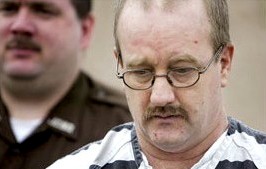
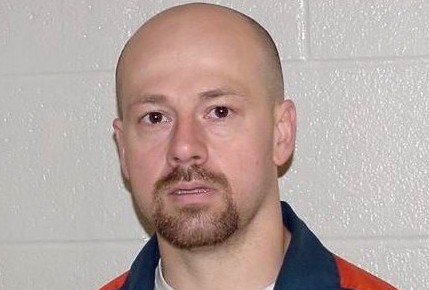
Daniel Woloson
Murderer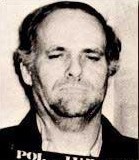 Ervil LeBaron
Murderer · USA · 1972
Ervil Morrell LeBaron (1925 to August 16, 1981) was the leader of a polygamous…
35 victims
Ervil LeBaron
Murderer · USA · 1972
Ervil Morrell LeBaron (1925 to August 16, 1981) was the leader of a polygamous…
35 victims
 Brian Kevin Rosenfeld
Murderer · USA · 1985
Brian Kevin Rosenfeld Brian Kevin Rosenfeld was sentenced to three concurrent l…
23 victims
Brian Kevin Rosenfeld
Murderer · USA · 1985
Brian Kevin Rosenfeld Brian Kevin Rosenfeld was sentenced to three concurrent l…
23 victims
 Marvin Gray
Murderer · USA · 1975
Marvin Gray was convicted killer who claimed responsibility for 23 slayings and…
23 victims
Marvin Gray
Murderer · USA · 1975
Marvin Gray was convicted killer who claimed responsibility for 23 slayings and…
23 victims
 Yahweh ben Yahweh
Murderer · USA · 1980
Yahweh ben Yahweh was born and legally named Hulon Mitchell Jr. (October 27, 19…
23 victims
Yahweh ben Yahweh
Murderer · USA · 1980
Yahweh ben Yahweh was born and legally named Hulon Mitchell Jr. (October 27, 19…
23 victims
 Russell Ellwood
Murderer · USA · 1991
Russell Ellwood was a former taxi driver. Authorities suspected him of killing…
20 victims
Russell Ellwood
Murderer · USA · 1991
Russell Ellwood was a former taxi driver. Authorities suspected him of killing…
20 victims
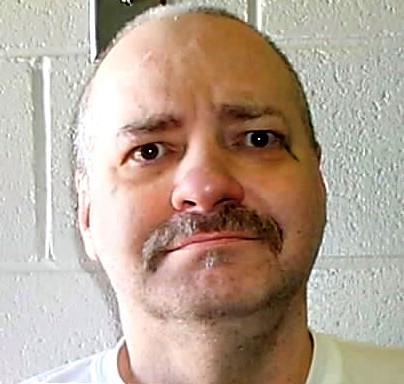 Thomas Creech
Serial killer · USA · 1967
Defendant: Thomas Creech (also referred to as Thomas Eugene Creech) Jurisdictio…
10 victims
Thomas Creech
Serial killer · USA · 1967
Defendant: Thomas Creech (also referred to as Thomas Eugene Creech) Jurisdictio…
10 victims
 Arturo Daniel Aranda
Murderer · USA · 1976
Arturo Daniel Aranda was sentenced to death on May 18, 1979. Aranda Arturo, a 7…
1 victim
Arturo Daniel Aranda
Murderer · USA · 1976
Arturo Daniel Aranda was sentenced to death on May 18, 1979. Aranda Arturo, a 7…
1 victim
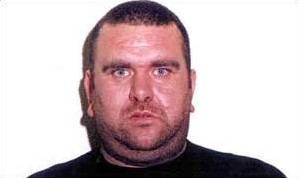 Philip John Smith
Spree killer · United Kingdom · 2000
Philip John Smith was a former fairground worker and taxi driver who was servin…
3 victims
Philip John Smith
Spree killer · United Kingdom · 2000
Philip John Smith was a former fairground worker and taxi driver who was servin…
3 victims
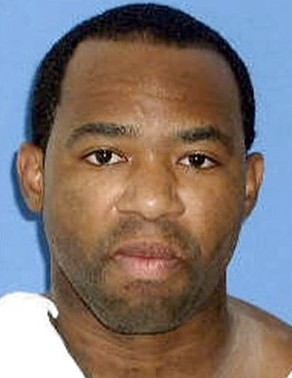 Tommie Collins Hughes
Murderer · USA · 1997
Tommie Collins Hughes was convicted of capital murder for the robbery-related s…
2 victims
Tommie Collins Hughes
Murderer · USA · 1997
Tommie Collins Hughes was convicted of capital murder for the robbery-related s…
2 victims
 Anibal Canales
Murderer · USA · 1997
Anibal Canales, Jr. was convicted in Texas of capital murder and was sentenced…
1 victim
Anibal Canales
Murderer · USA · 1997
Anibal Canales, Jr. was convicted in Texas of capital murder and was sentenced…
1 victim
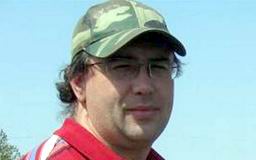 Matej Curko
Murderer · Slovakia · 2010
Matej Curko was an alleged cannibal. · May 10, 2011 — Matej Curko died in a fir…
2 victims
Matej Curko
Murderer · Slovakia · 2010
Matej Curko was an alleged cannibal. · May 10, 2011 — Matej Curko died in a fir…
2 victims
- Gender
- male
- Country
- USA
- Location
- Carbondale, Illinois, USA
- Date of birth
- 1959
- Age at first offence
- 22
- Characteristics
- rape
- Victim profile
- Susan Schumake, 21
- Method of murder
- Strangulation
- Date(s) of murder
- August 17, 1981
- Years active
- 1981
- Date of arrest
- September 23, 2004 (23 years later)
- Status
-
Imprisoned
Sentenced to 40 years in prison on April 26, 2006
Overview
Daniel Woloson was convicted of murdering Susan Schumake, an SIUC (Southern Illinois University Carbondale) student. The case involved that Schumake was raped and murdered on Aug. 17, 1981, while she used a common shortcut across campus known then as the Ho Chi Minh Trail. Woloson was sentenced to 40 years in prison on April 26, 2006.
Timeline
- Aug. 17, 1981 — Susan Schumake was raped and murdered while using the shortcut across SIUC campus known then as the Ho Chi Minh Trail.
- 1981 — A trial resulted in Woloson’s murder conviction being described as occurring in 1981, and Woloson was described as being 22 years old at the time.
- Sept. 23, 2004 — Woloson was arrested and charged with Schumake’s murder.
- Sept. 22, 2004 — Woloson was arrested in Michigan.
- March (year not specified) — A jury deliberated for less than two hours and convicted Woloson of first-degree murder.
- April 26, 2006 — Woloson was sentenced to 40 years in prison.
- March 18, 2006 — Coverage described Woloson guilty of the 1981 murder of Susan Schumake.
- March 19, 2006 — Coverage described the case being closed after a guilty verdict and included details of the verdict and sentencing process.
- May 18, 2006 — Coverage described Woloson being sentenced to 40 years in prison.
The offence
Susan Schumake, a 21-year-old radio and television student, was raped and murdered on Aug. 17, 1981. Her body was found between the railroad tracks and Highway 51, along a pathway known then as the Ho Chi Minh trail. A pedestrian overpass near the Physical Plant was later erected and named in her memory, and a fence prevents access to the trail from the Brush Towers.
The story of the investigation included a focus on DNA technology: investigators created a DNA profile of the person who raped and killed Schumake from DNA evidence, and the profile matched Woloson. One account described that the DNA profile showed a match probability of one out 290 million people.
Woloson was described as being 46 when arrested in 2004, and he was described as being 22 years old when he raped and murdered Schumake. He was described as working at the Quadrangle Apartment, performing maintenance labor. Authorities said Woloson was a convicted burglar out on parole at the time of the slaying and was not an SIU student.
Investigation
Advances in DNA technology were described as helping create a DNA profile of the person who raped and killed Schumake. The DNA profile was later used to link Woloson to the crime.
Jackson County State’s Attorney Michael Wepsiec said that the DNA evidence in the case was reliable, and he made arguments during closing statements about DNA matching the profile created from evidence.
Carbondale police Sgt. Paul Echols was described as starting work at the department one week before Schumake was killed and as keeping in contact with the Schumake family over the years. Echols discussed advancing DNA technology with state police. When technology advanced, a DNA profile was made of the unknown male DNA found in Schumake’s vagina after she was raped. After Echols had a profile, he went back to other suspects.
One narrative described that police first believed convicted serial killer John Paul Phillips was guilty of the murder. It said Phillips was ruled out after exhuming his body when he died in 1993 and testing his femur for DNA. It also said that besides Woloson, two other suspects were ruled out by DNA testing.
Woloson was asked to provide DNA but refused and denied any connection to Schumake.
Echols talked to Michigan police, conducted surveillance, and obtained a break when cigarette butts from a car Woloson recently sold were obtained. DNA from the cigarette butts matched the unknown male profile linked to the murder. Echols obtained a search warrant, went to Michigan, and arrested Woloson for the murder.
Another narrative described that Lowell McGee, a retired SIUC police detective, said he had a feeling it was Woloson all along. It said McGee interviewed Woloson days after the murder and set up another meeting, but Woloson never showed. It also said that in 1981, McGee made the trip to the Joliet Corrections department to visit Woloson, who was serving time for a parole violation on a prior burglary conviction.
A separate narrative described that Echols, then a crime scene technician in Carbondale, used DNA technology to exclude Phillips as a suspect in 2001. It described that Echols applied latent fingerprint recovery and sent biological evidence to the state police forensic crime lab, and that a DNA profile of the killer was created using a femur taken from Phillips’ exhumed body. It also described that Echols collected blood standards from two other suspects and excluded them.
That narrative described that in 2004 Echols used DNA collected from cigarette butts in a car previously owned by Woloson to create a profile, which matched the killer’s. It then described that it was enough to get a court order demanding a blood standard from Woloson and that this, along with Woloson’s admission that he had Susan Schumake’s backpack within days of her murder, contributed to the arrest warrant. The narrative said Woloson’s admission placed him within yards of the murder scene.
Arrest
Woloson was arrested in Michigan on Sept. 22, 2004. He was later described as being arrested and charged with Schumake’s murder on Sept. 23, 2004.
Trial
A jury convicted Woloson of first-degree murder. Multiple accounts described the deliberations as lasting less than two hours, and another described deliberation for about an hour and a half. It was also described that after four days of testimony, the jury deliberated for less than two hours.
The 12 jurors heard testimony from 19 witnesses. The majority of the witnesses were retired police officers who worked on the case and DNA experts.
Evidence and legal arguments
Closing arguments centered on DNA evidence that was described as a critical part of the case against Woloson.
Prosecution arguments included statements about the DNA in the case. During closing arguments, Wepsiec told the jury to use common sense and convict Woloson, and he gave an analogy about DNA matching across a population size of 290 million people. The argument included the claim that after everyone whose DNA did not match DNA found at the murder scene sat down, only one person would remain standing, and that person was Daniel Woloson.
Verbatim quotations (prosecution and defense)
Jackson County State's Attorney Mike Wepsiec said during his closing argument:
"The DNA in this case doesn't lie,"
"The defendant is the person in this great whodunit. Daniel Woloson is the person who killed Susan Schumake."
During closing statements, Wepsiec told the jury to use their common sense and convict Woloson and he said:
"The statistics given to you (showing that Woloson's DNA matches the DNA profile created from the evidence) are reliable only if the testing procedures are reliable," argued Woloson's attorney, Public Defender Patricia Gross.
Woloson’s attorney, Public Defender Patricia Gross, argued:
"The reality is that contamination is an issue - it is a huge issue. Despite all the safeguards (at the state police forensic crime labs) contamination happens."
During closing statements, Wepsiec argued:
"There was absolutely no evidence presented in this courtroom that proved the slide (used to create the DNA profile compared to Woloson's DNA) was contaminated. There was no DNA (expert) witness called to show that these procedures were invalid... (Woloson) says he didn't know Susan Schumake, didn't see her, didn't have sex with her, didn't kill her. Then how did his DNA end up in her vagina? That's a great piece of reality right there."
Gross also told the jury:
"There is no evidence at all that connects Mr. Woloson to the crime scene," Gross said.
"If you have any doubts about the contamination then you can find that the state has not proven to you beyond a reasonable doubt."
During closing arguments described in another account, Wepsiec said:
Contamination dispute
Gross explained to the jury that the prosecution’s theory was a theory and not a reality. She told the jurors to pay attention to realities of the case including contamination of the DNA. The prosecution admitted one of the DNA swabs was contaminated, while Wepsiec and DNA experts explained that the DNA slide used to create the profile was not. Gross argued there was no evidence at all connecting Woloson to the crime scene and relied on reasonable doubt tied to contamination.
Verdict
After the jury deliberated for about an hour and a half, the verdict was delivered. A guilty verdict was returned for murdering Susan Schumake. The verdict was described as being delivered after nearly two decades of waiting by her family and friends.
Sentencing
The sentencing was described as the maximum allowable under sentencing guidelines in place in 1981.
The accounts also described that after the guilty verdict, deputies shackled Woloson and took him back to jail, where he would remain until sentencing on April 26.
People involved
Victim
- Susan Schumake — 21-year-old SIUC student from Chicago Heights. She was raped and murdered on Aug. 17, 1981. A pedestrian overpass near the Physical Plant was later erected and named in her memory.
Defendant
- Daniel Woloson — Michigan man. He was described as 46 at the time of arrest in 2004 and as 22 at the time of the Aug. 17, 1981 offence. He was described as working at the Quadrangle Apartment performing maintenance labor and as a convicted burglar out on parole at the time.
Prosecutors and defense counsel
- Michael Wepsiec — Jackson County State’s Attorney who prosecuted Woloson.
- Patricia Gross — Woloson’s attorney; Public Defender.
Police and investigators
- Sgt. Paul Echols — Carbondale Police Department started working at the department one week before Schumake was killed; worked on the case and discussed advancing DNA technology.
- Lowell McGee — retired SIUC police detective.
- Lt. McGee — identified as McGee in one narrative; questioned Woloson in 1981 after finding his duffel bag nearby.
- Detective Chief Inspector Alan Reid — not present in the provided text.
- Bob Hopkins — mentioned as Det. Bob Hopkins and McGee picked up Woloson; the quote about feeling involved both names.
Family and witnesses
- John Schumake — Susan Schumake’s brother.
- Mary Giobbi — high school friend of Schumake who traveled from Oregon to hear the verdict; also identified as a close friend in one portion.
- Luanne Blue — another close friend who commented on closure.
- Cass VanDerMeer and Juli Claussen — students at the time of Schumake’s murder who attended Woloson's trial.
- Jackson County State's Attorney Mike Wepsiec — referenced by name.
- Carbondale police Sgt. Paul Echols — referenced by name.
- Lowell McGee — referenced by name.
Other individuals referenced
- John Paul Phillips — later convicted of murder and suspected of killing several young women; was ruled out in relation to Schumake’s murder after DNA testing.
- Susan Schumake’s father — died shortly after Susan’s death from what he said was a “broken heart.” (The text attributes this to John Schumake’s account.)
- Carbondale Police Department and state police forensic crime lab — referenced as entities involved in DNA testing and technology.
Aftermath
After the guilty verdict, Schumake’s family expressed satisfaction and said the case closure could bring closure to Carbondale as well.
John Schumake said he planned to return to Carbondale for Woloson’s sentencing in April and described Susan’s death as affecting his family tremendously. He stated that his father died shortly after Susan’s death from what he described as a “broken heart.” He also stated that the defendant “didn't just hurt my sister,” but “hurt Carbondale and southern Illinois,” describing it as “like an open sore.”
John Schumake created a Web site after Woloson was arrested to provide trial information and updates for family and friends. He wrote about the flowers marking the spot where his sister died and stated that he believed his father, mother and sister could stop pacing the clouds in heaven and rest now.
Lowell McGee was described as having felt it was Woloson all along, and Sgt. Paul Echols was described as being modest and saying he was only a part of a much, much bigger team effort.
Verbatim quotations (other individuals)
Mary Giobbi said:
"Our little friend can finally rest in peace,"
Cass VanDerMeer said:
"Now we know justice can be done,"
Claussen said:
"I am glad we were here for the whole thing."
John Schumake said he and Susan were close friends and that his younger sister's murder affected his family tremendously, and he stated:
"He didn't just hurt my sister, but he hurt Carbondale and southern Illinois. It was like an open sore,"
Jackson County State's Attorney Mike Wepsiec said:
"I have been with this case for nearly two years."
"He said after the trial was delayed so many times, he was unsure of when it would actually happen."
Wepsiec said he can’t allow himself to become emotionally involved:
"You've got to be objective,"
"You have to be able to respond to last minute motions and objections."
Lowell McGee said:
"I was part of a much, much bigger team effort,"
and added: "In my mind, he's been guilty for a long time."
During comments after the verdict, Mary Giobbi said:
"Then when they exhumed Phillips and found he wasn't it, it all started over again,"
Mary Giobbi also said:
"I think the hardest thing was watching her dad become a broken man because of what happened to Susan."
Luanne Blue said:
"She was cheated from so much."
John Schumake said:
"This affected my whole family,"
"He didn't hurt just my little sister. But it hurt Carbondale as well."
"Until this was closed, it was like an open sore."
Other details
Judge and court conditions
Judge Donald Lowery warned the assembly that he wouldn't tolerate “outbursts of any kind” before the clerk read the verdict. There were no outbursts, but there were tears and hugs.
Witness counts and testimony
The jury heard testimony from 19 witnesses, and the majority were retired police officers and DNA experts.
Appeals
No appeals or appeal outcomes were stated in the provided information.
Sentencing guideline context
The sentence was described as the maximum allowable under sentencing guidelines in place in 1981 when he strangled Susan Schumake.
Statute of limitations issue
The text described that Woloson could not be charged with Schumake’s rape because the statute of limitation ran out years ago.
Spotted an error, or have more information about this case?