
Dionne Baugh
Murderer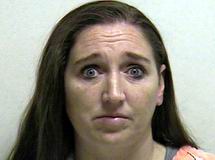 Megan Huntsman
Murderer · USA · 1996
Megan Huntsman was 40 at sentencing. She was a mother of three children who wer…
6 victims
Megan Huntsman
Murderer · USA · 1996
Megan Huntsman was 40 at sentencing. She was a mother of three children who wer…
6 victims
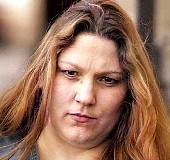 Angela Johnson
Murderer · USA · 1993
Angela Jane Johnson was convicted in federal court of aiding and abetting the m…
5 victims
Angela Johnson
Murderer · USA · 1993
Angela Jane Johnson was convicted in federal court of aiding and abetting the m…
5 victims
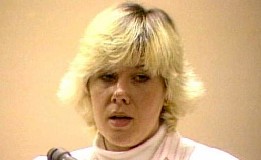 Catherine May Wood
Murderer · USA · 1987
Catherine May Wood was an American caregiver who worked at the Alpine Manor Nur…
5 victims
Catherine May Wood
Murderer · USA · 1987
Catherine May Wood was an American caregiver who worked at the Alpine Manor Nur…
5 victims
 Michele Kalina
Murderer · USA · 1996
Michele Kalina pleaded guilty to murder for one of five infants she initially w…
5 victims
Michele Kalina
Murderer · USA · 1996
Michele Kalina pleaded guilty to murder for one of five infants she initially w…
5 victims
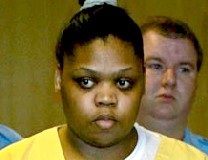 Tiffany Hall
Murderer · USA · 2006
Tiffany Hall was 24 when she was charged in September 2006. She later entered a…
5 victims
Tiffany Hall
Murderer · USA · 2006
Tiffany Hall was 24 when she was charged in September 2006. She later entered a…
5 victims
 Amy Bishop
Murderer · USA · 1986
Amy Bishop — biology professor and perpetrator · James Anderson — Bishop’s husb…
4 victims
Amy Bishop
Murderer · USA · 1986
Amy Bishop — biology professor and perpetrator · James Anderson — Bishop’s husb…
4 victims
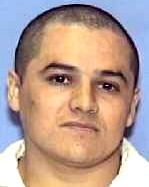 Felix Rocha Estrada
Murderer · USA · 1997
Felix Rocha Estrada was a Hispanic male with hair color not recorded, and he wa…
1 victim
Felix Rocha Estrada
Murderer · USA · 1997
Felix Rocha Estrada was a Hispanic male with hair color not recorded, and he wa…
1 victim
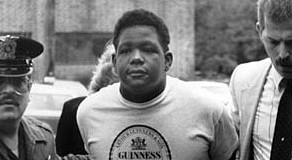 Craig Price
Juvenile serial killer · USA · 1987
Craig Price was a juvenile serial killer from the Buttonwoods neighbourhoods of…
4 victims
Craig Price
Juvenile serial killer · USA · 1987
Craig Price was a juvenile serial killer from the Buttonwoods neighbourhoods of…
4 victims
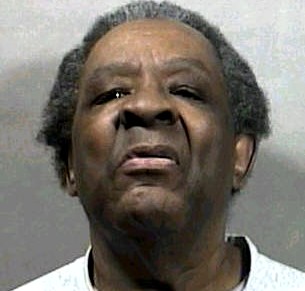 Leroy Snyder
Serial killer · USA · 1969
Leroy Snyder was a 38-year-old junkyard laborer. He was charged with the murder…
7 victims
Leroy Snyder
Serial killer · USA · 1969
Leroy Snyder was a 38-year-old junkyard laborer. He was charged with the murder…
7 victims
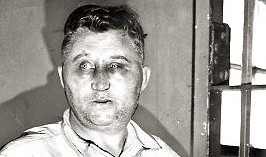 Herman Drenth
Murderer · USA · 1931
Herman Drenth was also known by the aliases Harry F. Powers and Cornelius O. Pi…
5 victims
Herman Drenth
Murderer · USA · 1931
Herman Drenth was also known by the aliases Harry F. Powers and Cornelius O. Pi…
5 victims
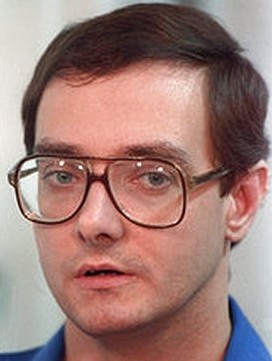 Roger Keith Coleman
Murderer · USA · 1981
Roger Keith Coleman Roger Keith Coleman was born on Nov. 1, 1958. When he was 2…
1 victim
Roger Keith Coleman
Murderer · USA · 1981
Roger Keith Coleman Roger Keith Coleman was born on Nov. 1, 1958. When he was 2…
1 victim
- Gender
- female
- Country
- USA
- Location
- Roswell, Georgia, USA
- Date of birth
- 1969
- Age at first offence
- 27
- Characteristics
- jealous rage
- Victim profile
- Lance Herndon, 41 (her millionaire lover)
- Method of murder
- B ludgeoned to death with an object that was never found
- Date(s) of murder
- August 8, 1996
- Years active
- 1996
- Date of arrest
- January 1998
- Status
-
Released in July 2011 after a sentence of 10 years in prison for voluntary manslaughter; life sentence overturned and conviction reversed following appeal; pled guilty to voluntary manslaughter on September 27, 2004 after an overturned murder conviction
Background
Dionne Baugh was a Jamaican native who lived in Atlanta, Georgia. After her divorce, things were reported to be going well. She had a job and a boyfriend, and she had been arrested for making a scene outside a man’s home.
Baugh began dating local businessman Lance Herndon. The relationship involved allegations that Herndon had been involved with other women, including an instance when Baugh caught him with another woman and she was arrested for making a scene outside his home.
Baugh had a husband and a young daughter in her native Jamaica. She studied finance at Georgia State University and worked as an executive secretary at MARTA, the Metropolitan Atlanta Rapid Transit Authority. She owned a home in Norcross.
The offence
Lance Herndon was found bludgeoned to death in his bedroom in his upscale home in Roswell, Georgia. His nude body was partially covered with a sheet in his waterbed in the home’s masterbedroom suite. His head had been crushed by repeated blows from a blunt instrument. There were no defensive wounds on the body, indicating that the victim was ambushed.
The medical examiner testified that the victim had received a single, non-fatal blow to the back of the head that possibly disoriented him, and multiple blows to the front and right side of his face that crushed all the facial bones inward and caused death. The medical examiner also testified that a wrench identified by the victim’s housekeeper as similar to the one on a household counter before the victim’s death and missing since could have inflicted the fatal blows.
The prosecution described the case as involving wealth, sex, and greed that ended in a bloodbath. Herndon was described as the owner and founder of a multimillion-dollar corporation. His computer consulting firm, Access Inc., developed software for Fulton County’s 911 system.
The defense characterized much of the evidence as circumstantial and disputed the prosecution’s theory that Baugh killed Herndon.
Alleged relationship and motive details
The prosecution theory was that Lance Herndon had grown tired of Dionne Baugh and wanted to end their relationship. Authorities claimed that Herndon told friends he was weary of Baugh’s controlling, obsessive behavior and wanted to get rid of her.
The prosecution also theorized that anger and greed were fueled by Baugh’s August 8 court appearance, alleging that the final straw may have been that Baugh learned Herndon no longer intended to fulfill his promise to appear in court and drop the charges against her.
The prosecution’s theory placed Baugh at Herndon’s house sometime around midnight on August 7 or 8. The prosecution believed the couple had sex and that Baugh straddled a dozing or unsuspecting Herndon and beat him over the head with a large, heavy object. The prosecution asserted that Herndon kept a large crescent wrench in his house, but it was not found after the killing. The prosecution theorized Baugh took a shower to wash off blood, helped herself to Herndon’s jewelry and one of his credit cards, and unplugged his alarm clocks so they would not attract attention when Herndon’s employees began to arrive around 7:30 a.m. The prosecution asserted that only someone familiar with Herndon’s sleeping and working habits would have known to unplug the clocks.
After the murder, police found that all alarm clocks had been unplugged and the phone beside the victim’s bed was also unplugged. The heater in Herndon’s waterbed kept his body temperature from falling below 87 degrees, and the exact time of death could not be determined; the medical examiner estimated he had been dead about six to eight hours by the time his body was discovered shortly after 10:00 a.m.
Investigation
Police began suspecting Baugh early, but the case against her was initially too weak to warrant an arrest. Authorities kept an eye on her over the next year.
Authorities first went to question Baugh hours after Herndon’s body was discovered, but no one answered their knocks. After speaking with a neighbor, police left. The neighbor later told police that Dionne Baugh had come over immediately after police left to find out what they wanted. The neighbor reported that Baugh said she had been in the shower when authorities knocked. Police said this was hard to believe because Baugh was wearing a business suit, had dry hair, and was in full daytime make-up.
Police went to Baugh’s home to wait for her return. About 20 minutes after arrival, police said Baugh returned home and collapsed and got hysterical after allegedly learning of Herndon’s death; police said she shed no actual tears.
In an interview with police later that afternoon and in a subsequent videotaped interview at the Roswell P.D. nine days later on August 17, Baugh denied knowing anything about Herndon’s death. She said she had driven her husband and daughter, who had been visiting from Jamaica, to the airport on the evening of August 7 and then returned home. She said Herndon briefly visited her home sometime between 9:00 and 10:30 p.m. the night before Herndon’s body was discovered and brought her his IBM ThinkPad laptop computer. She said Herndon then left her home.
Despite repeated questioning, Baugh maintained she never went to Herndon’s home the night he was killed. She also maintained that the relationship was solid and that she and Lance were truly in love.
In January 1998, police obtained information leading to an arrest. Police learned that Baugh had spoken to her mother-in-law, Barbara Nelson, a few weeks after the murder. Police alleged that during that conversation Baugh admitted she had been to Herndon’s home on the night he was killed, contradicting what she told police.
Baugh was arrested and charged with malice murder, felony murder, aggravated assault, two counts of theft by taking, and financial transaction card fraud. If convicted of either murder charge, she faced life in prison.
Arrest
Police arrested Baugh in January 1998. The charges included malice murder, felony murder, aggravated assault, two counts of theft by taking, and financial transaction card fraud.
Trial
First trial and conviction
On April 17, 2001, a jury found Baugh guilty on all six counts. The jury returned guilty verdicts on malice murder, theft by taking, and financial transaction card fraud, along with additional counts that were later addressed through vacating and merging.
During jury deliberations, defense lawyer Gere Quinn made a motion for a mistrial, alleging prosecutor Clint Rucker was not licensed to practice law in Georgia due to his law license being suspended for failure to pay bar association dues. Rucker claimed the non-payment was an oversight and said he was embarrassed. Judge Jerry Baxter denied the mistrial following a hearing.
The trial court sentenced Baugh to life in prison on April 20 for the malice murder conviction. The trial court also imposed a concurrent five-year sentence for theft by taking and a concurrent two-year sentence for financial transaction card fraud. The felony murder conviction was vacated by operation of law and the aggravated assault conviction merged as a matter of fact into the malice murder conviction. The trial court merged the two theft by taking convictions into one after finding all the property was taken from one victim.
Appeal and reversal
Baugh’s appeal challenged the admission of hearsay testimony. On July 10, 2003, the Georgia Supreme Court reversed the judgment of conviction, finding that hearsay testimony by lead investigator William Anastasio had been erroneously admitted during the trial. The hearsay included statements made to him by five witnesses—two employees of the victim, two former girlfriends of the victim, and the former mother-in-law of Baugh—along with statements from Baugh’s mother-in-law. The Georgia Supreme Court concluded the improper admission was harmful error and reversed. The court’s judgment stated: “Judgment reversed.”
Second trial and mistrial
After reversal, the case was tried again in October 2003. During this second trial, the jury deliberated and maintained they were “hopelessly deadlocked,” and the judge declared a mistrial on Nov. 8, 2003, four days after deliberations began.
Third trial and plea
A third trial was scheduled to start on Monday, September 27, 2004. Instead of proceeding to that trial, Baugh pled guilty to voluntary manslaughter and was sentenced to 10 years in prison and 10 years’ probation.
Baugh could have faced an automatic life sentence if she had been convicted of murder. She had been convicted of murder by a Fulton jury in 2000, but that conviction was overturned on appeal due to improper hearsay testimony by a police officer.
Baugh pleaded guilty to one count of voluntary manslaughter in the Fulton County Court in Atlanta and was sentenced on September 27, 2004.
Sentencing
After the first conviction in 2001, Baugh was sentenced to life in prison on April 20, 2001 for malice murder, with concurrent sentences for theft by taking and financial transaction card fraud.
After the conviction was reversed and a third trial was anticipated, Baugh pleaded guilty to voluntary manslaughter on September 27, 2004. She was sentenced to 10 years’ imprisonment and 10 years’ probation.
Appeals
Baugh appealed the judgment of conviction after a jury found her guilty of malice murder, theft by taking, and financial transaction card fraud connected with the death of Lance Herndon.
The Georgia Supreme Court reversed the conviction on July 10, 2003 due to the erroneous admission of hearsay testimony by lead investigator William Anastasio. The judgment stated “Judgment reversed.”
Outcome
Baugh’s murder conviction was reversed and her sentence of life imprisonment was overturned following appeal. After a deadlocked second jury and a third trial being set, Baugh pled guilty to voluntary manslaughter on September 27, 2004 and received a sentence of 10 years’ imprisonment.
Baugh remained behind bars, including at medium-security Pulaski State Prison in Hawkinsville, after the guilty plea and sentencing. She was released in July 2011.
A spokeswoman for the Georgia Department of Corrections, Kristen Stancil, said Baugh was released in July and was serving a 10-year probation.
Other details
Victim details and scene findings
Lance Herndon was 41 at the time of his death and was a Roswell millionaire. He was found on August 7, 1996 in the bedroom of his home by his mother after employees working in his basement office grew concerned when he did not show for work and did not return their calls.
Herndon’s mother, Jackie Herndon, discovered his body after he had not been seen in his office. Her efforts to revive him were unsuccessful.
The victim’s head had been bloodied. His head had been crushed by repeated blows from a blunt instrument, and the medical examiner testified that the pattern of injuries caused death.
There were no defensive wounds. Police found the victim’s wallet and several credit cards untouched on a dresser in the bedroom. His shirt and pants worn the previous evening were missing.
A bloody pillowcase, perhaps used to wipe off blood after the attack, was discovered stuffed into the toilet in the master bathroom. Police found that the alarm clocks were unplugged and the phone beside the victim’s bed was also unplugged.
Investigation evidence described in appellate decision
The state presented evidence that Baugh, one of several of the victim’s lovers, had been arrested for criminal trespass outside the victim’s home a month earlier, and the court date for the charges was the day the victim was found dead.
The appellate decision described the evidence presented at trial:
- The medical examiner testified that a wrench identified as similar to the one on a household counter before the victim’s death and missing since could have inflicted the fatal blows.
- DNA under the victim’s fingernails was determined to be that of the victim and that of appellant.
- A forensic expert testified that two head hairs and one pubic hair lifted from the victim’s nude body were similar enough to samples obtained from appellant that they could have originated with appellant.
- A blood spatter expert testified the assailant was on the bed, possibly straddling the victim, at the time the wounds were inflicted.
- Telephone records and witnesses who spoke with the victim indicated he was at his home during the timeframe when appellant said he visited her.
- Police found several documents awaiting the victim’s signature in a search of appellant’s purse nine days after the victim was killed, including: a document stating the car appellant was driving had been purchased by the victim and would be given to appellant if the victim died; another purported agreement acknowledging their romantic relationship and stating the car would belong to appellant if appellant stayed in the relationship until July 1998; and a third unsigned document summarizing the circumstances of the criminal trespass case and the victim’s desire that the charges be dropped.
- A laptop computer missing from the victim’s business office in his home and valued at $3500 was found in appellant’s possession without the carrying case the victim insisted be used when it was borrowed.
- Evidence included that appellant, giving the name Dionne Herndon, used a credit card issued to the victim to purchase furniture on the day the victim was found dead.
Defense position described in appellate decision
The appellate decision states that appellant contended the circumstantial evidence was not sufficient to authorize her convictions.
The appellate decision quoted standards for determining sufficiency of the evidence in convictions based entirely on circumstantial evidence:
“The correct rule for determining the sufficiency of the evidence in convictions based entirely on circumstantial evidence is that questions as to reasonableness are generally to be decided by the jury which heard the evidence and where the jury is authorized to find that the evidence, though circumstantial, was sufficient to exclude every reasonable hypothesis save that of the guilt, the appellate court will not disturb that finding, unless the verdict of guilty is unsupportable as a matter of law. [Cit.]. Roper v. State, 263 Ga. 201(1), 429 S.E.2d 668 (1993).” and “After reviewing the evidence [in this case] in a light most favorable to the prosecution, we find that the evidence is sufficient to have authorized the jury to find that the State excluded all reasonable hypotheses except that of the defendant's guilty, and to have authorized any rational trier of fact to find the defendant guilty beyond a reasonable doubt. Jackson v. Virginia, 443 U.S. 307, 99 S.Ct. 2781, 61 L.Ed.2d 560 (1979).” Id.
The appellate decision also discussed appellant’s claim that the trial court erred by permitting lead investigating detective to testify to the contents of out-of-court statements made by five witnesses and that the testimony amounted to testifying to the ultimate issue and improper opinion testimony. The court explained that certain prior consistent statements were inadmissible hearsay and concluded the erroneous admission was harmful because the case involved circumstantial evidence and credibility.
Witness deadlock quote and reversal statement
The judge declared a mistrial after jurors maintained they were “hopelessly deadlocked.”
The Georgia Supreme Court issued the judgment:
“Judgment reversed.”
Credits and attorneys named
Lead prosecutor: Clint Rucker. Defense attorneys: Tony Axam and Don Samuel; motion by defense lawyer Gere Quinn. Judge: Jerry Baxter. Appellate counsel listed in the Georgia Supreme Court material included Donald F. Samuel, William Charles Lea, Garland, Samuel & Loeb, P.C., Tony L. Axam, Axam, Adams & Secret, P.A., Atlanta, for Appellant; Paul L. Howard, Jr., Dist. Atty., Anna Elizabeth Green, Asst. Dist. Atty., Bettieanne C. Hart, Deputy Dist. Atty., Thurbert E. Baker, Atty. Gen., Madonna Marie Heinemeyer, Asst. Atty Gen., Atlanta, for Appellee.


Spotted an error, or have more information about this case?