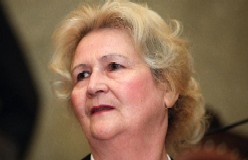
Elfriede Blauensteiner
Serial killer Waltraud Wagner
Serial killer · Austria · 1983
Waltraud Wagner was an Austrian nurse nicknamed a “Death Angel.” She was 49 at…
15 victims
Waltraud Wagner
Serial killer · Austria · 1983
Waltraud Wagner was an Austrian nurse nicknamed a “Death Angel.” She was 49 at…
15 victims
 Martha Marek
Serial killer · Austria · 1932
Martha Lowenstein Marek was guillotined in Vienna on December 6, 1938. Martha M…
4 victims
Martha Marek
Serial killer · Austria · 1932
Martha Lowenstein Marek was guillotined in Vienna on December 6, 1938. Martha M…
4 victims
 Max Gufler
Serial killer · Austria · 1946
Max Gufler was described as Austria’s “Bluebeard.” He lived in a lower Austrian…
18 victims
Max Gufler
Serial killer · Austria · 1946
Max Gufler was described as Austria’s “Bluebeard.” He lived in a lower Austrian…
18 victims
 Sara María Aldrete
Serial killer · Mexico · 1987
Sara María Aldrete (born September 6, 1964 in Matamoros, Tamaulipas, Mexico) wa…
15 victims
Sara María Aldrete
Serial killer · Mexico · 1987
Sara María Aldrete (born September 6, 1964 in Matamoros, Tamaulipas, Mexico) wa…
15 victims
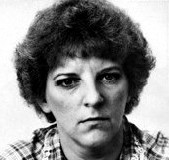 Genene Jones
Serial killer · USA · 1977
Genene Anne Jones (born July 13, 1950) was a former pediatric nurse who worked…
11 victims
Genene Jones
Serial killer · USA · 1977
Genene Anne Jones (born July 13, 1950) was a former pediatric nurse who worked…
11 victims
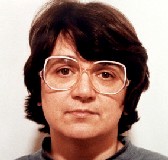 Rosemary West
Serial killer · United Kingdom · 1971
Rosemary Pauline “Rose” West (née Letts) Rosemary Letts was born in Barnstaple,…
10 victims
Rosemary West
Serial killer · United Kingdom · 1971
Rosemary Pauline “Rose” West (née Letts) Rosemary Letts was born in Barnstaple,…
10 victims
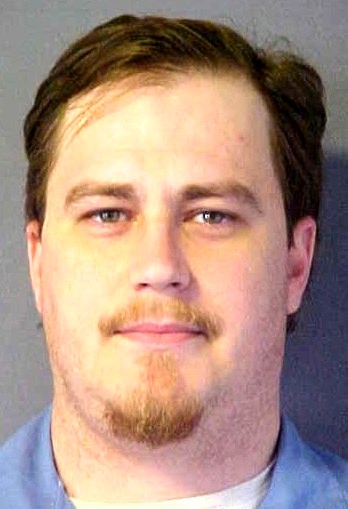 James Malicoat
Murderer · USA · 1997
James Patrick Malicoat was executed in Oklahoma in August 2006 after being conv…
1 victim
James Malicoat
Murderer · USA · 1997
James Patrick Malicoat was executed in Oklahoma in August 2006 after being conv…
1 victim
 Tony Protopappas
Serial killer · USA · 1982
Tony Protopappas Tony Protopappas was a local dentist. He operated a high-volum…
3 victims
Tony Protopappas
Serial killer · USA · 1982
Tony Protopappas Tony Protopappas was a local dentist. He operated a high-volum…
3 victims
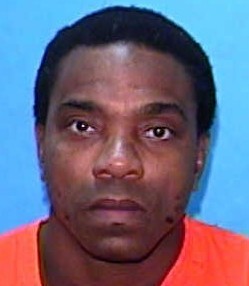 Ronnie Ferrell
Murderer · USA · 1991
Ronnie Ferrell was sentenced to death on December 17, 1993. He was indicted in…
1 victim
Ronnie Ferrell
Murderer · USA · 1991
Ronnie Ferrell was sentenced to death on December 17, 1993. He was indicted in…
1 victim
 Mischa Ebner
Murderer · Switzerland · 2002
Mischa Ebner was a Swiss man who was accused of stabbing two young women near B…
1 victim
Mischa Ebner
Murderer · Switzerland · 2002
Mischa Ebner was a Swiss man who was accused of stabbing two young women near B…
1 victim
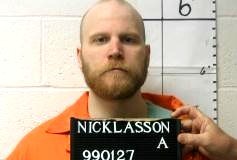 Allen Nicklasson
Murderer · USA · 1994
Allen Nicklasson · late August 1994 — Dennis Skillicorn, Allen Nicklasson, and…
3 victims
Allen Nicklasson
Murderer · USA · 1994
Allen Nicklasson · late August 1994 — Dennis Skillicorn, Allen Nicklasson, and…
3 victims
- Gender
- female
- Country
- Austria
- Location
- Vienna, Austria
- Date of birth
- January 22, 1931
- Age at first offence
- 50
- Characteristics
- poisoner, inheritance, drug addict
- Victim profile
- Her husband, two former lovers and two other men
- Method of murder
- Poisoning ( Euglucon)
- Date(s) of murder
- 1981 - 1995
- Years active
- 1981–1995
- Date of arrest
- January 1996
- Status
-
Died in custody
Sentenced to life in prison in 1997 and 2001; died on November 18, 2003
Case identification
Elfriede Blauensteiner (born 22 January 1931 in Vienna; died 18 November 2003) was an Austrian serial killer known as the "Black Widow". She murdered at least three victims by poison. In each case, she inherited the victim's possessions.
Timeline
- 1981 — Blauensteiner poisoned the janitor of her apartment building and was involved in what was described as helping him commit suicide.
- August 1992 — Blauensteiner's second husband, Rudolf Blauensteiner, died after being in a coma for 10 days.
- 1992 — Four months after Rudolf Blauensteiner's death, a wealthy woman who was Blauensteiner's neighbour died after being cared for by her, after having changed her will in favour of "Frau Elle".
- 1994 — Blauensteiner met retired Friedrich Doecker (64) and married him.
- November 1995 — Alois Pichler (77) died a few months after meeting Blauensteiner through a newspaper ad.
- February 10, 1997 — Blauensteiner's trial in Krems started.
- March 7, 1997 — Blauensteiner was found guilty of first degree murder of Alois Pichler and was sentenced to life in prison.
- 2001 — A second trial took place after exhumation of two more suspected victims confirmed more traces of deadly caretaking and Euglucon.
- 18 November 2003 — Blauensteiner died of a brain tumor in a Vienna hospital.
Background
Blauensteiner was an Austrian widow and was described as having two obsessions: gambling and an interest in pharmacy. She was an obsessive gambler, and authorities believed she killed to fuel her expensive addiction. She was convicted of murder in multiple cases and served a life term in Austrian Prison "Schwarzau".
She was also described as having an interest in drugs to lower blood sugar, including after treating a diabetic male friend who died in 1986.
The offence
Blauensteiner poisoned multiple victims. She was said to have given Euglucon to her victims to lower blood sugar, combined with an antidepressant. Before she killed her victims, they had her possession and real estate properties bequeaths. In at least one case, the prosecution accused her of putting at least 70 doses of Euglucon in a victim's milk. The first trial focused on the murder of Alois Pichler.
Alois Pichler (first trial)
Alois Pichler was a 77-year-old pensioner who died in November 1995 a few months after meeting Blauensteiner through a newspaper ad. Prosecutors accused Blauensteiner of putting at least 70 doses of Euglucon in his milk.
Blauensteiner gave him 20 anti-depressant tablets the day before his death. She left him in a room with the windows open all night and then put him in a cold bath, which was described as causing his fatal heart attack. Prosecutors also accused Harald Schmidt, Blauensteiner's former attorney, of helping her put the pensioner in the tub and of falsifying his will so that she could collect an inheritance.
In the narrative of the case, Blauensteiner was described as the "merry widow" who faked Pichler's last will in her favour for a profit of appr. 190,000 EURO. Another version stated that the accused inheritance was $100,000. A victim's nephew, who meant to be heir, became suspicious and informed police.
Blauensteiner confessed immediately to five murders, including her first husband Rudolf Blauensteiner, using the drug Euglucon to lower blood sugar, but withdrew her confessions soon after. The autopsy of Alois Pichler was described as proving a fatal dose of Anafranil, an antidepressant, and also finding traces of Euglucon.
It was further described that Blauensteiner and Harald Schmidt dragged Alois Pichler into a bathing tub, showered him with cold water, opened the windows to winter temperatures, and left him to his fate.
Additional suspected victims and second trial
A second trial occurred in 2001 after exhumation of two more suspected victims. Traces of Euglucon and more evidence of deadly caretaking were described as being confirmed after exhumation. The second trial was held despite an Austrian law constraint described as not allowing an additional verdict after the maximum penalty; it was said to be held anyway "for psychological reasons".
Two additional deaths were described:
- A wealthy neighbour, Franziska Koeberl (84), who had handed Blauensteiner a savings book with appr. 170,000 EURO and the password "heaven" in 1992. Koeberl was then cared for by Blauensteiner after which she was diagnosed with "low blood sugar level".
- Blauensteiner met retired Friedrich Doecker (64) in 1994 and married him. The honeymoon period ended when Doecker transferred his house over to Blauensteiner, and his blood sugar level was described as having a fatal effect.
In a narrative segment, Blauensteiner was described as falsifying a will to pocket a $15,000 inheritance from an octogenarian companion who died of cancer before she could interfere with healthcare, with additional description that she falsified his will.
The death of her first husband, Rudolf Blauensteiner, was not subject of the trial. It was stated that Blauensteiner admitted she "experimented" with Euglucon for him gaining weight. Rudolf Blauensteiner was said to have died in August 1992 after being in a coma for 10 days.
Investigation and confession
On her first day in court, Blauensteiner appeared in a beige suit and held a little golden crucifix.
At first, she was described as confessing to killing five people, and later withdrawing her confessions soon after. Her confession included Rudolf Blauensteiner and other men. She was described as saying: "They deserved to die."
She was described as telling the court that she believed in her innocence and later made statements including that her hands were clean.
In one narrative segment, she was described as blaming the presence of drugs in the victims on the pathologist.
Verbatim quotations
Elfriede Blauensteiner told reporters: "My hands are clean. I've nothing to hide" "I would never kill. I believe in my innocence." "Death is only the beginning of eternal life."
Arrest and detention
The record described Blauensteiner being condemned and that she sat some years in a woman Mrs. Schwarzau before she died in 2003 at the age of 72 years as a consequence of a brain tumor. She also served a life term in Austrian Prison "Schwarzau".
Trial
Krems trial (1997)
Blauensteiner's trial in Krems started on February 10, 1997. The trial was described as drawing a sell-out event with a tumultuous crowd of journalists and cameramen around the courthouse. Blauensteiner fielded questions from reporters while holding a little golden cross and repeatedly claimed innocence.
On March 7, 1997, a jury in Krems found Blauensteiner guilty of the first degree murder of Alois Pichler and sentenced her to life in prison, described as the maximum sentence possible, for poisoning her geriatric lover.
Harald Schmidt, described as Blauensteiner's former lawyer, received seven years for helping her with the crime and forging the victim's will.
Prosecutorial accusations and evidence description
Friedrich Kutschera, the state prosecutor, accused Blauensteiner of putting at least 70 doses of Euglucon in Alois Pichler's milk. The day before the widower's death, she gave him 20 anti-depressant tablets, left him in a room with windows open all night, and then put him in a cold bath, leading to a fatal heart attack. The prosecutor also accused Harald Schmidt of helping place Pichler in the tub and of falsifying his will so she could collect an inheritance.
The narrative described that the autopsy proved a fatal dose of Anafranil and traces of Euglucon. It also described the actions leading up to Pichler's death, including dragging him into a bathing tub, showering with cold water, opening windows to winter temperatures, and leaving him.
Second trial (2001)
In 2001, a second trial took place after exhumation of two more suspected victims confirmed more traces of deadly caretaking and Euglucon. It was described as involving public discussion about the costs because Austrian law did not allow an additional verdict after the maximum penalty, but the trial was held anyway "for psychological reasons".
The jury convicted Blauensteiner in two more cases of murder. Blauensteiner's second conviction was included in her sentenced status of life in prison in 2001.
Sentencing
Blauensteiner was sentenced to life in prison in 1997 for first degree murder of Alois Pichler. Her attorney Harald Schmidt was sentenced to seven years for helping with the crime and forging the victim's will.
A second life sentence was included for 2001 after the second trial convicted her in two more cases of murder.
Appeals
The record included a mention of the OGH at that time president Johann Rzeszut speaking about an injustice dimension that was described as too large for a terrestrial court of justice. It also stated that their defence counsel was the Austrian Elmar Kresbach.
Outcome
Blauensteiner received life sentences in 1997 and 2001. She died on 18 November 2003. She died from a brain tumor in a Vienna hospital.
Aftermath and post-trial narrative
The narrative stated that Blauensteiner released her memoirs in the Austrian weekly "News". It also stated that in her memoirs she claimed she had done nothing evil because she only wanted to help her husbands. It said she still hoped to marry again once her legal troubles washed over. The narrative also stated that the Black Widow's announced memoirs had never been published.
The record described that she served her life term in Austrian Prison "Schwarzau" and complained about the movie "Die Gottesanbeterin" (The Mantis) as basing on her story.
Other details
Blauensteiner was described as known by multiple aliases in the narrative, including "Frau Elle", "Elle", "Elfi", "Sugar", and the "Black Widows" nickname.
It was described that she had 230 visits to casinos per year. It also said she had released memoirs in the Austrian weekly "News" and that the announced memoirs had never been published.
A separate narrative segment described her first victim as the janitor of her apartment building, whom she "helped commit suicide" in 1981 because he was abusing his wife and children.
Another narrative segment described a further wealthy woman neighbour who died after being cared for by her, and that she had changed her will in favour of Frau Elle.
A different narrative segment described a 65-year-old man whom she met through a newspaper personal ad and who died after spending a year in her care in June 1995.
It also described an octogenarian companion who died of cancer before she could interfere with his healthcare, and that she falsified his will to pocket a $15,000 inheritance.
One narrative segment described a survivor who had said that after eating a meal cooked by Blauensteiner he never felt worse than he did, despite having fought in World War II and being a prisoner of war in Russia for five years.
The record described Blauensteiner's court appearances as legendary and partly pointed any debt from itself. It also said she had appeared with a golden crucifix, stretched, and said: "I washes my hands in innocence" .
Spotted an error, or have more information about this case?