
Antoinette Frank
Murderer Megan Huntsman
Murderer · USA · 1996
Megan Huntsman was 40 at sentencing. She was a mother of three children who wer…
6 victims
Megan Huntsman
Murderer · USA · 1996
Megan Huntsman was 40 at sentencing. She was a mother of three children who wer…
6 victims
 Angela Johnson
Murderer · USA · 1993
Angela Jane Johnson was convicted in federal court of aiding and abetting the m…
5 victims
Angela Johnson
Murderer · USA · 1993
Angela Jane Johnson was convicted in federal court of aiding and abetting the m…
5 victims
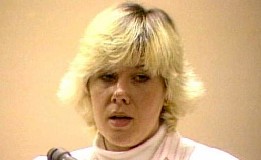 Catherine May Wood
Murderer · USA · 1987
Catherine May Wood was an American caregiver who worked at the Alpine Manor Nur…
5 victims
Catherine May Wood
Murderer · USA · 1987
Catherine May Wood was an American caregiver who worked at the Alpine Manor Nur…
5 victims
 Michele Kalina
Murderer · USA · 1996
Michele Kalina pleaded guilty to murder for one of five infants she initially w…
5 victims
Michele Kalina
Murderer · USA · 1996
Michele Kalina pleaded guilty to murder for one of five infants she initially w…
5 victims
 Amy Bishop
Murderer · USA · 1986
Amy Bishop — biology professor and perpetrator · James Anderson — Bishop’s husb…
4 victims
Amy Bishop
Murderer · USA · 1986
Amy Bishop — biology professor and perpetrator · James Anderson — Bishop’s husb…
4 victims
 Susan Eubanks
Murderer · USA · 1996
Susan Dianne Eubanks, also referred to as Susan Eubanks, was convicted by a jur…
4 victims
Susan Eubanks
Murderer · USA · 1996
Susan Dianne Eubanks, also referred to as Susan Eubanks, was convicted by a jur…
4 victims
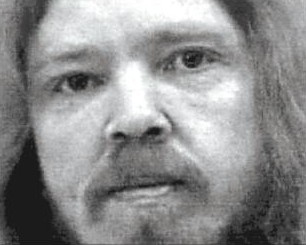 Robert Dale Yeatts
Murderer · USA · 1989
Name: Robert Dale Yeatts Other people named: Charles Michael Vernon; Ruby Meeks…
1 victim
Robert Dale Yeatts
Murderer · USA · 1989
Name: Robert Dale Yeatts Other people named: Charles Michael Vernon; Ruby Meeks…
1 victim
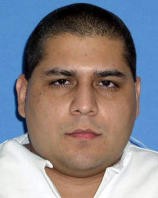 Robert Madrid Salazar
Murderer · USA · 1997
Robert Madrid Salazar was a Black male described as 27 years old at the time of…
1 victim
Robert Madrid Salazar
Murderer · USA · 1997
Robert Madrid Salazar was a Black male described as 27 years old at the time of…
1 victim
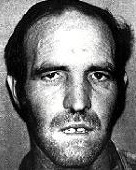 Ottis Toole
Serial killer · USA · 1961
Ottis Elwood Toole (sometimes misspelled as “Otis”) was an American serial kill…
65 victims
Ottis Toole
Serial killer · USA · 1961
Ottis Elwood Toole (sometimes misspelled as “Otis”) was an American serial kill…
65 victims
 Larry Bill Elliott
Murderer · USA · 2001
Larry Bill Elliott · 1 January 2001 — Elliott broke into Finch's Woodbridge tow…
2 victims
Larry Bill Elliott
Murderer · USA · 2001
Larry Bill Elliott · 1 January 2001 — Elliott broke into Finch's Woodbridge tow…
2 victims
 Brian Cavitt
Murderer · USA · 2006
Brian Cavitt was sentenced to life in prison on December 11, 2007. Brian K. Cav…
2 victims
Brian Cavitt
Murderer · USA · 2006
Brian Cavitt was sentenced to life in prison on December 11, 2007. Brian K. Cav…
2 victims
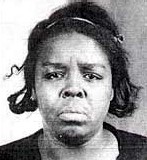
- Gender
- female
- Country
- USA
- Location
- New Orleans, Louisiana, USA
- Date of birth
- April 30, 1971
- Age at first offence
- 24
- Characteristics
- police officer, robbery, rape?, dismemberment
- Victim profile
- Ronald Williams, 25, an off-duty New Orleans cop, and two of the restaurant owner's children, Cuong Vu, 17, and Ha Vu, 24
- Method of murder
- Shooting
- Date(s) of murder
- March 4, 1995
- Years active
- 1995
- Date of arrest
- Same day
- Status
-
Sentenced to death
Sentenced to death on October 20, 1995
Case details
Defendant: Antoinette Frank (born April 30, 1971) Role: New Orleans police officer Age at the time of the offence: 23-year-old
STATUS and legal posture
Antoinette Frank was sentenced to death on October 20, 1995.
Timeline
- March 4, 1995 — Antoinette Frank and Rogers LaCaze visited the Kim Anh restaurant; Ronald Williams, Ha Vu, and Cuong Vu were shot during a robbery, and Frank later returned to the restaurant.
- April 28, 1995 — An Orleans Parish Grand Jury indicted Antoinette Frank and Rogers LaCaze.
- July 17-21, 1995 — Rogers LaCaze was tried first, found guilty as charged, and sentenced to death.
- September 5, 1995 — Antoinette Frank’s trial began.
- September 12, 1995 — The jury returned a guilty verdict on all counts and recommended a sentence of death.
- October 20, 1995 — Antoinette Frank was formally sentenced to death.
- January 17, 2001 — The Supreme Court of Louisiana affirmed the conviction but remanded for an evidentiary hearing on whether she was entitled to state-funded expert assistance for the sentencing phase.
The offence
Victims and setting
Antoinette Frank and Rogers LaCaze carried out a robbery at the Kim Anh restaurant, a family-owned Vietnamese restaurant in New Orleans East. The Vu family owned the restaurant. Ronald Williams was an off-duty New Orleans police officer performing security detail that evening at the restaurant. Frank had occasionally worked at the restaurant as a security guard and was familiar with the Vu family and Ronald Williams.
The victims were:
- Ronald Williams — an off-duty New Orleans police officer performing security detail
- Ha Vu — sister of two of the victims; 24-year-old in some narrative details, and 21-year-old in other narrative details; she was shot three times as she knelt pleading for her life
- Cuong Vu — brother of two of the victims; 17-year-old in narrative details; he was shot six times and pistol whipped
Robbery and shootings
As the restaurant was closing early that morning, Chau Vu, sister of two of the victims, went into the kitchen to count money. She reentered the dining room to pay Ronald Williams when she noticed Antoinette Frank approaching the restaurant yet again. Chau Vu hid the money in the microwave.
Using a stolen key, Frank and LaCaze entered the restaurant and began to walk quickly to the back of the building, pushing Chau Vu, Quoc Vu, and a restaurant employee along with her. Shots were fired. Chau Vu, Quoc Vu, and the employee hid in a cooler in the kitchen, turning out its light.
From inside the cooler, Chau Vu initially could see Frank, who appeared to be looking for something. Chau Vu and Quoc Vu heard additional gunshots. Quoc Vu observed Frank searching where the Vus usually kept their money and later walking to the area where the bodies of Ha and Cuong Vu were found. The victims’ whereabouts were unknown to Chau and Quoc during the hiding.
After Frank and LaCaze left the premises, Quoc Vu emerged from the cooler and called 911 to report the murders.
Frank also returned to the restaurant after police officers arrived, approached Chau Vu asking what happened, and Frank was taken for additional questioning. Frank later confessed to the crimes along with LaCaze.
Confessed involvement
In a taped statement, Frank maintained that LaCaze killed Officer Ronald Williams, but confessed that she killed Ha Vu and Cuong Vu in the kitchen. She said she executed Ha and Cuong Vu because LaCaze made her do it, and described LaCaze handing her the gun used to shoot Williams and pressing the dead officer’s pistol against her head as she alleged she was forced.
Frank refused to admit that she shot Officer Ronald Williams.
Investigation and arrest
Charges and indictments
On March 4, 1995, Frank and Rogers LaCaze were arrested and charged with three counts of first degree murder for the deaths of Ronald Williams, Ha Vu, and Cuong Vu. After severance, their trials were proceeded with separately.
They were indicted by an Orleans Parish Grand Jury on April 28, 1995.
Scene response and custody
After the shootings, Quoc Vu called 911 and police officers arrived. Frank returned to the scene and approached Chau Vu while being questioned. Frank was taken to police headquarters for additional questioning.
Homicide investigators, including Sgt. Eddie Rantz and Det. Marco Demma, arrived about 30 minutes after the shootings. Investigators heard different accounts from Chau and Quoc Vu than from Frank’s initial account.
While working the homicide, investigators found a .38 revolver from Frank’s waistband.
Rantz and Demma interviewed Frank for several hours.
Trial
Trial severance
Their trials were severed, and Rogers LaCaze was tried first.
Rogers LaCaze trial (first)
- Rogers LaCaze was tried July 17-21, 1995.
- He was found guilty as charged and sentenced to death.
Antoinette Frank trial
- Frank’s trial began on September 5, 1995.
- The evidence against her was described as overwhelming, and Frank’s attorneys did not mount a defense (while subpoenaing 40 witnesses).
On September 12, 1995, the jury returned a guilty verdict on all counts and recommended a sentence of death as to all counts.
Frank was formally sentenced to death on October 20, 1995.
Sentencing
The jury recommended the death penalty as to all counts on September 12, 1995.
The trial court formally sentenced Antoinette Frank to death on October 20, 1995.
Appeals
Supreme Court of Louisiana (direct appeal)
Court: Supreme Court of Louisiana Case: Supreme Court of Louisiana State of Louisiana v. Antoinette Frank (No. 99-KA-0553) Decision date: January 17, 2001 Outcome: The Supreme Court affirmed the conviction but remanded the case for an evidentiary hearing on indigency-related expert assistance for the sentencing phase.
Issues addressed
The appeal was based on a total of thirty-two assignments of error. The principal issues involved:
- Denial of Frank’s pre-trial motion to be declared indigent for the purpose of obtaining state-funded experts.
- Denial of a motion for change of venue.
Indigency and state-funded experts
The Supreme Court found that the trial court erred by failing to declare Frank indigent for the purpose of allowing her the opportunity to show entitlement to state-funded psychiatric and mitigation expert assistance for the sentencing phase.
The Supreme Court remanded for an evidentiary hearing to determine whether she was entitled to state-funded expert assistance for the penalty phase. If she was entitled, the trial court was to vacate the sentence and order a new penalty phase with the benefit of that expert assistance. If she could not make the proper showing of need, she could appeal that decision along with other assignments of error concerning the penalty phase.
Change of venue
The Supreme Court addressed the motion for change of venue and denied relief, finding no abuse of discretion in denying the motion.
Challenges for cause
The Supreme Court also addressed challenges for cause and found no reversible error regarding the denial of challenges for cause relating to prospective jurors McDermott and Kutcher.
Incomplete record
The Supreme Court addressed an incomplete record argument and found that omissions did not warrant reversal in the circumstances described, including on the indigency issue where the court considered relevant material.
Outcome
The Supreme Court of Louisiana affirmed Frank’s conviction and remanded for an evidentiary hearing on state-funded expert assistance for the sentencing phase, with instructions that could include vacating the sentence and ordering a new penalty phase if entitlement was established. Frank remained sentenced to death as of the sentencing outcome stated in the case material.
Other details
Grand jury, indictment, and trial structure
- The Orleans Parish Grand Jury indicted Frank and LaCaze on April 28, 1995.
- Their trials were severed; LaCaze was tried first.
Confession and investigative disputes within the case
Frank claimed she was forced by LaCaze to shoot Ha and Cuong Vu, and she maintained LaCaze shot Ronald Williams. The trial narrative described that the jury found her guilty on all counts and recommended death.
Human skull and remains described in narrative material
After her father was reported missing and later disappeared, a human skull with a bullet hole in his head was reported as being found buried under Frank’s house. Narrative details described that experts could not identify the remains and that the case remained under investigation.
Media and episode references (non-legal narrative material)
Frank’s case was featured in television and documentary episodes including episodes titled:
- Deadly Women titled "Born Bad", initially aired October 29, 2009
- Fatal Encounters, focusing on the interaction between Williams and Frank in the nine hours prior to the shootings
- Uncovered titled "900 Women", dealing with struggles of inmates at the Louisiana Correctional Institute for Women, aired in 2008
- Dramatization on "Homicide: Life on the Street" in an episode titled "Saigon Rose" (Season 6, Episode 6)
Victim family and restaurant later events (non-legal narrative material)
Narrative material stated that the Vu family’s restaurant remained open at the site of the tragedy until Hurricane Katrina damaged it in 2005, after which jewelry reportedly stolen by looters had been worn by Ha and Cuong when they were killed. Narrative material stated that the Vu family later sold the old location and re-opened in Harahan, Louisiana, and moved residence to Metairie.
Names of counsel and officials appearing in the appellate caption
The appellate caption listed:
- Frank J. Larre, Counsel for Applicant
- Richard P. Ieyoub, Attorney General
- Harry F. Connick, District Attorney
- Valentin M. Solino, Susan E. Talbot, Counsel for Respondent
Verbatim quotes included in the record material
"The death sentence imposed in this case does not appear disproportionate," Justice Catherine Kimball wrote for the majority.
"Evidence at trial established the cold-blooded and callous disregard for human life exhibited in these killings. Nothing contained in the post-trial documents filed pursuant to (state law) warrants reversal of defendant's death sentence."
"Notwithstanding the evidence of the defendant's guilt, I believe the absence of mitigation expert assistance prejudiced the defendant in this case and that the sentencing process was fatally flawed," Calogero wrote in a dissent joined by Johnson.
"A capital defendant has an absolute right under the Eighth Amendment to introduce virtually any evidence in mitigation at the penalty phase of a capital trial."
Additional verbatim statements attributed to trial-testimony narratives
"Stick to your innocence. I'm proud of you. God keep you."
"I just had a feeling," Chau said later. "...inside, something told me it was not right."
"Chau, I need to talk to you."
"I was too scared. I was frantic."
"There 's no doubt in my mind she went back there to kill the rest of them."
"Lacaze was the good guy," and "Wallace was the one causing the problems."
"The police officer was killed."
"I wanted to vomit," Rantz recalls.
"If Rogers had not used that credit card, he would have gotten off."
"It would have been a mockery of justice if Antoinette Frank was to walk away without getting the death penalty."
"The best she can get is life in prison."
Jury recommendation and sentence duration narrative
Narrative material stated that the jury took “a mere 22 minutes” to determine guilt and that sentencing “took less than 45 minutes,” but the formal sentencing date remained October 20, 1995.
Spotted an error, or have more information about this case?