
Lashaun Harris
Homicide Andrea Yates
Homicide · USA · 2001
Andrea Pia Yates (born Andrea Pia Kennedy on July 2, 1964) was a former Houston…
5 victims
Andrea Yates
Homicide · USA · 2001
Andrea Pia Yates (born Andrea Pia Kennedy on July 2, 1964) was a former Houston…
5 victims
 Coleen Thompson
Homicide · USA · 2002
Coleen Thompson was a former intensive care nurse at Shady Grove Adventist Hosp…
5 victims
Coleen Thompson
Homicide · USA · 2002
Coleen Thompson was a former intensive care nurse at Shady Grove Adventist Hosp…
5 victims
 Christine Paolilla
Homicide · USA · 2003
Christine Marie Paolilla was an American woman born on Long Island, New York on…
4 victims
Christine Paolilla
Homicide · USA · 2003
Christine Marie Paolilla was an American woman born on Long Island, New York on…
4 victims
 Melissa Marvin
Homicide · USA · 1999
Melissa Lynn Marvin was a 29-year-old waitress and amateur surfer at the time o…
4 victims
Melissa Marvin
Homicide · USA · 1999
Melissa Lynn Marvin was a 29-year-old waitress and amateur surfer at the time o…
4 victims
 Erin Caffey
Homicide · USA · 2008
Erin Caffey (juvenile daughter of Terry Caffey and Penny Caffey; charged in con…
3 victims
Erin Caffey
Homicide · USA · 2008
Erin Caffey (juvenile daughter of Terry Caffey and Penny Caffey; charged in con…
3 victims
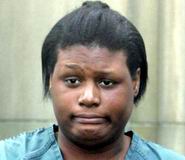 Leatrice Brewer
Homicide · USA · 2008
Leatrice Brewer killed her three children, Jewell Ward, Michael Demesyeux, and…
3 victims
Leatrice Brewer
Homicide · USA · 2008
Leatrice Brewer killed her three children, Jewell Ward, Michael Demesyeux, and…
3 victims
 Daniel Gonzalez
Spree killer · United Kingdom · 2004
Daniel Gonzalez (1980 - 9 August 2007) was an offender who was sentenced to lif…
4 victims
Daniel Gonzalez
Spree killer · United Kingdom · 2004
Daniel Gonzalez (1980 - 9 August 2007) was an offender who was sentenced to lif…
4 victims
 Diane Marsh
Homicide · USA · 2007
Diane Marsh was the mother of 5-year-old autistic child Brandon Williams. She a…
1 victim
Diane Marsh
Homicide · USA · 2007
Diane Marsh was the mother of 5-year-old autistic child Brandon Williams. She a…
1 victim
 Bandali Debs
Murderer · Australia · 1997
Bandali Michael Debs (born 18 July 1953) was an Australian murderer. Debs was f…
3 victims
Bandali Debs
Murderer · Australia · 1997
Bandali Michael Debs (born 18 July 1953) was an Australian murderer. Debs was f…
3 victims
 James William Hamblen
Murderer · USA · 1984
James William Hamblen was a state prisoner in Florida who was condemned to die.…
2 victims
James William Hamblen
Murderer · USA · 1984
James William Hamblen was a state prisoner in Florida who was condemned to die.…
2 victims
 Christopher Scarver
Murderer · USA · 1990
Christopher Scarver (born July 6, 1969) was a convicted American murderer. Whil…
3 victims
Christopher Scarver
Murderer · USA · 1990
Christopher Scarver (born July 6, 1969) was a convicted American murderer. Whil…
3 victims
- Gender
- female
- Country
- USA
- Location
- San Francisco, California, USA
- Date of birth
- 1982
- Age at first offence
- 23
- Characteristics
- —
- Victim profile
- Her three boys, Trayshawn Harris, 6; Taronta Greely Jr., 2; and 16-month-old Joshua Greely (only the body of Taronta was recovered)
- Method of murder
- Threw her three children into the San Francisco Bay where they drowned
- Date(s) of murder
- October 19, 2005
- Years active
- 2005
- Date of arrest
- Same day
- Status
-
Life imprisonment
Convicted of three counts of second-degree murder on January 16, 2007; judge declared her criminally insane the next day and ordered hospitalization for 25 years to life; Court of Appeal upheld the convictions on July 2, 2010
Case record: The People v. Lashaun Harris
Timeline
- Oct. 19, 2005 — A jury trial later concerned the drownings of three young sons after Harris stripped them and threw them into San Francisco Bay from Pier 7.
- Jan. 16, 2007 — A jury convicted LaShuan Harris of three counts of second-degree murder.
- Jan. 17, 2007 — A judge declared her criminally insane and ordered her hospitalized for 25 years to life.
- July 2, 2010 — The First District Court of Appeal upheld the second-degree murder convictions.
Background
LaShuan Harris was an Oakland mother accused of throwing her three young sons into San Francisco Bay from Pier 7, authorities said. She reported hearing voices telling her to send the kids to heaven.
Her defense argued that Harris was schizophrenic and borderline mentally retarded and that she was convinced she was acting on orders from God when she plunged her sons into the bay.
Family members described Harris as mentally ill and said she needed treatment in a mental institution rather than incarceration in a prison.
The offence
On Oct. 19, 2005, Harris took her three children by train from Oakland into San Francisco. She walked along Fisherman’s Wharf and bought hot dogs for the boys. Authorities said Harris then undressed her three sons, ages 6, 2, and 16 months, and dropped them one at a time over the railing and into San Francisco Bay from Pier 7.
Harris was later described as believing the children could not swim and believing she was sending them to heaven. In her videotaped confession, Harris described how she struggled with two of her boys as she stripped them and plunged them from Pier 7. Her youngest boy laughed, thinking it was a game.
A letter Harris wrote to her children in heaven was described as decorated with purple crayon and blue and orange marker. The letter asked: “How is heaven holding up? I know I might not get a letter back. … Kiss my boys for me.”
Authorities described that a passerby scene included Harris appearing dazed and disoriented.
After the drownings, passersby and police accounts described that Harris appeared calm as she walked away from the pier. San Francisco Police Officer Michael White testified that Harris appeared “very calm” as she walked away from the pier with a stroller filled with her children's clothes. White said: “It seemed like nothing was bothering her,” and “She was in a different place.”
When an officer asked about the children, Harris replied that they were OK, and “they are with their father.”
Victims
The killings involved three sons:
- Trayshawn Harris, 6
- Taronta Greely Jr., 2
- Joshua Greely, 16 months
One body was recovered and the other bodies were never found. Taronta’s body washed up more than four hours later at Fort Mason. Another report said only Taronta’s body was recovered and that the eight-man, four-woman jury deliberated more than nine days before reaching all verdicts. The bodies of the other two children have not been found, and the Coast Guard suspended its search late Thursday.
Investigation and mental health history
Harris pleaded not guilty by reason of insanity and the family reported that she had been hearing voices before the killings.
Family members said Harris had been hospitalized multiple times and that she had stopped taking medication for schizophrenia. Harris told police hours after the incident that she threw her children into the bay because God had ordered her to send the children to heaven and that she was caught in the midst of “spiritual warfare.”
A psychiatrist later testified that Harris seemed almost serene the day after the killings. Dr. Gilbert Villela examined Harris on Oct. 20, 2005. Villela said: “She had a strong conviction in her religious beliefs and what she had done,” and “She was not a murderer, she was pure and she was in the right mind.”
In preliminary hearing testimony, Villela described powerful auditory hallucinations and religious delusions and agreed that “She had to carry out these commands from God,” which he described as “It was her attempt to transfer her children to heaven.”
Prosecutors described that Harris knew what she was doing. Assistant District Attorney Linda Allen said in her opening statement that Harris “It was willful, deliberate and premeditated -- she thought about what to do,” and that “She deliberated over this decision, even though she was mentally ill.” Allen also argued in court documents: “She walked around the pier and cried because she loved her children, showing that she understood she had killed them and that they were gone,” and “Even if defendant thought she was sending her children to heaven, she was doing so by killing them.”
Prior hospitalizations and medication
Harris was described as having been hospitalized six times between February 2004 and August 2005. She was placed in a psychiatric hospital six times between February 2004 and August 2005. She was hospitalized in February 2004 while pregnant with her third son.
She was described as talking about “giving her babies to Jesus.” Defense lawyer Teresa Caffese said Harris was released without ongoing mental care and soon started to smell dead bodies and hear voices.
A social worker was said not to have believed a warning that Harris would hurt her children the day they died. Caffese said: “didn’t believe her,” and later she said the “disease lurking within her” surfaced in 2002 when family members saw her arguing with people who were not there, exhibiting unprompted outbursts of laughter, and acting out a second personality.
After alleged domestic abuse at the hands of the children's father in 2003—a charge he denies—Harris was described as first hospitalized while pregnant in Feb. 19, 2004.
Family accounts also described that Harris stopped taking Haldol after symptoms improved, and later voices returned Tuesday night and were still with her when she put her children into the water.
Arrest and pretrial proceedings
Authorities arrested Harris as she pushed an empty stroller away from Pier 7. She was scheduled for arraignment and later preliminary hearing. Harris remained locked up in the psychiatric section of the San Francisco County Jail.
She pleaded innocent Friday to three counts of murder. She answered “yes” when asked about waiving her right to a speedy preliminary hearing.
A prosecution description before trial said Harris faced three counts of murder with special circumstances, making her eligible for the death penalty. Her lawyer, Teresa Caffese, refused to address questions about Harris’ mental state, saying only her client was under suicide watch. Caffese said: “It’s very, very difficult,” and “This can’t be captured in words right now.”
Trial
The jury first determined whether Harris was guilty of murder and whether she committed an assault on a child under 8 causing death. The trial included a separate phase concerning whether she was legally sane or insane at the time of the deaths.
The jury deliberated more than nine days before reaching all verdicts.
A juror, Anjal Pong, said after Tuesday's verdict that the jury quickly decided Harris was not guilty of first-degree murder and was split between convicting her of second-degree murder or manslaughter.
During trial, assistant district attorney Linda Allen described Harris’ conduct as willful, deliberate, and premeditated and said she deliberated even though she was mentally ill. Defense lawyer Teresa Caffese showed family photos and described Harris’ mental illness history. Caffese described Harris as struggling with “disease lurking within her.”
Caffese also said in a court filing: “She was trapped inside an overwhelming delusion, one that kept telling her to take her kids and ‘put them in the water’ to send them to Jesus,” and “And that is what she believes she did.”
Caffese said Harris believed her children were in heaven and that Harris sends God postcards written in crayon.
Sentencing and insanity ruling
On Jan. 17, 2007—one day after the jury verdict—a judge declared Harris criminally insane and ordered her hospitalized for 25 years to life.
Judge Ksenia Tsenin agreed with the defense and said Harris “was incapable of knowing or understanding the quality of her acts.”
The ruling spared Harris from a possible life sentence in state prison and sent her to a mental hospital indefinitely. She could be released if doctors found her legally sane.
The decision nullified the jury's guilty verdicts on three counts each of second-degree murder and assault of a child causing death. Harris would have faced at least 25 years in prison for those crimes if not for the insanity finding.
Harris waived her right to continue the sanity phase of the trial in front of the jury and instead chose to have her case argued to Tsenin.
Appeals
On July 2, 2010, the First District Court of Appeal upheld the second-degree murder convictions.
The appellate court said prosecutors should not have been allowed to have two mental health experts examine Harris, and that those experts concluded Harris knew her children would drown. The court held that those exams did not affect the jury's verdict.
Harris’ attorney Neoma Kenwood said she planned to appeal.
Other details
People who testified or were quoted
- San Francisco District Attorney Kamala Harris issued a statement describing the case as “was tragic for all involved”.
- San Francisco Police Officer Michael White testified that Harris appeared “very calm” as she walked away from the pier.
Family members and social services
Relatives said they unsuccessfully tried to persuade Alameda County social service workers to help them gain custody before the drownings. Family members said Harris told a cousin she was going to feed her children to the sharks. The cousin tried to prevent Harris from leaving for San Francisco with her boys but failed.
At 5:30 p.m., police said Harris took the children to the end of Pier 7 along the Embarcadero, stripped them naked and threw them in the water.
The bodies of the other two children were never found and the Coast Guard suspended its search late Thursday.
An aunt, Joyce Harris, said Harris’ mother had contacted Alameda County social services officials about three months earlier to seek partial custody because Harris had stopped taking medication for schizophrenia and made threats regarding the boys. Joyce Harris said: “They said she was sane, that they couldn't do anything,” and also: “Maybe she didn't try as hard as she could,” adding: “She said, 'I just can't get the kids.' ”
A spokeswoman for the Alameda County Social Services Agency, Sylvia Soublet, said: “This family is receiving support from our agency,” and that there were “a lot of areas where families have issues.” Soublet also said: “Mental illness alone would not be grounds for the agency to take children from a mother.” She said: “Certainly if the grandmother were concerned, there would be other options to seek custody,” and also: “We have not done an investigation in regard to these children.”
Family members and attorneys described that Harris’ threats included telling relatives she would feed the boys to the sharks. Britney Fitzpatrick said: “She told my mama she was going to feed them to the sharks,” and “No one thought it was that serious.”
Demarcus Harris described Harris saying goodbye and “I'm going to miss y'all.” He also said: “We all thought she was just going home,” and “we didn't realize what was going to happen.”
Prior relationships and childhood details included in testimony
Family accounts described that at 15, Harris became pregnant by a 21-year-old man. When she got pregnant at 16, her mother considered pursuing criminal charges for rape, which Harris later did not face according to the quoted family narrative. Avis Harris said: “I didn’t want her to be a follower. I wanted her to be a leader.” She also said: “She was happy that she was pregnant. She was thrilled,” and “She was doing good.”
Family accounts described Harris working as a certified nursing assistant at a convalescent home and then later stopping working due to problems with the children's father.
A domestic violence case involving the children’s father was mentioned, including that the children's father denied the charge.
Witness account during preliminary hearings
Yashpal Singh testified that he was strolling with his two children near the waterfront on the day of the killings and saw Harris appear to chase her oldest son around the pier. Singh said: “He was shouting, 'No Mommy, no Mommy,' ” and “She was chasing him and taking the clothes off. I assumed she was changing him. We didn't realize what was going to happen.” Singh also said she then threw the first boy into the water.
Courtroom behavior described in reporting
Harris was described in court as keeping her head down and holding her public defender’s hand through a brief court hearing. She sat smiling slightly with eyes downcast, laughed and talked to herself, and sometimes rocked back and forth. She sometimes wore a T-shirt reading “Focus on Me” when she was found by officers at Pier 7.

Spotted an error, or have more information about this case?