
Megan Hogg
Murderer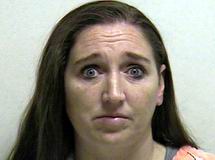 Megan Huntsman
Murderer · USA · 1996
Megan Huntsman was 40 at sentencing. She was a mother of three children who wer…
6 victims
Megan Huntsman
Murderer · USA · 1996
Megan Huntsman was 40 at sentencing. She was a mother of three children who wer…
6 victims
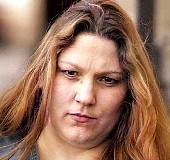 Angela Johnson
Murderer · USA · 1993
Angela Jane Johnson was convicted in federal court of aiding and abetting the m…
5 victims
Angela Johnson
Murderer · USA · 1993
Angela Jane Johnson was convicted in federal court of aiding and abetting the m…
5 victims
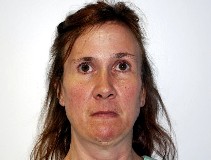 Michele Kalina
Murderer · USA · 1996
Michele Kalina pleaded guilty to murder for one of five infants she initially w…
5 victims
Michele Kalina
Murderer · USA · 1996
Michele Kalina pleaded guilty to murder for one of five infants she initially w…
5 victims
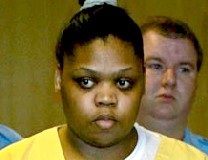 Tiffany Hall
Murderer · USA · 2006
Tiffany Hall was 24 when she was charged in September 2006. She later entered a…
5 victims
Tiffany Hall
Murderer · USA · 2006
Tiffany Hall was 24 when she was charged in September 2006. She later entered a…
5 victims
 Banita Jacks
Murderer · USA · 2007
Banita Jacks was a Washington, DC resident convicted of murdering her four daug…
4 victims
Banita Jacks
Murderer · USA · 2007
Banita Jacks was a Washington, DC resident convicted of murdering her four daug…
4 victims
 Susan Eubanks
Murderer · USA · 1996
Susan Dianne Eubanks, also referred to as Susan Eubanks, was convicted by a jur…
4 victims
Susan Eubanks
Murderer · USA · 1996
Susan Dianne Eubanks, also referred to as Susan Eubanks, was convicted by a jur…
4 victims
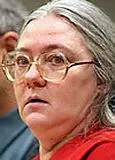 Velma Ogden-Whitehead
Murderer · USA · 2005
Velma Ogden-Whitehead pleaded guilty to first-degree murder in the 2005 killing…
1 victim
Velma Ogden-Whitehead
Murderer · USA · 2005
Velma Ogden-Whitehead pleaded guilty to first-degree murder in the 2005 killing…
1 victim
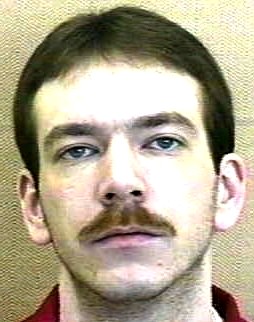 Steven Van McHone
Murderer · USA · 1990
March 7, 1991 — Steven McHone was sentenced to death in Surry County Superior C…
2 victims
Steven Van McHone
Murderer · USA · 1990
March 7, 1991 — Steven McHone was sentenced to death in Surry County Superior C…
2 victims
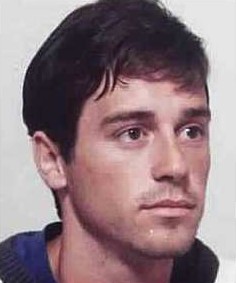 Robert Baltovich
Murderer? · Canada · 1990
Robert Baltovich was a Canadian man born July 17 1965. He was educated at the U…
1 victim
Robert Baltovich
Murderer? · Canada · 1990
Robert Baltovich was a Canadian man born July 17 1965. He was educated at the U…
1 victim
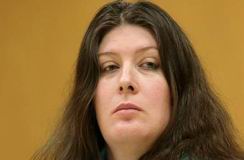 Jamie Davis
Murderer · USA · 2010
Jamie Carole Davis was a Lakeland woman who was accused of fatally shooting ano…
1 victim
Jamie Davis
Murderer · USA · 2010
Jamie Carole Davis was a Lakeland woman who was accused of fatally shooting ano…
1 victim
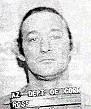 Arthur Martin Ross
Murderer · USA · 1990
Arthur Martin Ross · April 10, 1990 — Arthur Ross telephoned the victim and arr…
1 victim
Arthur Martin Ross
Murderer · USA · 1990
Arthur Martin Ross · April 10, 1990 — Arthur Ross telephoned the victim and arr…
1 victim
 Christopher Porco
Murderer · USA · 2004
Christopher Porco (born July 9, 1983) was convicted of killing his father and a…
1 victim
Christopher Porco
Murderer · USA · 2004
Christopher Porco (born July 9, 1983) was convicted of killing his father and a…
1 victim
- Gender
- female
- Country
- USA
- Location
- San Mateo County, California, USA
- Date of birth
- 1972
- Age at first offence
- 26
- Characteristics
- parricide, child killer
- Victim profile
- Her daughters, Antoinette Marden, 7, Angelique Roberts, 3, and Alexandra Hogg, 2
- Method of murder
- Suffocation
- Date(s) of murder
- March 23, 1998
- Years active
- 1998
- Date of arrest
- Same day (suicide attempt)
- Status
-
Life imprisonment
Sentenced to 25 years to life on September 24, 1999
Case details
Megan Hogg was sentenced to 25 years to life on September 24, 1999, for the 1998 murders of her three young daughters. She was described as an infanticidal mom who suffocated her three daughters while they slept.
People
- Megan Hogg — defendant; mother of the children.
- Greg Hogg — Megan Hogg’s father.
- Karen Hogg — Megan Hogg’s wife; her granddaughters’ bodies were discovered by her.
- Mary Roberts — paternal grandmother of Angelique and Alexandra.
- Pam Marden — paternal grandmother of Antoinette.
- Alexandra Hogg — daughter; 2 years old.
- Angelique Roberts — daughter; 3 years old.
- Antoinette Marden — daughter; 7 years old.
- Judge Mark Forcum — sentenced Hogg.
- Prosecutor Jack Grandsaert — made statements in court about the case.
- Defense attorney George Walker — represented Hogg.
- Judge Richard Livermore — handled the initial court appearance after formal charging.
- Detective/Officer Lieutenant Steve Lowe — Daly City Police Department lieutenant who described the letters, discovery, and evidence.
- Coroner Bud Moorman — San Mateo County Coroner who described autopsy findings and context.
- Principal Paul Reinhertz — principal of Miraloma School.
- Lieutenant/Police officers — investigators who recovered duct tape and described the letters and drug mixture.
Timeline
- January 1998 (car accident) — Hogg suffered a head injury in a car accident.
- March 23, 1998 — Karen Hogg discovered her granddaughters’ bodies in the rear bedroom of the family’s Daly City home; Hogg had attempted suicide.
- March 25, 1998 — Megan Hogg’s two-page letter was described by police; she was on suicide watch at the Santa Clara County Jail in San Jose.
- March 27, 1998 — Megan Hogg was formally charged with murdering her three daughters; her plea was postponed until April 1.
- September 24, 1999 — Hogg was sentenced to 25 years to life.
- September 25, 1999 — relatives of Megan Hogg discussed their emotions and the conflict around leniency in Redwood City court.
Background
After depression was diagnosed in 1996, Hogg was prescribed several antidepressant medications. When she began having seizures, doctors temporarily took her off all of the medication. The week before the slayings, Hogg was put on another antidepressant, but court records show she reportedly remained depressed, listless and irritable.
Hogg was also described as having suffered from complications of an earlier head injury and may have lost the will to live. She had been prescribed painkillers for a head injury suffered during a car accident in January. In court discussion of her mental health, depression and medication monitoring were central, including claims about her psychiatric care.
Her father, Greg Hogg, argued that traumatic events in her childhood—including being gang-raped as a teenager—led up to the killings. He also blamed his daughter’s psychiatrists for not properly monitoring her medication. Greg Hogg and his wife, Karen Hogg, filed a lawsuit in March against Kaiser Permanente Hospital in South San Francisco alleging that doctors overmedicated Megan Hogg and left her with no medical support. Greg Hogg said: "Her life was shattered," and that she "felt she had no hope. On March 23, 1998, she did not expect to live."
The offence
On the morning of March 23, 1998, Hogg suffocated her three daughters while they slept. Prosecutors and investigators described the method as binding the girls’ hands and taping their mouths and noses, and holding each child down for up to five minutes while they suffocated.
Investigators recovered duct tape used in the crime and said the evidence included letters.
Hogg later told officers that she was upset because her mother had threatened to kick her out of the house and to get physical custody of the children. Rather than be without her children, she told police that she suffocated the girls by taping their mouths and hands. She said she wanted to "spare them the problems that she had faced in her own life," according to court records.
During the period after the killings, Hogg apologized for murdering her daughters and said she was not a cold-blooded killer.
Investigation
Lieutenant Steve Lowe of the Daly City Police Department described that Megan Hogg wrote a two-page letter detailing how she was going to kill her three young girls, sipped from a cup of hot chocolate laced with prescription drugs, then methodically suffocated each one with duct tape. Lowe also said the 25-year-old mother carried their pajama-clad bodies into her bedroom and placed them side-by-side next to her in bed.
Lowe stated that Hogg wrote a second note confirming that she had completed the deadly task. He said the letters, along with an unconscious Hogg and the bodies of her three children, were discovered Monday morning in the Daly City home they shared with Hogg’s parents.
Autopsies were said to show that the girls died from asphyxiation. Coroner Bud Moorman said: "Her mother told my investigator that she had been suffering from seizures and didn't want to go on," and "It's not uncommon for suicidal people to want to take their children with them."
The prosecutor and police statements included descriptions of the act as planned and cold. When asked about motive, Lowe said he would not disclose the contents of the notes or offer a motive for why Hogg would want to kill her children.
Police described the drugs in Hogg’s suicide attempt as including hot chocolate laced with about 40 tablets of codeine, Tylenol, Vicodin and Trazadone, and said Valium was believed to be one of the drugs Hogg used in her drink.
Investigators described that Hogg held each of the girls down for up to five minutes while they suffocated.
Arrest / custody
After the killings, Hogg was arrested and placed on suicide watch at the Santa Clara County Jail in San Jose.
Trial
Charging and plea
Megan Hogg was formally charged on March 27, 1998 with murdering her three daughters, and prosecutors could seek the death penalty. Her attorney said he may advise her to plead not guilty by reason of insanity.
George Walker said: "I haven't made up my mind yet -- I'm still gathering information, but I can't believe God made her evil from the egg." Walker made these comments outside a Redwood City Municipal Court room after Hogg appeared before Judge Richard Livermore. Hogg was clad in yellow jail garb and stood behind a glass panel that shields all defendants. She made no comment, and Livermore postponed entry of a plea until April 1, allowing Hogg to confer with her lawyer.
Hogg was charged with 3 counts of murder in the slayings of her daughters, Antoinette Marden, 7, Angelique Roberts, 3, and Alexandra Hogg, 2. The law was described as treating multiple murders as a special circumstance that, if proven at trial, could be punished by death or life imprisonment.
Walker told reporters there was a possibility Hogg didn’t know what she was doing. He also described Hogg’s depression and medications and stated she may have decided not to leave her children alone. He said: "to leave her children alone in this miserable world," and that she may have decided this was what she did not want.
Letters and quotations
Lieutenant Steve Lowe said police discovered letters. The letters included the following verifiable statements:
- "I, Megan Hogg, have ended the lives of my daughters, Antoinette, Angelique and Alexandra in my bed by suffocation," she wrote in a 2nd letter, according to a source familiar with the case.
- "I have also consumed very high amounts of Vicodin, codeine, Tylenol with codeine, Motrin and Trazadone. Never before have I considered ending the girl's lives. Myself, however, it's something I have thought of frequently. This is to notify anyone necessary that this was a sole action and included help and knowledge of no other.''
Sentencing
Hogg was formally sentenced in San Mateo County Superior Court on September 24, 1999 after striking a deal with prosecutors to plead no contest to three counts of first-degree murder, avoiding a possible sentence of life without parole.
As Hogg’s father and the paternal grandparents of the children spoke, they argued for and against leniency. Greg Hogg said Hogg’s depression, failed relationships with the girls’ fathers, and traumatic events in her childhood including being gang-raped as a teenager led up to the killings. Greg Hogg blamed his daughter’s psychiatrists for not properly monitoring her medication.
Mary Roberts, the paternal grandmother of Angelique and Alexandra, asked that Hogg serve her full sentence and said: "The thought of the girls' last moments alive still "makes me sick to my heart," she said." She also asked: "No one knows what hell our family has suffered because of Megan's rage against whom or whatever," and she said: "What excuse could she possibly use that would make what she did OK? None. She knows the difference between right and wrong, yet she chose to murder them."
Pam Marden, paternal grandmother of Antoinette, said: "We didn't want her to have any more children," and said: "The fact that she will never get out of prison will give us some closure."
In sentencing, Judge Mark Forcum said he admitted that Hogg suffered from depression but said it was no excuse for the slayings. Judge Forcum said: "The defendant smothered her daughters' hopes, dreams and promises for the future," and called the killings "cruel, cold and calculated."
Prosecutor Jack Grandsaert told the court that Hogg’s actions were selfish, spiteful and the ultimate betrayal of a child's trust in his or her mother. Grandsaert said: "Instead of protecting them, she destroyed them," and "She stole their lives."
Hogg apologized in court and said she loved her children and did not understand why she suffocated them. Hogg said: "I know I've committed a crime, a horrible crime, and I know I have to be punished for that," and "If I could bring them back I would, but I can't, and I am sorry."
Appeals / outcome
No appeal information was provided.
Aftermath
Following the killings, family and community members discussed the deaths and their impact.
A classmate of Antoinette at Miraloma School in San Francisco asked her parents Tuesday evening before going to bed, "Am I going to still be breathing tomorrow?" Principal Paul Reinhertz said that many of the 350 students had nightmares and asked similar questions about life, death and murder. To help the children cope with the tragedy, the school held an assembly. Several children read letters to their late classmate, and the letters, cards and flowers were placed on tables in a hallway, creating a rainbow-colored memorial for the slain 7-year-old.
Hogg worked at AT&T as an account executive handling billing out of a San Jose office since November, and employees declined to comment except to say they felt bad for the family.
Hogg’s relatives were described as supporting her and mourning the loss of the children, and Hogg had lived with her parents, Greg and Kathy Hogg.
Lieutenant Steve Lowe described the act as "plain evil" and said: "Any parent would throw their body in front of a train to protect their kids," and "How can you possibly explain somebody killing their kids?"
Lowe also said: "I think she's just an evil woman who suffocated her children. I'm not convinced that she wanted to kill herself. She didn't even finish the hot chocolate drink because she didn't like the taste of it."
Prosecutor Jack Grandsaert said death penalty cases involving women are rare and noted that the county only had one woman on death row.
Spotted an error, or have more information about this case?